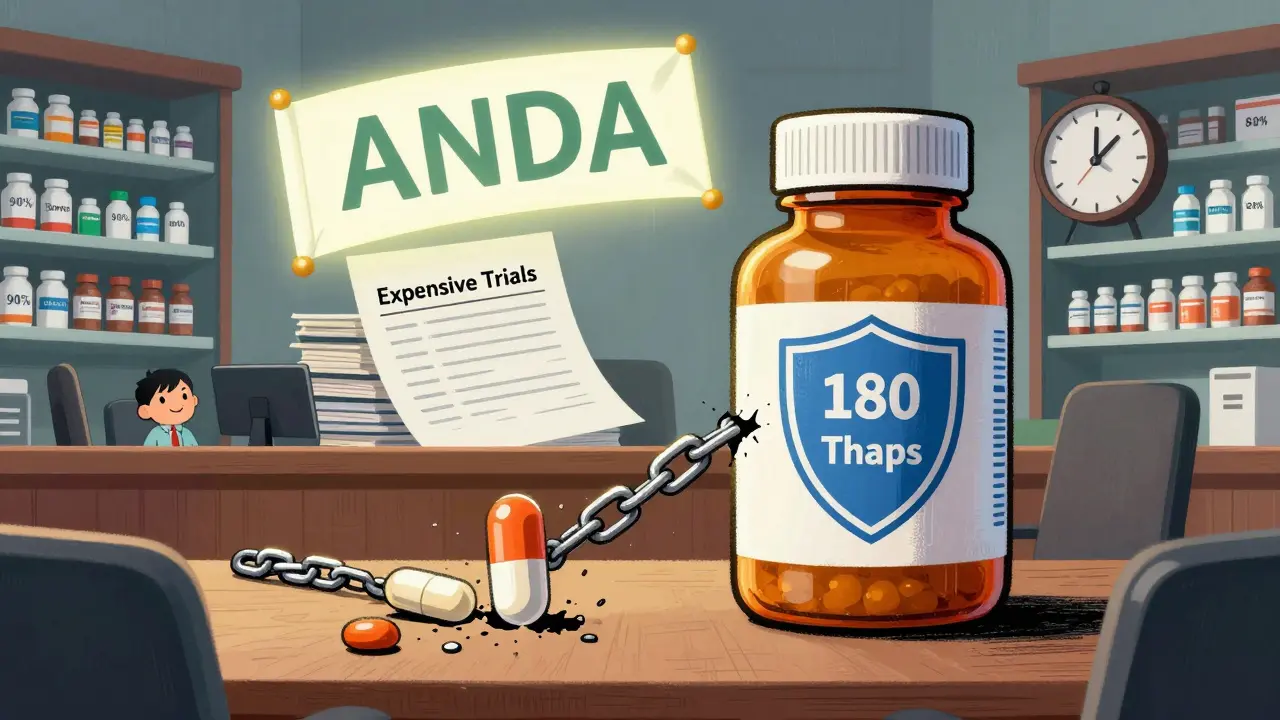
The Hatch-Waxman Act of 1984 created the legal pathway for generic drugs in the U.S., balancing innovation and competition. It cut approval costs, spurred generic entry, and saved over $1.7 trillion in healthcare spending.
read more
Myasthenia gravis causes muscle weakness that worsens with use and improves with rest. Learn how antibodies attack nerve-muscle connections, why treatment varies by subtype, and how new immunotherapies like efgartigimod are changing outcomes.
read more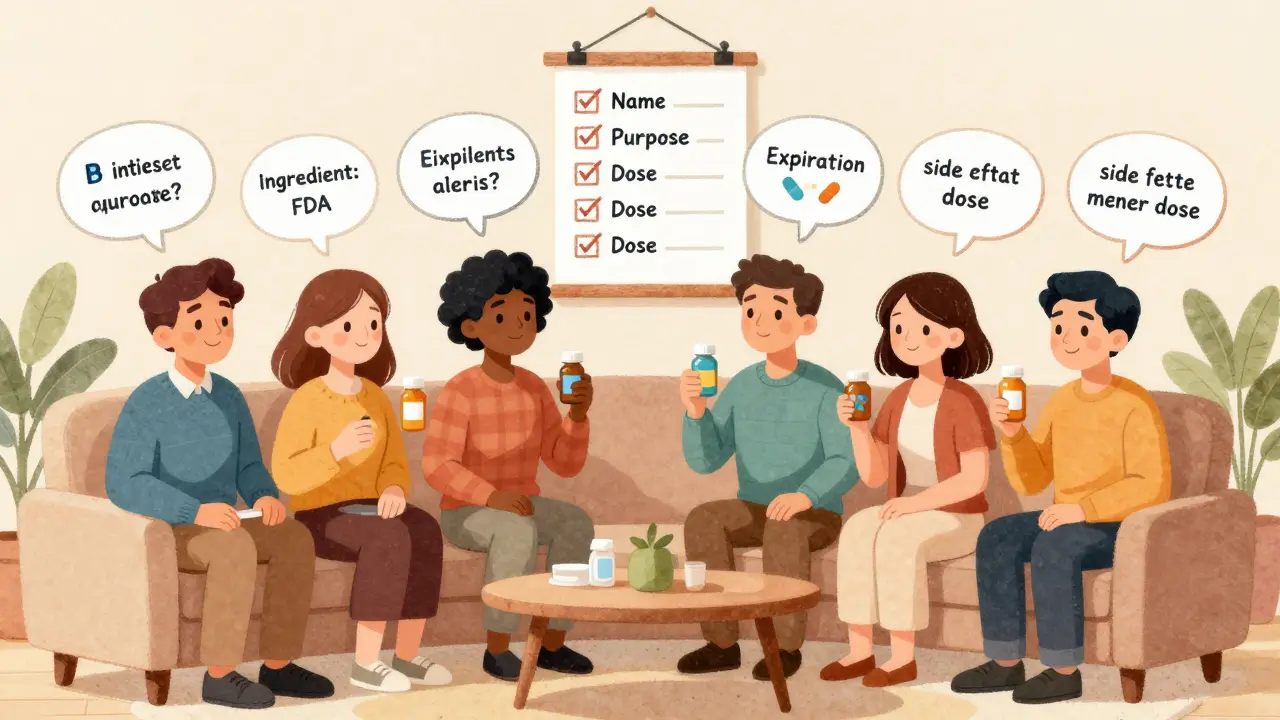
Learn how to use prescription drugs safely by knowing your meds, following the 5 rights, keeping a medication list, and asking the right questions. Avoid common errors that lead to hospital visits and serious harm.
read more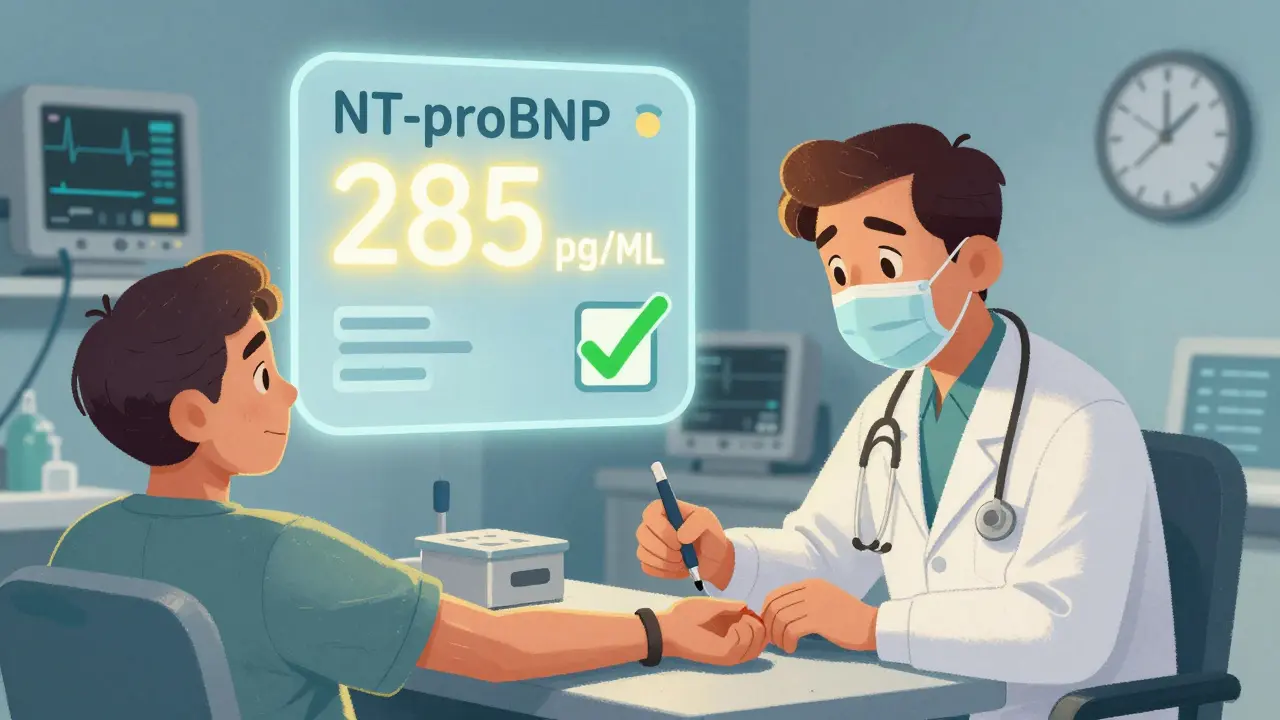
NT-proBNP blood testing is a critical tool for ruling out heart failure in patients with shortness of breath. Learn when to order it, how to interpret results based on age and kidney function, and why it prevents unnecessary hospitalizations.
read more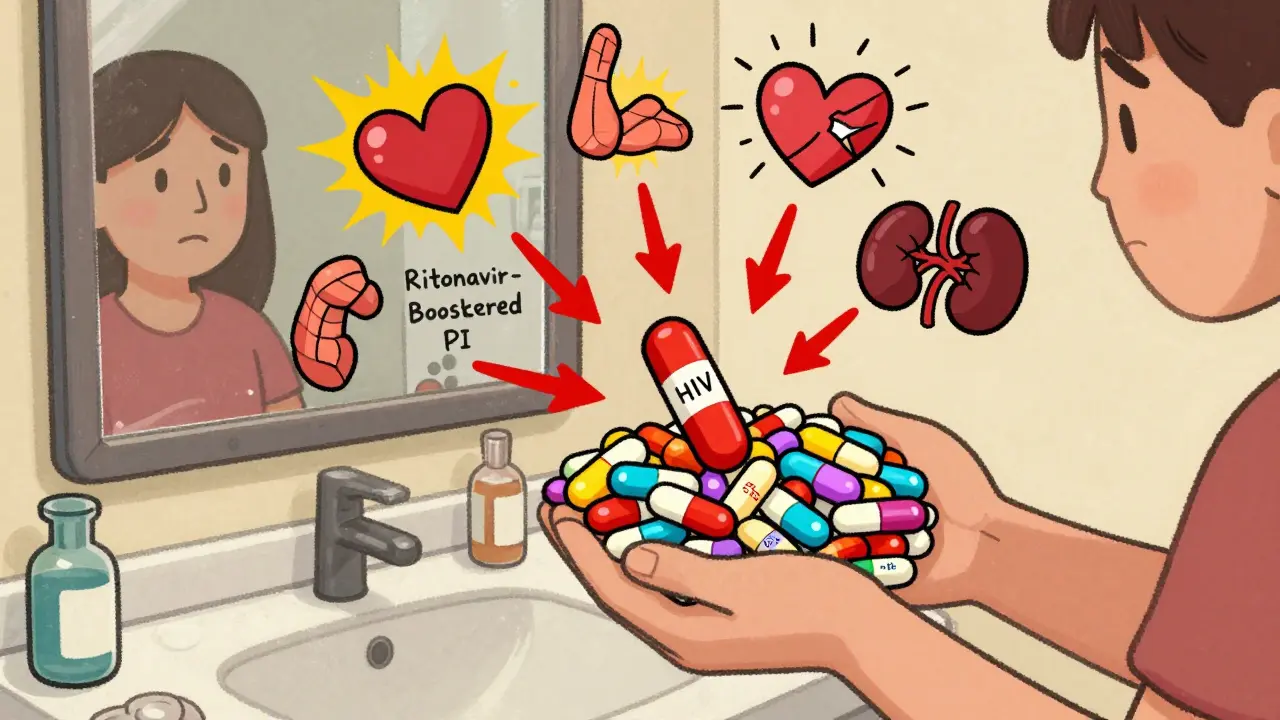
Antiretroviral therapy can have dangerous interactions with common medications like statins, blood pressure drugs, and herbal supplements. Learn which combinations are risky and how to stay safe.
read more
Specialty pharmacies handle generic specialty drugs with the same care as branded ones-because the complexity lies in the treatment, not the price. Learn how providers manage these drugs, why retail pharmacies can't fill them, and what's changing in 2026.
read more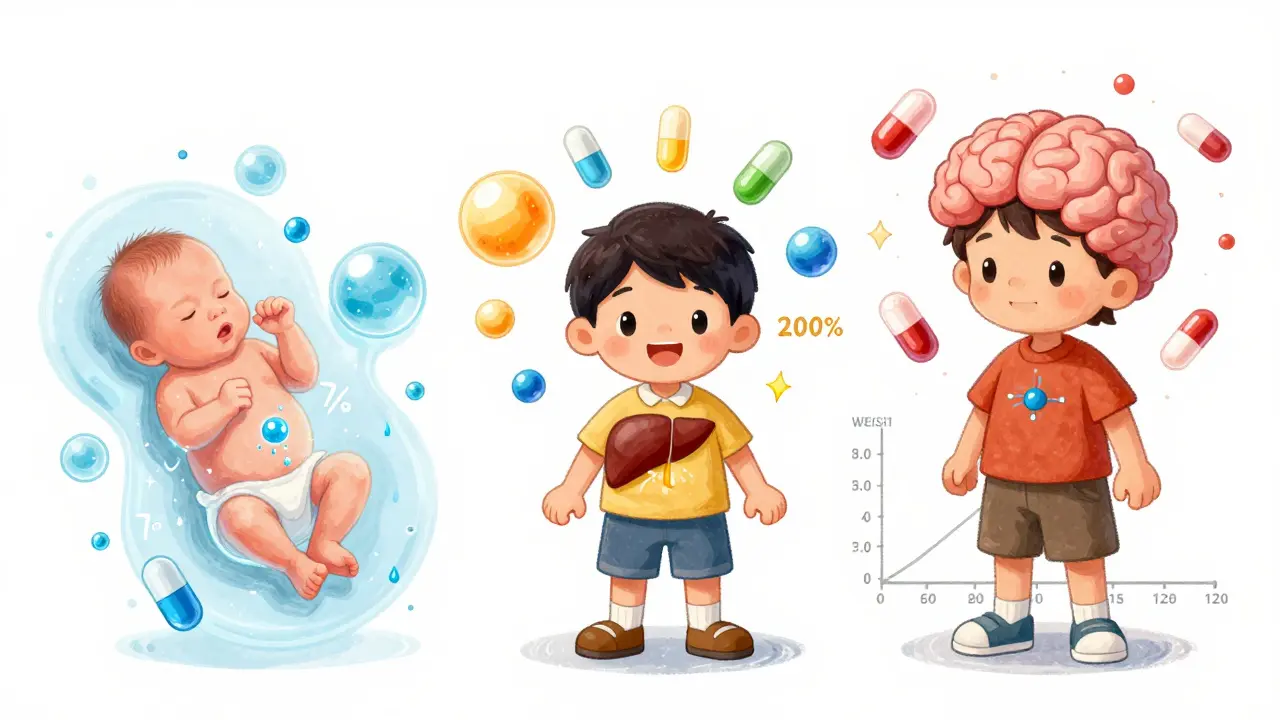
Children react to medications differently than adults due to developing organs, changing metabolism, and unique body composition. This article explains why pediatric drug side effects are more dangerous, which drugs carry the highest risks, and what parents and doctors can do to protect kids.
read more
Patients often doubt generic drug safety despite FDA approval. Learn why perceptions differ from science and how healthcare providers can address concerns to improve adherence and reduce costs.
read more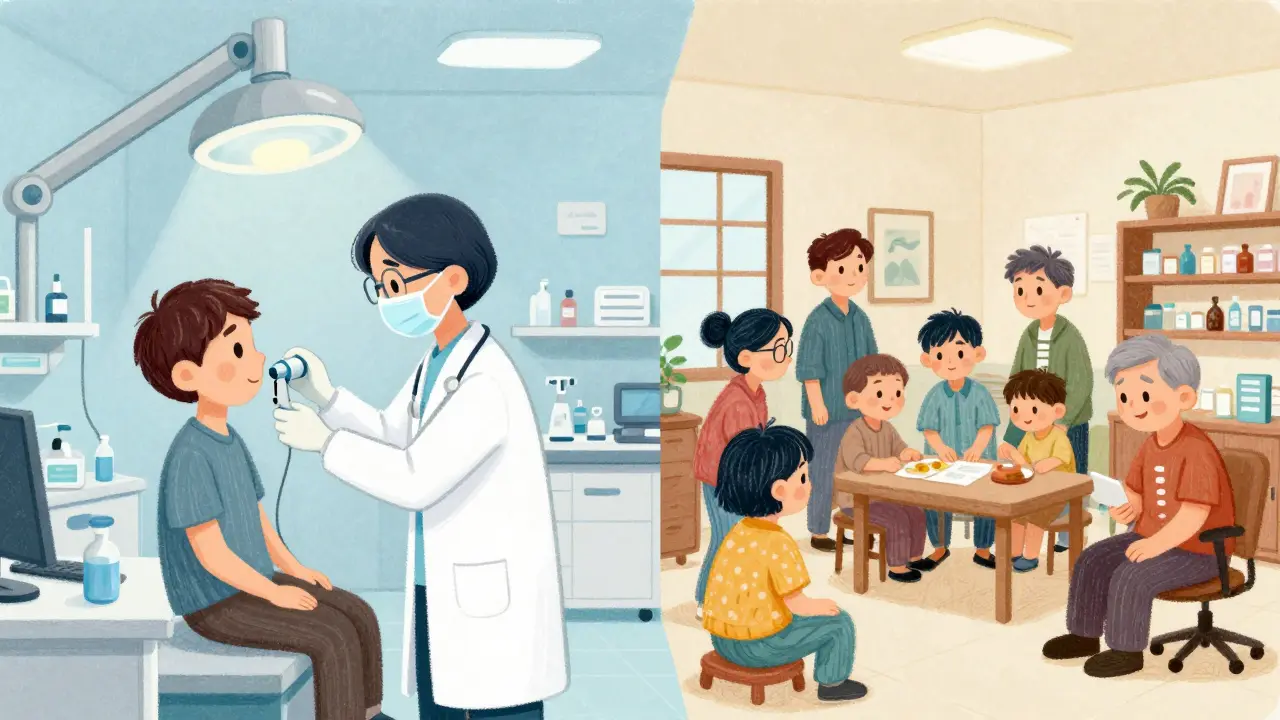
Clinical trials and real-world evidence reveal different truths about medical treatments. One is precise but artificial; the other is messy but real. Understanding these differences helps doctors and patients make informed choices. Regulatory agencies now use both approaches, but challenges remain in data quality and integration. This article explains key distinctions and why they matter for healthcare decisions.
read more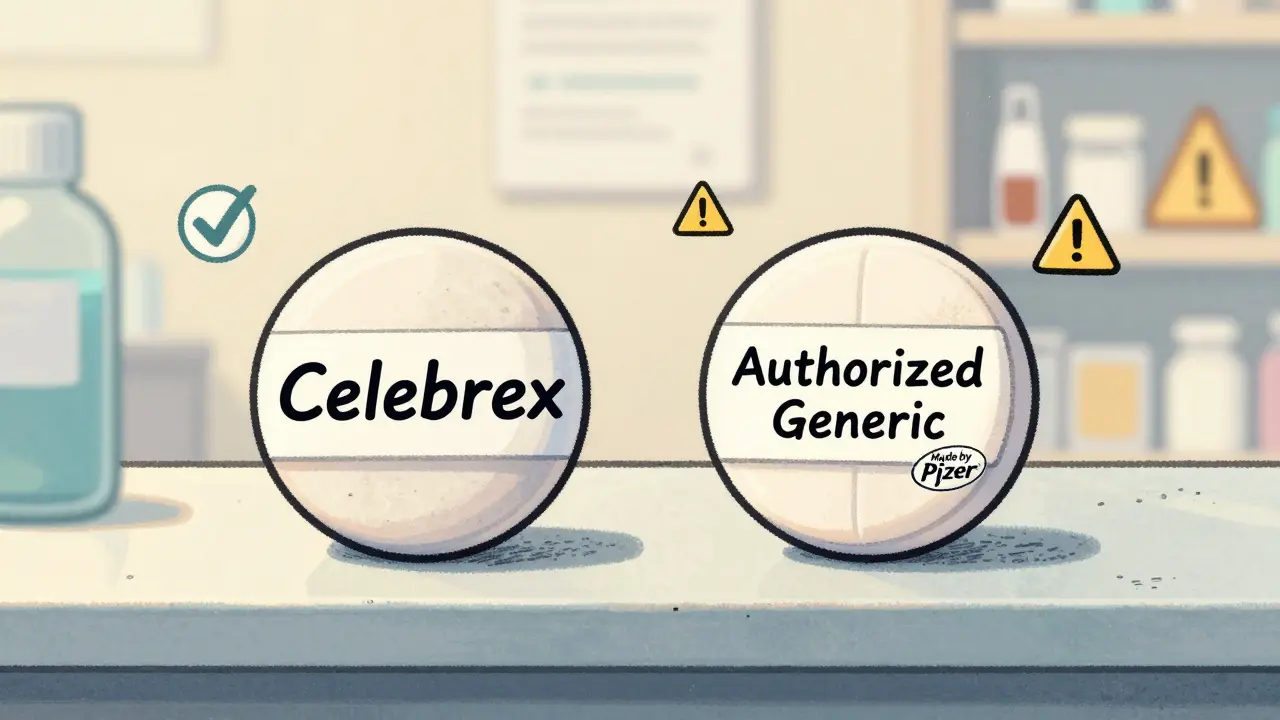
Authorized generics are identical to brand-name drugs, while regular generics may differ in inactive ingredients. Learn when switching to an authorized generic is safer - and when a regular generic works just fine.
read more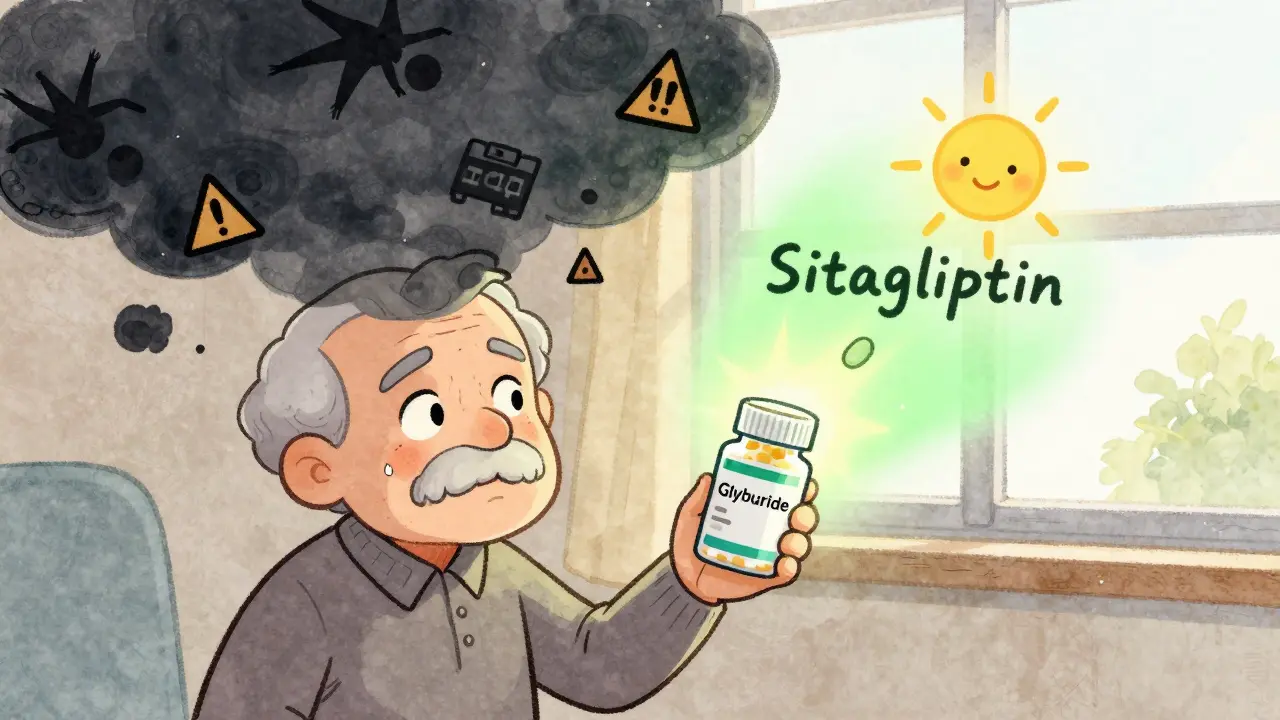
Seniors with diabetes face higher risks of dangerous low blood sugar from common medications like glyburide. Learn which drugs are safest, how to prevent hypoglycemia, and what to ask your doctor to stay safe and independent.
read more
SSRIs are the most common antidepressants, but side effects like sexual dysfunction, weight gain, and nausea affect most users. Learn what’s normal, what’s serious, and how to manage them effectively.
read more