
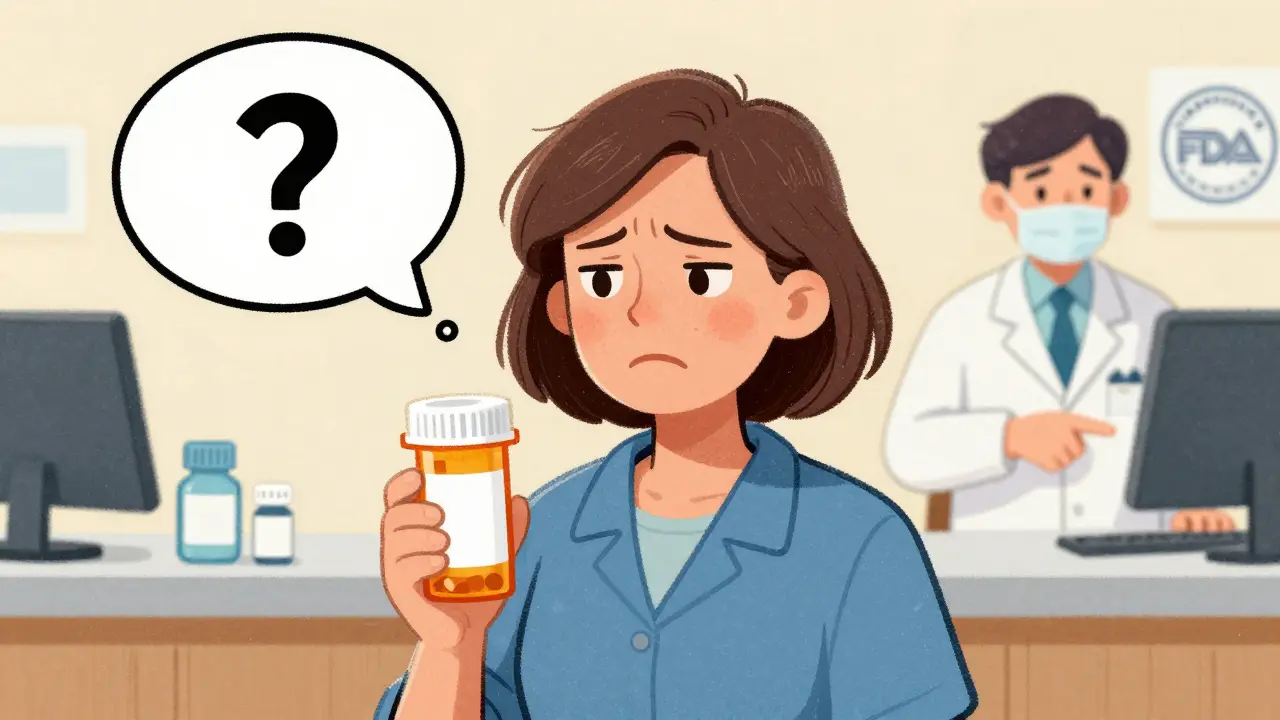
Why do patients doubt generic drug safety?
When you get a prescription for a generic drug, you might wonder if it's really as safe as the brand-name version. You're not alone. Despite decades of scientific evidence showing generics are identical in safety and effectiveness, many patients still have doubts. Generic drug safety concerns affect millions, leading some to refuse generics even when they're cheaper and equally effective.
How the FDA ensures generic drug safety
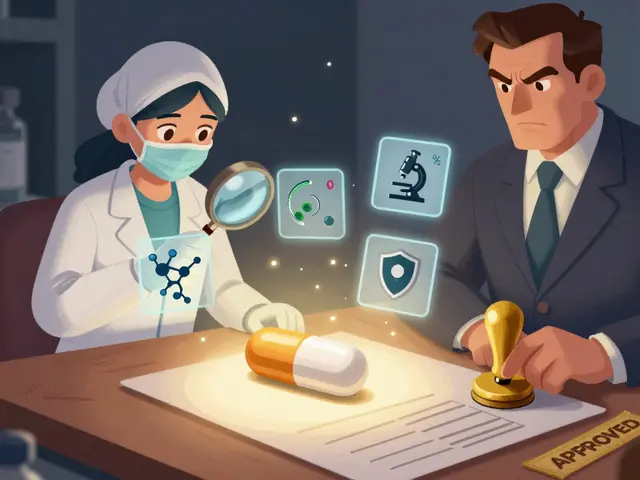
FDA requires generic drugs to meet strict standards. Under the 1984 Hatch-Waxman Act, generics must prove bioequivalence-meaning they deliver the same amount of active ingredient into the bloodstream as the brand-name drug. This is measured within 80-125% of the brand's pharmacokinetic parameters. The FDA inspects manufacturing facilities and tests batches to ensure quality. Despite this, patient perceptions often don't match the science.
Common myths about generic drug safety
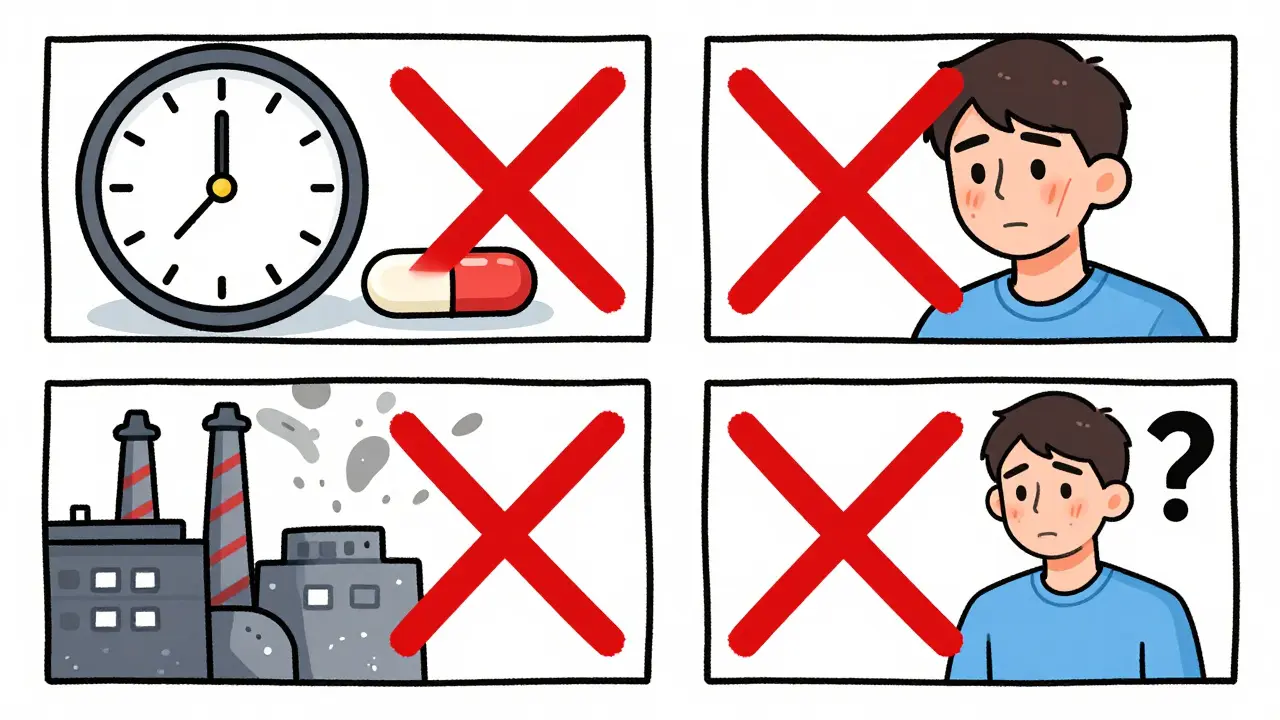
The FDA identifies four main misconceptions driving safety concerns:
- Generics are less effective
- They take longer to work
- They're not safe
- Manufactured in substandard facilities
A CDC survey in 2012 found 20-40% of patients were unsure if generics work the same. One in five specifically believed they were less safe. These myths persist even though the FDA confirms all approved generics match brand-name drugs in quality, strength, and purity.
How different groups perceive risk
Risk perception varies widely across demographics. For example, Black and Hispanic patients are 1.8 times more likely to express safety concerns than White patients. Older adults over 60 show heightened worry about side effects (31.9% vs. 24.7% in younger groups). Lower education levels strongly influence concerns-those with less education are 1.73 times more likely to think generics are different and less safe. Unemployed and retired individuals are more positive about generics (39.5%), while employed people with lower education see them as dangerous (58.7%).
Real patient experiences: stories from the front lines
Reddit discussions and community forums like PatientsLikeMe show mixed experiences. Some users report issues after switching, like one person on r/pharmacy saying: 'I switched to generic sertraline and had terrible withdrawal symptoms-went back to brand and problems stopped.' However, a 2021 National Community Pharmacists Association survey found 68% of patients who switched reported no difference in effectiveness or side effects. These anecdotes create powerful narratives that often override scientific evidence.
How doctors and pharmacists can address concerns
Communication is key. A 2015 study in Medical Care showed patients who received explanations about bioequivalence during prescribing were 2.8 times more likely to accept generics. Pharmacists play a crucial role too-patients who get counseling from pharmacists have 37% higher adherence rates. However, time constraints limit this; average pharmacist-patient consultations for generic substitutions last only 47 seconds. Targeted education for low-health-literacy patients reduced safety concerns by 42% in a 2017 Journal of General Internal Medicine study.
The hidden cost of safety concerns
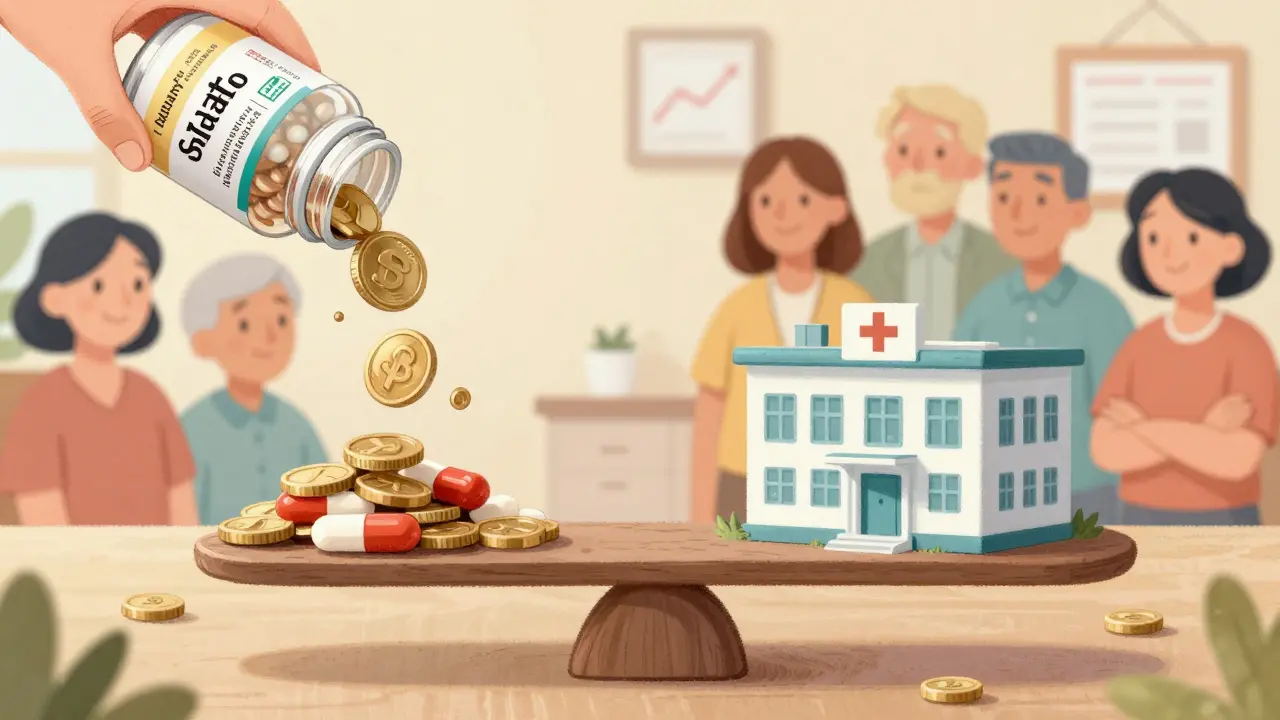
Generic drugs account for 90% of prescriptions but only 23% of U.S. drug spending. This saves $370 billion annually. Yet patient safety concerns cost the healthcare system $8 billion yearly in unnecessary brand-name prescriptions. If barriers to generic use are overcome, the Congressional Budget Office estimates $185 billion in savings over the next decade. Insurance design also matters-Medicare Part D plans with $0 generic copays saw 18% higher utilization than those with tiered copays.
What's being done to improve perceptions
The FDA's 2023 'Education and Outreach Plan' targets safety misconceptions through multilingual campaigns, reducing concerns by 15% among Spanish-speaking patients. Machine learning models now predict patient risk with 87% accuracy, allowing targeted interventions. However, new challenges arise with complex generics like inhalers, where 48% of patients express specific concerns. Addressing trust gaps remains critical for both health outcomes and economic savings.
Are generic drugs as safe as brand-name drugs?
Yes. The FDA requires generic drugs to meet the same strict standards as brand-name drugs for quality, strength, purity, and stability. They must prove bioequivalence, meaning they deliver the same active ingredient at the same rate as the brand-name version. Millions of patients safely use generics every day.
Why do some people think generics are less effective?
Several factors contribute. The term 'generic' itself can trigger cognitive biases where people associate lower cost with lower quality. Some patients experience temporary side effects after switching due to inactive ingredients (like fillers), which are different in generics. However, the FDA confirms that active ingredients are identical. Personal anecdotes, like a Reddit user reporting withdrawal symptoms after switching to generic sertraline, can reinforce these beliefs despite scientific evidence.
How does the FDA ensure generic drug quality?
The FDA inspects manufacturing facilities for both brand and generic drugs to ensure they follow Good Manufacturing Practices (GMP). Each generic drug must prove bioequivalence through rigorous testing-showing it delivers the same amount of active ingredient into the bloodstream as the brand-name drug. The FDA also monitors adverse events and recalls products if issues arise. Since 2012, the Generic Drug User Fee Amendments (GDUFA) program has invested $150 million in improving quality monitoring.
Can switching to generics cause side effects?
In most cases, no. However, some patients may experience temporary side effects due to different inactive ingredients (like fillers or dyes) in generics. For example, the FDA issued a safety communication in 2012 about certain generic bupropion XL versions, but this was an exception. Generally, the active ingredient is identical, so side effects should be the same as the brand. If you notice changes after switching, consult your doctor or pharmacist.
What can I do if I'm concerned about a generic drug?
Ask your doctor or pharmacist for details about the generic drug. Request information on bioequivalence and FDA approval. If you experience issues, report them to the FDA's MedWatch program. For low-health-literacy patients, educational interventions specifically designed for them can reduce concerns by 42%. Remember, the FDA confirms all approved generics are safe and effective.

Georgeana Chantie
February 6, 2026 AT 13:57 PMGenerics are a complete joke. The FDA's 'bioequivalence' is a lie. I've been taking them for years and they never work right. My blood pressure went haywire, my cholesterol spiked. Every time I switch to generic, I have to go back to brand. The FDA is just another government agency pushing socialist medicine. 🇺🇸 America produces the best pharmaceuticals. Foreign-made generics? No thanks. 😡 They're made in shoddy factories overseas. I refuse to use them. The government should ban imports. America First! 💪
Jennifer Aronson
February 7, 2026 AT 15:44 PMYour viewpoint is understandable, but the data shows generics are safe. The FDA's bioequivalence testing is stringent. Personal experiences vary, but large studies confirm efficacy. Cultural perceptions can influence beliefs, but the science is clear. It's important to trust evidence over anecdotes.
Kate Gile
February 8, 2026 AT 06:58 AMHey everyone, let's talk facts. The FDA requires generics to be identical in active ingredients. The only differences are inactive fillers, which rarely cause issues. I've used generics for years with no problems. They save us money and are just as effective. Let's not let myths scare us.
Gregory Rodriguez
February 9, 2026 AT 19:26 PMKate's right, but let's not sugarcoat it. The FDA's process is solid, but people still have valid concerns. Some generics have different fillers that can cause issues for sensitive folks. But hey, it's not all doom and gloom. Most people don't notice a difference. So yeah, generics are fine, but don't be a sheep. Check with your doc. 😏
Nancy Maneely
February 9, 2026 AT 22:30 PMGenerics are dangerous. Made in China. 😭
anjar maike
February 11, 2026 AT 06:19 AMwhy do people doubt generics? science says they're same. but maybe fillers? 🤔 the FDA checks them. but some people have issues. 🤷♀️
Arjun Paul
February 12, 2026 AT 13:53 PMPeople are just too ignorant. The science is clear. Generics are safe. Stop being paranoid. The FDA has strict regulations. If you have issues, it's probably your own fault. You should educate yourself.
divya shetty
February 14, 2026 AT 00:53 AMYour views are misguided. The FDA's standards are rigorous. Generic drugs undergo the same testing. Your personal anecdotes do not outweigh scientific evidence. It's irresponsible to spread misinformation. You should check reliable sources before making such claims.
Phoebe Norman
February 14, 2026 AT 08:28 AMThe bioequivalence studies show generics are equivalent. But individual variations exist. The FDA's monitoring is robust. However anecdotal reports persist. It's important to recognize this. The CDC data shows misinformation is widespread. But the science is clear. The cost savings are massive. We need better public education. The FDA's outreach helps. But trust is hard. Emotional responses override facts. It's a shame.