
When you start taking an SSRI for depression or anxiety, you’re not just fighting your symptoms-you’re also adjusting to a new chemical balance in your brain. These medications, like sertraline, fluoxetine, and escitalopram, are among the most prescribed antidepressants in the U.S., with over 48 million prescriptions filled annually for sertraline alone. But while they help millions, they don’t come without trade-offs. SSRI side effects are common, often surprising, and sometimes serious. What most people don’t realize is that nearly 9 out of 10 patients experience at least one side effect, and more than half say it interferes with their daily life.
What Are SSRIs, Really?
SSRIs-Selective Serotonin Reuptake Inhibitors-work by blocking the brain’s ability to reabsorb serotonin, a neurotransmitter linked to mood, sleep, and appetite. More serotonin in the spaces between nerve cells helps stabilize emotions. That’s the theory, anyway. The reality? The brain doesn’t adjust overnight. In the first few days, your body reacts to the sudden shift, and that’s when most side effects show up.Mild Side Effects: The Everyday Annoyances
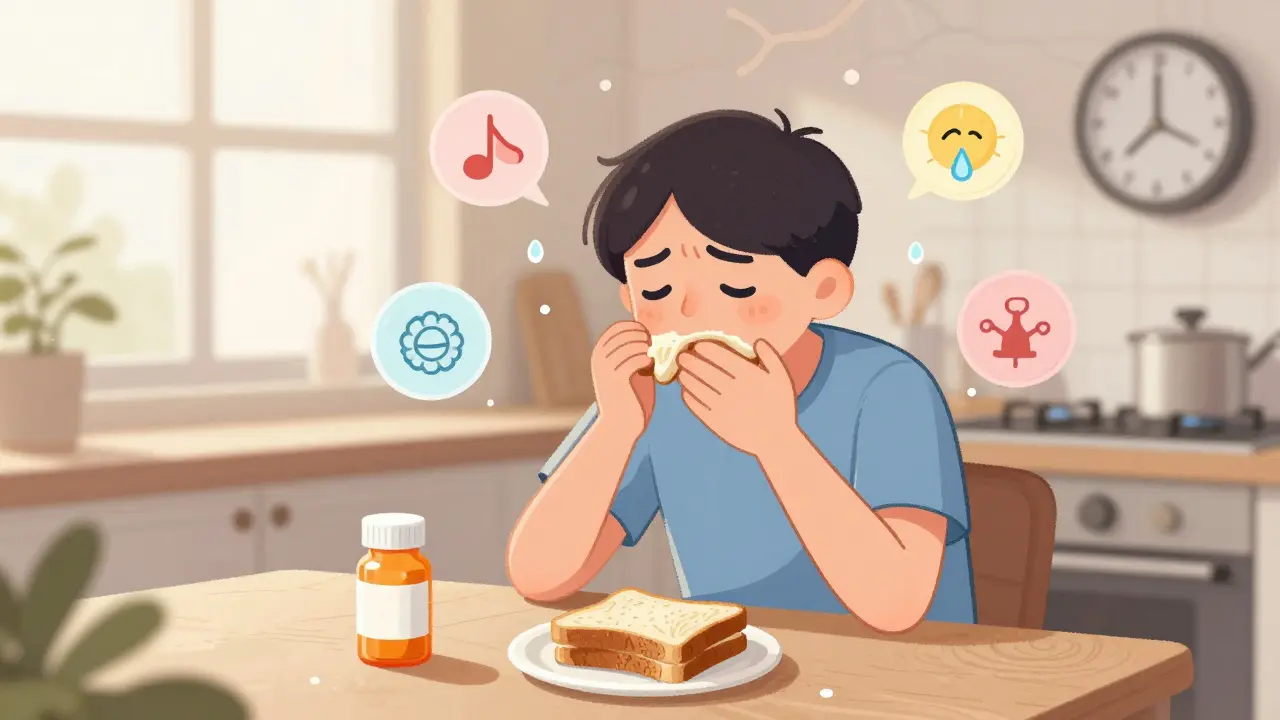
Most people don’t get hit with life-threatening reactions right away. Instead, they get the quiet, persistent annoyances that sneak into daily routines. Nausea hits about half of users in the first week. It’s not always vomiting-sometimes it’s just feeling full after eating half a sandwich. Many find relief by taking their pill with food. One study found that 63% of users who did this saw their nausea drop within days. Drowsiness and fatigue are next. Some feel sluggish, like they’re walking through wet sand. Others get the opposite: insomnia. It’s unpredictable. Fluoxetine tends to keep people awake; paroxetine makes them sleepy. That’s why timing matters. Taking your dose in the morning can help if you’re struggling with sleep. If you’re nodding off at your desk, switching to nighttime dosing might help. Dry mouth, headaches, and dizziness are also common. These usually fade after 2 to 6 weeks as your body adapts. But here’s the catch: if they don’t, you’re not alone. About 55% of patients say these side effects are bothersome enough to consider quitting.Sexual Dysfunction: The Most Common-and Underreported-Problem
Ask anyone who’s been on SSRIs long-term, and sexual side effects will come up. It’s the #1 reason people stop taking them. Up to 70% of users report some form of sexual dysfunction: reduced desire, trouble getting or keeping an erection, delayed or absent orgasm. It’s not just in men. Women report decreased arousal and difficulty reaching climax. Why does this happen? SSRIs overstimulate certain serotonin receptors in the spinal cord and brain, which dampens sexual response. It’s not psychological-it’s biological. And it doesn’t always go away after a few weeks. In fact, 42% of users on Reddit said their sexual issues lasted longer than six months. Some try dose reductions. That helps about 40% of people. Others use medication holidays-skipping doses on weekends-but that’s risky and can trigger withdrawal symptoms. A more reliable fix? Adding sildenafil (Viagra). In a clinical trial, 67% of men saw improvement. Bupropion, another antidepressant that doesn’t affect serotonin, is often added to counteract the problem without losing the mood benefits.Weight Gain: The Slow Burn
You start taking an SSRI to feel better. Then, over months, the scale creeps up. About 49% of users gain weight. It’s not just appetite-your metabolism changes. SSRIs can alter how your body stores fat and processes glucose. Long-term use has been linked to a 24% higher risk of developing insulin resistance, according to the FDA’s 2023 safety update. Fluoxetine and paroxetine are the worst offenders. People on paroxetine report weight gain in over half of reviews on Drugs.com. But it’s not inevitable. A 2023 meta-analysis showed that patients who combined their SSRI with regular exercise and a structured diet gained 3.2 kilograms less over six months than those who didn’t change their lifestyle. It’s not a magic fix-but it’s the best tool we have.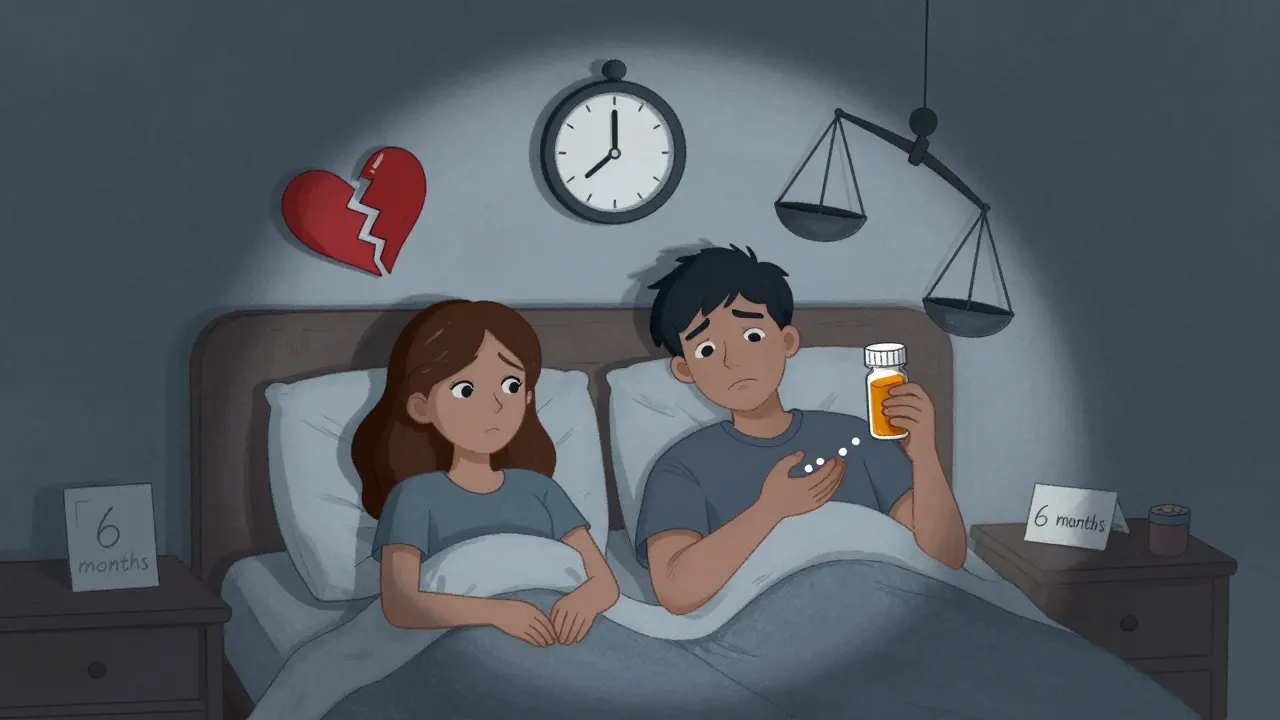
Severe Side Effects: When to Worry
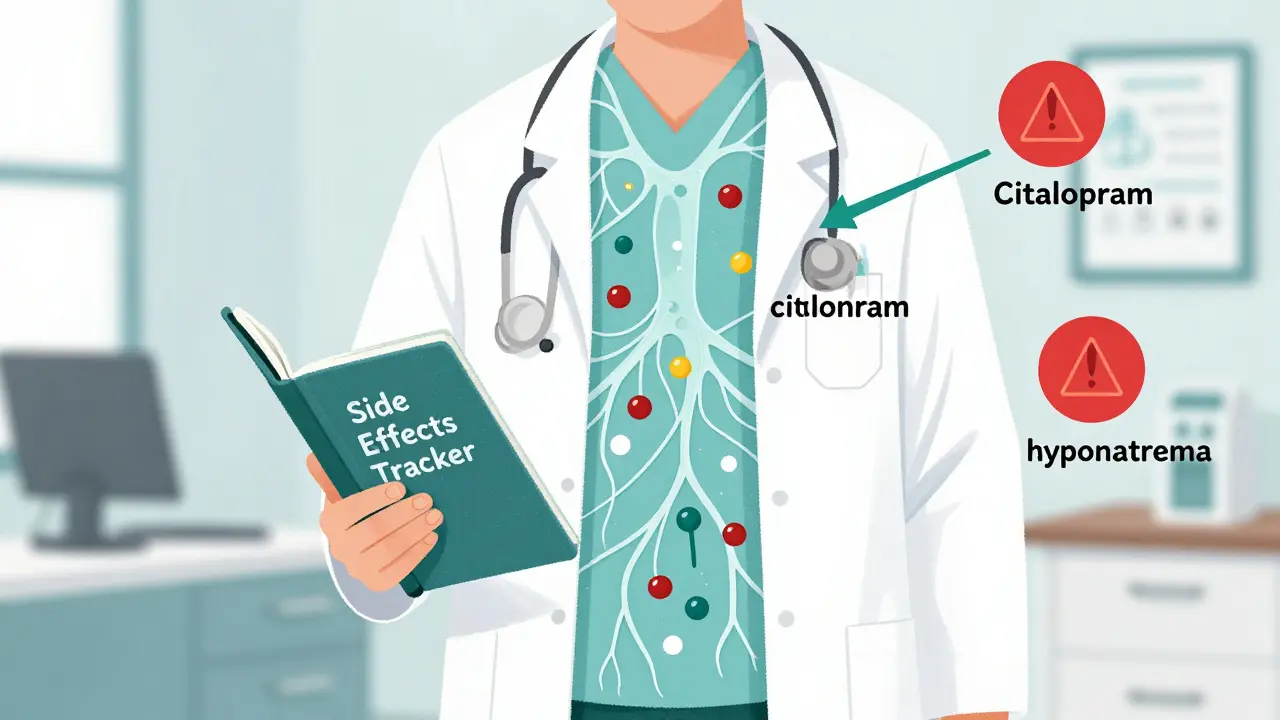
Most side effects fade. But a few are dangerous and need immediate attention. Serotonin syndrome is rare but deadly. It happens when too much serotonin builds up-usually when SSRIs are mixed with other drugs like tramadol, certain migraine meds, or even St. John’s wort. Symptoms start with sweating, shivering, and a fast heartbeat. Then come confusion, muscle rigidity, and fever. If untreated, it can lead to organ failure. If you feel this way after starting a new med or changing doses, go to the ER. Hyponatremia (low sodium in the blood) is another risk, especially in older adults. It can cause nausea, headaches, confusion, and even seizures. Elderly patients, those on diuretics, or with low body weight are at higher risk. Blood tests can catch this early. Extrapyramidal symptoms-like tremors, muscle stiffness, or restlessness (akathisia)-can mimic Parkinson’s. They’re more common in older adults or those with neurological conditions. If you suddenly feel unable to sit still or your limbs feel heavy, tell your doctor. Severe skin reactions like Stevens-Johnson syndrome are extremely rare but life-threatening. If you develop a painful rash, blisters, or peeling skin, stop the medication and seek emergency care.Discontinuation Syndrome: Quitting Too Fast
Stopping an SSRI suddenly can feel like the flu hit you hard. Dizziness, nausea, electric-shock sensations in your head, anxiety, insomnia-these are all signs of withdrawal. It’s not addiction. It’s your brain readjusting. The shorter the half-life of the SSRI, the worse it gets. Paroxetine and fluvoxamine are the worst. Sertraline and escitalopram are milder. The fix? Taper slowly. Cut your dose by no more than 10-25% every 2-4 weeks. Don’t skip days. Don’t guess. Work with your doctor. Most symptoms resolve in 3 weeks, but some linger longer if you quit too fast.Which SSRI Has the Fewest Side Effects?
Not all SSRIs are the same. Some are better tolerated than others.- Citalopram is generally the best tolerated-fewer GI issues and less sexual side effects.
- Fluoxetine (Prozac) lasts longer in the body, so withdrawal is milder, but it can cause insomnia and weight gain.
- Sertraline (Zoloft) is the most prescribed-effective for anxiety and depression, but can reduce appetite and cause diarrhea.
- Paroxetine (Paxil) is the worst for sexual side effects and weight gain.
- Fluvoxamine has the highest discontinuation rate due to side effects.
Real People, Real Experiences
On patient forums, the stories are raw. One woman said she lost 15 pounds on sertraline-then gained back 30 in a year. Another man said he couldn’t have sex for 18 months. He switched to bupropion and got his libido back. A 2022 NAMI survey found 31% of people quit their first SSRI within three months. The top reasons? Nausea (38%), sexual dysfunction (29%), and sleep problems (22%). But those who stuck with it? Most said the benefits outweighed the side effects-once they found the right dose and timing.What Can You Do About It?
You don’t have to suffer in silence. Here’s what works:- Start low, go slow. A lower initial dose reduces early side effects.
- Take with food. Reduces nausea in most cases.
- Time your dose. Morning for energy issues, night for drowsiness.
- Track your symptoms. Keep a journal. Note when side effects start, peak, and fade.
- Ask about alternatives. Bupropion, vortioxetine, or even non-drug options like CBT might help if side effects are too much.
- Use pharmacogenetic testing. Some clinics test your genes to predict how you’ll respond to certain SSRIs. It’s not perfect-but it’s getting better.
The Future: Better SSRIs on the Horizon
Drug companies aren’t ignoring the problem. A new SSRI called Lu AF35700 is in late-stage trials and shows 37% fewer sexual side effects than current options. Researchers are also testing slow-release versions to smooth out serotonin spikes that cause nausea and headaches. Meanwhile, mental health providers are changing how they talk about side effects. In 2023, 78% of psychiatrists said they now spend more time upfront explaining what to expect-not just the benefits. That’s progress.Final Thoughts
SSRIs aren’t perfect. But for many, they’re life-changing. The key isn’t avoiding side effects entirely-it’s managing them smartly. Most mild ones fade. Serious ones are rare but treatable if caught early. Sexual dysfunction and weight gain are real challenges, but not dead ends. With the right adjustments, many people find a balance. If you’re on an SSRI and struggling, don’t assume it’s just ‘in your head.’ Talk to your doctor. There are options. You don’t have to choose between feeling better and feeling like yourself.Do SSRI side effects go away on their own?
Yes, most mild side effects-like nausea, dizziness, and headaches-start within the first week and fade within 2 to 6 weeks as your body adjusts. But some, like sexual dysfunction and weight gain, may persist longer and require active management. If side effects last beyond 6 weeks or worsen, talk to your doctor.
Which SSRI has the least side effects?
Citalopram is generally the best tolerated, with fewer reports of sexual dysfunction, weight gain, and gastrointestinal issues. Fluoxetine and sertraline follow closely, with fluoxetine having a longer half-life that reduces withdrawal symptoms. Paroxetine and fluvoxamine tend to have the most side effects and highest discontinuation rates.
Can SSRIs cause permanent sexual dysfunction?
In rare cases, yes. A condition called Post-SSRI Sexual Dysfunction (PSSD) has been reported where sexual side effects persist for months or years after stopping the medication. While not common, it’s recognized by researchers and patient advocacy groups. If you experience lasting sexual issues after stopping an SSRI, consult a specialist familiar with PSSD.
Is weight gain from SSRIs permanent?
Not necessarily. Weight gain often slows or stops after the first 6 to 12 months. Many people stabilize or even lose weight with diet and exercise. A 2023 meta-analysis showed that structured lifestyle changes can reduce SSRI-related weight gain by over 3 kilograms in six months. Switching to a different antidepressant like bupropion may also help.
How do I safely stop taking an SSRI?
Never stop abruptly. Taper slowly under medical supervision-reduce your dose by 10-25% every 2-4 weeks. SSRIs with short half-lives like paroxetine and fluvoxamine need slower tapers. Symptoms of discontinuation (dizziness, brain zaps, nausea) usually resolve in 2-3 weeks. If symptoms are severe, your doctor may switch you to a longer-acting SSRI like fluoxetine before tapering.
Can SSRIs increase the risk of diabetes?
Yes. The FDA issued a safety update in 2023 noting a 24% increased relative risk of developing insulin resistance and type 2 diabetes with long-term SSRI use. This risk is higher with prolonged use (over 2 years) and in people with other risk factors like obesity or family history. Regular blood sugar monitoring is recommended for those on SSRIs for extended periods.
Are there natural alternatives to SSRIs for depression?
For mild to moderate depression, evidence supports regular exercise, cognitive behavioral therapy (CBT), and light therapy as effective alternatives. Some supplements like St. John’s wort show promise, but they can interact dangerously with SSRIs and should never be combined. Always discuss alternatives with your doctor before making changes.



Solomon Ahonsi
February 3, 2026 AT 02:25 AMThis article reads like a pharmaceutical sales pitch wrapped in a lab coat. They list every possible side effect like it’s a feature list for a new iPhone. Meanwhile, my buddy was on sertraline for six months and ended up in the ER with serotonin syndrome because his doctor didn’t warn him about mixing it with tramadol. You call that ‘rare’? It’s just rare that doctors care enough to tell you.
George Firican
February 4, 2026 AT 18:26 PMThe human brain is not a circuit board you can rewire with a chemical lever. SSRIs don’t ‘fix’ depression-they temporarily recalibrate a system that evolved over millions of years to respond to social connection, sunlight, movement, and meaning. When we treat a spiritual and existential crisis like a neurotransmitter imbalance, we’re not healing-we’re pharmacologically numbing the signal of a deeper disconnection. The side effects aren’t bugs; they’re the system screaming that something’s fundamentally wrong with how we’re treating pain.
Matt W
February 6, 2026 AT 09:41 AMI’ve been on escitalopram for 3 years. The nausea went away in 10 days. The insomnia? Still there, but I’ve learned to live with it. The sexual stuff? Yeah, that sucked for about a year. Then I started working out again and switched to taking it at night. Not perfect, but I’m functional. And honestly? I’d take the side effects over the black hole of depression any day. It’s not a cure, but it’s a lifeline.
Anthony Massirman
February 6, 2026 AT 13:34 PMSexual dysfunction is the real reason people quit. No one talks about it enough. Just say it: your libido dies. Period.
Brittany Marioni
February 7, 2026 AT 08:49 AMPLEASE note: weight gain isn't inevitable. I gained 12 pounds on paroxetine-then I started walking 45 minutes daily and tracking my carbs. Lost it all in 5 months. Also, take it with food. Always. And don't stop cold turkey. I learned that the hard way. You're not weak-you're human.
Dan Pearson
February 7, 2026 AT 15:31 PMOh wow, a whole article about SSRIs and not one mention of how Canadians and Americans are basically pharmaceutical guinea pigs? We’ve got more antidepressants per capita than any other country-except maybe Iceland, and they have 20 hours of darkness. We’re not sick-we’re just lazy and overmedicated. Go outside. Talk to a friend. Drink water. Radical concept, I know.
Marc Durocher
February 9, 2026 AT 04:11 AMReal talk: the doctors who prescribe these don’t even read the damn studies. I had my GP hand me a script for sertraline after a 7-minute chat. Meanwhile, the FDA’s 2023 update on insulin resistance? Never mentioned. You’re not just managing side effects-you’re playing Russian roulette with your metabolism. And they wonder why people don’t trust medicine anymore.
larry keenan
February 10, 2026 AT 01:39 AMIt is imperative to underscore that the pharmacokinetic profiles of SSRIs exhibit significant inter-individual variability due to cytochrome P450 polymorphisms. Consequently, the temporal onset and severity of adverse effects are not uniformly distributed across the population. Clinical guidelines recommend therapeutic drug monitoring in cases of persistent intolerance, particularly in elderly cohorts with polypharmacy risk factors.
Nick Flake
February 11, 2026 AT 15:50 PMWhen I started on fluoxetine, I felt like my soul was being gently squeezed by a giant invisible hand. The nausea? Yeah. The brain zaps when I quit? Oh god. But then… I started to feel like ME again. Not numb. Not wired. Just… me. And now? I run marathons. I hug my mom. I cry during dog commercials. SSRIs didn’t fix me-they gave me back the space to heal. 🙏
Akhona Myeki
February 12, 2026 AT 12:34 PMAs a citizen of South Africa, I find it profoundly disingenuous that this discourse is framed entirely within a Western biomedical paradigm. In many African communities, mental distress is understood through relational, spiritual, and communal frameworks-not chemical imbalances. To reduce human suffering to neurotransmitter ratios is not science-it is epistemic colonialism.
Brett MacDonald
February 13, 2026 AT 18:39 PMso like… i took zoloft for 8 months and my dick just… stopped working. like, for real. i thought i was broken. turns out its just the drug. then i switched to bupropion and now i can get it up and also i dont feel like a zombie. also i lost 10 lbs. weird right?