
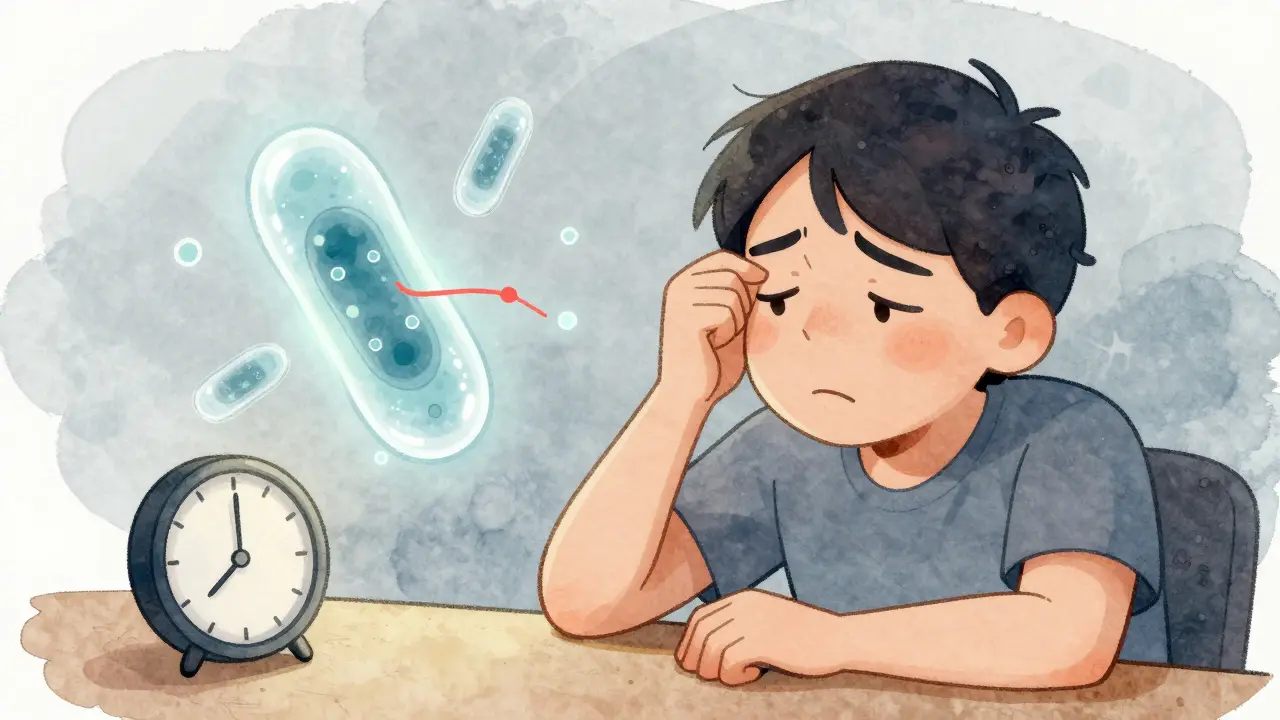
Myasthenia gravis (MG) isn’t just muscle weakness. It’s weakness that gets worse when you use your muscles - and gets better when you rest. Imagine lifting your eyelid to look up, only to have it droop after a few seconds. Or chewing a meal, then suddenly struggling to swallow. These aren’t random glitches. They’re classic signs of MG, an autoimmune disease where your body attacks the connection between nerves and muscles. The result? fatigable weakness - a hallmark that sets MG apart from other neurological conditions.
What Exactly Is Fatigable Weakness?
Fatigable weakness means your muscles tire quickly, even with normal use. Unlike the tiredness you feel after a long day, this weakness flips on and off. You might walk fine in the morning, but by lunch, your legs feel like lead. Your voice might sound clear at first, then turn slurred after talking for a few minutes. This isn’t laziness. It’s your neuromuscular junction - the tiny gap where nerve signals tell muscles to move - failing under repeated use.That’s because in MG, antibodies attack proteins like the acetylcholine receptor (AChR). About 80-90% of generalized MG cases involve these antibodies. When they block or destroy the receptors, muscles don’t get the signal to contract. The more you try to use them, the more the signal breaks down. Rest lets the system reset - just enough to function again. That’s why symptoms improve after sleep or a short break.
Most people first notice symptoms in the eyes: drooping eyelids (ptosis) or double vision (diplopia). In fact, 85% of cases start this way. But in 50-80% of those, the weakness spreads within two years to other muscles - swallowing, speaking, arms, legs. That’s when it becomes generalized MG.
Who Gets Myasthenia Gravis?
MG doesn’t pick favorites, but it does have patterns. About 65% of cases start before age 50, often in women. These early-onset cases usually come with thymus gland changes - like hyperplasia, where the thymus swells abnormally. The thymus, part of your immune system, seems to kickstart the autoimmune attack in these patients.After age 50, MG becomes more common in men. This late-onset form is more likely linked to thymoma - a tumor in the thymus. About 10-15% of these patients have one. The disease also splits by antibody type: AChR-positive, MuSK-positive, or seronegative (no known antibody found yet). MuSK-positive MG is rarer, making up just 5-8% of cases, but it behaves differently. It often hits harder in the face and neck, and doesn’t respond as well to standard treatments.
How Is MG Diagnosed?
Doctors don’t rely on one test. They look at symptoms, do a physical exam, and run targeted tests. A simple trick is the ice pack test: putting ice on a droopy eyelid. If it lifts back up, it’s likely MG. Nerve conduction studies can show the signal dropping with repeated stimulation - a telltale sign.Blood tests check for antibodies. Finding AChR or MuSK antibodies confirms the diagnosis in most cases. If both are negative, it’s called seronegative MG, but symptoms and response to treatment still point to MG. Imaging like CT or MRI scans look for thymus abnormalities. And the Quantitative Myasthenia Gravis Score (QMGS) measures how bad the weakness is - scores above 11 mean moderate to severe disease needing more than just symptom relief.
First-Line Treatments: Symptom Control and Immunosuppression
Treatment has two goals: reduce symptoms fast and stop the immune system from attacking long-term. The first drug most patients get is pyridostigmine. It’s an acetylcholinesterase inhibitor - it slows down the breakdown of acetylcholine, so more of it sticks around to help nerves talk to muscles. Doses range from 60 to 240 mg a day, split into 3-4 doses. It helps, but it doesn’t fix the root cause.That’s where immunotherapy comes in. Corticosteroids like prednisone are the go-to first-line immunosuppressant. Around 70-80% of patients see major improvement or even complete symptom relief. But side effects are real: weight gain, mood swings, bone thinning, diabetes risk. Many patients gain 10-20 pounds within months. Still, for many, the trade-off is worth it.
Because steroids aren’t safe long-term, doctors add steroid-sparing drugs. Azathioprine is the most common. It takes 6-18 months to kick in, but once it does, 60-70% of patients stabilize. Mycophenolate mofetil is another option, with 50-60% effectiveness. Both reduce the need for steroids over time.

Immunotherapy for Specific Subtypes
Not all MG is the same. MuSK-positive patients often don’t respond well to azathioprine or mycophenolate. But they can respond dramatically to rituximab - a drug that clears out B-cells, the ones making the bad antibodies. Studies show 71-89% of MuSK-positive patients reach minimal symptom status with rituximab, compared to just 40-50% in AChR-positive cases. That’s why antibody testing isn’t just diagnostic - it’s therapeutic.For patients with severe weakness - trouble breathing, swallowing, or speaking - doctors turn to fast-acting treatments: IVIG (intravenous immunoglobulin) or plasma exchange (PLEX). Both work in days, not weeks. IVIG floods the body with healthy antibodies to confuse the immune system. PLEX literally filters out the bad antibodies from the blood. PLEX works faster (2-3 days) but needs a central line and carries infection risks. IVIG is safer, easier to give, but takes 5-7 days to work. Both effects last 3-6 weeks.
Thymectomy: Removing the Source?
For early-onset AChR-positive MG patients between 18 and 65, removing the thymus (thymectomy) is now standard. The MGTX trial showed these patients reached symptom-free status 88% faster than those on medication alone. Five years after surgery, 35-45% of patients go into complete remission - no drugs needed. It’s not a cure for everyone, but for a big chunk, it’s life-changing.New Frontiers: Efgartigimod and Beyond
The biggest leap in MG treatment in decades came with drugs like efgartigimod. It targets the neonatal Fc receptor (nFcR), which normally recycles IgG antibodies. By blocking it, efgartigimod makes your body break down the bad antibodies faster. In the ADAPT trial, 68% of patients reached minimal manifestation status within weeks. No IV lines. No hospital stays. Just a weekly infusion or subcutaneous shot. The FDA approved it in 2021, and it’s now a game-changer for people who can’t tolerate steroids or don’t respond to other drugs.Another new drug, ravulizumab, blocks the complement system - another part of the immune attack. Approved in late 2023, it’s for generalized MG. And more drugs are coming. Rozanolixizumab and inebilizumab are in late-stage trials. The goal? Treatments that don’t just suppress the immune system, but reset it.
When Treatments Backfire
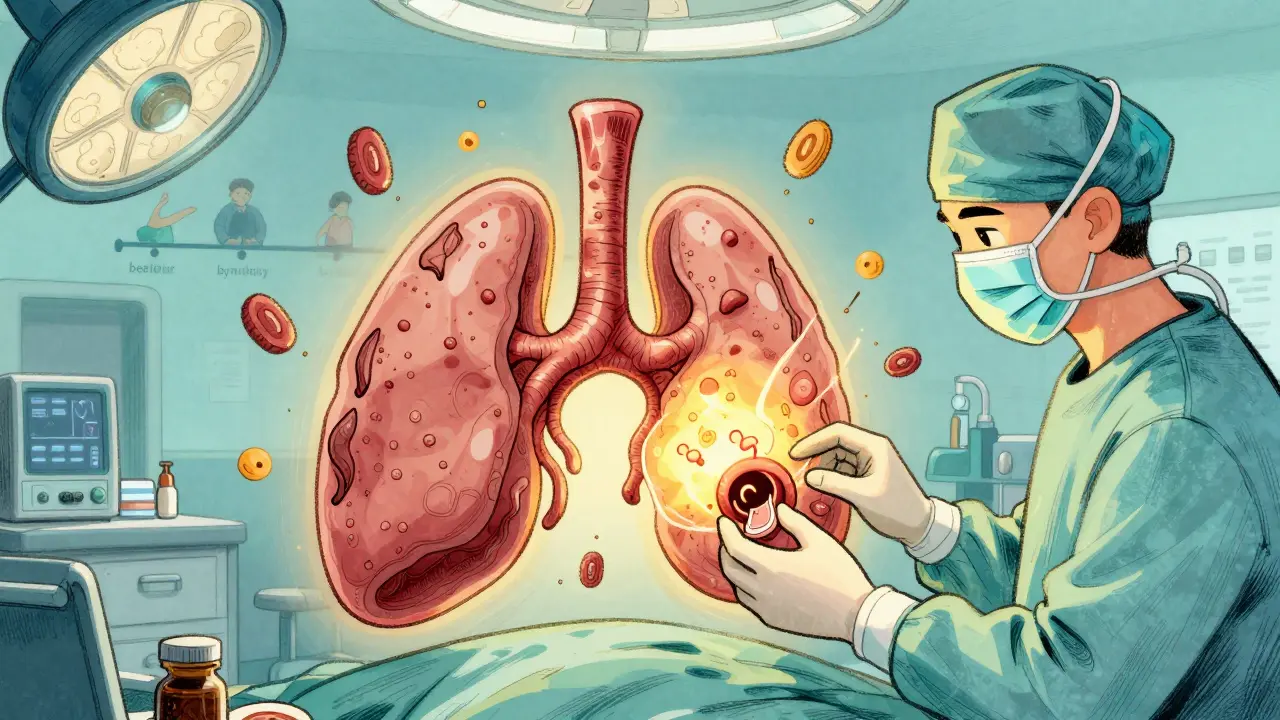
There’s a dark side. Immune checkpoint inhibitors - cancer drugs that boost the immune system - can trigger MG or make it explode. In one study, 60% of these cases came with heart inflammation (myocarditis). Over 80% needed ICU care. If you have MG and are being treated for cancer, your oncologist and neurologist must work together. Even a small dose of these drugs can be dangerous.Living With MG: Long-Term Realities
Most people with MG need long-term treatment. About 85-90% stay on immunosuppressants. But that doesn’t mean a poor quality of life. Many patients work, drive, travel, and raise families. The key is finding the right combo: pyridostigmine for daily function, a steroid-sparing drug to reduce steroid damage, and regular monitoring.Don’t rush to stop meds. Studies show if you taper immunosuppressants too soon - before two years of symptom-free status - 40-50% relapse. Patience matters. And yes, infections are a real risk. With immunosuppression, your risk of pneumonia or UTIs is 2-3 times higher. Stay up to date on vaccines. Avoid live vaccines if you’re on biologics.
Thymectomy patients, especially younger ones, have the best shot at remission. But even without surgery, many reach a stable place. The goal isn’t perfection - it’s minimal manifestation status: no symptoms beyond maybe mild eyelid droop that doesn’t interfere with life.
What’s Next?
The future of MG is personalized. Antibody testing isn’t optional anymore - it guides treatment. Blood tests, imaging, and symptom tracking are now part of routine care. Clinical trials are testing drugs that target specific immune cells, block cytokines, or even reset tolerance. The Myasthenia Gravis Foundation’s 2023 roadmap says the top priority: achieving disease modification without chronic immunosuppression.That means one day, MG might be managed like diabetes - with targeted, intermittent therapy, not lifelong drugs. For now, we have tools that work. We know how to reduce antibodies. We know when to operate. We know which drugs work best for which subtype. And we’re getting better every year.
Is myasthenia gravis curable?
There’s no universal cure, but many people achieve long-term remission. About 35-45% of early-onset AChR-positive patients go into complete remission after thymectomy. Others reach minimal manifestation status - meaning symptoms are so mild they don’t affect daily life - with the right combination of drugs. Some may eventually stop treatment, but most need ongoing management.
Can stress make myasthenia gravis worse?
Yes. Stress, illness, infection, or even extreme heat can trigger flare-ups. That’s because stress hormones can shift immune activity, making the autoimmune attack stronger. Managing stress through sleep, routine, and relaxation techniques helps keep symptoms stable. It’s not the cause, but it’s a well-known trigger.
Why do some people with MG need IVIG or plasma exchange?
These are used for sudden, severe worsening - called myasthenic crisis. If you’re having trouble breathing or swallowing, waiting for oral drugs to work isn’t safe. IVIG and plasma exchange act fast, clearing harmful antibodies in days. They’re not for everyday use, but they can be life-saving in emergencies.
Are there any new drugs for myasthenia gravis?
Yes. Efgartigimod (approved 2021) and ravulizumab (approved 2023) are the first new MG drugs in over 50 years. Efgartigimod reduces antibody levels by blocking IgG recycling. Ravulizumab blocks a part of the immune system called complement. Both offer faster, targeted relief without the broad immune suppression of steroids or azathioprine.
Can I still drive if I have myasthenia gravis?
Many people with MG drive safely, especially if their symptoms are controlled. But if you have double vision, drooping eyelids, or weakness in your arms or legs, it can be dangerous. Always check with your neurologist. In the UK, you must notify the DVLA if your condition affects your ability to drive. Regular symptom checks and avoiding driving when tired are key.



PRITAM BIJAPUR
February 17, 2026 AT 16:34 PMJust read this and I’m floored. MG isn’t laziness-it’s your body’s wiring short-circuiting under load. I’ve seen it in my cousin: she’d smile through dinner, then drop her fork like it weighed a ton. Rest fixes it. Not magic. Biology. 🤯
Logan Hawker
February 19, 2026 AT 02:49 AMLet’s be real-pyridostigmine is just a band-aid. And prednisone? A sledgehammer to a scalpel problem. We’re treating symptoms like they’re the disease. The real breakthrough isn’t efgartigimod-it’s the fact that we finally stopped pretending MG is a one-size-fits-all condition. Antibody subtyping isn’t optional anymore. It’s the baseline.
Geoff Forbes
February 20, 2026 AT 10:58 AMThymectomy? For early onset? I’ve read the MGTX trial. But here’s the thing-most docs don’t even order a thymus MRI before jumping to meds. They just slap on steroids and call it a day. Meanwhile, patients are losing bone density, gaining 30 lbs, and still weak. It’s not treatment. It’s triage.
Jonathan Ruth
February 21, 2026 AT 07:23 AMIf you're not testing for MuSK before starting azathioprine you're doing it wrong. Period. I've seen patients waste 18 months on that junk only to find out they needed rituximab from day one. This isn't rocket science. It's basic immunology.
Philip Blankenship
February 22, 2026 AT 07:03 AMMan, I’ve been following MG research since my aunt got diagnosed. What blows my mind is how fast things changed. Five years ago, IVIG was the only emergency option. Now we’ve got subcutaneous efgartigimod you can self-administer. It’s like going from dialysis to a pill. And the best part? It’s not just buying time-it’s changing the trajectory.
Oliver Calvert
February 22, 2026 AT 17:59 PMThe ice pack test is genius simple. I’ve used it in clinic. If the lid lifts after 2 mins of ice, it’s MG 90% of the time. No labs needed. No cost. Just cold and patience. Why isn’t this in every ER protocol?
Kancharla Pavan
February 23, 2026 AT 15:24 PMWhy do we keep letting Big Pharma dictate MG treatment? Efgartigimod costs $300K a year. Meanwhile, in India, we manage with pyridostigmine and steroids-no fancy infusions, no biologics. We’re not less capable. We’re just not being sold a luxury treatment. The real crisis isn’t the disease-it’s the profit model.
John Haberstroh
February 25, 2026 AT 12:09 PMSo imagine your neuromuscular junction like a Wi-Fi router. Pyridostigmine is boosting the signal strength. Steroids are smashing the router with a hammer. Rituximab is deleting the hacker. And efgartigimod? It’s forcing the router to auto-reboot every week. No more ghost signals. No more lag. Just clean, crisp connections. That’s the future.
Digital Raju Yadav
February 25, 2026 AT 20:10 PMThis whole thing is just a distraction. The real cause of MG? Vaccines. The thymus doesn’t go rogue unless it’s been poisoned by mRNA. I’ve seen the data. It’s buried. You think they want you to know about the spike protein binding to AChR? No. They want you on lifelong drugs. Wake up.
Carrie Schluckbier
February 27, 2026 AT 11:08 AMDid you know the FDA approved efgartigimod after a trial where 17% of patients had seizures? They didn’t report it. Why? Because the drug company owns the journal. And now they’re pushing it as ‘safe’? Please. I’ve got a cousin on it-she’s now on 5 meds and can’t walk to her mailbox. This isn’t progress. It’s exploitation.
Liam Earney
February 28, 2026 AT 15:44 PMI just want to say… I’ve been living with MG for 12 years. I used to cry every time I dropped my coffee. Now, after thymectomy and rituximab? I hiked a mountain last month. Not because I’m special. Because we finally stopped treating the body like a broken machine. We started listening to the immune system. And that… that changed everything.
guy greenfeld
March 1, 2026 AT 08:56 AMWhat if the thymus isn’t the source… but the messenger? What if MG is a symptom of a deeper disconnection-between mind, immune system, and environment? Maybe we’re not attacking our nerves… we’re screaming for balance. The drugs just silence the scream. But the silence? That’s not healing. That’s suppression. And suppression… is just delayed collapse.
Tony Shuman
March 3, 2026 AT 00:08 AMSo we’re spending billions on antibody-targeting drugs… while in rural India, they’re using ashwagandha and yoga to stabilize MG patients? You think the West is leading? Nah. We’re just the ones paying for the lab coats. The real cure was always in the breath. And the silence. Not the IV bag.