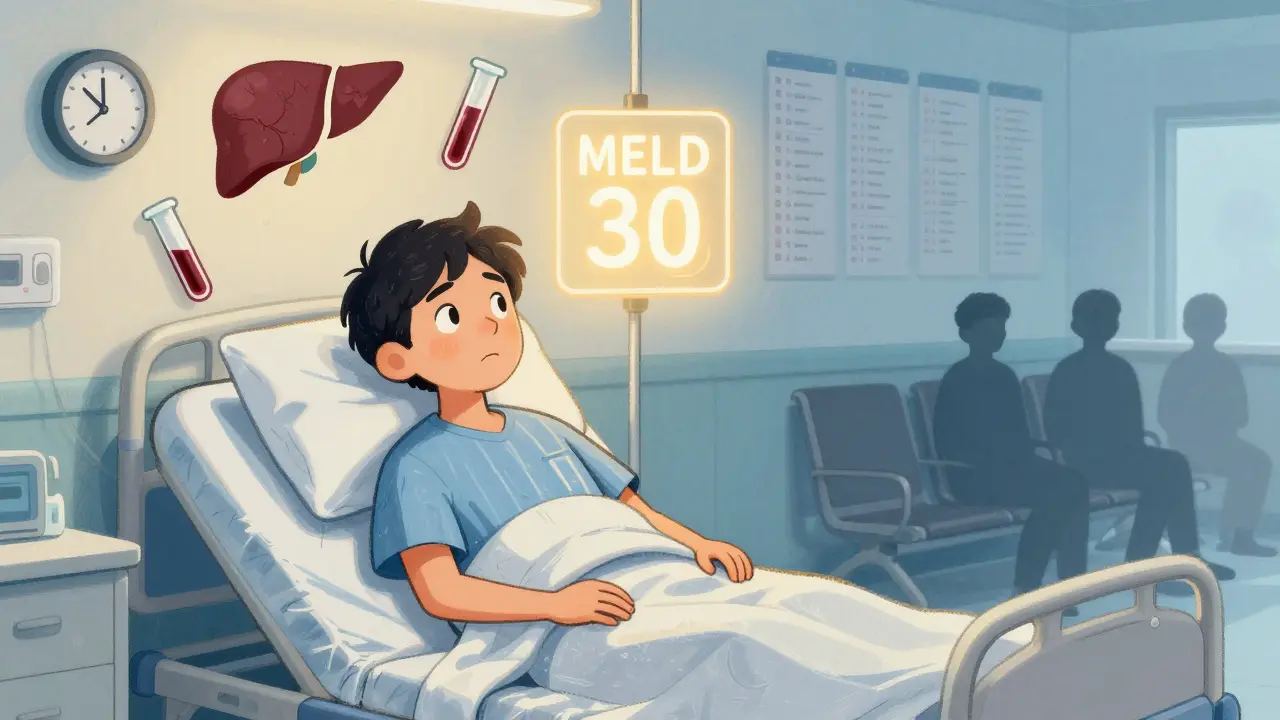
Learn how liver transplantation works-from eligibility rules and surgical procedures to lifelong immunosuppression and recovery. Understand what it takes to get a new liver and stay alive after.
read more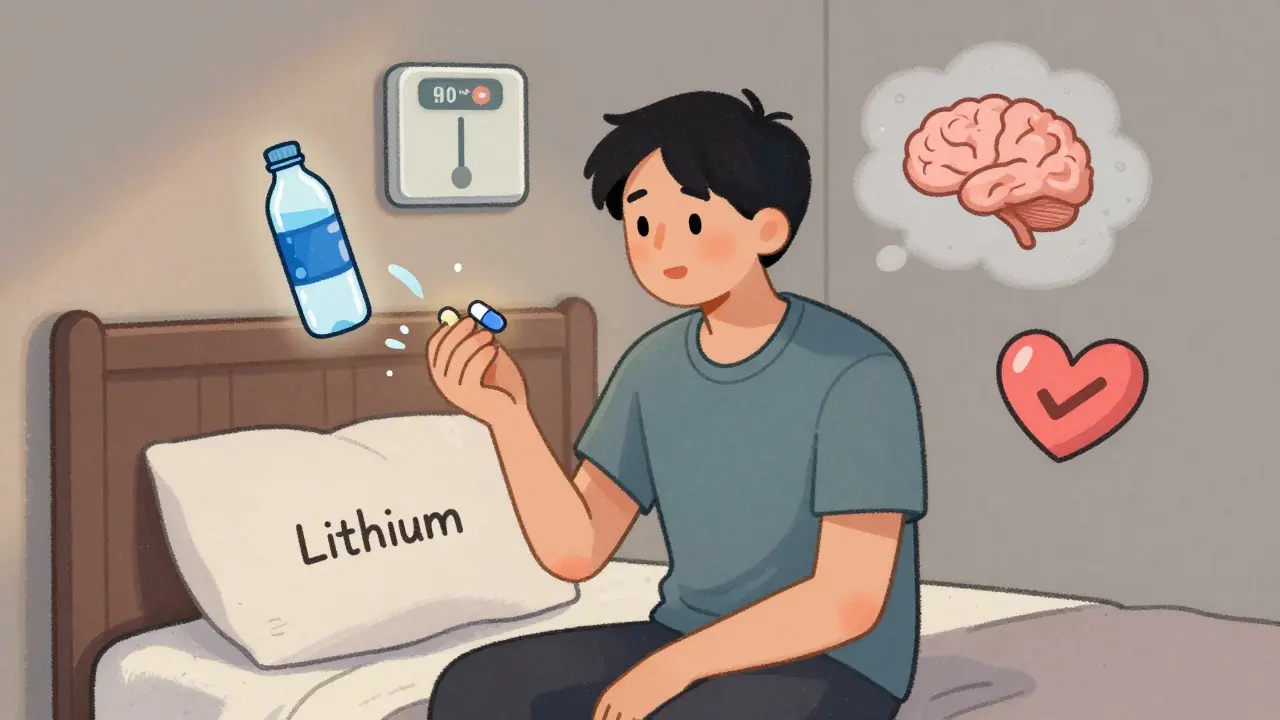
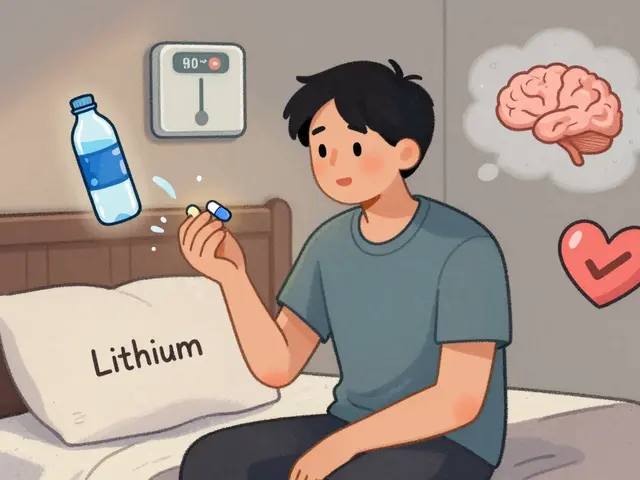
Mood stabilizers and antipsychotics are the backbone of bipolar disorder treatment, but side effects like weight gain, fatigue, and cognitive fog cause many to quit. This guide breaks down what works, what doesn't, and how to find the right balance for long-term stability.
read more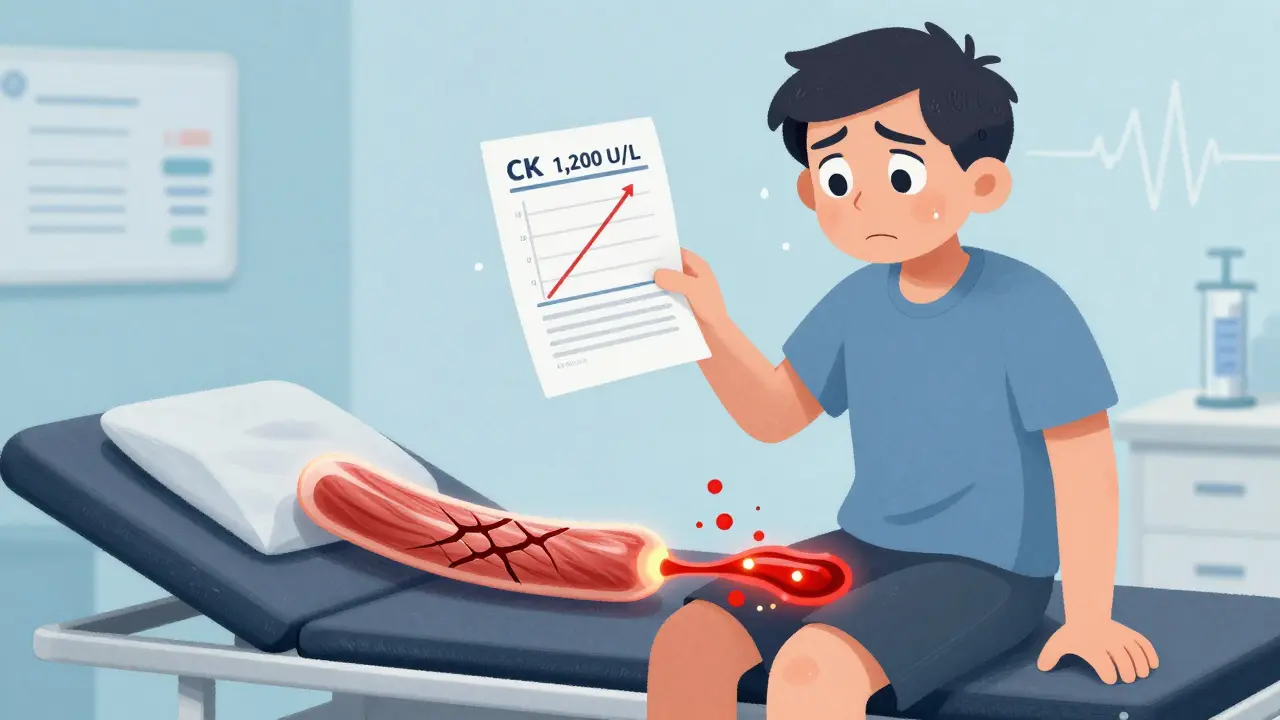
Daptomycin is effective against serious infections like MRSA but can cause muscle damage. Learn how to spot symptoms early, why CK monitoring is critical, who’s at highest risk, and how to prevent permanent harm.
read more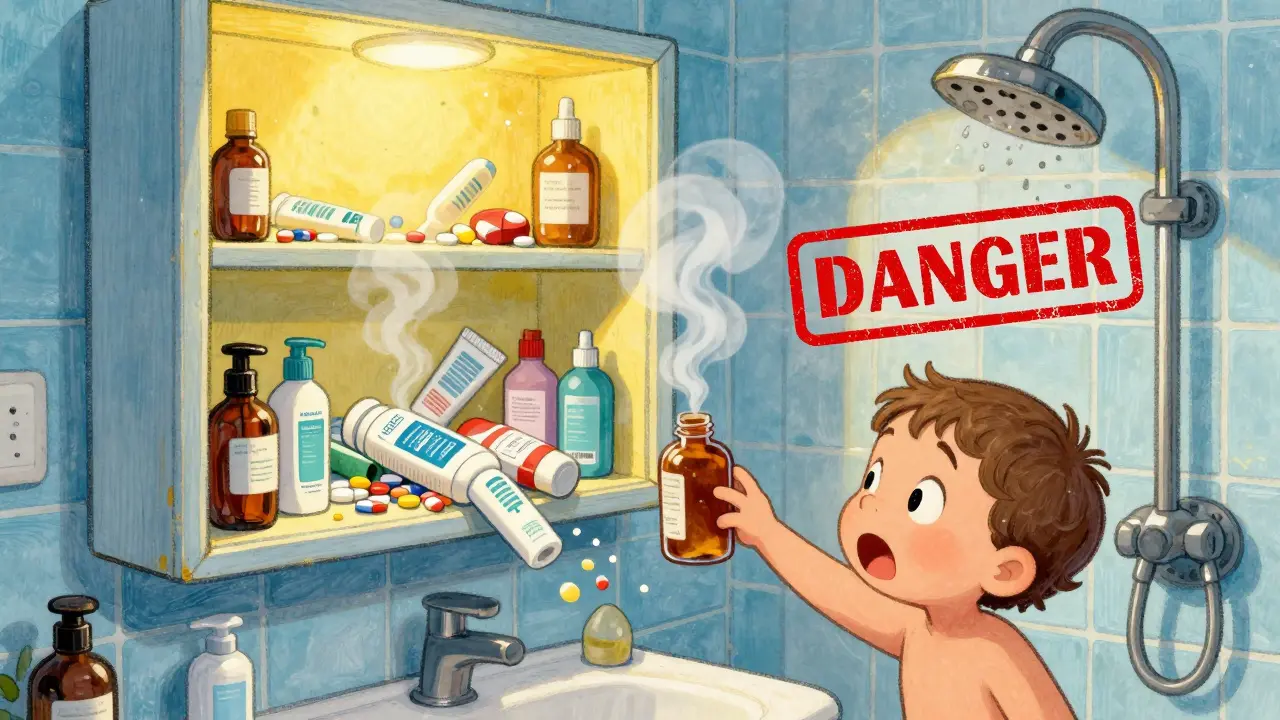
Create a simple, effective home medication storage checklist to prevent accidents, keep drugs potent, and protect kids and seniors. Learn where to store meds, how to check expiration dates, and the safest way to dispose of old pills.
read more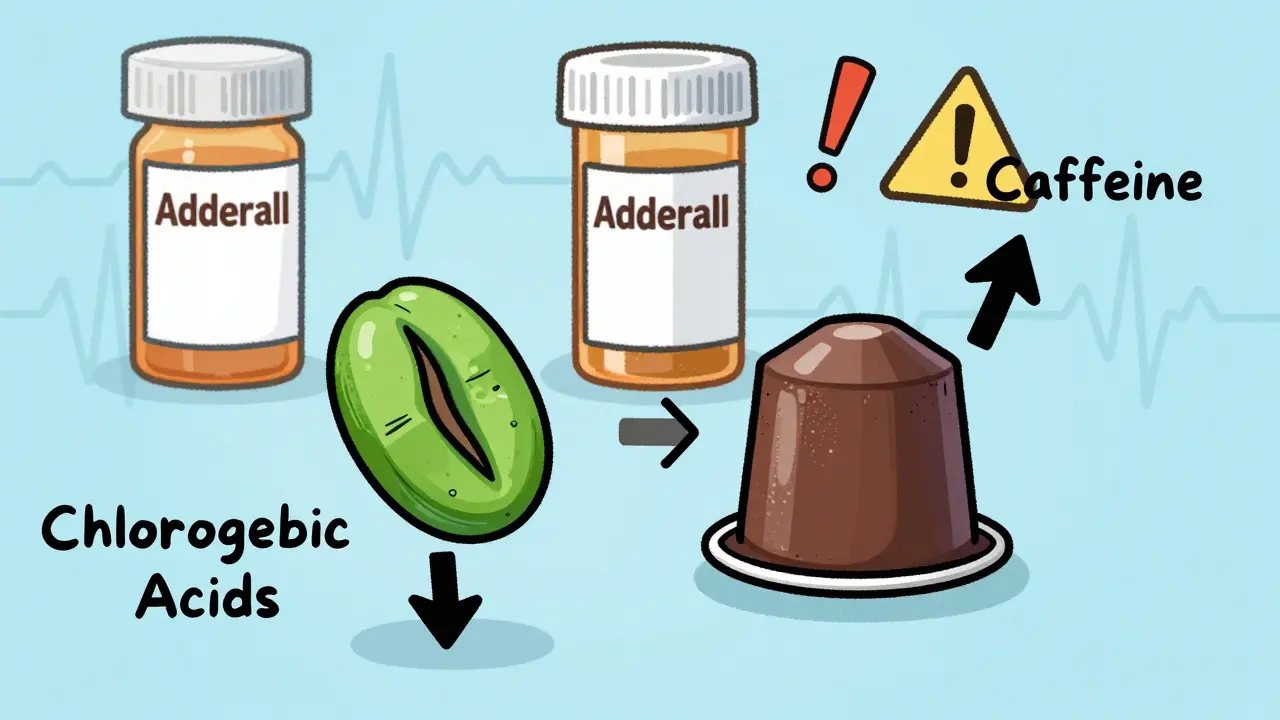
Green coffee extract may lower blood pressure, but when mixed with stimulant medications like Adderall or Vyvanse, it can cause dangerous swings. Learn why experts warn against combining them and what to do if you're already using both.
read more
Discover proven, safer alternatives to opioids for managing chronic and acute pain - from exercise and CBT to new FDA-approved meds like suzetrigine. No addiction risk. Real results.
read more
Discover how ACA plans work in 2026, including premium tax credits, essential health benefits, and what’s changing under new rules. Learn who qualifies, how to save money, and why millions still rely on Marketplace coverage.
read more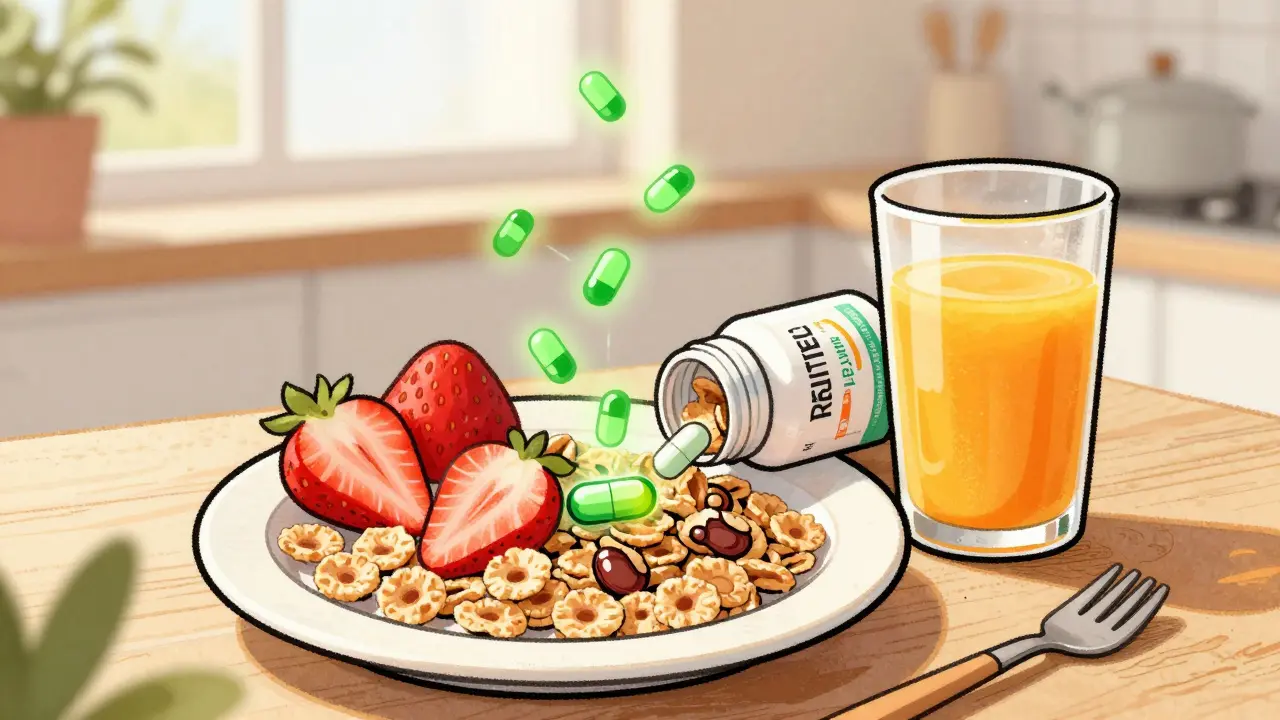
Learn how vitamin C boosts iron absorption from plant foods and how to avoid common drug interactions that block its effectiveness. Simple, science-backed tips for better results.
read more
Learn how to file a direct complaint with the FDA about adverse reactions, product failures, or use errors with medications, devices, or supplements. Your report helps protect others.
read more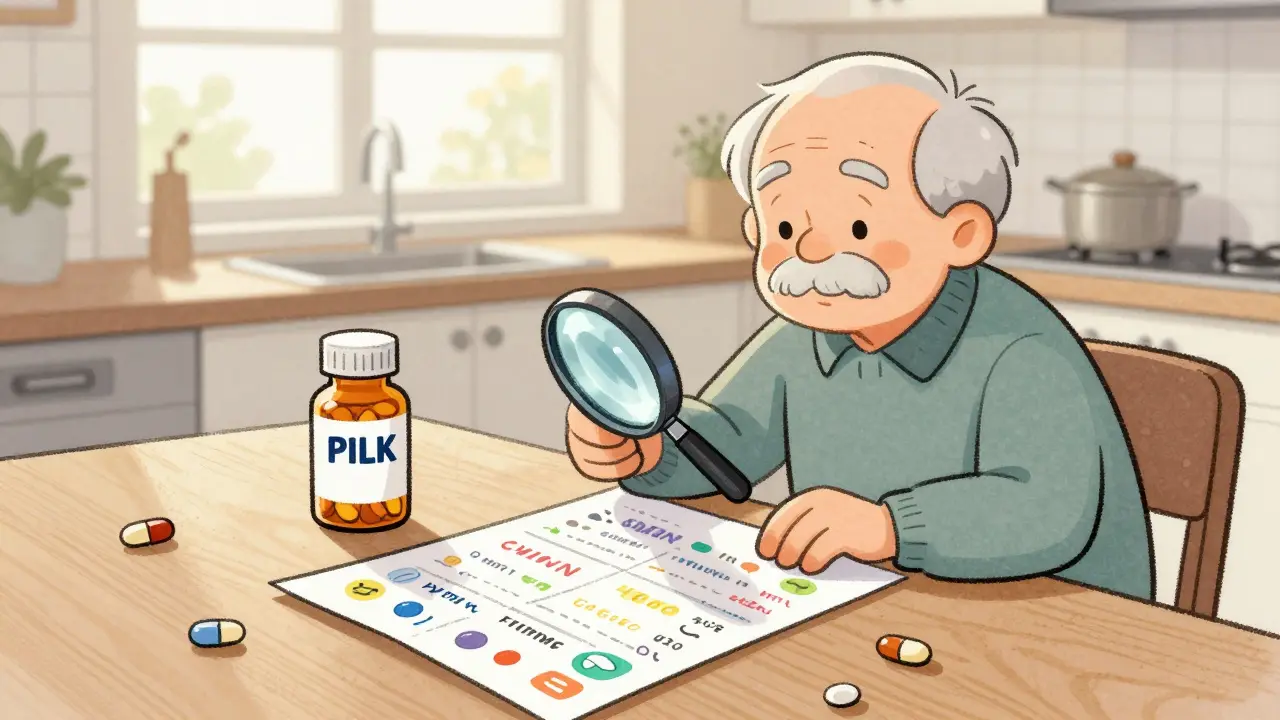
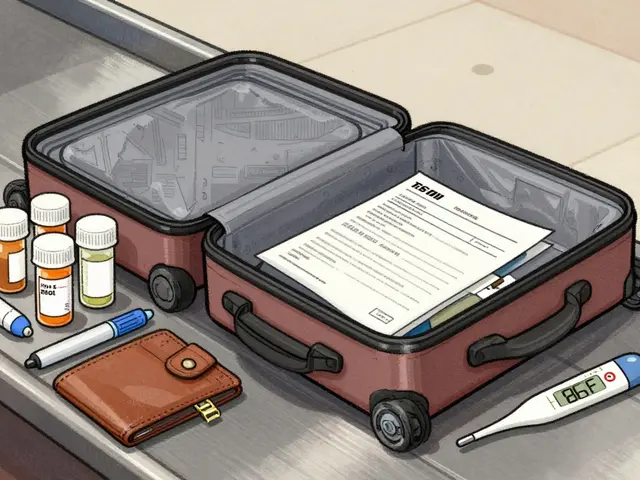
Learn practical, evidence-based tips for safely managing long-term medications for chronic conditions. Avoid dangerous interactions, improve adherence, and reduce risks of side effects and hospitalization.
read more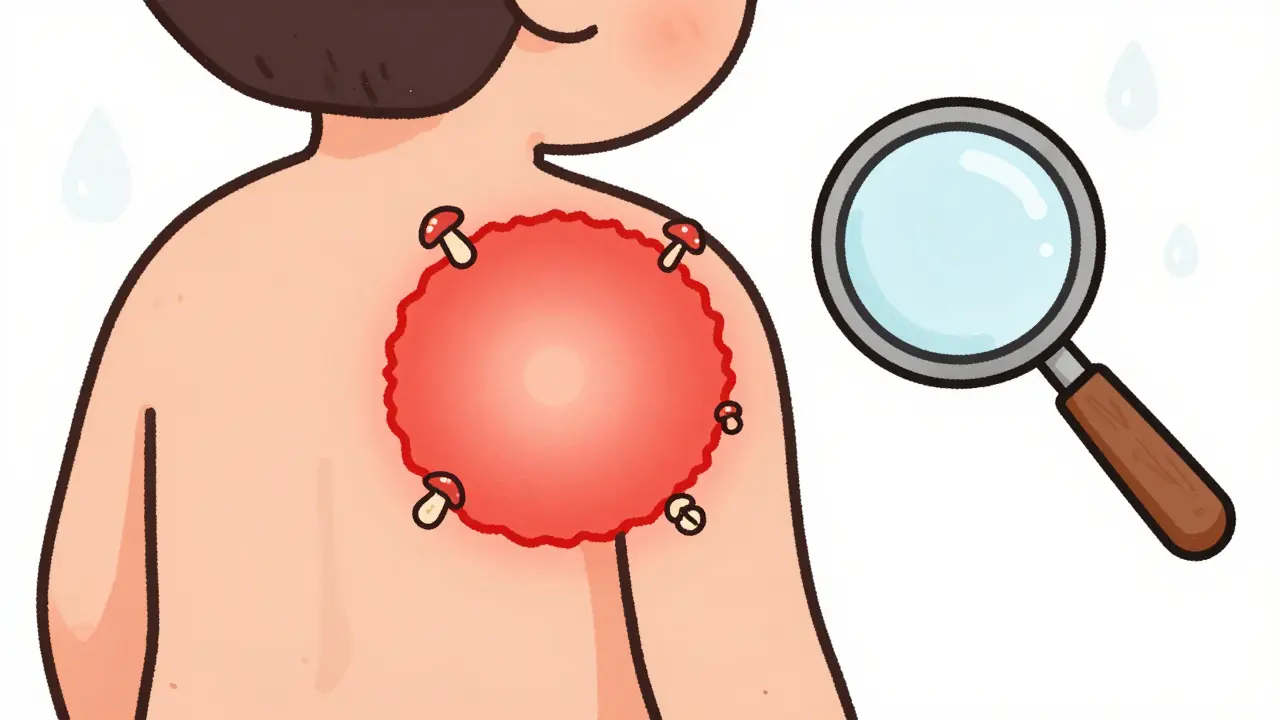
Ringworm, or tinea, is a common fungal skin infection that causes itchy, ring-shaped rashes. Learn how to identify it, which antifungal creams work best, and how to prevent it from coming back.
read more
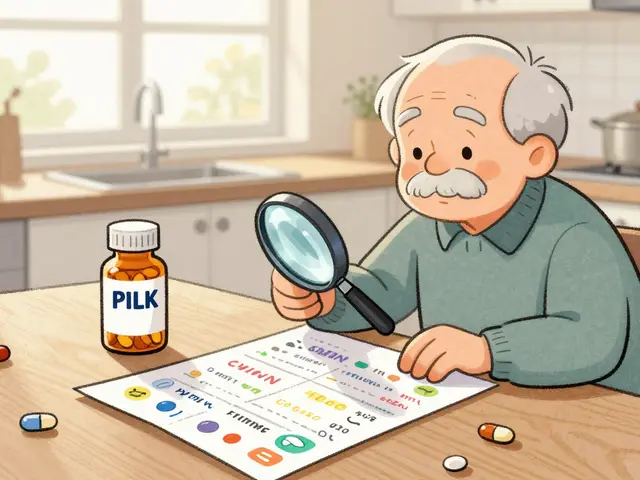
Generic medications are just as effective as brand-name drugs for most people - but differences in inactive ingredients can cause side effects or make you feel off. Here’s what’s inside your pill and what to do if it doesn’t feel right.
read more