
Discover proven, safer alternatives to opioids for managing chronic and acute pain - from exercise and CBT to new FDA-approved meds like suzetrigine. No addiction risk. Real results.
read more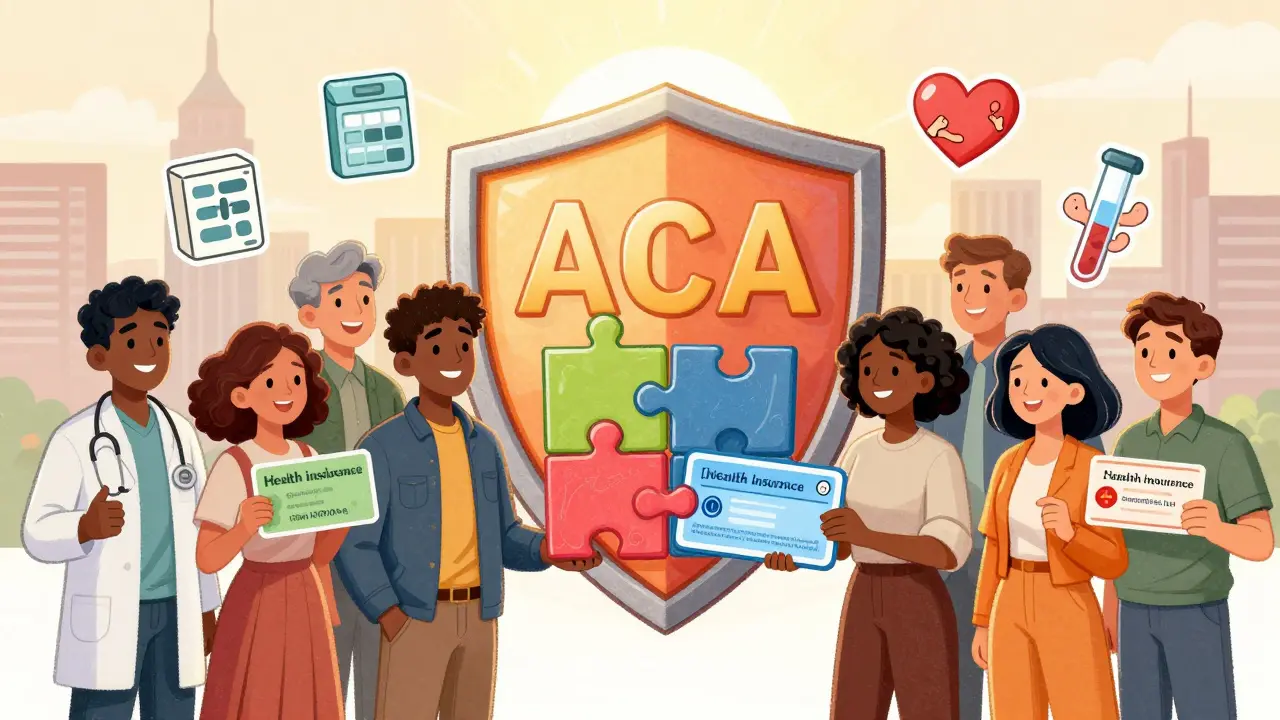
Discover how ACA plans work in 2026, including premium tax credits, essential health benefits, and what’s changing under new rules. Learn who qualifies, how to save money, and why millions still rely on Marketplace coverage.
read more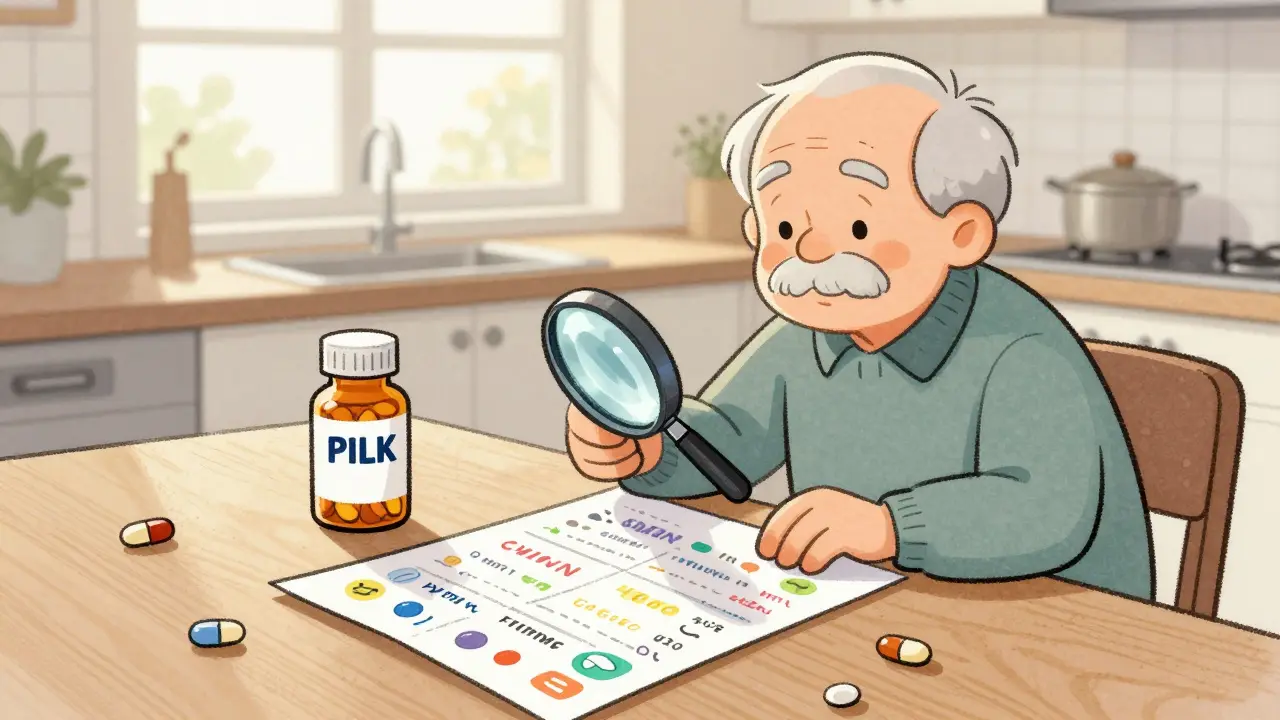
Learn practical, evidence-based tips for safely managing long-term medications for chronic conditions. Avoid dangerous interactions, improve adherence, and reduce risks of side effects and hospitalization.
read more
Generic medications are just as effective as brand-name drugs for most people - but differences in inactive ingredients can cause side effects or make you feel off. Here’s what’s inside your pill and what to do if it doesn’t feel right.
read more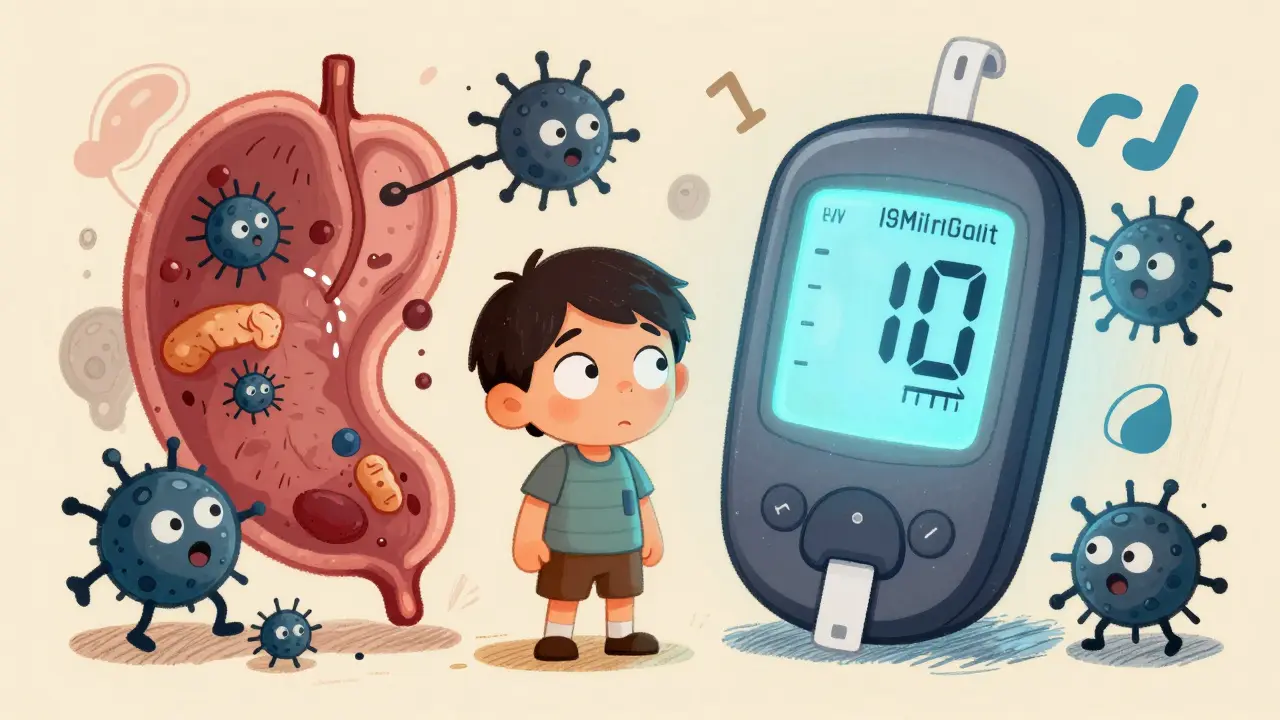
Type 1 diabetes requires lifelong insulin therapy. Learn the key symptoms, how it's diagnosed with blood tests and autoantibodies, and the latest insulin delivery options including pumps and hybrid closed-loop systems.
read more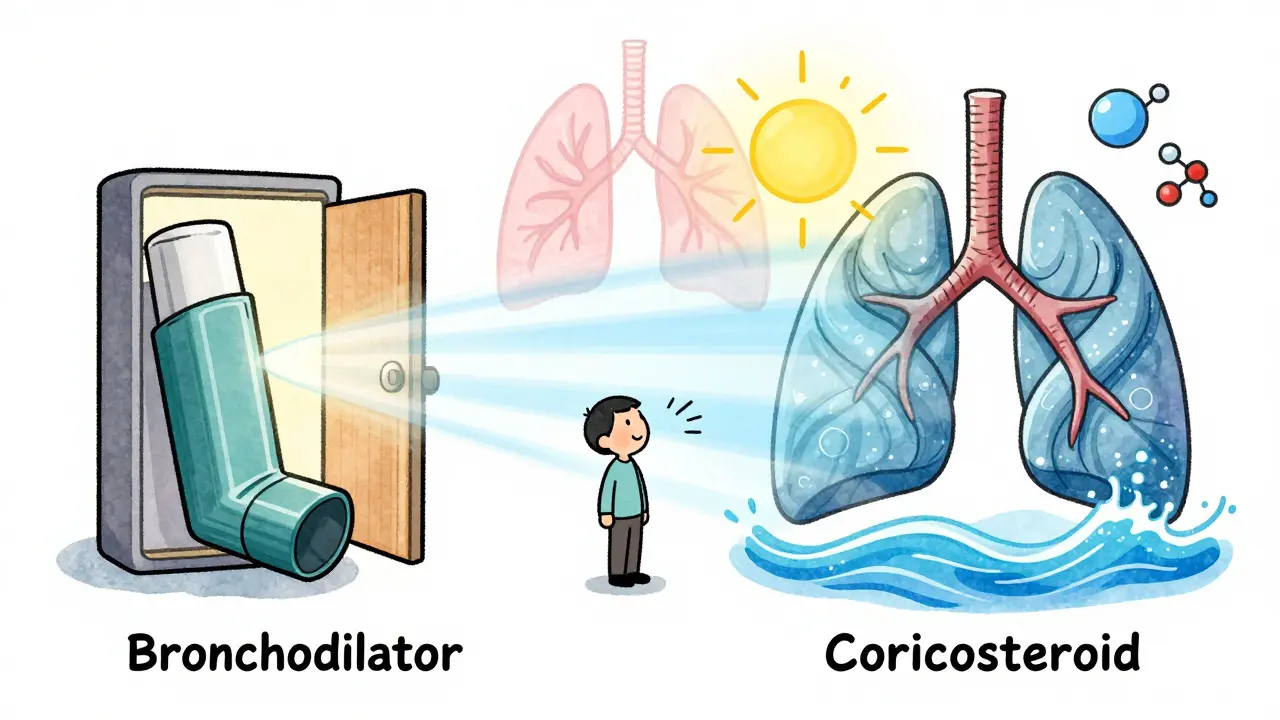
Bronchodilators open airways for quick relief; corticosteroids reduce inflammation for long-term control. Used together correctly, they manage asthma and COPD effectively. Learn how to use them in order and avoid common mistakes.
read more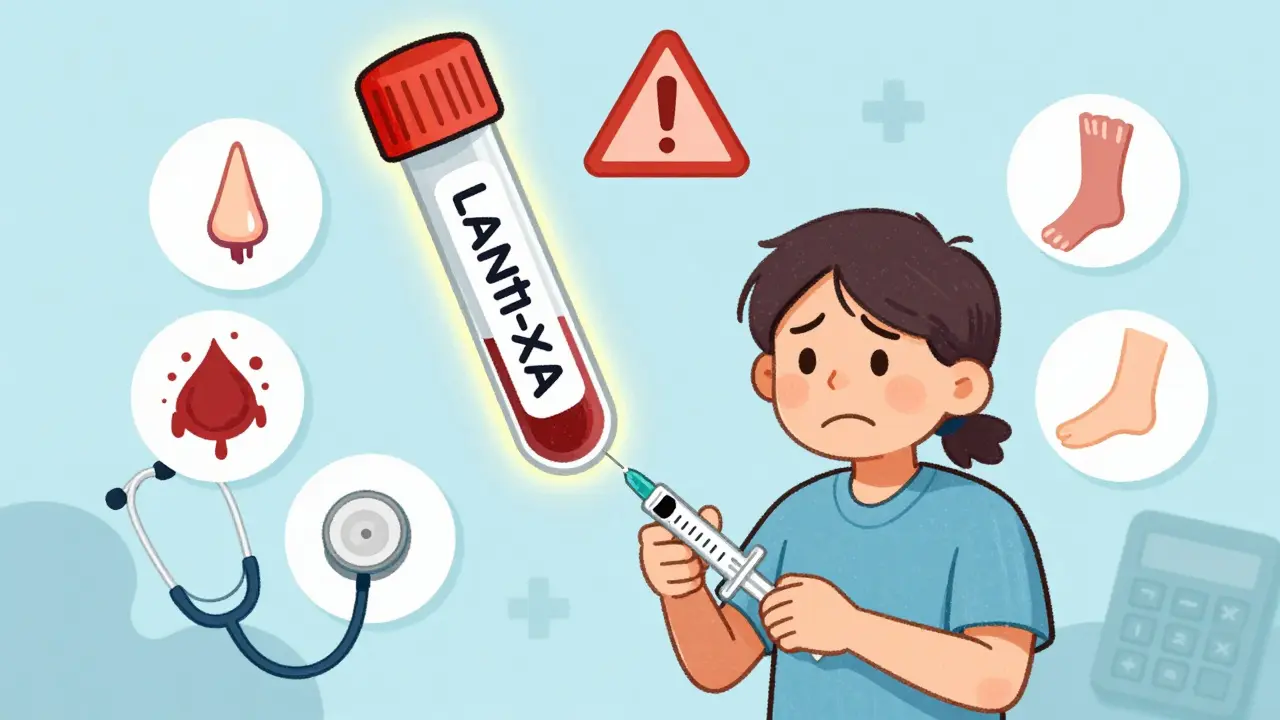
Anti-Xa monitoring for LMWH isn't routine-it's for emergencies. Learn when unexpected bleeding, clots, or kidney issues mean you need this test to stay safe.
read more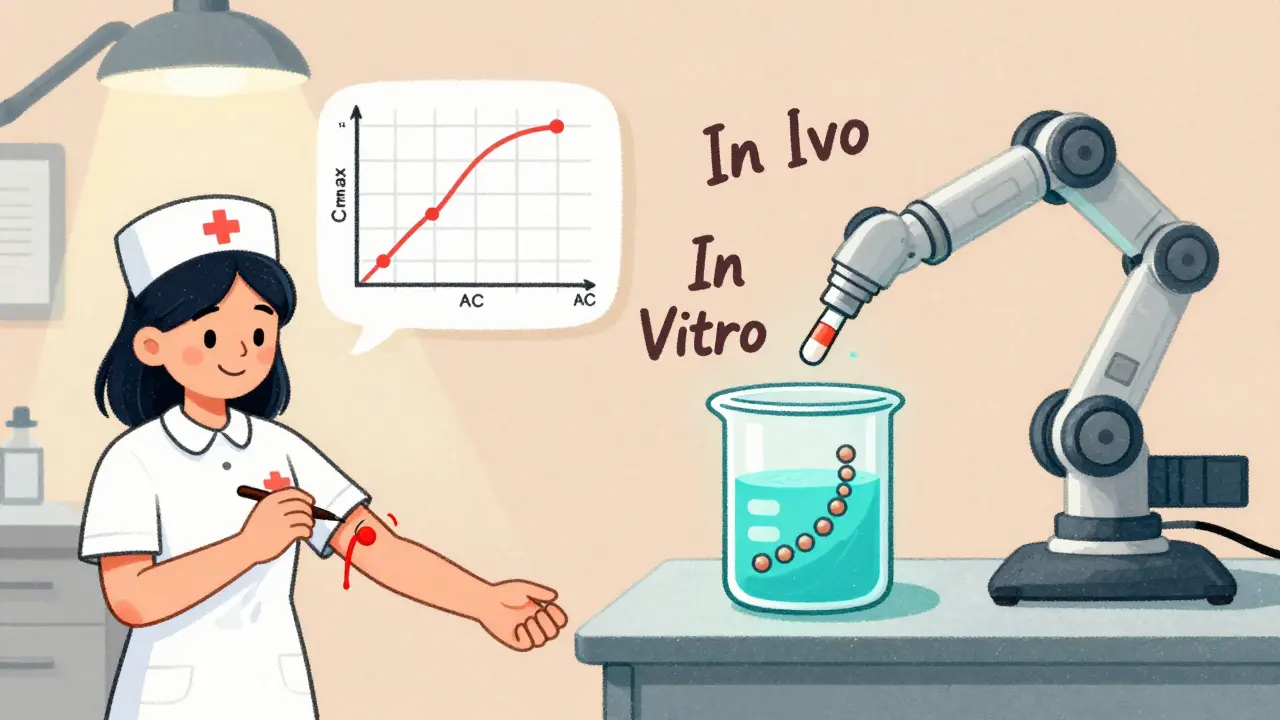
In vivo and in vitro bioequivalence testing are key to approving generic drugs. In vivo uses human subjects to measure drug absorption; in vitro uses lab tests like dissolution. Each has specific uses based on drug type, safety, and regulatory rules.
read more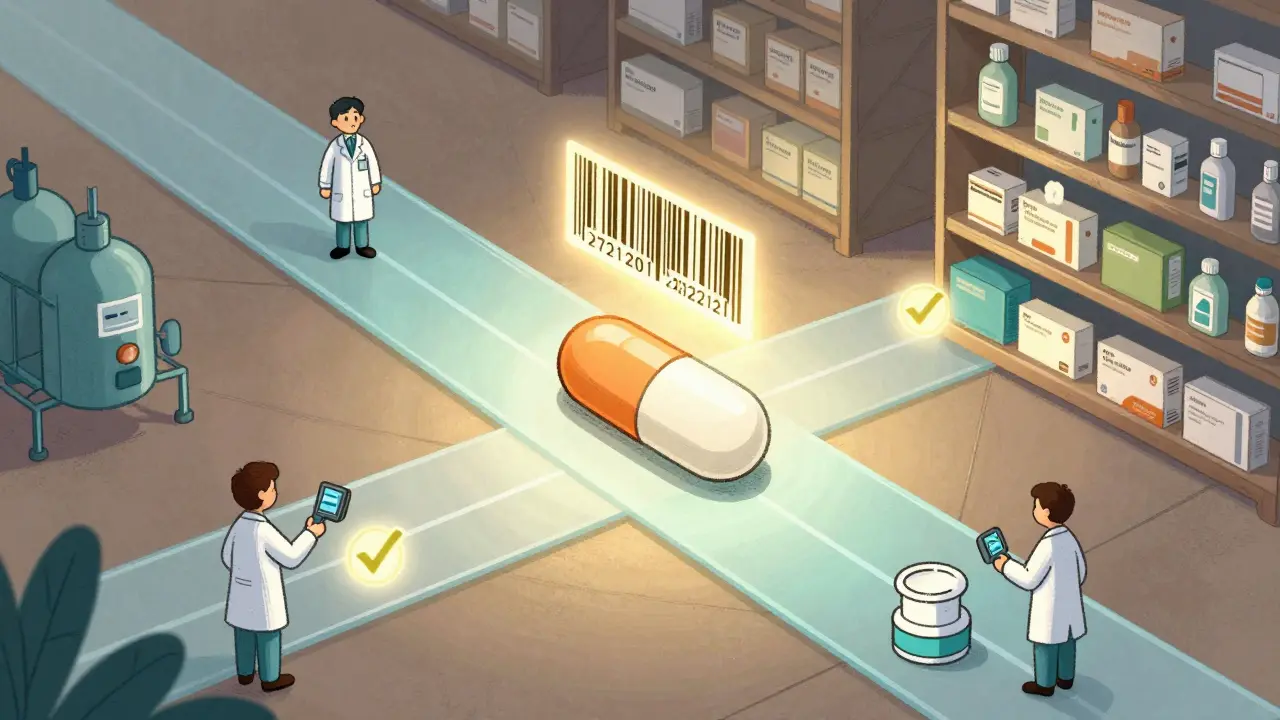
The DSCSA track-and-trace system uses unique serial numbers and electronic verification to stop counterfeit drugs from reaching patients. Learn how it works, why it matters, and what’s changed since 2024.
read more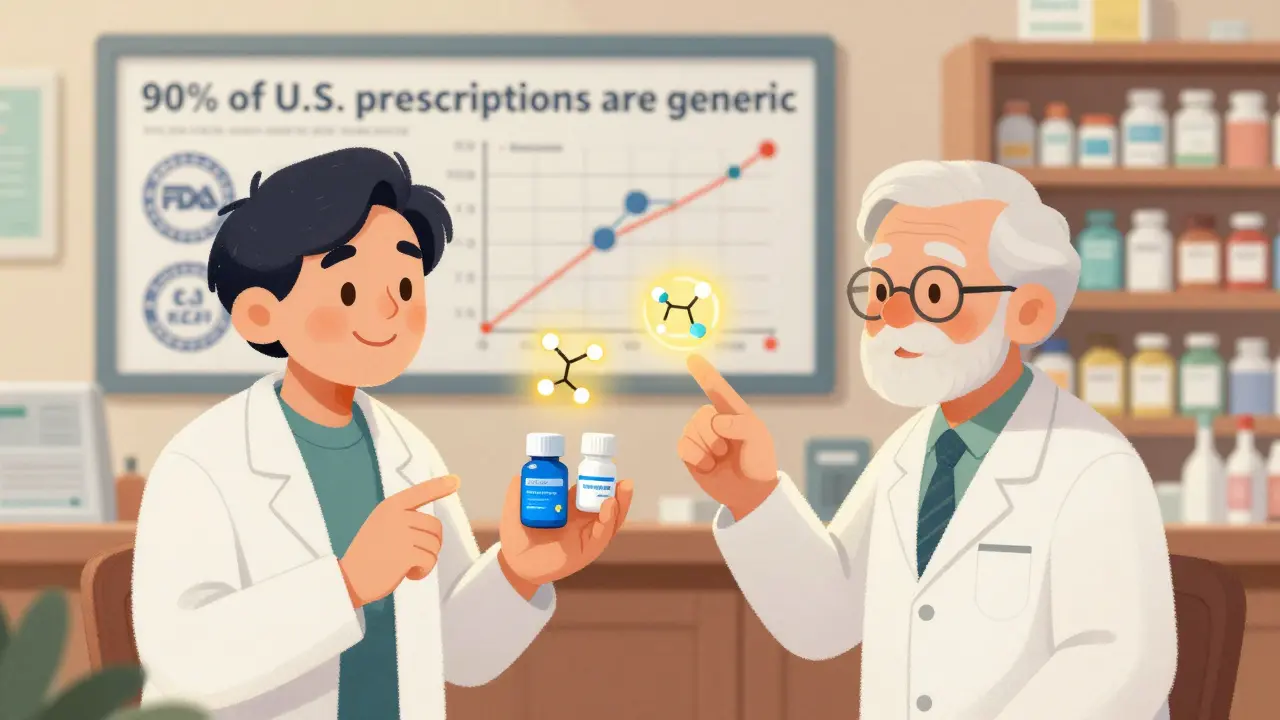
Learn how to talk to patients about generic medications in a way that builds trust, improves adherence, and saves money-without sounding dismissive or robotic.
read more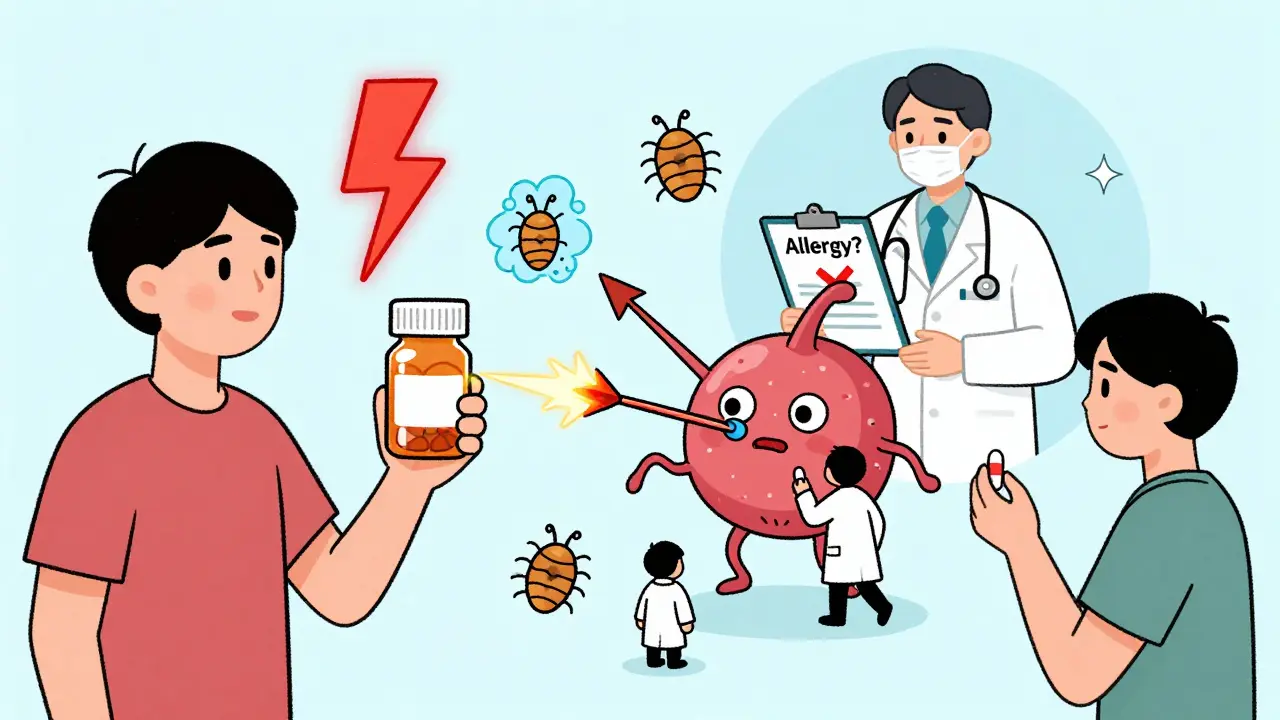
Learn how to tell the difference between a true drug allergy and a common side effect. Discover why mislabeling reactions leads to worse care, higher costs, and antibiotic resistance-and what you can do to get it right.
read more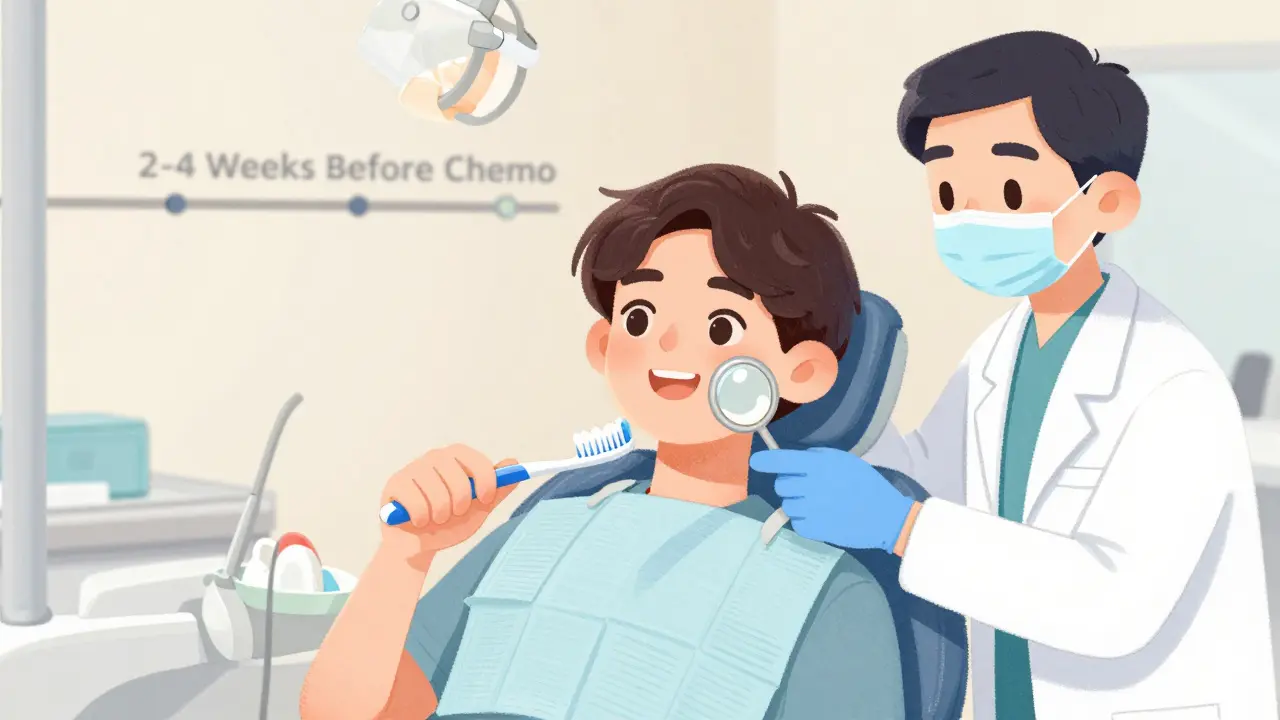
Mouth sores from medications like chemo and radiation are common but preventable. Learn evidence-based strategies to reduce pain, avoid complications, and protect your oral health during treatment.
read more