
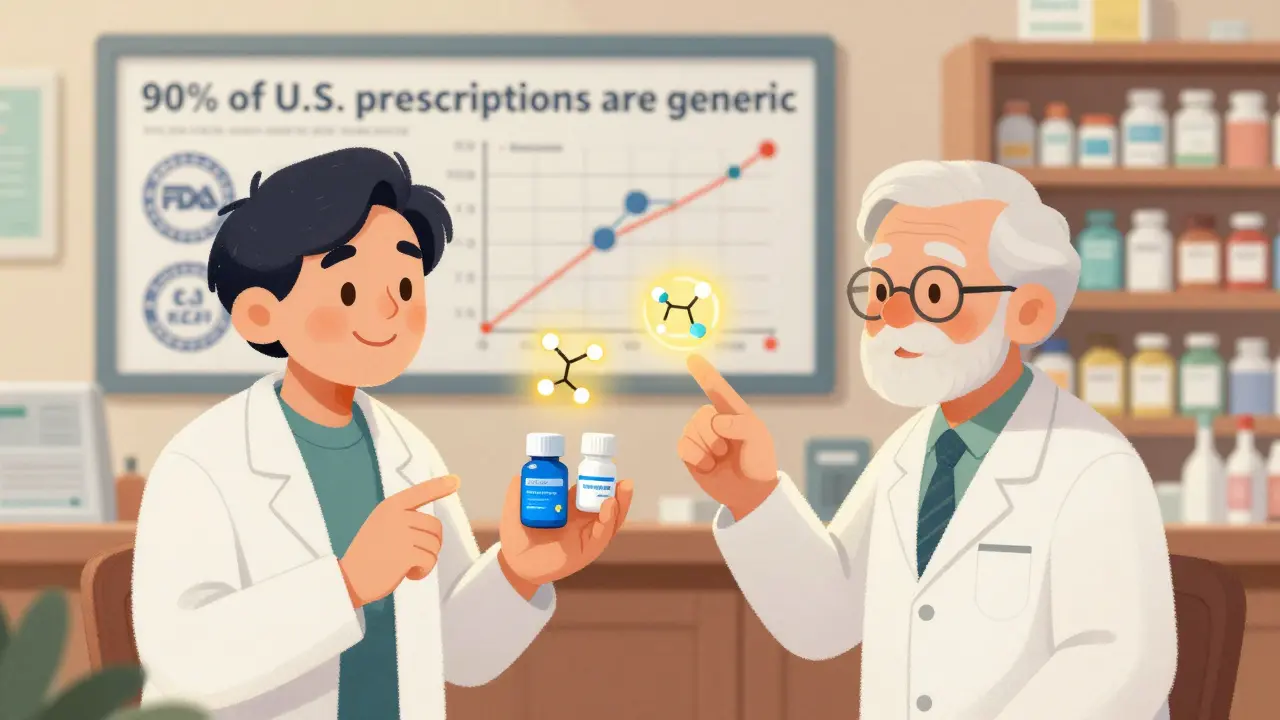
When a patient picks up a prescription and sees a pill that looks completely different from what they’ve been taking, their first thought isn’t usually, "Great, I’m saving money."" It’s often, "Is this even the same thing?" That’s the moment communication matters most.
Why Patients Doubt Generics
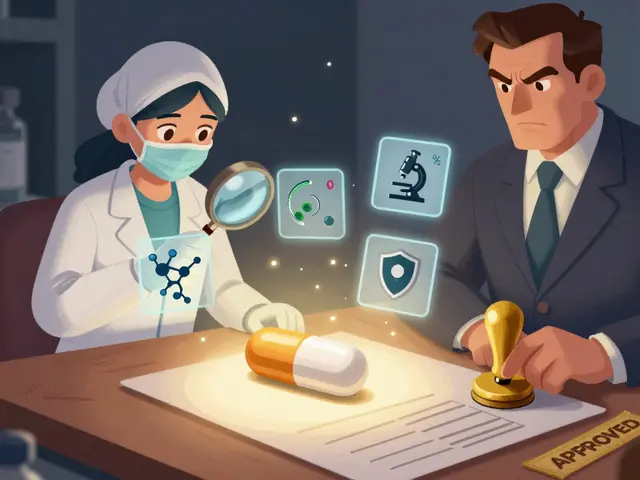
Most patients don’t realize that 9 out of 10 prescriptions filled in the U.S. are for generic drugs. They also don’t know these generics save the healthcare system over $370 billion every year. But what they do notice? The color. The shape. The little logo on the pill. And suddenly, they’re worried. A study in the Journal of General Internal Medicine found that nearly 3 in 10 patients are nervous about switching from a brand-name drug to a generic. Even worse, 1 in 6 stop taking their medicine altogether after the switch-not because it didn’t work, but because they thought it wouldn’t. The truth? Generics aren’t cheap knockoffs. They’re FDA-approved copies that must deliver the exact same amount of active ingredient into the bloodstream as the brand name, within a 80-125% range. That’s not a guess. That’s science. And it’s tested in real people before approval.What Makes a Generic Really the Same
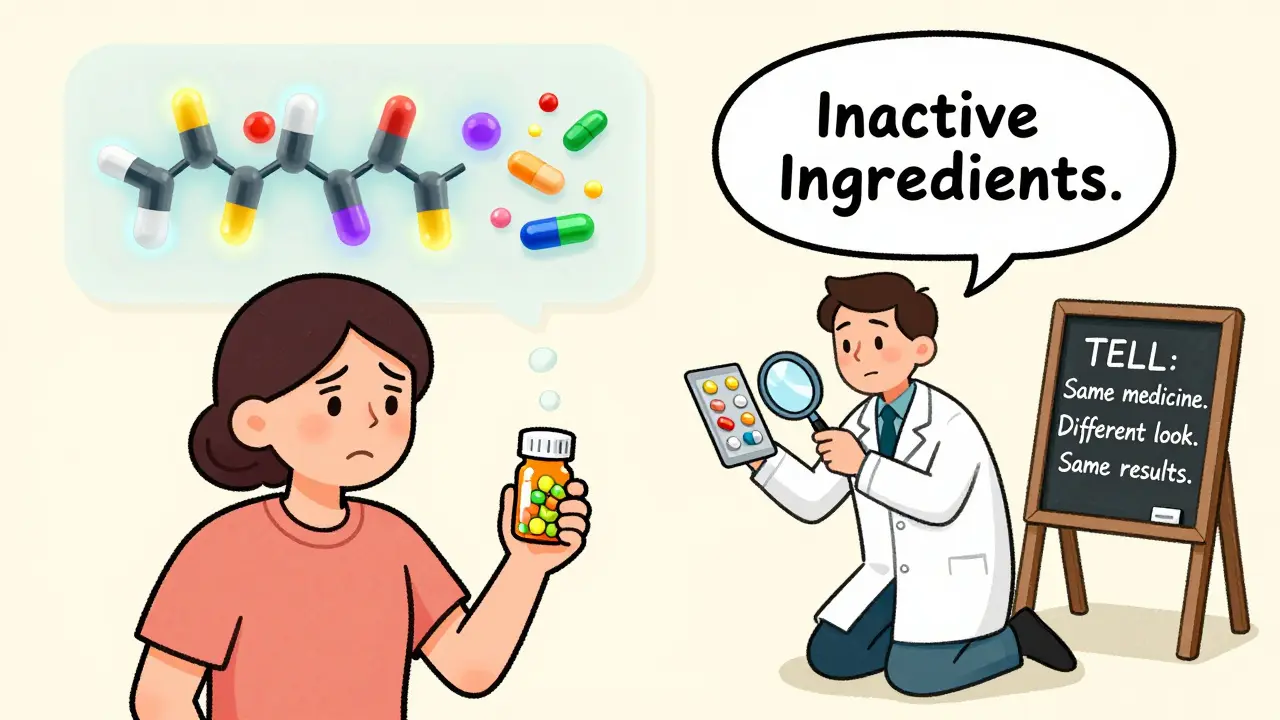
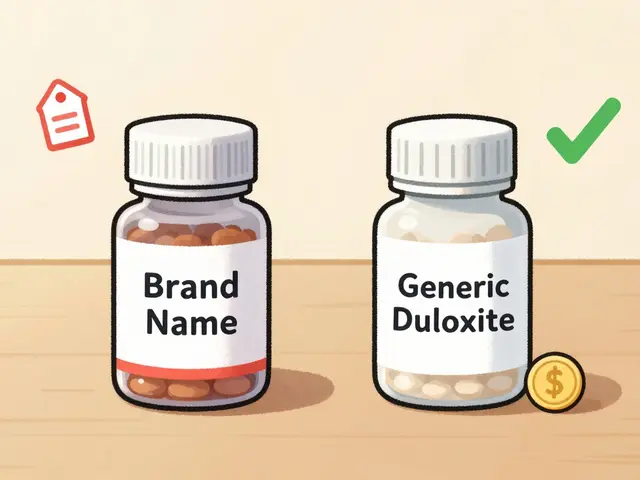
The active ingredient-the part that actually treats the condition-is identical. So is the strength, the dosage form (pill, liquid, injection), and how it’s taken. The FDA requires this. No exceptions. The differences? Inactive ingredients. Things like dyes, fillers, or coatings. These don’t affect how the medicine works. But they change how the pill looks. That’s why your old blue pill became a white oval. That’s trademark law. The brand-name company owns the look. The generic maker can’t copy it. And yes, the factory where your generic is made? It gets inspected the same way as the brand-name factory. Same standards. Same rules. Same audits. A 2008 review of 47 studies involving over 9,000 patients found no meaningful difference in effectiveness between generic and brand-name cardiovascular drugs. That’s heart meds-drugs where getting it wrong could be dangerous. The results? Identical outcomes.What Pharmacists Hear Most
Patients don’t say, "I don’t trust the FDA." They say things like:- "This one doesn’t work like the other one."
- "I had headaches with the white pill but not the blue one."
- "My doctor prescribed the brand. Why am I getting this?"
- Tell: "This generic has the same active ingredient as your brand-name drug."
- Explain: "The look changed because of trademark rules, not because it’s different."
- Listen: Let them talk. Don’t interrupt. Ask, "What are you worried about?"
- Link: "This will save you $250 a month. That’s $3,000 a year. That’s your vacation, your groceries, your co-pay next month."
How to Make the Conversation Stick
Saying it once isn’t enough. Most patients forget half of what they’re told in a medical setting. That’s why the teach-back method works. Ask: "Can you tell me in your own words why this pill is safe to take?" If they say, "It’s cheaper but maybe not as strong?"-you haven’t done enough. If they say, "It’s the same medicine inside, just a different color because the other one has a patent on the look"-you’ve succeeded. Studies show this technique improves retention by 40%. That means fewer calls to the pharmacy later. Fewer missed doses. Fewer ER visits because someone stopped their blood pressure med.When Generics Aren’t the Easy Answer
There are exceptions. Drugs with a narrow therapeutic index-like warfarin, levothyroxine, or phenytoin-require more caution. Small changes in blood levels can matter. That’s why the FDA requires extra testing for these generics. In practice, many clinicians prefer to keep patients on the same generic manufacturer for these drugs. If a switch is necessary, monitor closely. Tell the patient: "We’re switching because your insurance requires it, but we’ll check your levels in two weeks to make sure everything’s still right on target." Some patients respond better to an authorized generic-same exact formula as the brand, just sold under a different name. These are made by the original company. They look like the brand. They cost like a generic. If a patient is resistant, this can be a bridge.Cost Isn’t Just a Number-It’s a Lifeline
A Medicare patient switching from brand-name Crestor to generic rosuvastatin saved $300 a month. That’s not a minor perk. That’s the difference between taking their medicine and skipping doses because they can’t afford it. Insurance plans know this. 84% of health plans put generics in the lowest cost tier. Brand-name drugs? Only 12% get that same treatment. When you explain that saving $3,000 a year means they can afford their insulin, their asthma inhaler, or their cholesterol pill next month-you’re not just selling a cheaper drug. You’re helping them stay healthy.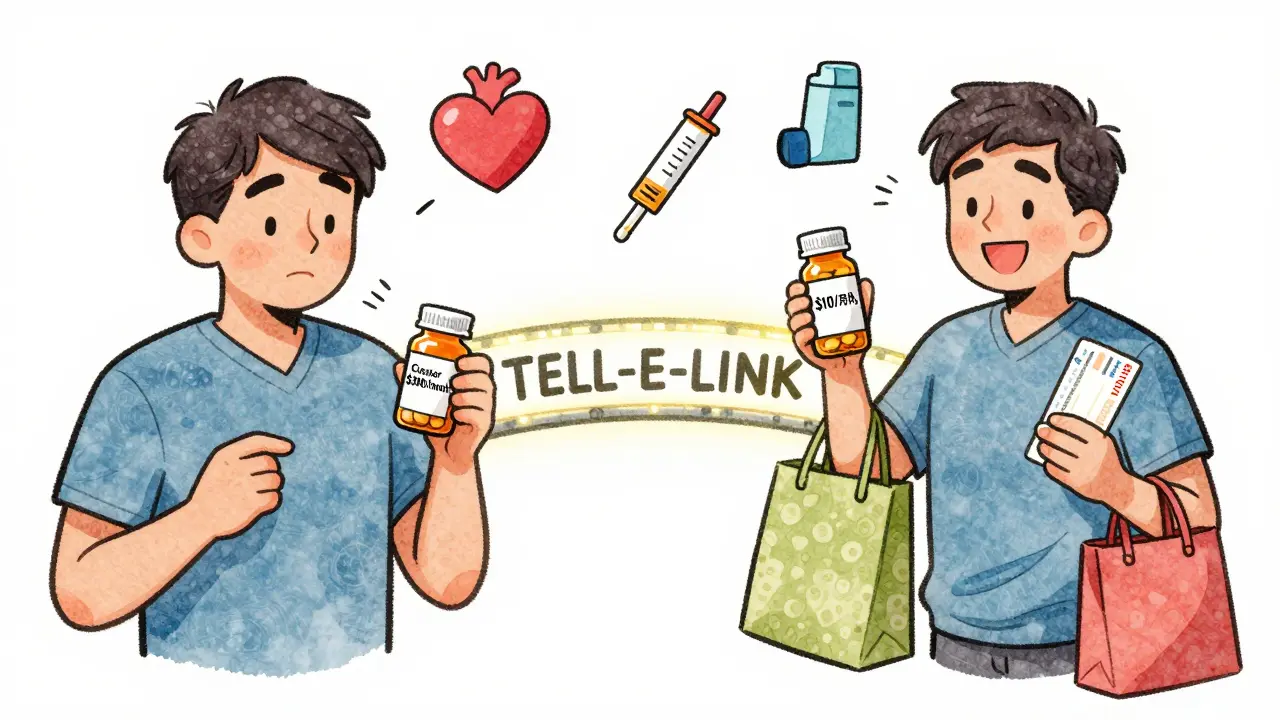
What Works in Real Life
A GoodRx survey found that 78% of patients who got a clear, detailed explanation about generics were satisfied. Only 42% of those who got a quick, "It’s the same, just cheaper" were happy. The difference? Depth. Empathy. Time. One pharmacist shared a story: A woman refused her generic blood pressure pill because she said it made her dizzy. She’d been on the brand for 10 years. The pharmacist didn’t argue. He asked her to bring in both pills. He looked at the labels. The active ingredient? Identical. The shape? Different. The color? Different. The inactive ingredients? Two were swapped. He called the doctor. They switched her back to the brand-temporarily. Then, they tried a different generic. Same active ingredient. Different filler. No dizziness. She stayed on it. Saved $200 a month. And she told her friends. That’s the power of listening.Training Makes the Difference
Pharmacists who complete the APhA’s 4-hour certification on communicating about generics report a 65% increase in confidence. That confidence translates to better conversations. Better outcomes. The FDA is now funding video tools to help explain generics to patients. Early results show video + conversation increases acceptance by 31% over talking alone. You don’t need fancy tech. You just need to be clear. Calm. Honest.What’s Next
Biosimilars-complex generics for biologic drugs like insulin or rheumatoid arthritis treatments-are entering the market. These aren’t simple pills. They’re intricate molecules. The same principles apply: same effect, lower cost, but more questions from patients. The message stays the same: "It’s not a copy. It’s a scientifically proven alternative." The goal isn’t to push generics. It’s to help patients understand they’re not losing anything-except the cost.Are generic medications really as effective as brand-name drugs?
Yes. The FDA requires generics to have the exact same active ingredient, strength, dosage form, and route of administration as the brand-name drug. They must also prove bioequivalence-meaning they deliver the same amount of medicine into your bloodstream at the same rate. A review of 47 studies involving over 9,000 patients found no clinically meaningful difference in effectiveness between generics and brand-name drugs for heart conditions, depression, and other common illnesses.
Why does my generic pill look different from the brand?
Federal trademark laws prevent generic manufacturers from copying the exact appearance of brand-name pills. That includes color, shape, and markings. These differences are only in the inactive ingredients-like dyes or coatings-which don’t affect how the medicine works. The active ingredient is identical.
Can switching to a different generic cause side effects?
Rarely, but it can happen. Different generic manufacturers may use slightly different inactive ingredients, which can affect how a person tolerates the pill-like causing mild stomach upset or headaches. This doesn’t mean the drug is less effective. If a patient reports this, switching to another generic manufacturer often resolves it. For drugs with narrow therapeutic windows (like warfarin or levothyroxine), staying on the same generic version is often preferred.
Is it safe to use generics for chronic conditions like high blood pressure or diabetes?
Absolutely. Generics are widely used and recommended for chronic conditions because they’re affordable and just as effective. Studies show patients are more likely to take their medicine consistently when cost isn’t a barrier. For example, switching from brand-name lisinopril to generic lisinopril saves patients hundreds per year-with no loss in blood pressure control.
What should I say if a patient insists on the brand-name drug?
Don’t argue. Ask why. Is it cost? Fear? A bad experience? Offer an authorized generic if available-it’s made by the brand company and looks identical. If cost is the issue, explain the savings: a $300 monthly drug might drop to $10. If they’re worried about effectiveness, share data: 90% of prescriptions are generics, and they work just as well. If they still refuse, document the conversation and respect their choice-then revisit it later with more information.
Do generics take longer to work than brand-name drugs?
No. Bioequivalence testing ensures generics reach the same blood concentration as the brand-name drug within the same time frame. For example, if the brand-name version starts working in 30 minutes, the generic does too. There’s no delay in absorption or effectiveness.
Are generic drugs made in lower-quality facilities?
No. The FDA inspects all manufacturing sites-brand and generic-using the same standards. Many generic drugs are made in the same facilities as brand-name drugs. The FDA doesn’t allow lower quality. In fact, over 50% of generic drugs sold in the U.S. are made in facilities that also produce brand-name versions.
How do I know if a generic is approved by the FDA?
All legally sold generics in the U.S. must be FDA-approved. You can check the FDA’s Orange Book, which lists approved generic drugs and their brand-name equivalents. Your pharmacy’s system will also flag if a generic is approved. If you’re unsure, ask your pharmacist-they’re required to know.


Kiranjit Kaur
December 22, 2025 AT 04:22 AMOMG YES!! 🙌 I work in a pharmacy in Delhi and this is EVERY DAY. Patients stare at the pill like it’s a alien artifact. One lady cried because her ‘blue heart pill’ became white. I showed her the label - same active ingredient, same dose. She hugged me. 💕 Saved her $200/month. That’s 3 months of chai for her grandkids. 🫖❤️
Sai Keerthan Reddy Proddatoori
December 22, 2025 AT 09:16 AMThis is all government propaganda. Why would they let cheap pills work the same? The big pharma companies are in cahoots with the FDA. I’ve seen people get sick after switching. They don’t tell you the truth. The real medicine is made in Germany. These generics? Made in some back-alley lab in China. Don’t trust it.
Sam Black
December 22, 2025 AT 20:10 PMI’m an Aussie pharmacist, and I’ve seen this play out for 20 years. The real magic isn’t in the pill - it’s in the conversation. One man refused his generic statin until I said, ‘Imagine if your car had the same engine but a different paint job. You’d still drive it, right?’ He laughed. Took it. Still takes it. Now he brings his mates. Sometimes, you just need to speak their language. Not the science. The story.
Johnnie R. Bailey
December 23, 2025 AT 08:54 AMThere’s a deeper layer here that rarely gets talked about: trust isn’t about chemistry - it’s about identity. For many, the brand-name pill is tied to a moment - their diagnosis, their first doctor’s visit, their sense of control. When you swap it out, even if it’s identical, you’re asking them to re-negotiate their relationship with their own illness. That’s not irrational. That’s human. The TELL method works because it doesn’t just inform - it reintroduces. You’re not replacing a pill. You’re reauthoring their narrative.
Tony Du bled
December 25, 2025 AT 05:16 AMMy grandma took her generic blood pressure med for 8 years. Never had an issue. Then one batch made her dizzy. Switched to another generic - fine. No drama. Just pills. Stop overthinking it.
Art Van Gelder
December 25, 2025 AT 23:32 PMLet’s go deeper. The fear of generics isn’t just about pills - it’s about control. We live in a world where everything is customized, branded, personalized. Your coffee, your phone, your Spotify playlist - all curated to feel uniquely yours. Then you get handed a generic pill. No logo. No color. No story. Just… function. It feels like being told you’re not special enough for the real thing. That’s why the emotional labor of explaining matters more than the scientific facts. The pill doesn’t change. But the patient’s sense of self does. And if you don’t acknowledge that? You’re not just failing to communicate - you’re failing to see them.
I once had a veteran who refused his generic antidepressant because ‘the brand was the only thing that reminded me I was still alive after Vietnam.’ I didn’t push. I got him the authorized generic - same formula, same blue capsule. He cried. Said it felt like his old self came back. That’s not placebo. That’s meaning.
Generics aren’t just cheaper drugs. They’re a social contract. And if we treat them like commodities, we break that contract. But if we treat them like care? We heal more than just blood pressure.
Kathryn Weymouth
December 26, 2025 AT 12:20 PMIt’s worth noting that the FDA’s bioequivalence standards for narrow-therapeutic-index drugs like levothyroxine are significantly more stringent than for most other generics. Studies show that even minor variations in inactive ingredients can affect absorption in sensitive populations - particularly elderly patients with altered gastric pH or motility. This isn’t anecdotal; it’s documented in the FDA’s 2021 guidance on levothyroxine interchangeability. Consistency in manufacturer matters - not because generics are inferior, but because biology is nuanced. Clinicians should track patients closely after switches, especially in endocrine or neurological conditions.
Herman Rousseau
December 26, 2025 AT 12:54 PMMy wife switched from brand-name Zoloft to generic sertraline last year. Said she felt ‘off’ for a week. We called the pharmacist. They switched her to a different generic - same active ingredient, different filler. Within 3 days, she was back to normal. Saved $180/month. No drama. Just good communication. I wish more doctors took the time to explain this. People aren’t dumb - they just haven’t been heard.
Vikrant Sura
December 27, 2025 AT 22:16 PMWhy are we even talking about this? It’s just a pill. People are lazy. They don’t want to learn. Just give them the cheap one and move on. Stop coddling.
Candy Cotton
December 28, 2025 AT 01:21 AMAs a former FDA regulatory analyst, I must emphasize: the assertion that generics are equivalent is statistically valid but contextually misleading. The 80–125% bioequivalence range permits a 45% variance in absorption kinetics. While acceptable for most populations, this is clinically significant for pediatric, geriatric, and renal-impaired patients. Furthermore, the FDA’s inspection protocols, while ostensibly identical, are inconsistently enforced across international manufacturing sites - particularly in India and China, where over 70% of U.S. generic active pharmaceutical ingredients originate. The perception of equivalence is a public relations construct, not a biological absolute. Patients deserve transparency - not marketing.