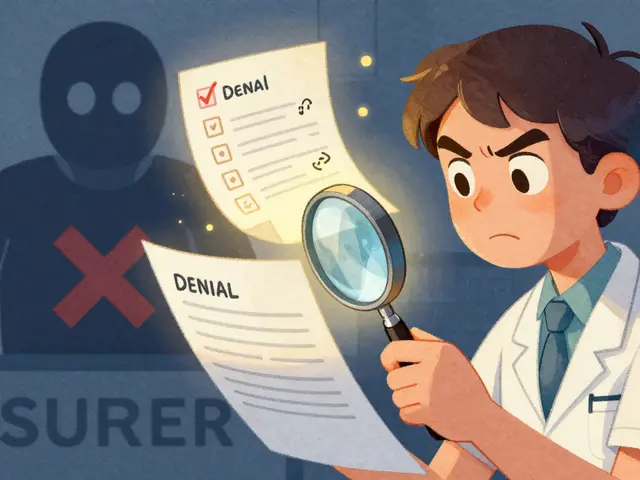
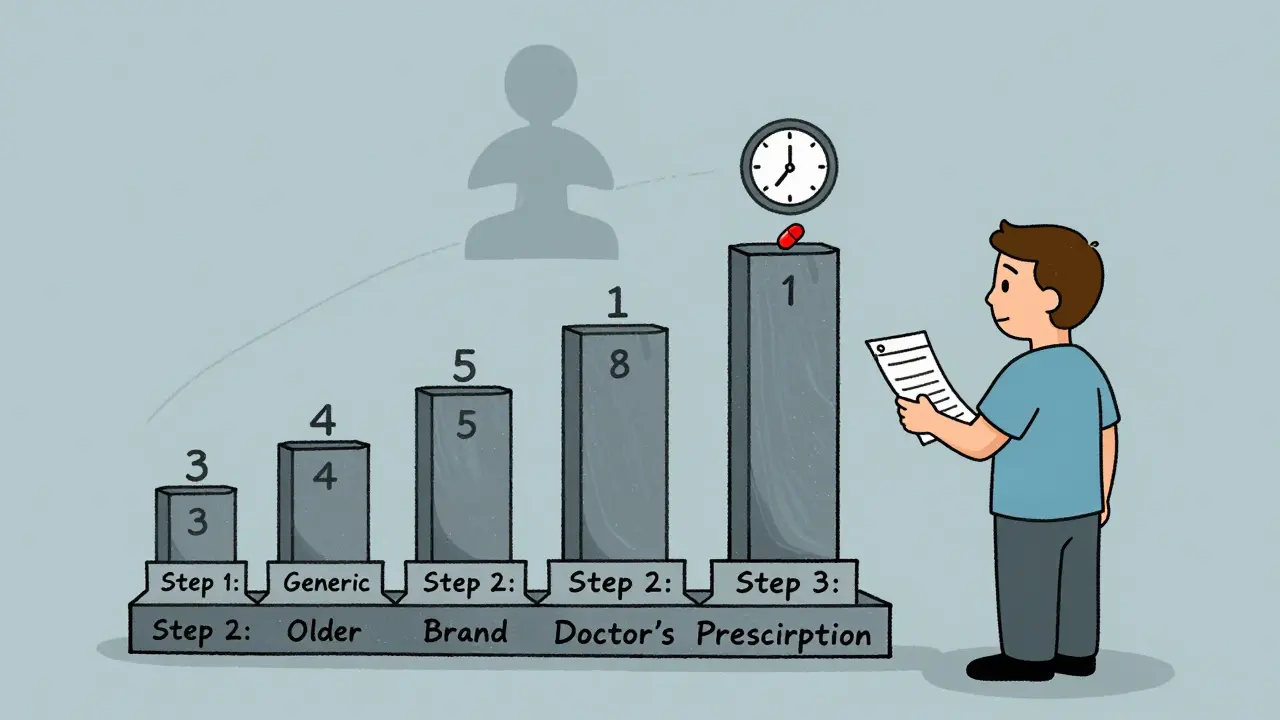
Step therapy forces patients to try cheaper generics before getting approved for brand-name drugs. Learn how it works, when it hurts, and how to fight denials with legal exceptions and doctor support.
read more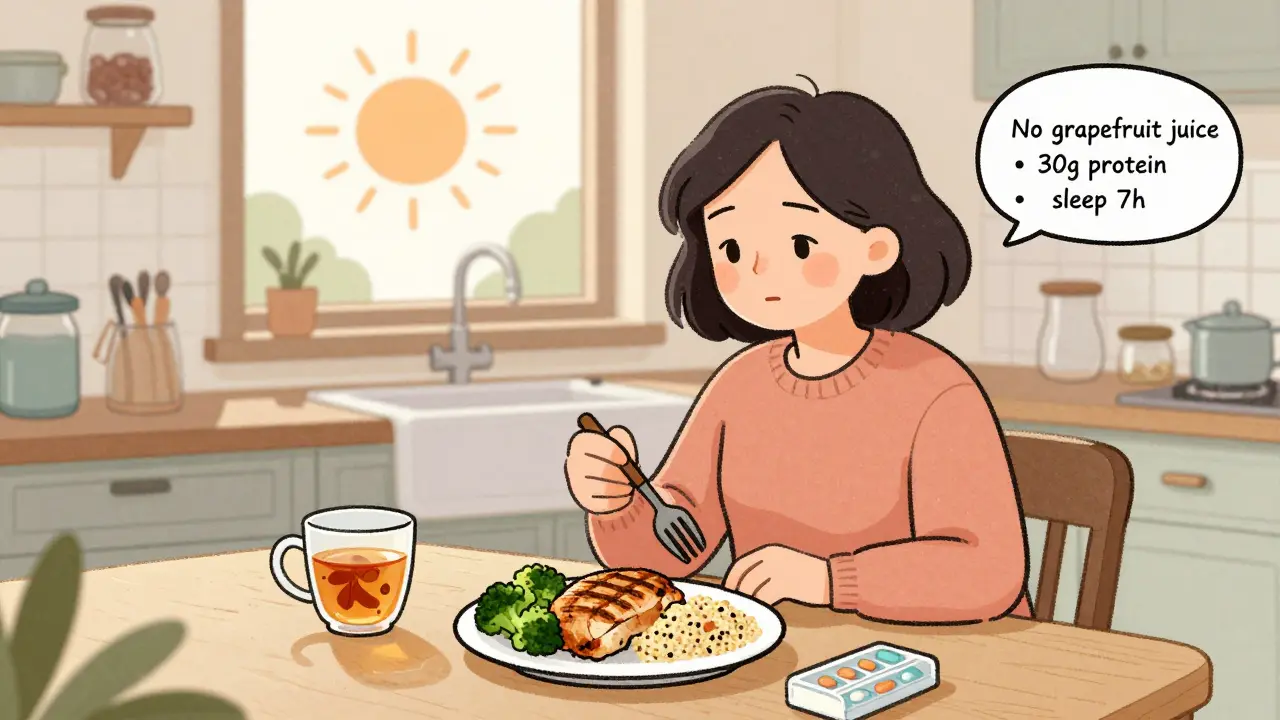
Discover practical, science-backed lifestyle changes-like diet, exercise, sleep, and stress management-that can reduce medication side effects and help your body respond better to treatment. No magic pills, just real habits.
read more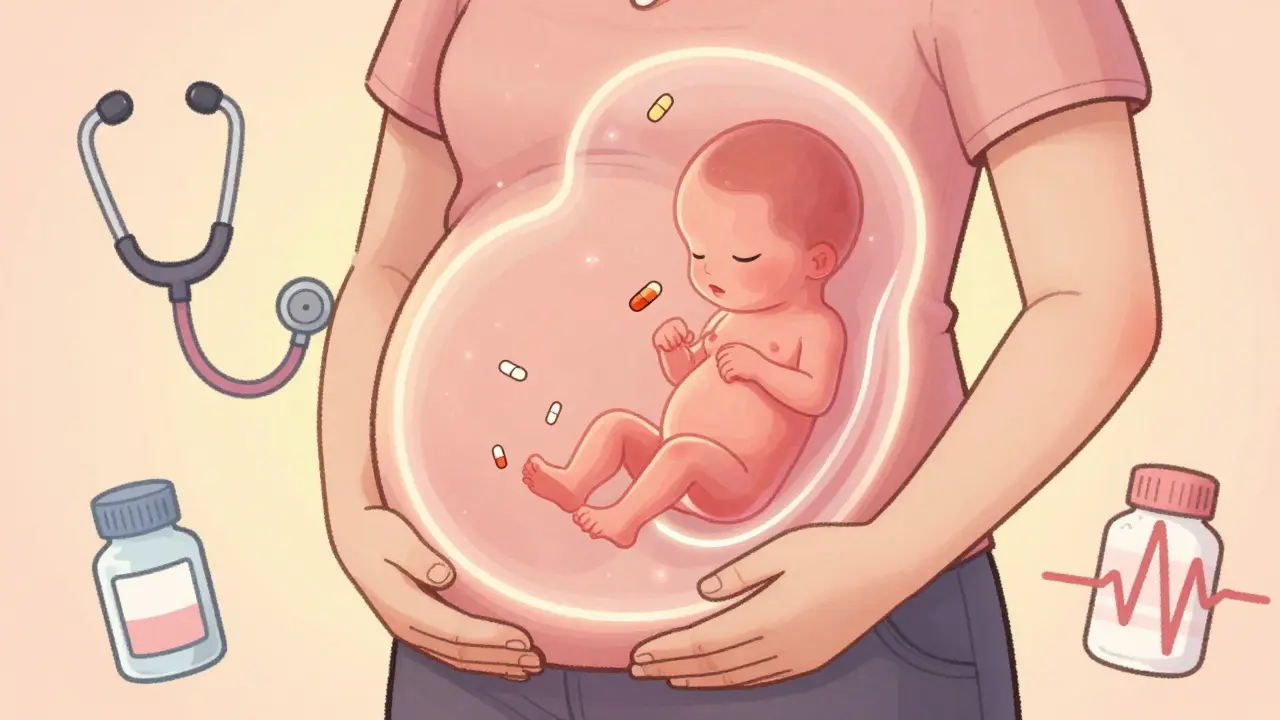
Opioid use during pregnancy requires careful medical management to protect both mother and baby. MAT with methadone or buprenorphine is the standard of care, reducing withdrawal risks and improving outcomes. Neonatal opioid withdrawal is common but treatable.
read more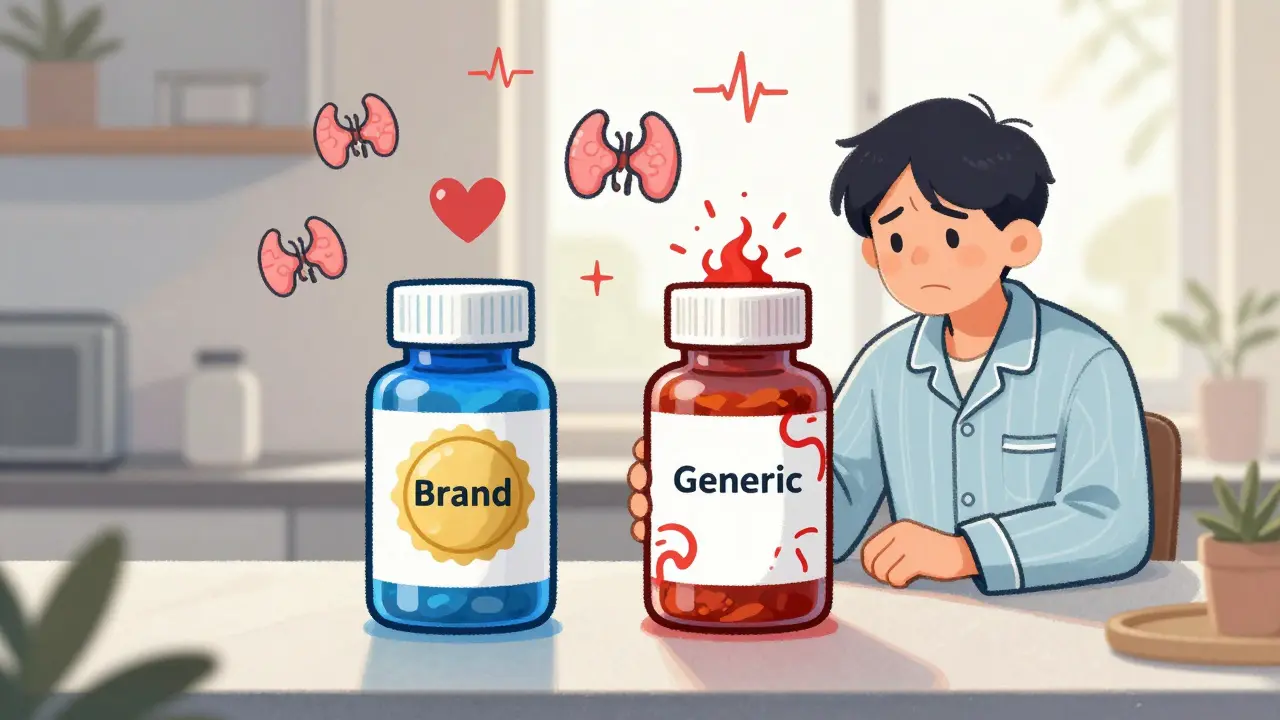
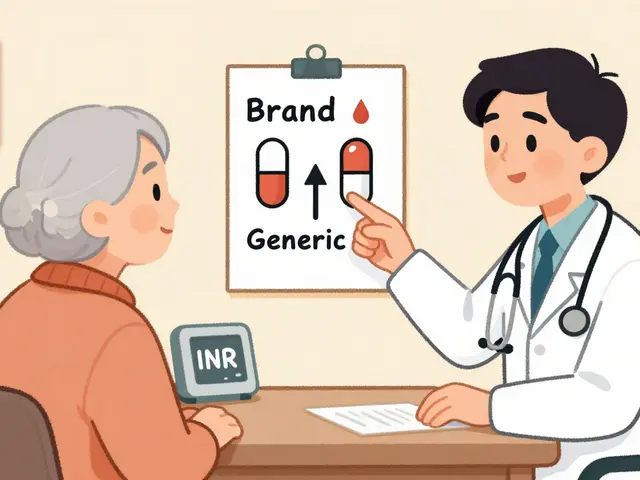
Long-term safety studies show generics are often as safe as brand drugs - but not always. For certain medications, small differences in formulation or manufacturing can lead to real health risks. Here’s what the data says and who should be cautious.
read more
Food can make your medication work better, worse, or even dangerous. Learn the simple rules for when to eat, what to avoid, and how to stay safe with your prescriptions.
read more
Pharmacists use the FDA's Orange Book to legally verify generic drug equivalence, ensuring safe substitutions based on pharmaceutical and bioequivalence standards. This process protects patient safety and reduces costs across the U.S. healthcare system.
read more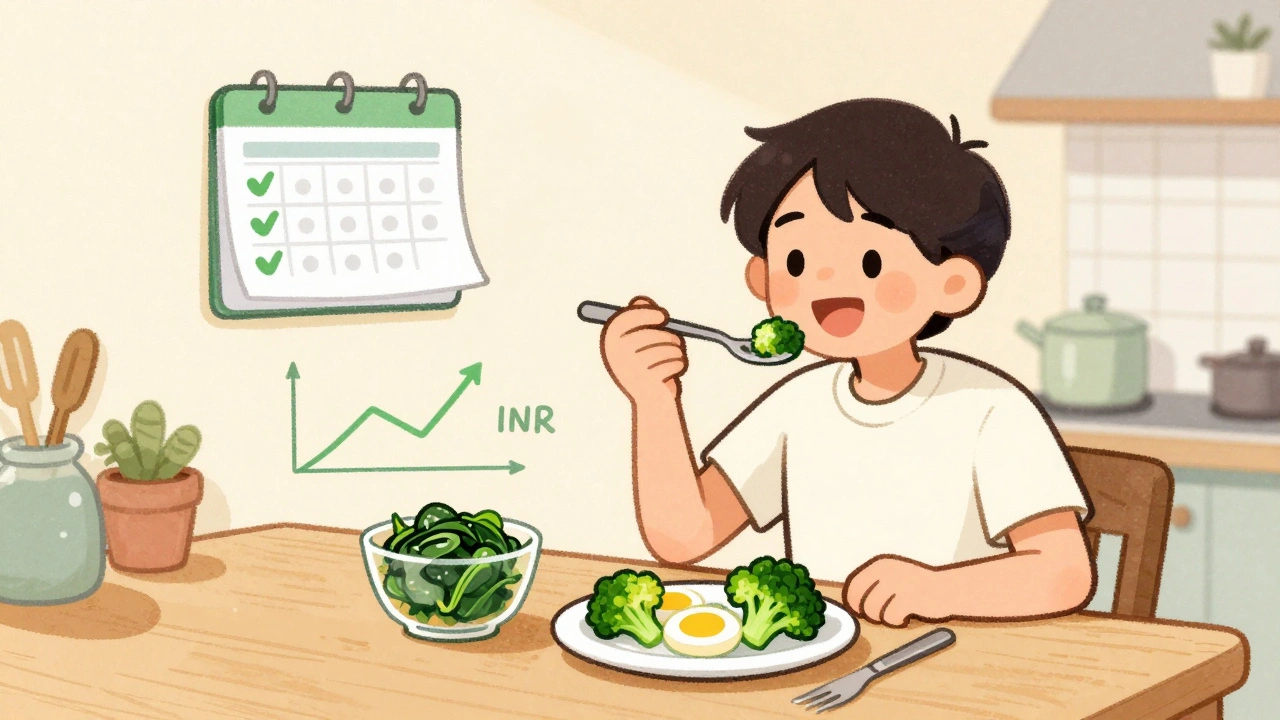
Managing warfarin requires consistent vitamin K intake, not restriction. Learn how steady eating keeps your INR stable, reduces bleeding and clot risks, and improves long-term outcomes with practical tips and real data.
read more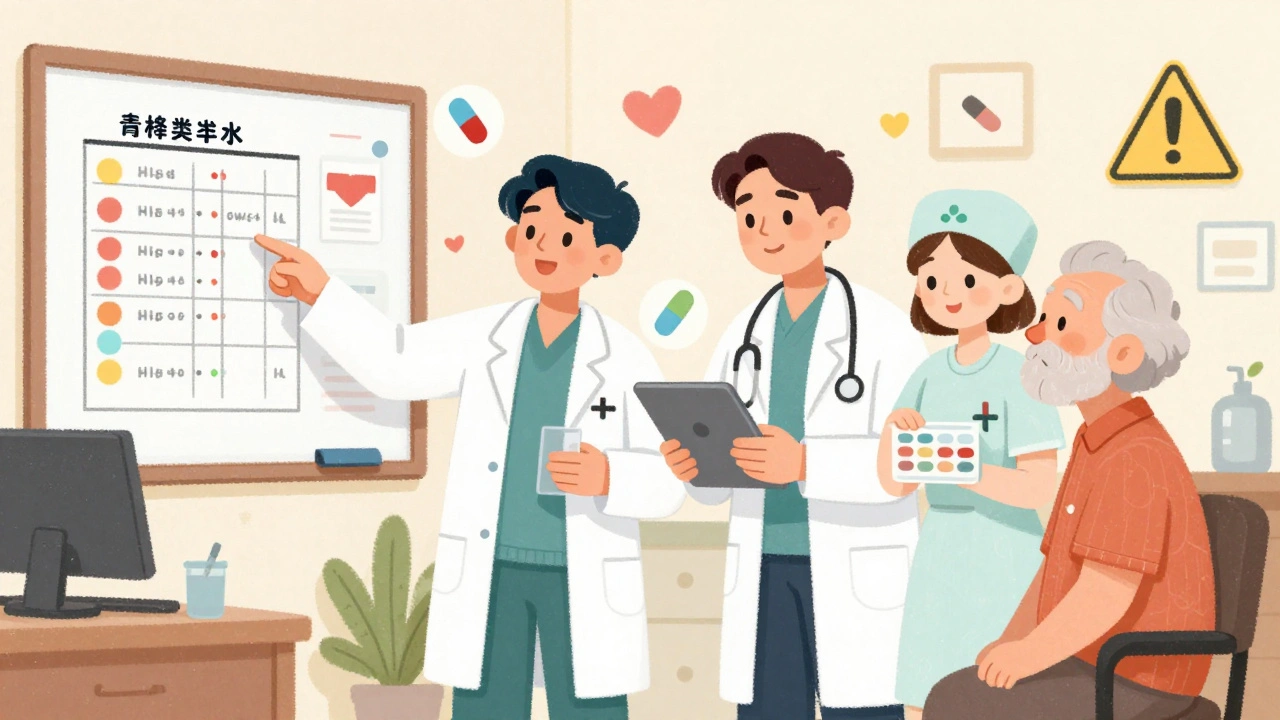
Pharmacists, doctors, and specialists working as a team are transforming how side effects are managed - cutting hospital readmissions, preventing dangerous drug interactions, and improving patient outcomes through real-time collaboration and shared decision-making.
read more
Type 1 diabetes is an autoimmune disease that destroys insulin-producing cells in the pancreas. Learn how it's diagnosed, managed with modern tech like CGM and closed-loop systems, and how new therapies like teplizumab are changing outcomes.
read more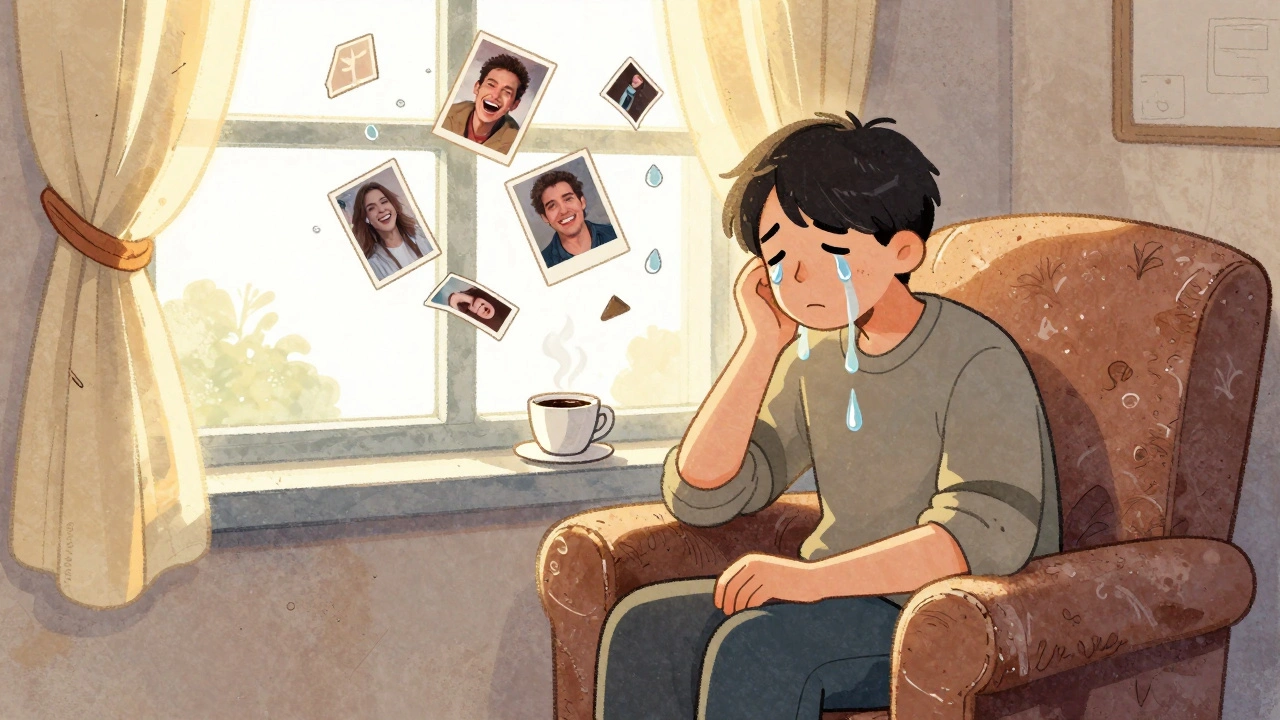
Learn how to tell the difference between grief and depression, what treatments actually work, and when to seek help. Grief is tied to loss; depression is a clinical condition. Knowing which is which saves lives.
read more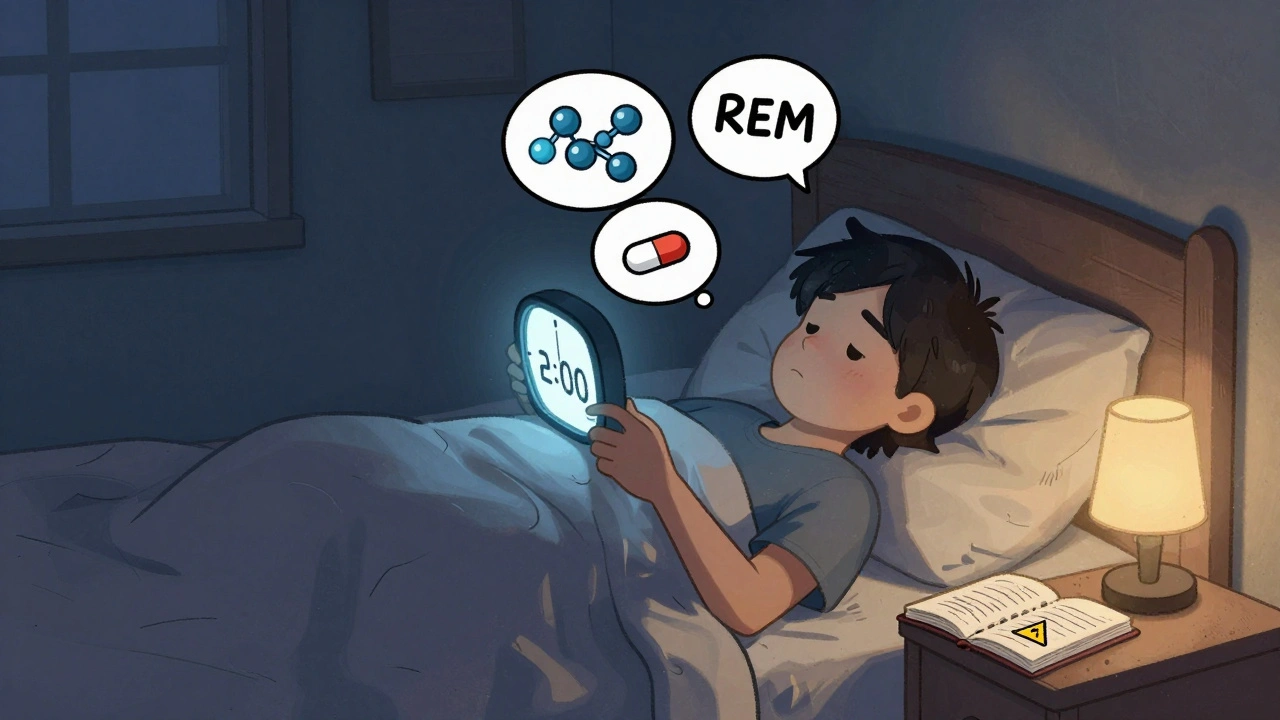
Antidepressants can cause insomnia or excessive sleepiness depending on the type. Learn which meds disrupt sleep, how to time them properly, and what alternatives work better for sleep problems.
read more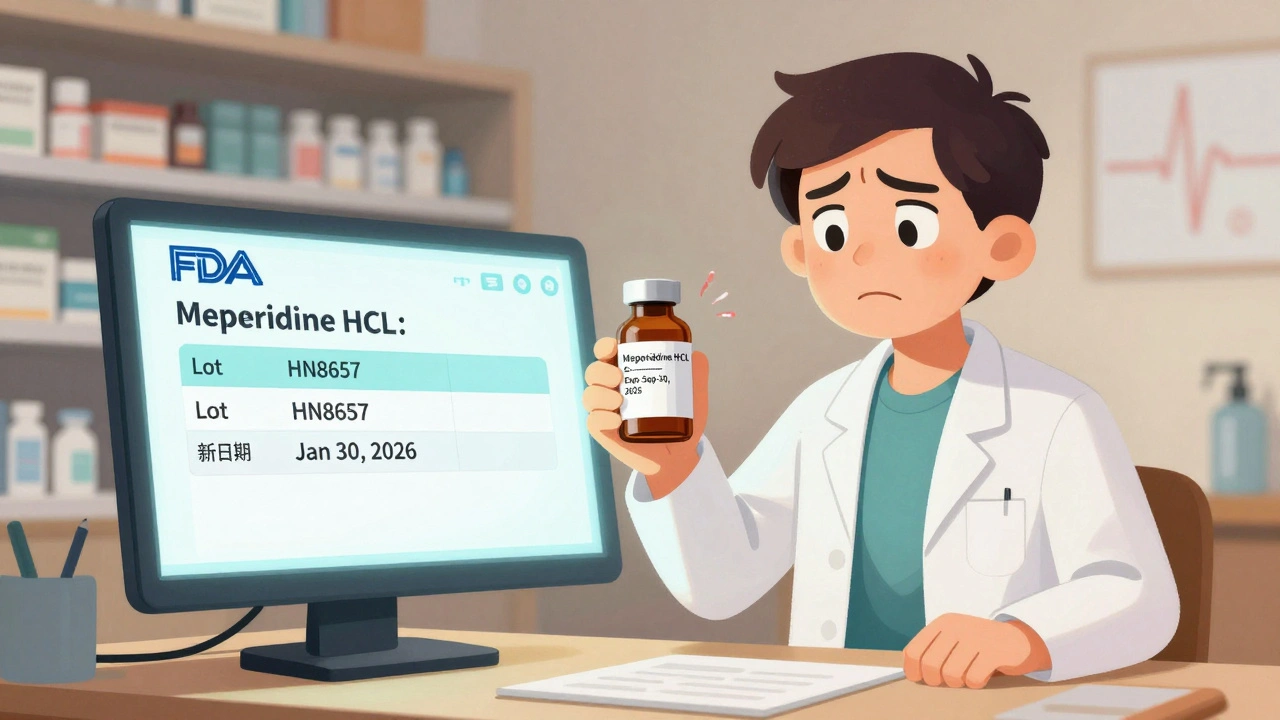
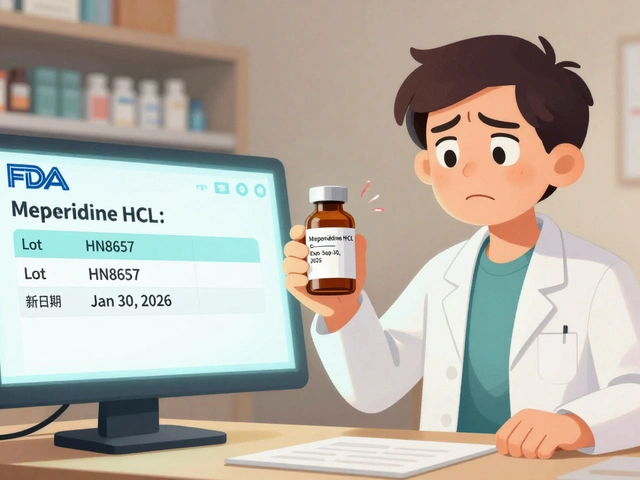
The FDA extends expiration dates for critical drugs during shortages to prevent life-threatening gaps in supply. Learn how it works, which drugs qualify, and what hospitals must do to stay compliant.
read more