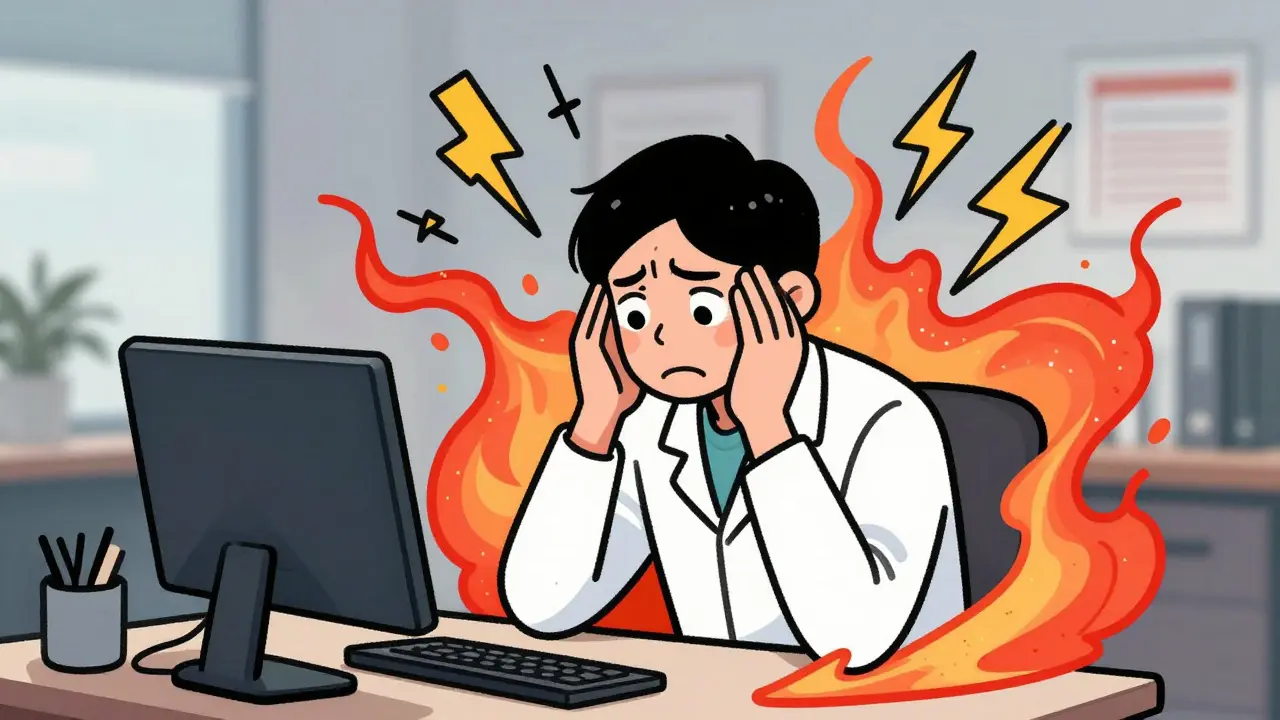
Learn proven techniques to manage panic during drug safety alerts. Discover breathing methods, grounding skills, and decision frameworks that restore cognitive clarity within minutes.
read more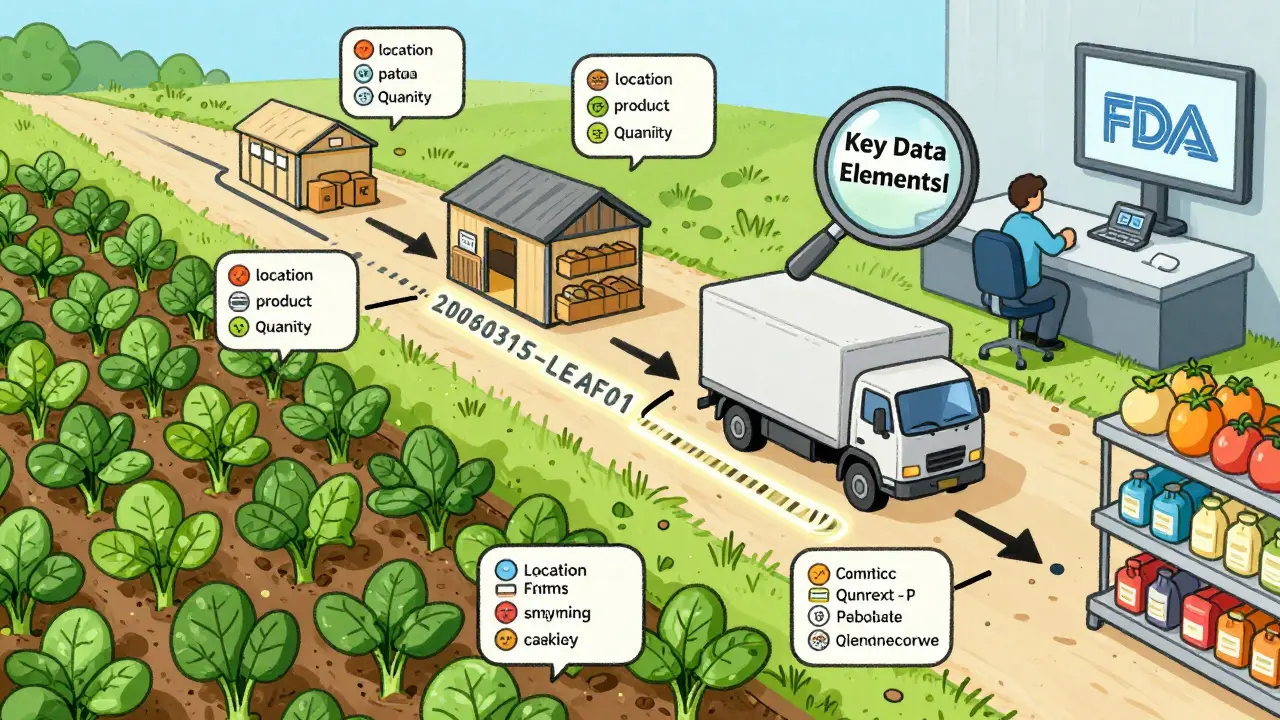
The FDA's Traceability Lot Code system uses unique lot numbers to trace contaminated food from farm to store in hours, not weeks. Learn how this rule targets high-risk foods and protects public health.
read more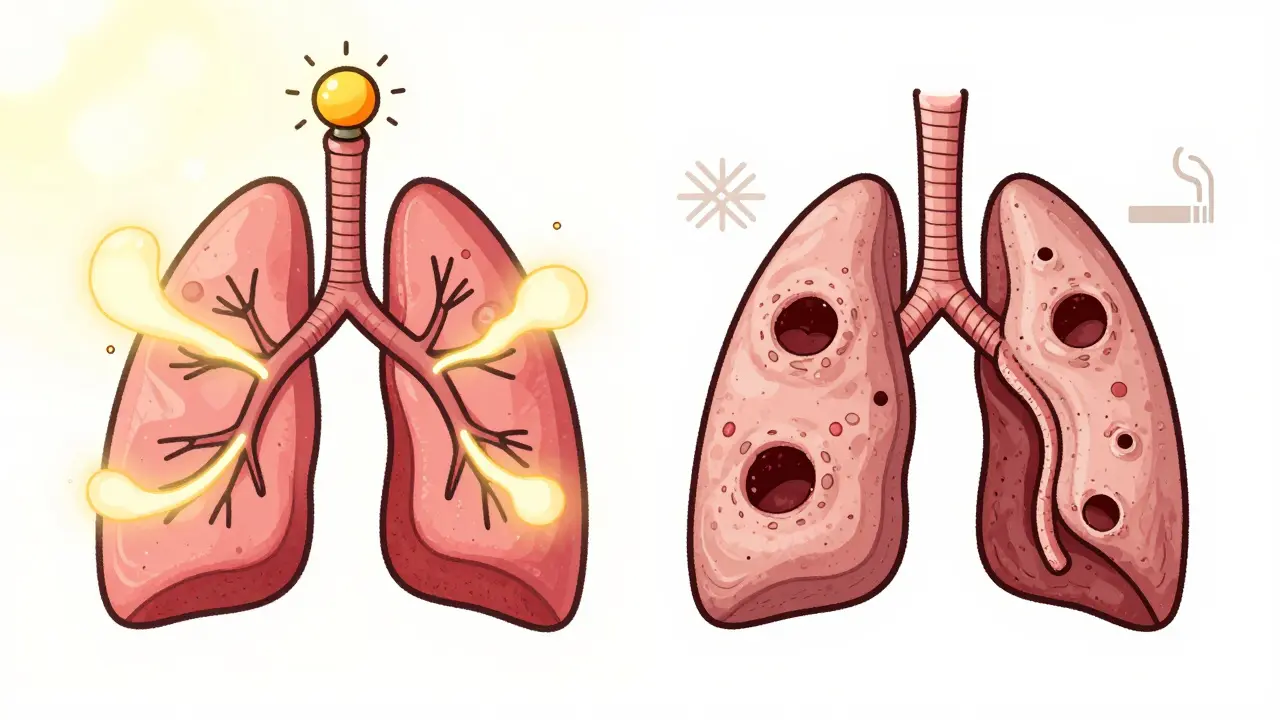
Asthma and COPD both cause breathing trouble, but they're not the same. Asthma is reversible and often starts young; COPD is progressive and tied to smoking. Learn how symptoms, tests, and treatments differ-and why getting it right matters.
read more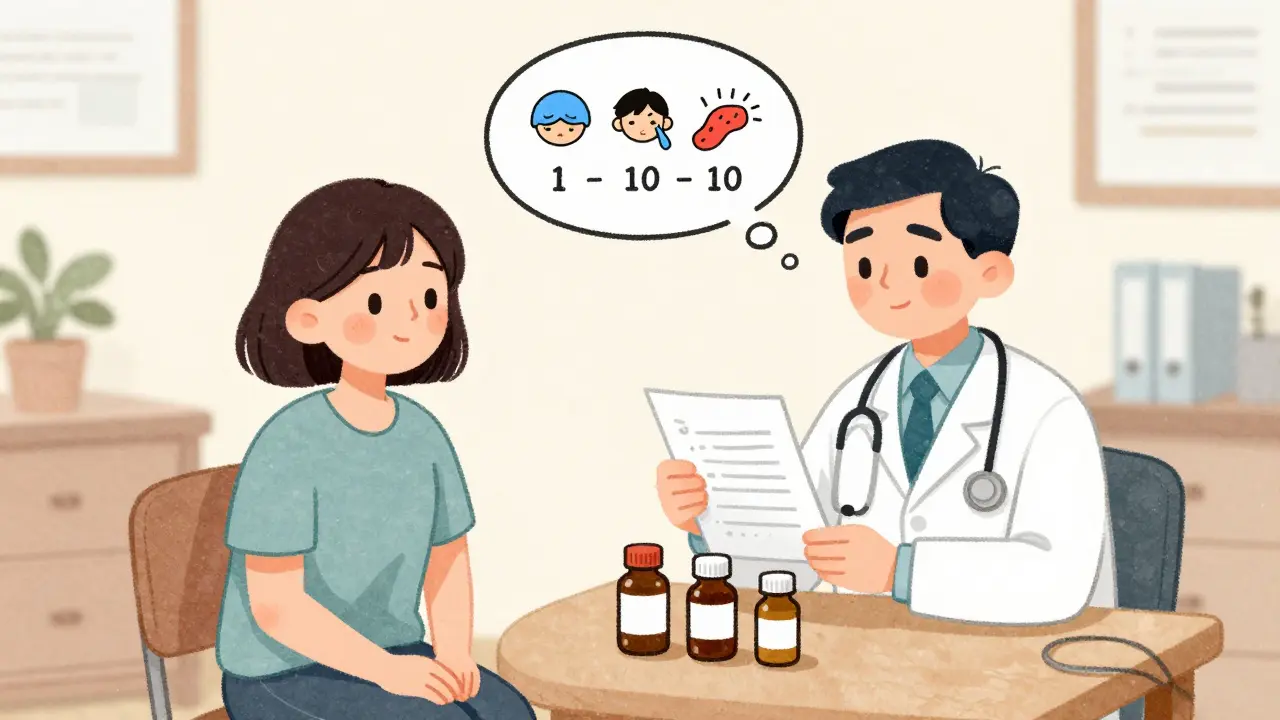
If your medication isn't working, you have the right-and the power-to ask for alternatives. Learn how to prepare, speak up, and work with your doctor to find a treatment that actually helps.
read more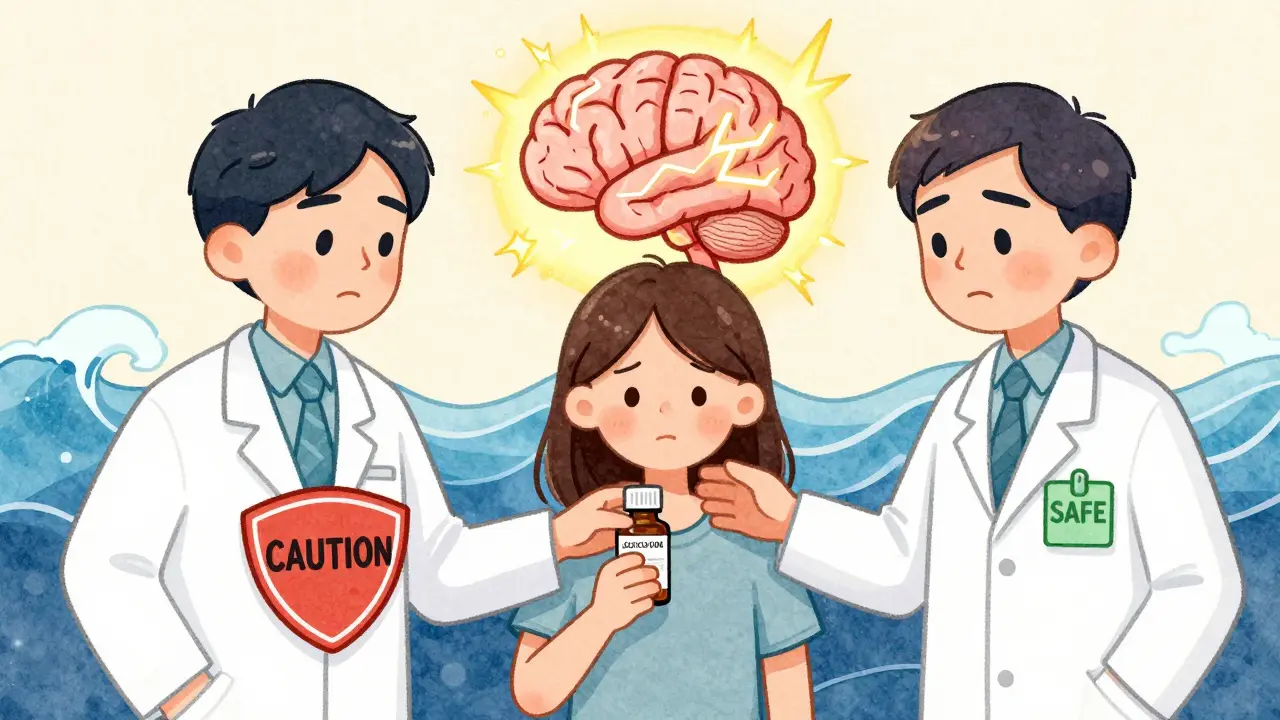
Evening primrose oil may increase seizure risk when taken with antipsychotics, but evidence is conflicting. Learn what the latest research, expert guidelines, and real patient experiences reveal about this dangerous interaction.
read more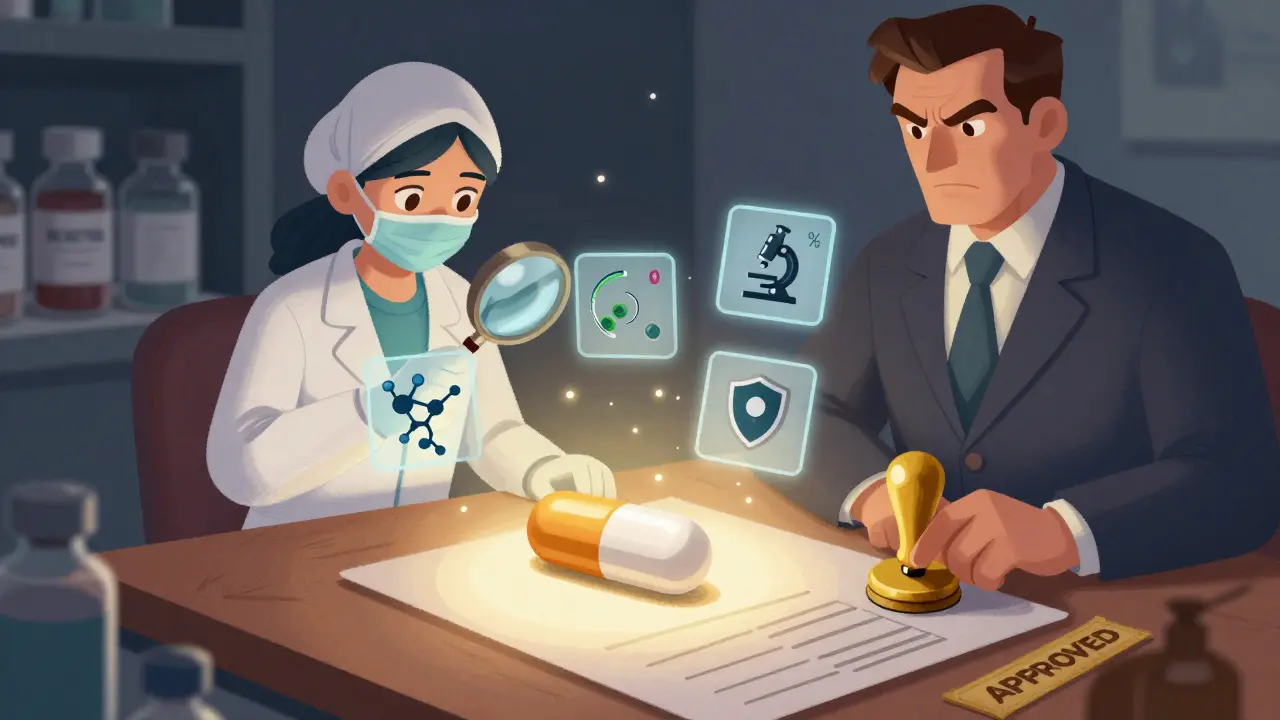
Batch release testing is the final safety check that ensures every pharmaceutical batch meets strict quality, identity, potency, and purity standards before reaching patients. It’s mandatory, scientifically rigorous, and critical to public health.
read more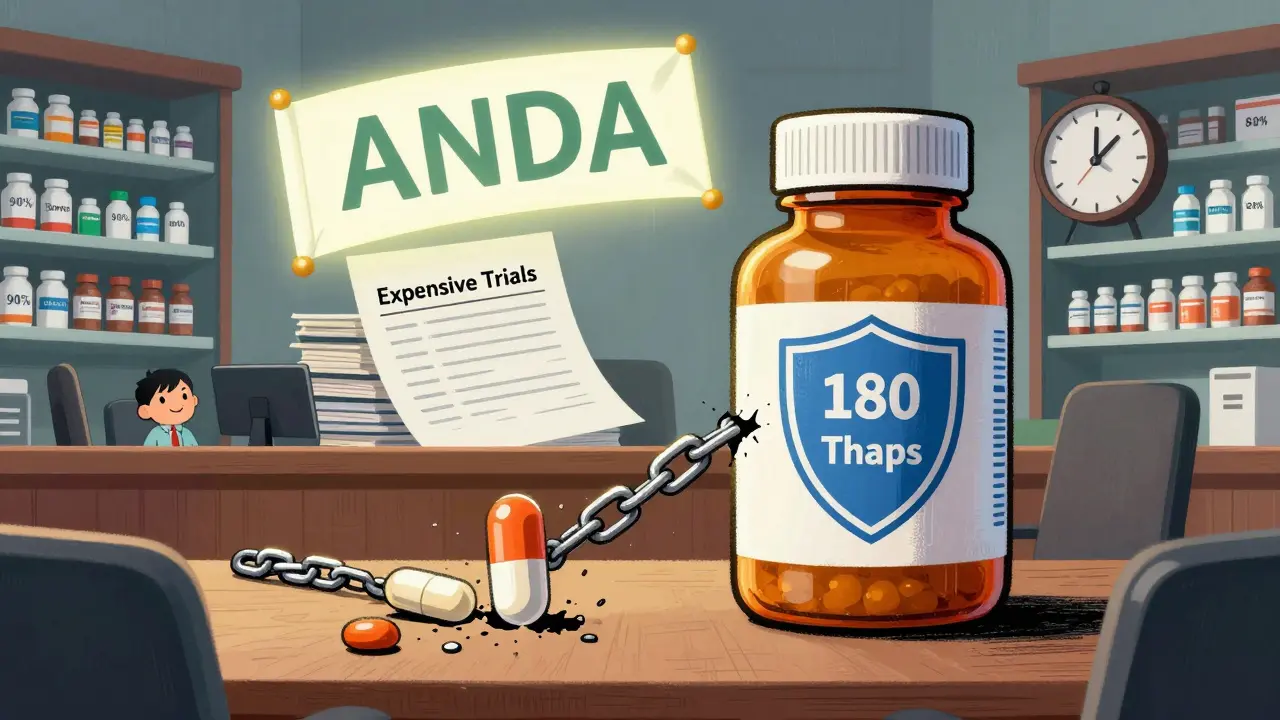
The Hatch-Waxman Act of 1984 created the legal pathway for generic drugs in the U.S., balancing innovation and competition. It cut approval costs, spurred generic entry, and saved over $1.7 trillion in healthcare spending.
read more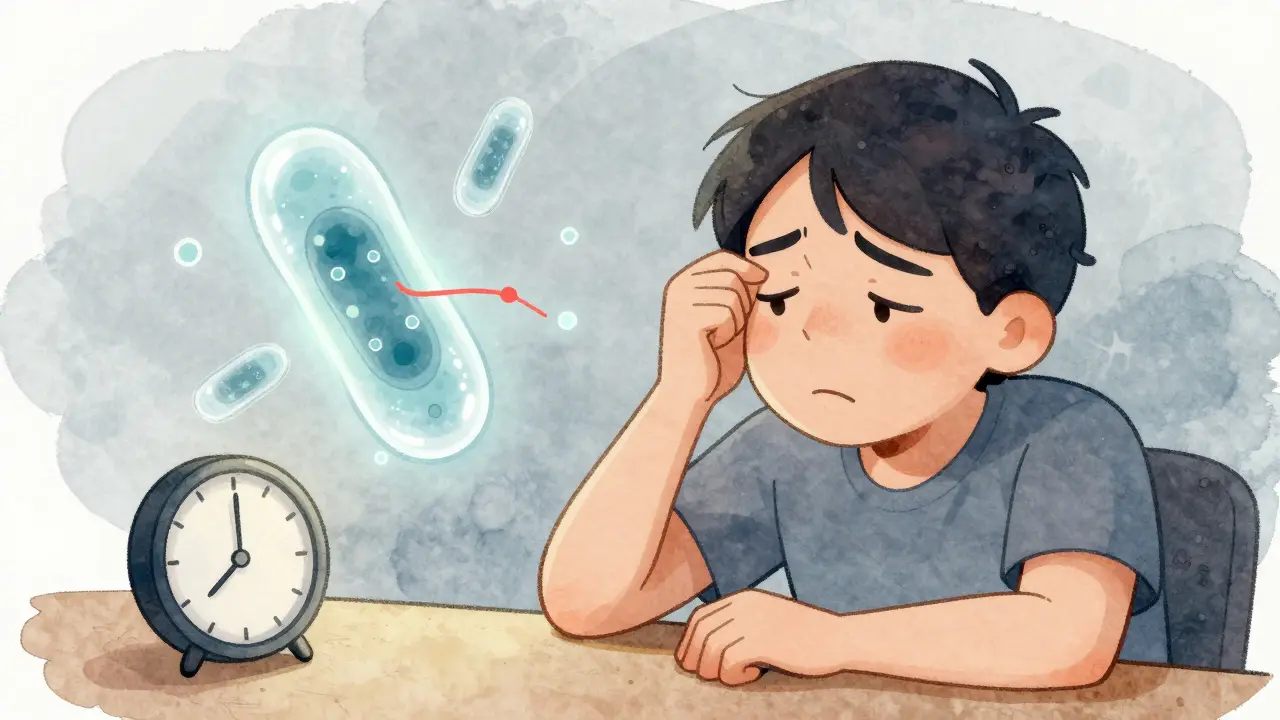
Myasthenia gravis causes muscle weakness that worsens with use and improves with rest. Learn how antibodies attack nerve-muscle connections, why treatment varies by subtype, and how new immunotherapies like efgartigimod are changing outcomes.
read more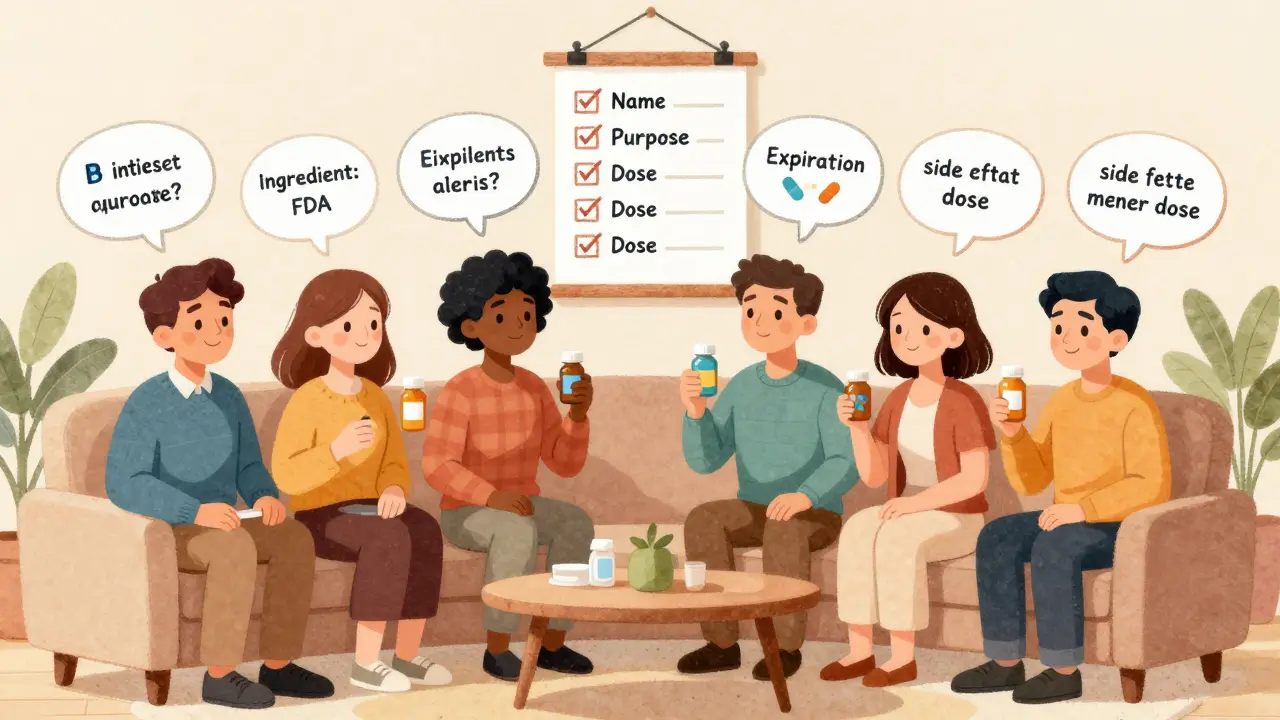
Learn how to use prescription drugs safely by knowing your meds, following the 5 rights, keeping a medication list, and asking the right questions. Avoid common errors that lead to hospital visits and serious harm.
read more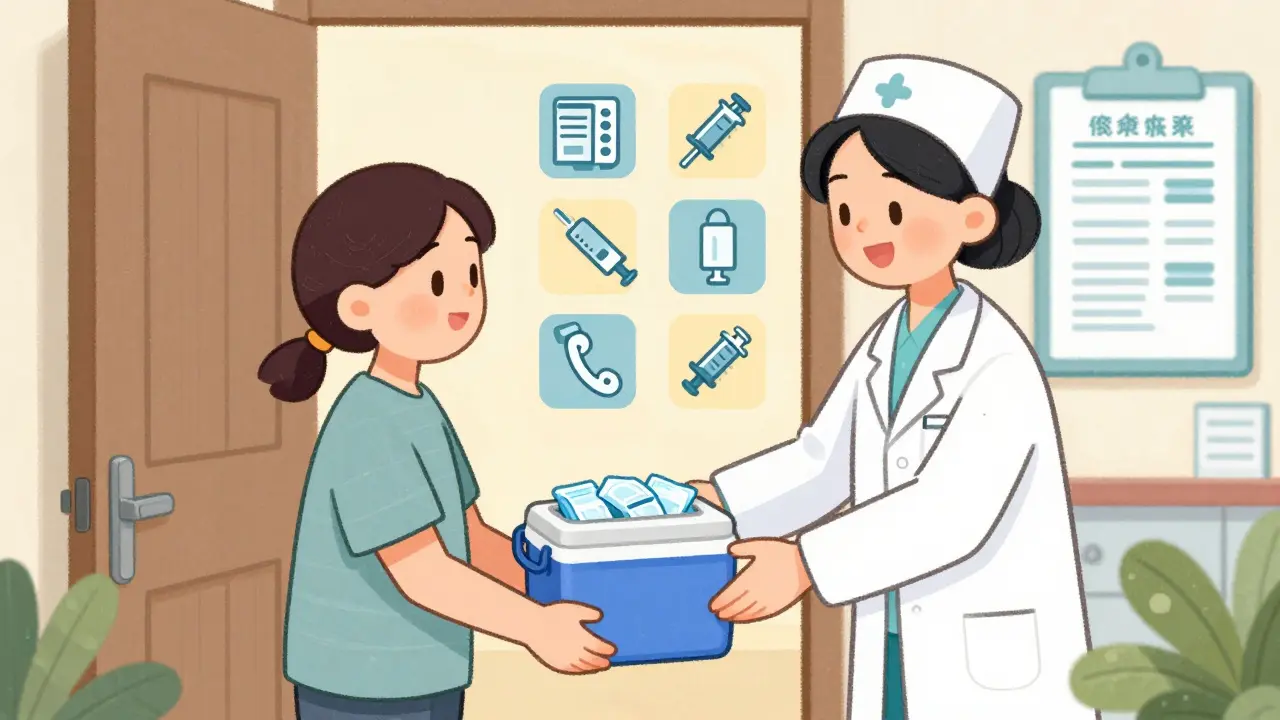
Specialty pharmacies handle generic specialty drugs with the same care as branded ones-because the complexity lies in the treatment, not the price. Learn how providers manage these drugs, why retail pharmacies can't fill them, and what's changing in 2026.
read more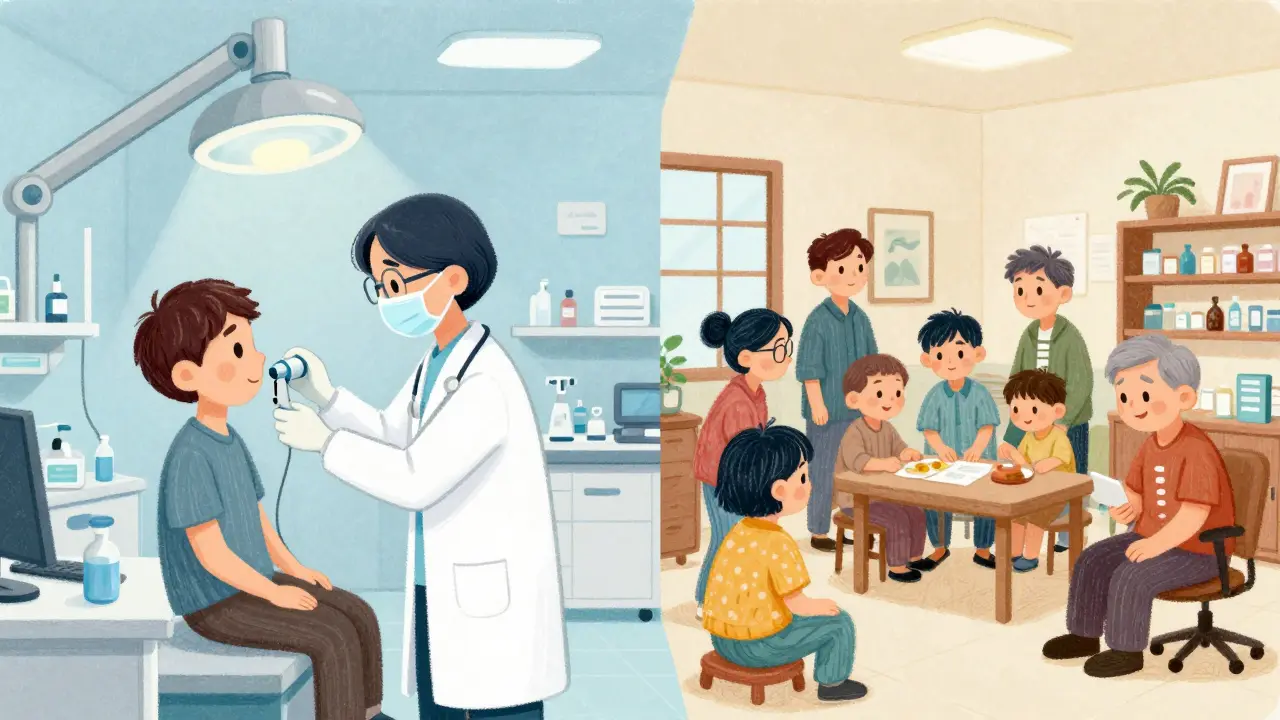
Clinical trials and real-world evidence reveal different truths about medical treatments. One is precise but artificial; the other is messy but real. Understanding these differences helps doctors and patients make informed choices. Regulatory agencies now use both approaches, but challenges remain in data quality and integration. This article explains key distinctions and why they matter for healthcare decisions.
read more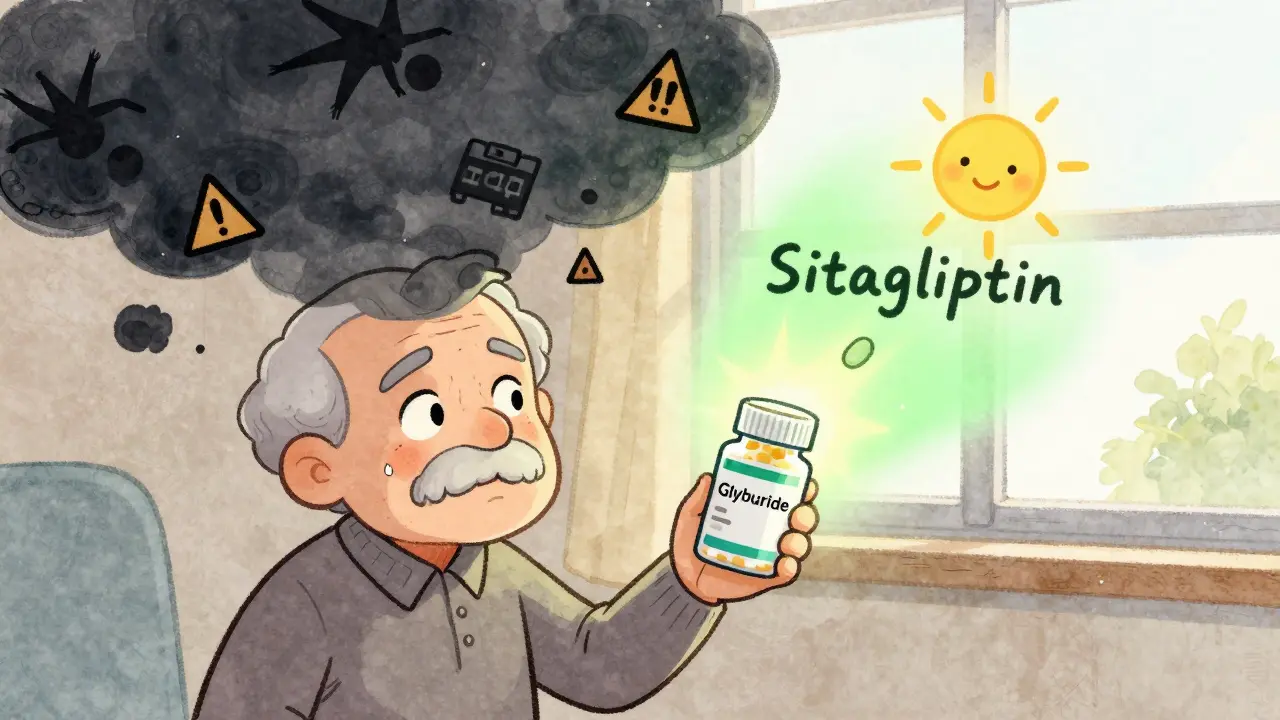
Seniors with diabetes face higher risks of dangerous low blood sugar from common medications like glyburide. Learn which drugs are safest, how to prevent hypoglycemia, and what to ask your doctor to stay safe and independent.
read more