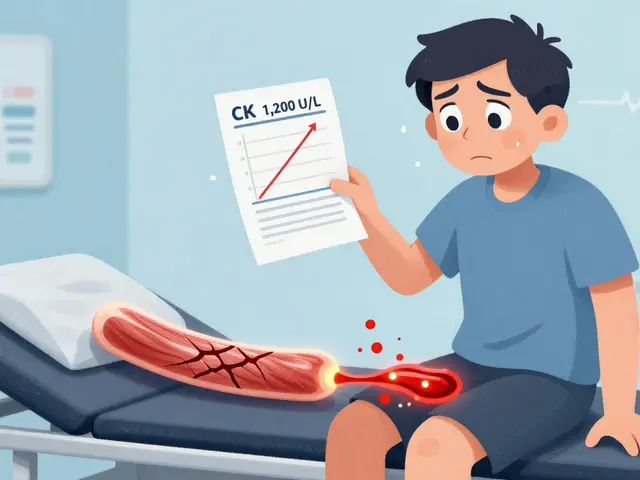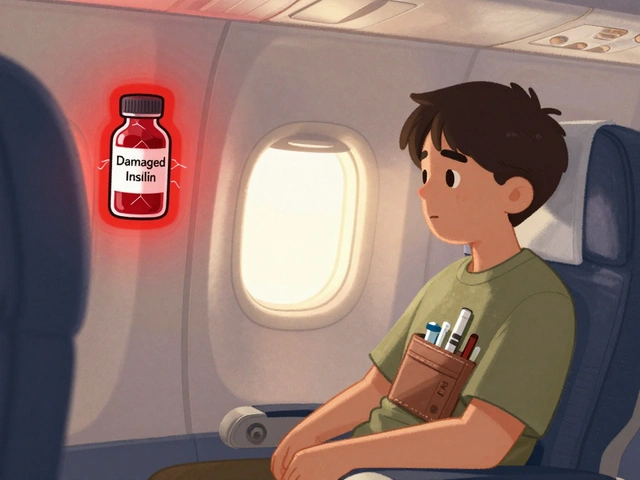
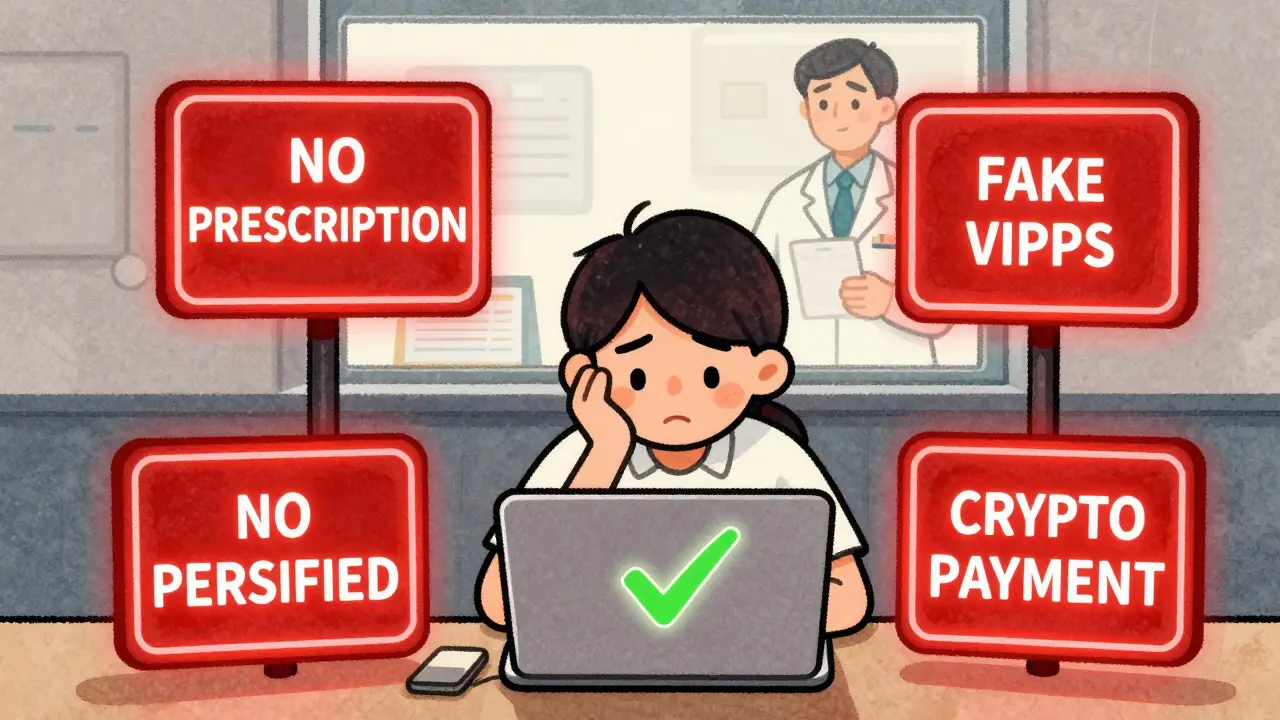
Learn how to identify licensed online pharmacies that are safe and legal. Avoid counterfeit drugs by checking for VIPPS accreditation, prescription requirements, and verified contact details before buying medication online.
read more
Learn how to successfully appeal your insurance denial for brand-name medications when generics won't work. Step-by-step guide with real strategies, deadlines, and doctor tips.
read more
Learn how vitamin C boosts iron absorption from plant foods and how to avoid common drug interactions that block its effectiveness. Simple, science-backed tips for better results.
read more
Learn how to file a direct complaint with the FDA about adverse reactions, product failures, or use errors with medications, devices, or supplements. Your report helps protect others.
read more
Ringworm, or tinea, is a common fungal skin infection that causes itchy, ring-shaped rashes. Learn how to identify it, which antifungal creams work best, and how to prevent it from coming back.
read more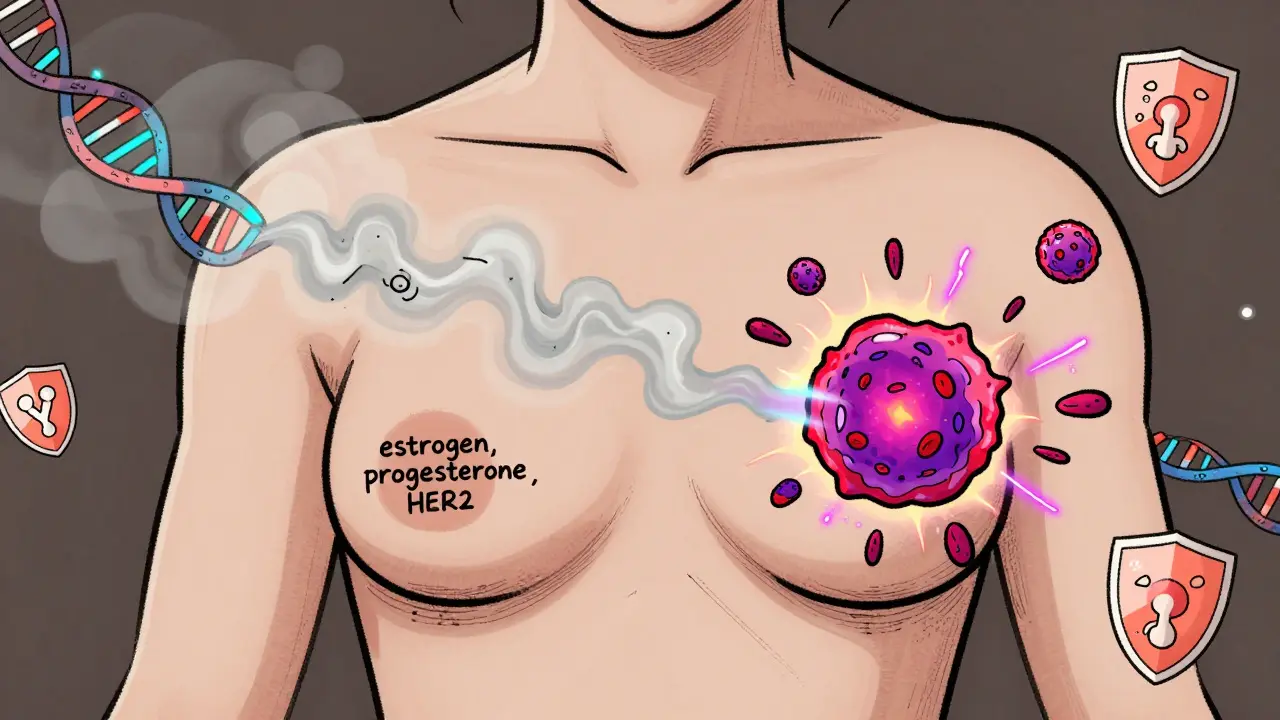
Triple-negative breast cancer treatment has evolved beyond chemotherapy. Learn how immunotherapy, PARP inhibitors, antibody-drug conjugates, and personalized vaccines are changing survival rates and reducing toxicity in 2026.
read more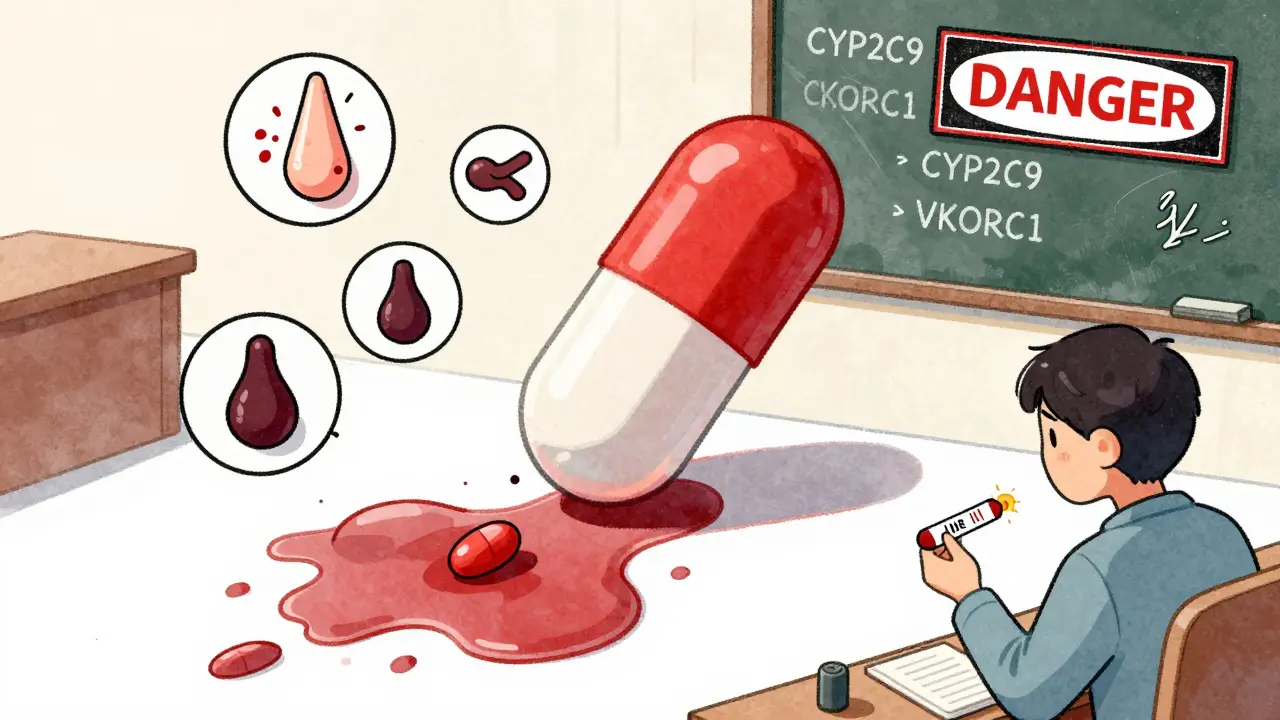
Vitamin E can increase the bleeding risk when taken with warfarin, especially at doses above 400 IU daily. Even if INR levels stay stable, dangerous bleeding can occur. Always consult your doctor before taking any supplement while on anticoagulant therapy.
read more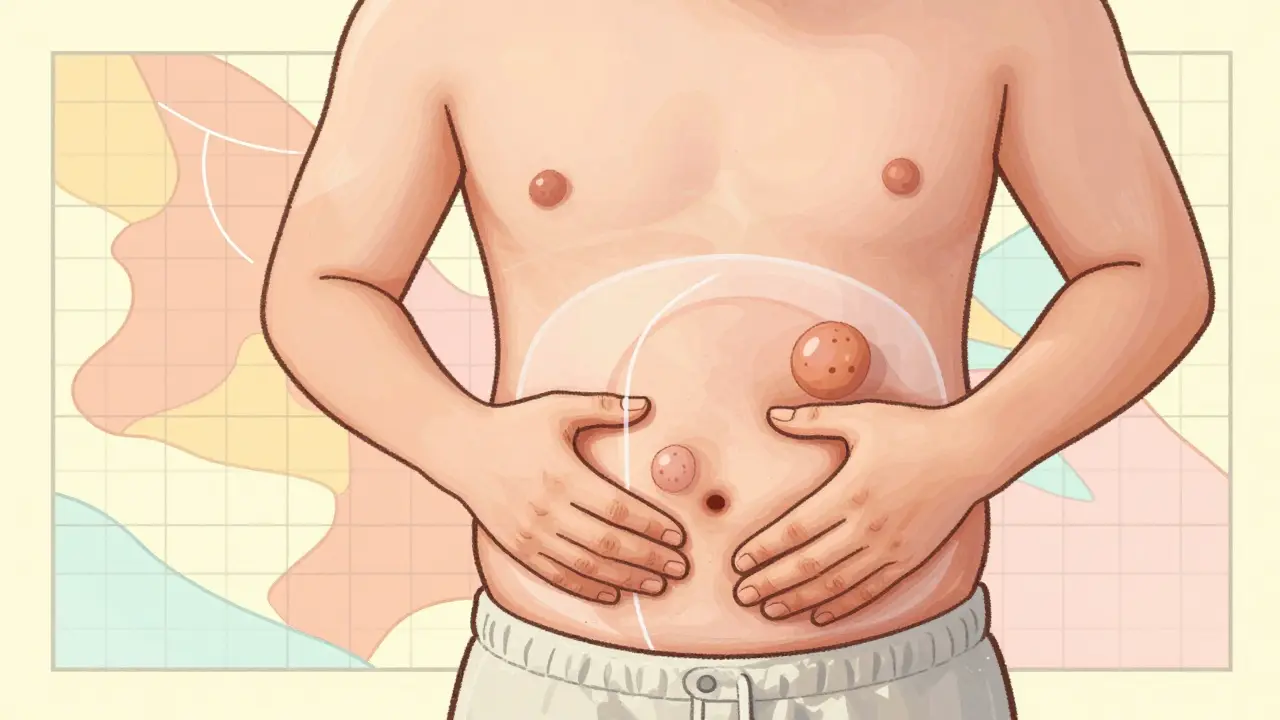
Lipodystrophy and bruising from insulin injections are common but often ignored. Learn how to spot lumps, prevent tissue damage, and stabilize your blood sugar with proper injection techniques.
read more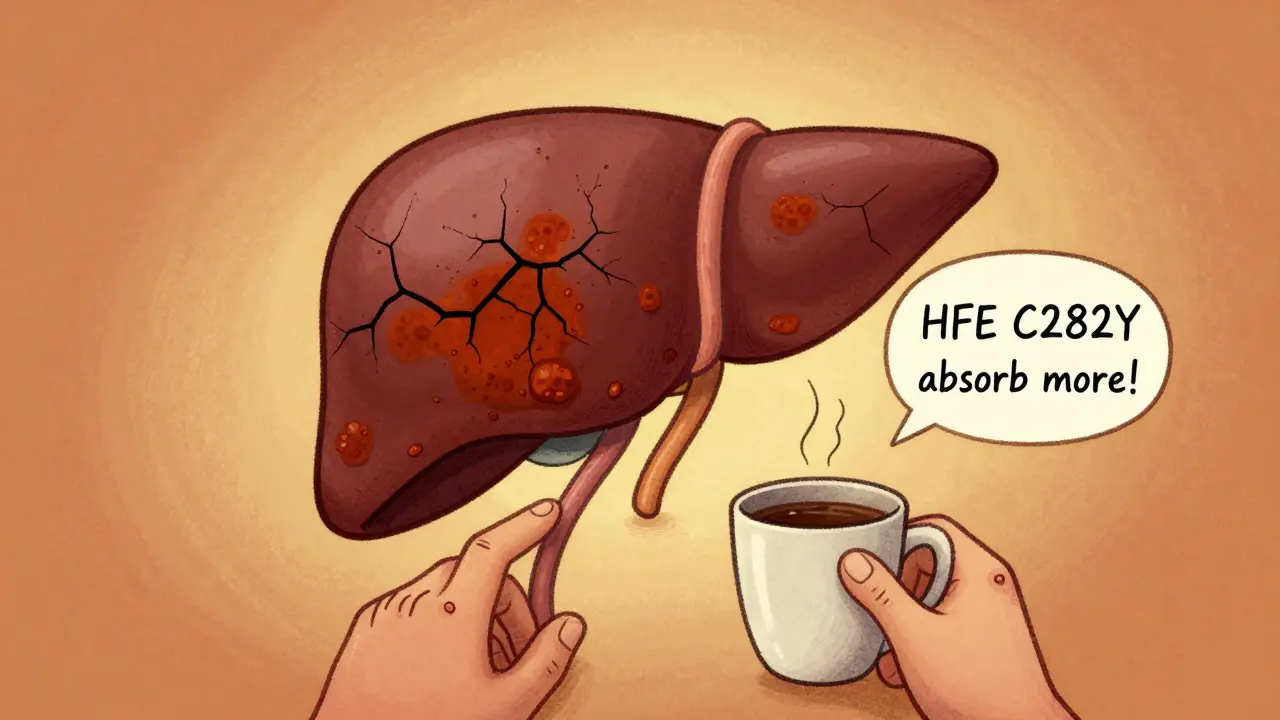
Hemochromatosis is a genetic iron overload disorder that damages the liver, heart, and pancreas. Phlebotomy-regular blood removal-is the only proven treatment that can prevent organ failure and restore normal life expectancy.
read more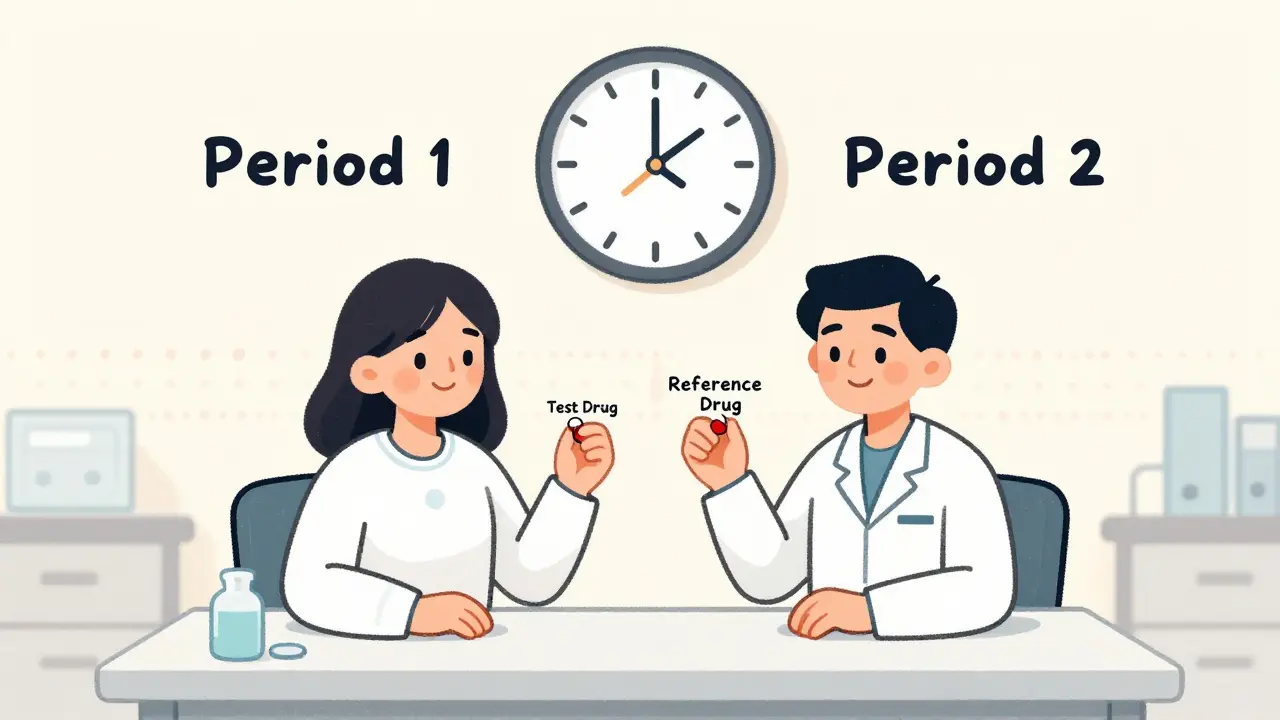
Crossover trial designs are the standard method for proving bioequivalence between generic and brand-name drugs. They reduce sample sizes, improve accuracy, and are required by the FDA and EMA for most applications. Learn how they work, when to use replicate designs, and why washout periods matter.
read more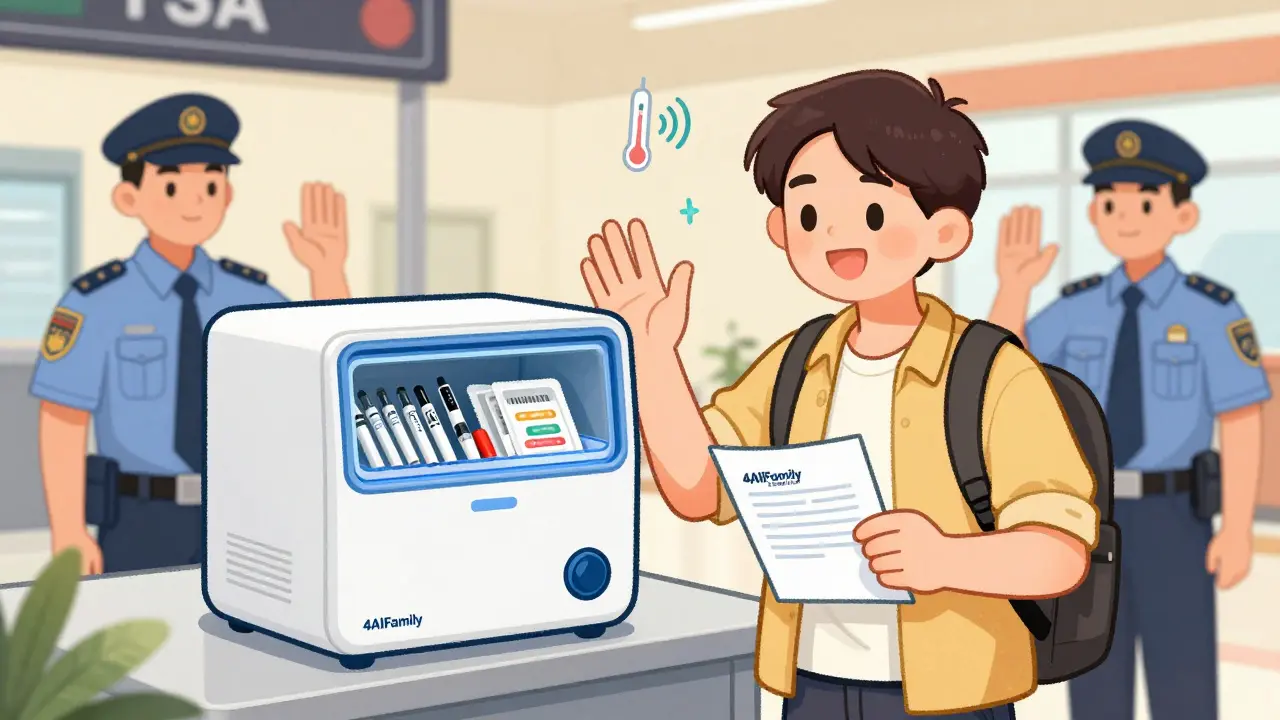
Learn the safest, most reliable ways to keep insulin, Mounjaro, and other refrigerated medications cold while traveling in 2025. From TSA rules to top coolers and real traveler tips.
read more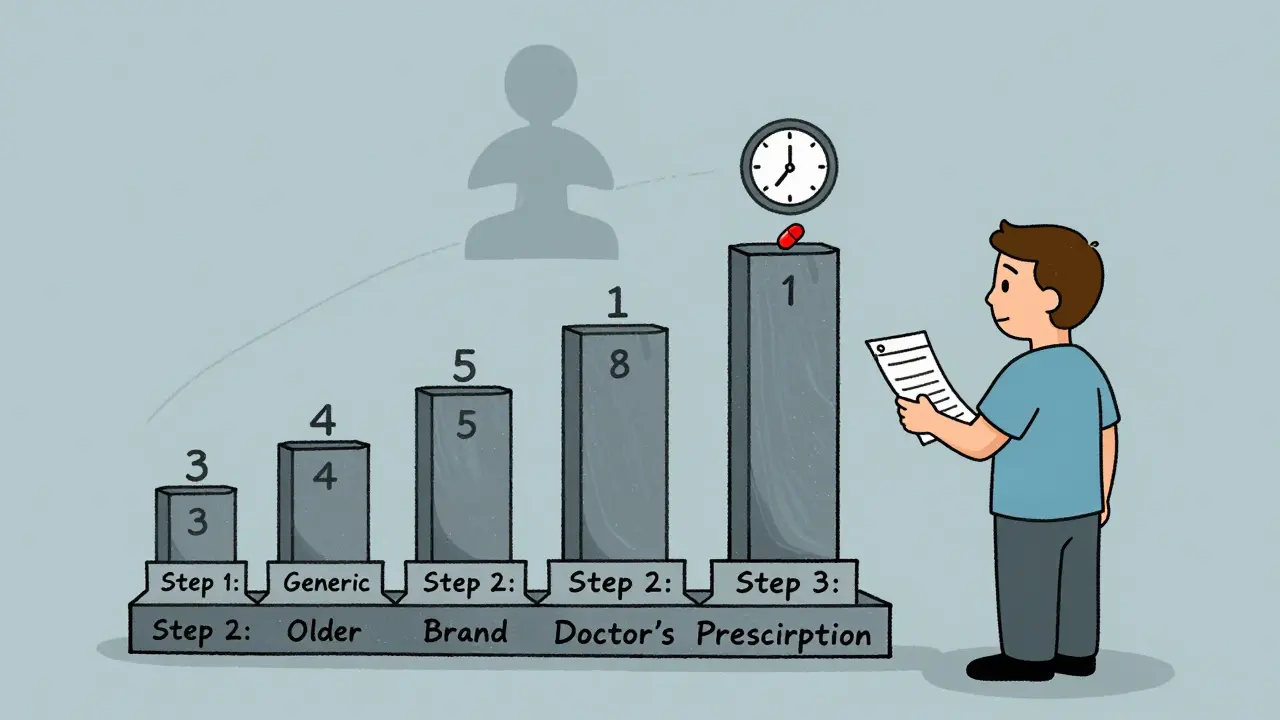
Step therapy forces patients to try cheaper generics before getting approved for brand-name drugs. Learn how it works, when it hurts, and how to fight denials with legal exceptions and doctor support.
read more