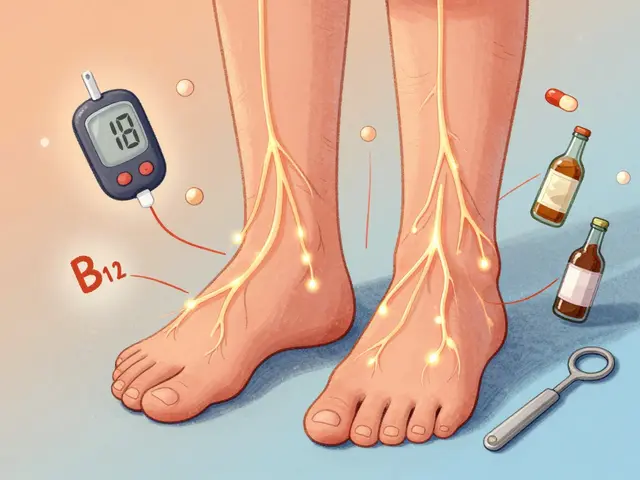
When doctors talk about lithium, a naturally occurring salt used for decades to treat bipolar disorder and stabilize extreme mood swings. Also known as lithium carbonate, it’s one of the oldest and most studied psychiatric medications still in wide use today. Unlike newer drugs, lithium doesn’t just mask symptoms—it can change the long-term course of bipolar illness, reducing both manic episodes and depressive crashes. But it’s not a simple pill to take. It requires regular blood tests, careful dosing, and awareness of how your body responds.
lithium blood levels, the precise concentration of lithium in your bloodstream that determines whether the drug is working or becoming dangerous are critical. Too low, and it won’t help. Too high, and you risk nausea, tremors, confusion, or worse. Most patients stay between 0.6 and 1.0 mmol/L, but that range isn’t the same for everyone. Your doctor will adjust your dose based on your weight, kidney function, and how your body processes the drug. This is why you can’t just start or stop lithium on your own—it’s not like taking an ibuprofen for a headache.
bipolar disorder, a chronic mental health condition marked by cycles of mania and depression is the main reason lithium is prescribed. But it’s also used off-label for depression that doesn’t respond to other antidepressants, and sometimes to help with aggression or impulse control. It’s not a sedative, and it doesn’t make you feel numb. Many people say it brings back a sense of emotional balance they hadn’t felt in years. Still, side effects like weight gain, frequent urination, and hand tremors are common. Some people stop taking it because of these, but often, the benefits outweigh the discomfort—especially when managed right.
Lithium interacts with many other drugs. Diuretics, NSAIDs like ibuprofen, and even salt intake can change how your body handles it. That’s why talking to your pharmacist about every new medication—even over-the-counter ones—isn’t optional. It’s a safety must. And while newer mood stabilizers like valproate or lamotrigine exist, lithium still has the longest track record for preventing suicide in bipolar patients, according to decades of clinical data.
What you’ll find below isn’t a textbook. It’s real advice from people who’ve lived with lithium, pharmacists who manage its use daily, and doctors who’ve seen what happens when it’s done right—or wrong. You’ll learn how to spot early signs of toxicity, how to handle side effects without quitting, and why some patients do better on lithium than any other option. Whether you’re just starting out or have been on it for years, these posts give you the practical tools to stay safe and in control.
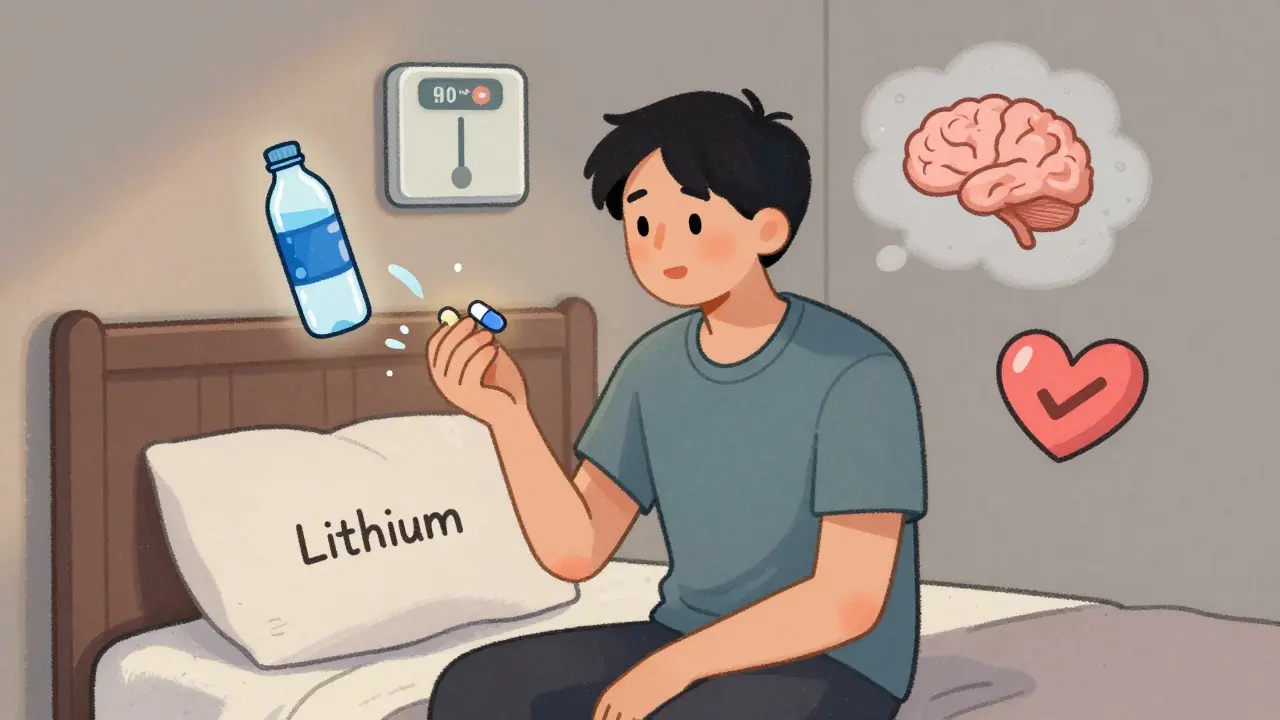
Mood stabilizers and antipsychotics are the backbone of bipolar disorder treatment, but side effects like weight gain, fatigue, and cognitive fog cause many to quit. This guide breaks down what works, what doesn't, and how to find the right balance for long-term stability.
read more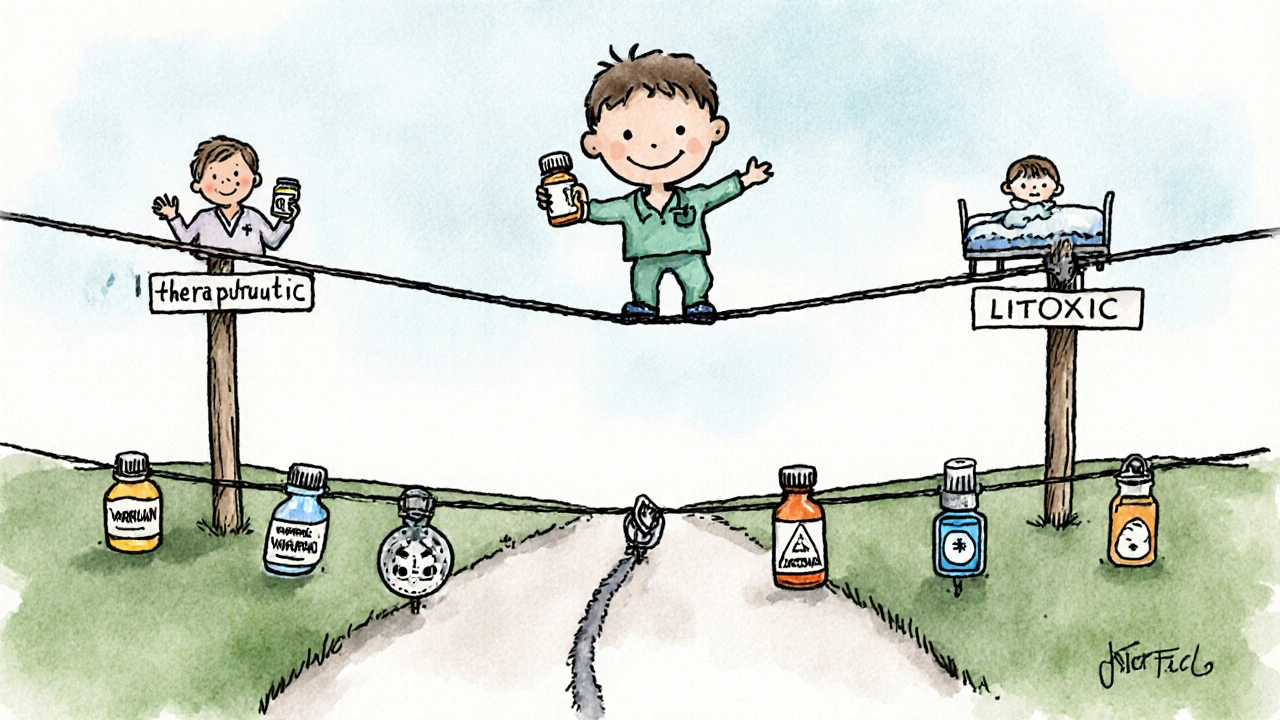
NTI drugs have a tiny margin between safe and toxic doses. Common examples include warfarin, lithium, digoxin, phenytoin, and tacrolimus. These require strict monitoring, careful dosing, and no brand switching without medical approval.
read more