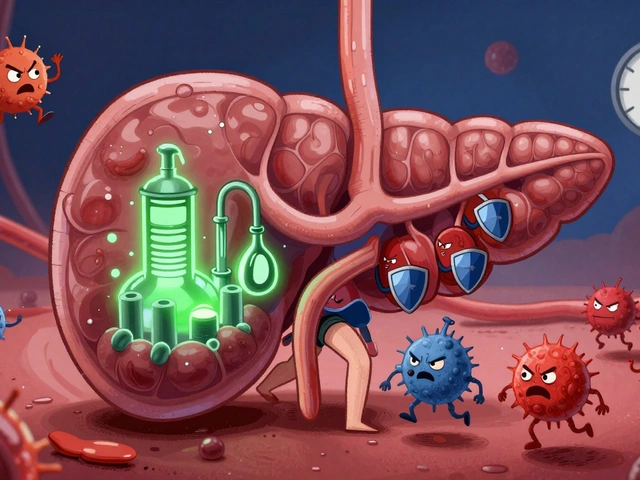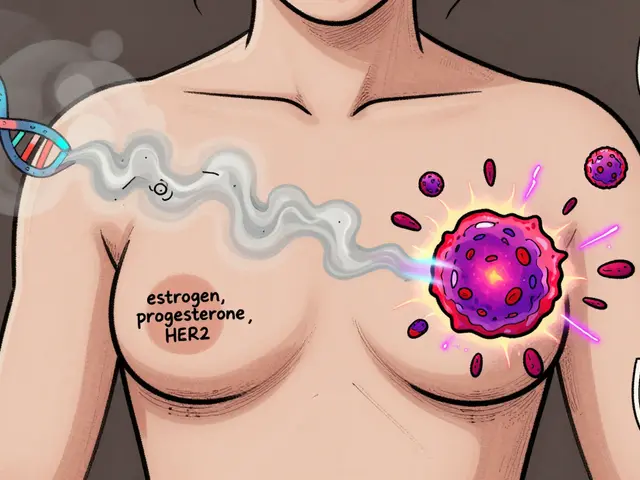
When you take warfarin, a blood-thinning medication used to prevent dangerous clots in the heart, legs, or lungs. Also known as Coumadin, it's one of the most prescribed anticoagulants in the world—but it’s not simple. One wrong dose, one new supplement, or even a change in your spinach intake can throw your whole system off. This isn’t a drug you take and forget. It demands attention, regular blood tests, and awareness of what you eat, drink, or take alongside it.
Warfarin works by blocking vitamin K, which your body needs to make clotting factors. That’s why eating large amounts of leafy greens—like kale, broccoli, or Brussels sprouts—can make warfarin less effective. On the flip side, alcohol, certain antibiotics, and even some herbal supplements like St. John’s wort can make it too strong, raising your risk of bleeding. That’s why INR monitoring, a blood test that measures how long it takes your blood to clot is non-negotiable. Most people on warfarin get tested every 1 to 4 weeks, sometimes more often when things change. Your doctor adjusts your dose based on that number, not how you feel.
Many people switch from warfarin to newer drugs like apixaban or rivaroxaban because they don’t need constant blood tests. But warfarin still has its place. It’s cheaper. It’s reversible in emergencies. And for some conditions—like mechanical heart valves or certain types of atrial fibrillation—it’s still the best option. That’s why understanding how it interacts with drug interactions, how other medications can boost or weaken its effect is critical. Even over-the-counter painkillers like ibuprofen can increase bleeding risk. Your pharmacist isn’t just filling a prescription—they’re your safety net.
There’s no magic formula for warfarin. It’s personal. Your age, weight, liver function, diet, and other meds all play a role. That’s why the posts below cover everything from how to talk to your pharmacist about supplements that interfere with warfarin, to how dose titration helps avoid side effects, and why monitoring is just as important as the pill itself. You’ll find real advice on managing this drug safely, avoiding common mistakes, and knowing when to speak up. Whether you’re just starting warfarin or have been on it for years, this collection gives you the tools to take control—not just follow instructions.

Managing warfarin requires consistent vitamin K intake, not restriction. Learn how steady eating keeps your INR stable, reduces bleeding and clot risks, and improves long-term outcomes with practical tips and real data.
read more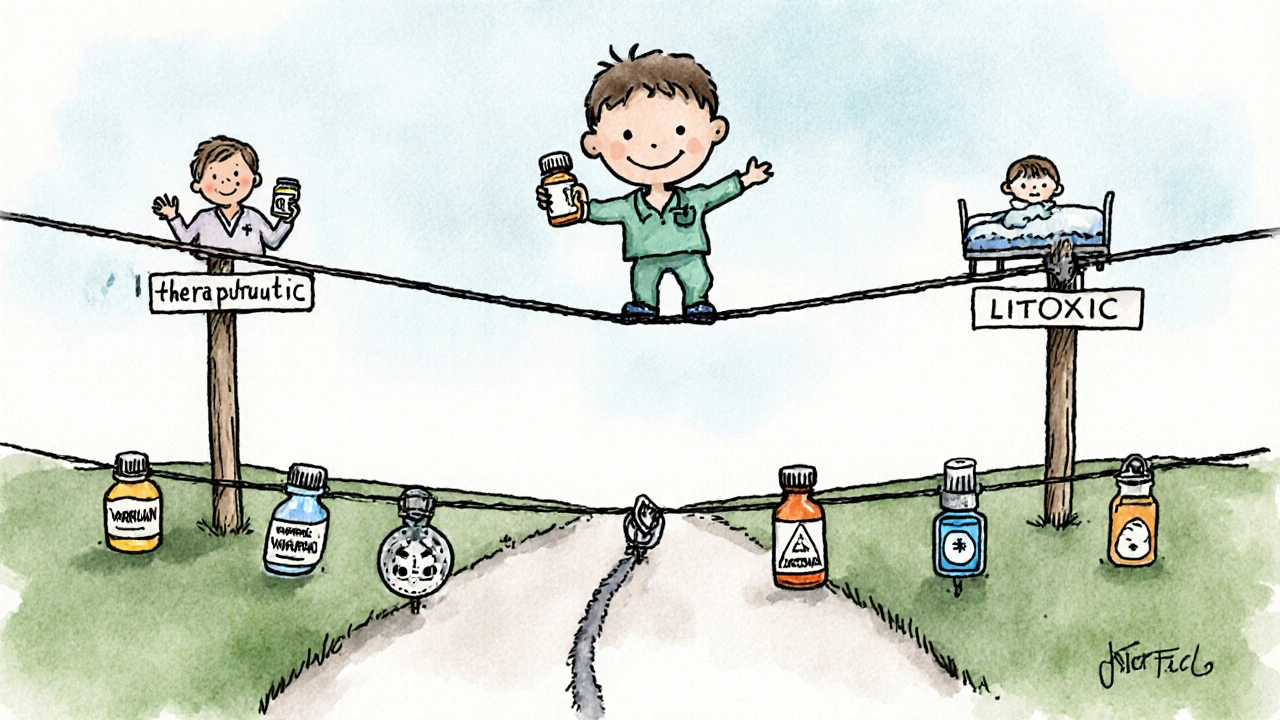
NTI drugs have a tiny margin between safe and toxic doses. Common examples include warfarin, lithium, digoxin, phenytoin, and tacrolimus. These require strict monitoring, careful dosing, and no brand switching without medical approval.
read more