When your body stops producing insulin, a hormone that lets glucose enter your cells for energy. Also known as juvenile diabetes, it’s not caused by diet or lifestyle—it’s an autoimmune condition where your immune system attacks the insulin-making cells in your pancreas. This means you’ll need insulin for life, no matter how healthy you eat or how much you exercise. Unlike type 2 diabetes, where the body resists insulin, type 1 diabetes is about total absence. It often shows up in kids and teens, but adults can get it too—sometimes called LADA, or latent autoimmune diabetes in adults.
Managing type 1 diabetes, a chronic condition requiring daily insulin and careful blood sugar tracking isn’t just about shots. It’s about constant feedback. Tools like CGM, continuous glucose monitoring systems that track sugar levels in real time give you a live readout, showing spikes and drops before they become dangerous. That’s why time in range, the percentage of time your blood sugar stays between 70-180 mg/dL is now a bigger goal than HbA1c alone. You’re not just avoiding highs and lows—you’re protecting your kidneys, eyes, nerves, and heart over decades.
Insulin isn’t one-size-fits-all. Some people use long-acting insulin once a day, others need multiple daily injections or an insulin pump. The right mix depends on your body, your schedule, and even your sleep patterns. Traveling? You’ll need to know how to store insulin on flights without freezing it. Feeling sick? Your insulin needs change fast. Even stress and caffeine can shake your numbers. That’s why the best management isn’t just medical—it’s practical. Linking doses to meals, sleep, or brushing your teeth helps you stick with it. And yes, your pharmacist can help you spot hidden interactions—like how some cold meds can spike your sugar.
What you’ll find below isn’t theory. It’s real advice from people living with type 1 diabetes: how to handle airport security with insulin, how to avoid nighttime lows, how to talk to your doctor about CGM coverage, and why some insulin brands cost less than others. You’ll see how insulin storage affects potency, how to recognize when your body needs a dose tweak, and why skipping a shot isn’t just risky—it’s dangerous. This isn’t about perfection. It’s about staying in control, day after day, without burning out.
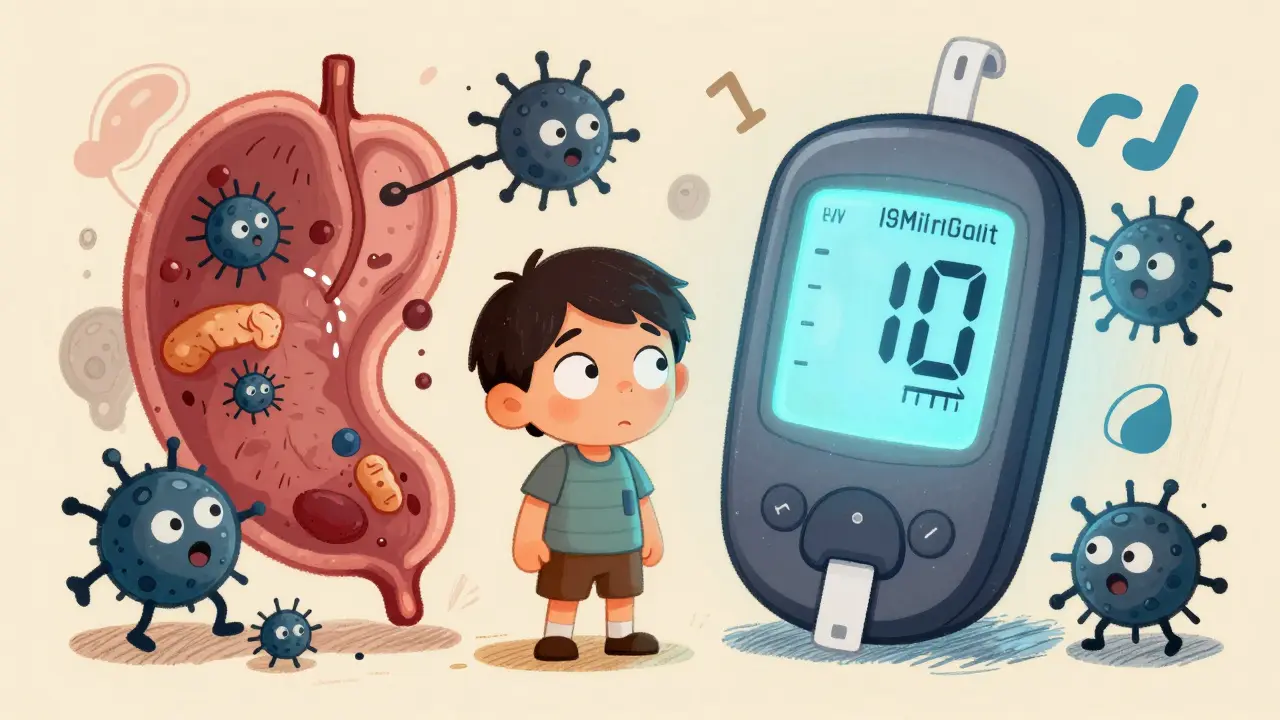
Type 1 diabetes requires lifelong insulin therapy. Learn the key symptoms, how it's diagnosed with blood tests and autoantibodies, and the latest insulin delivery options including pumps and hybrid closed-loop systems.
read more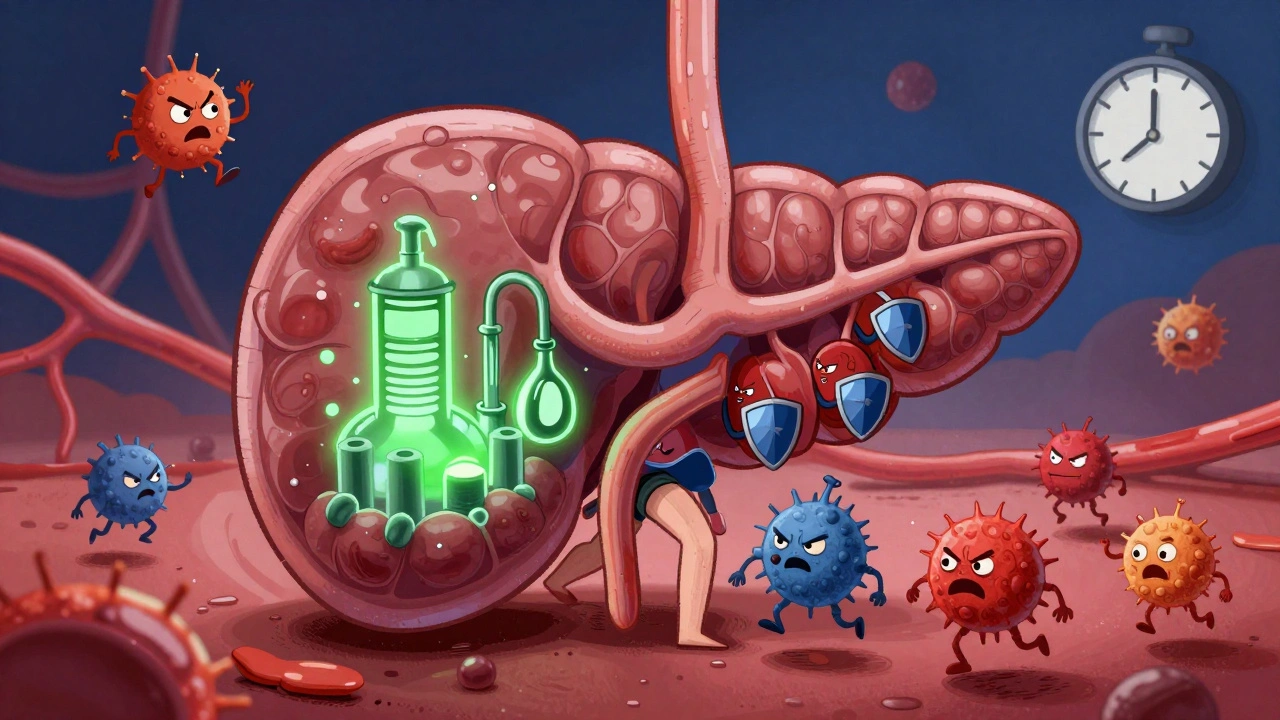
Type 1 diabetes is an autoimmune disease that destroys insulin-producing cells in the pancreas. Learn how it's diagnosed, managed with modern tech like CGM and closed-loop systems, and how new therapies like teplizumab are changing outcomes.
read more