When you're struggling to fall asleep or stay asleep, and your doctor suggests mirtazapine, a tetracyclic antidepressant originally approved for treating depression. Also known as Remeron, it's one of the few psychiatric medications that actually helps people sleep—not just by calming the mind, but by directly affecting brain chemicals tied to sleep-wake cycles. Many patients report falling asleep faster and staying asleep longer, even before their mood improves. That’s why it’s one of the most common off-label uses for this drug.
Unlike benzodiazepines or sleep pills like zolpidem, mirtazapine doesn’t just knock you out. It works by blocking certain histamine receptors in the brain, which triggers drowsiness. It also increases serotonin and norepinephrine, which can help if your sleep problems are tied to anxiety or depression. But here’s the catch: the sleep benefit usually comes at a lower dose—15 mg or less—than what’s used for depression (30 mg or more). Higher doses can actually make sleep worse because they start activating other receptors that interfere with sleep quality.
People who take mirtazapine for sleep often notice weight gain, dry mouth, and next-day grogginess. These aren’t rare side effects—they’re expected. If you’re already overweight or have diabetes, this isn’t the best first choice. And if you’re older, the drowsiness can increase your risk of falls. It’s not a long-term solution for primary insomnia, but it can be a useful bridge if your sleep problems are linked to mental health.
What’s interesting is how mirtazapine affects sleep stages. Studies show it increases deep sleep (slow-wave sleep) and reduces REM sleep early on. That’s why some people feel more rested, even if they don’t remember sleeping more. But over time, REM sleep rebounds, and the sleep quality can shift. That’s why some users report needing to adjust doses or switch after a few months.
It’s also worth noting that mirtazapine is often paired with other treatments. If you’re on it for sleep, your doctor might also be looking at your circadian rhythm, caffeine intake, or screen use before bed. It’s not a magic pill—it’s a tool that works best when combined with good sleep habits.
There are other sedating antidepressants like trazodone or doxepin, but mirtazapine stands out because it doesn’t cause the same level of next-day confusion as trazodone, and it’s less likely to cause heart rhythm issues than doxepin. Still, you need to be monitored, especially if you have liver problems or take other medications that affect your metabolism.
Below, you’ll find real-world insights from people who’ve used mirtazapine for sleep, what went wrong, what worked, and how to talk to your doctor about alternatives. You’ll also see how it compares to other sleep aids, what the research actually says about long-term use, and how to spot when it’s doing more harm than good.
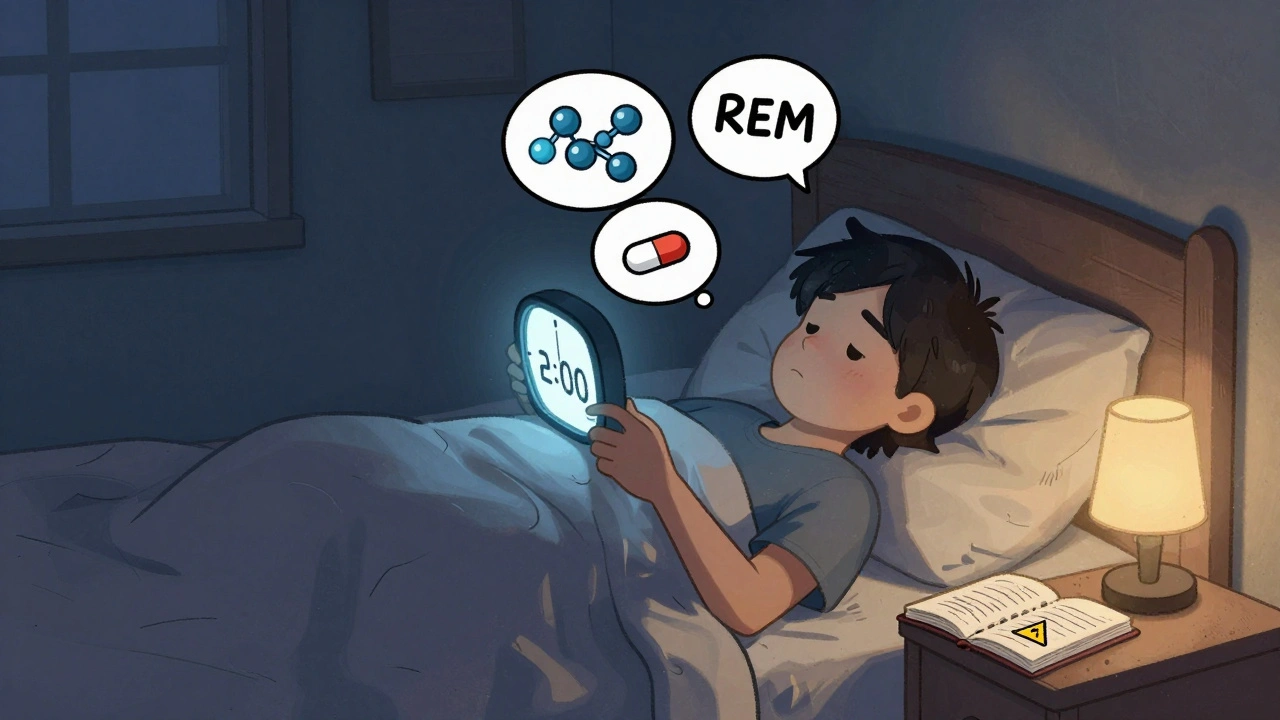
Antidepressants can cause insomnia or excessive sleepiness depending on the type. Learn which meds disrupt sleep, how to time them properly, and what alternatives work better for sleep problems.
read more