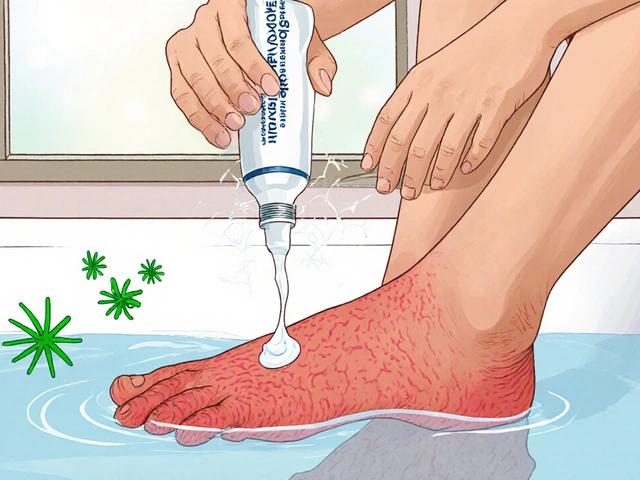
When your prescription runs out and the pharmacy says drug supply shortage is to blame, it’s not just an inconvenience—it’s a health risk. A drug supply shortage happens when manufacturers can’t make enough of a medicine to meet demand, and the result? Patients delay treatments, switch to less effective options, or go without. This isn’t rare. In 2023, over 300 drugs were on the FDA’s shortage list, including antibiotics, insulin, and heart medications. These aren’t niche drugs—they’re the ones people rely on every day to stay alive or manage chronic illness.
The problem isn’t just one thing. It’s a chain reaction. Raw ingredients often come from just one or two factories overseas, and if a quality issue pops up—or a factory shuts down for repairs—the whole supply snaps. Manufacturing delays, price controls that make it unprofitable to produce cheap generics, and sudden spikes in demand (like during a flu season or pandemic) all add up. Even something as small as a broken machine or a labor strike can ripple through the system. And when a generic drug like metformin or lisinopril disappears, there’s often no quick replacement because no other company is making enough to fill the gap.
This affects more than just your wallet. When a drug is in short supply, pharmacists may substitute it with a different brand or formulation, which can be risky for NTI drugs, medications with a narrow therapeutic index where tiny dose changes can cause serious harm like warfarin or lithium. It also pushes doctors to use less-tested alternatives or higher doses, which increases side effects. For people with renal impairment, kidney disease that requires precise dosing of drugs like apixaban or rivaroxaban, even a small switch can lead to bleeding or clots. And when you’re managing a condition like diabetes, a chronic disease that needs consistent insulin or oral meds to avoid complications, missing doses isn’t an option.
What’s worse? These shortages don’t always come with warning. You might show up for your refill and find out your usual pill isn’t available—no email, no call, no heads-up. That’s why knowing how to verify your meds through FDA databases, official tools that let you check if a drug is approved and not counterfeit matters. It’s not just about safety—it’s about staying in control when the system fails you.
The posts below show you how to handle this reality. You’ll find practical guides on talking to your pharmacist about alternatives, how to spot when a generic drug is truly equivalent, what to do when your insulin runs out mid-travel, and how to report safety issues when a substitute doesn’t work. These aren’t theoretical fixes—they’re real strategies used by people who’ve been stuck without their meds. Whether you’re managing a chronic condition, caring for someone who is, or just want to understand why your prescription keeps changing, this collection gives you the tools to push back, adapt, and stay safe.
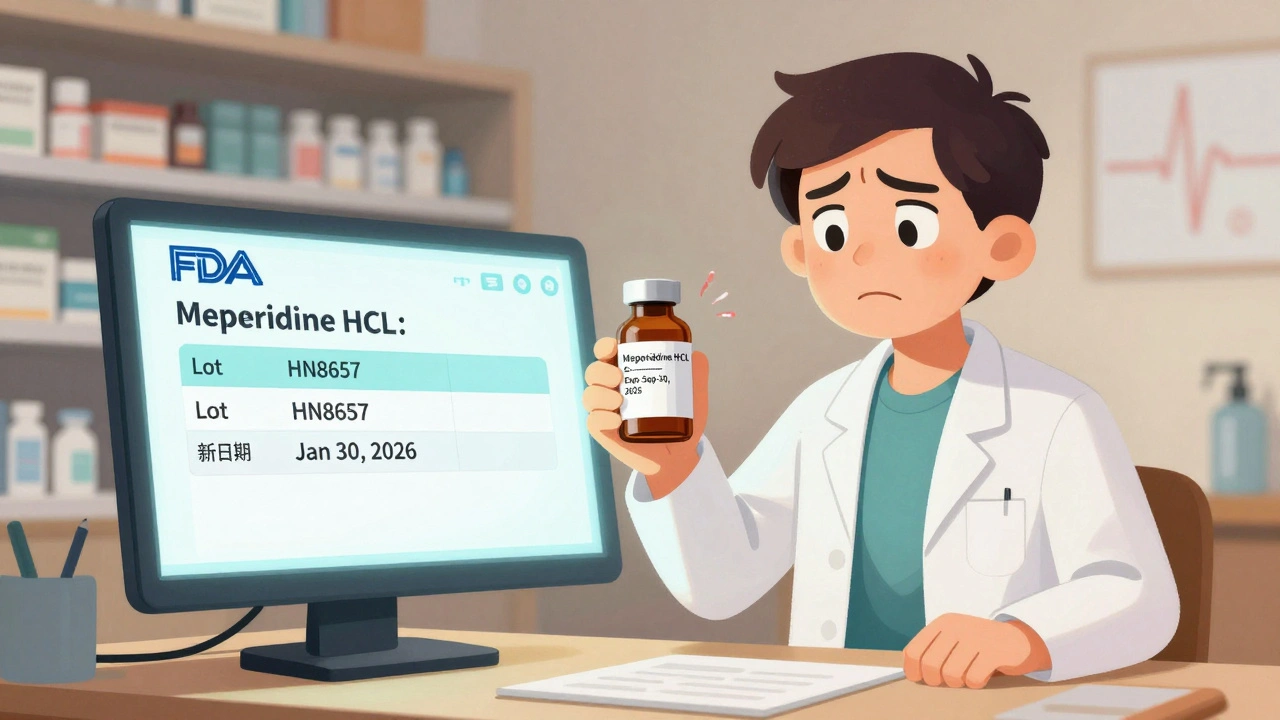
The FDA extends expiration dates for critical drugs during shortages to prevent life-threatening gaps in supply. Learn how it works, which drugs qualify, and what hospitals must do to stay compliant.
read more