
When your heart doesn’t get enough oxygen, it struggles to keep up—and that’s where trimetazidine, a metabolic agent used to treat angina by shifting how heart cells produce energy. Also known as a cardiac metabolic modulator, it doesn’t lower blood pressure or slow your heart rate like other heart drugs. Instead, it helps your heart work more efficiently with less oxygen. This makes it useful for people with chronic angina who still feel chest pain even while on beta-blockers or calcium channel blockers.
Trimetazidine works by blocking a specific enzyme in heart cells that normally uses fatty acids for energy. When that pathway is blocked, the heart switches to glucose, which requires less oxygen to produce the same amount of energy. Think of it like switching from a gas-guzzling truck to a fuel-efficient hybrid—you still get the same job done, but with less strain. This mechanism is why it’s called an anti-ischemic drug, a type of medication designed to protect heart tissue during low-oxygen conditions. Unlike nitroglycerin, which opens blood vessels, trimetazidine works at the cellular level, making it a unique tool in heart disease management.
It’s not a cure, and it won’t stop a heart attack. But for people with stable angina, it can reduce how often chest pain happens and improve how well they can walk or climb stairs without discomfort. Studies show it’s especially helpful when combined with standard treatments, not as a replacement. You won’t find it in the U.S., where the FDA hasn’t approved it, but it’s widely used in Europe, Asia, and Latin America. If you’re taking it, your doctor is likely monitoring for side effects like dizziness, stomach upset, or rare movement disorders—especially in older adults.
People often ask if there are better alternatives. Drugs like ranolazine work similarly by targeting heart metabolism, while others like beta-blockers or nitrates focus on blood flow. The choice depends on your overall health, other medications, and how your body responds. Some patients do better on trimetazidine because it doesn’t affect heart rate or blood pressure, which matters if you have low blood pressure or asthma.
What you’ll find below are real, practical posts that dig into how trimetazidine fits into the bigger picture of heart care. You’ll see how it compares to other medications, what the science says about long-term use, and how it interacts with common drugs like blood pressure pills or diabetes meds. There’s no fluff—just clear, evidence-based info from people who’ve studied this drug in real patients. Whether you’re taking it, considering it, or just trying to understand why your doctor prescribed it, these posts give you the facts you need to ask better questions and make smarter choices.
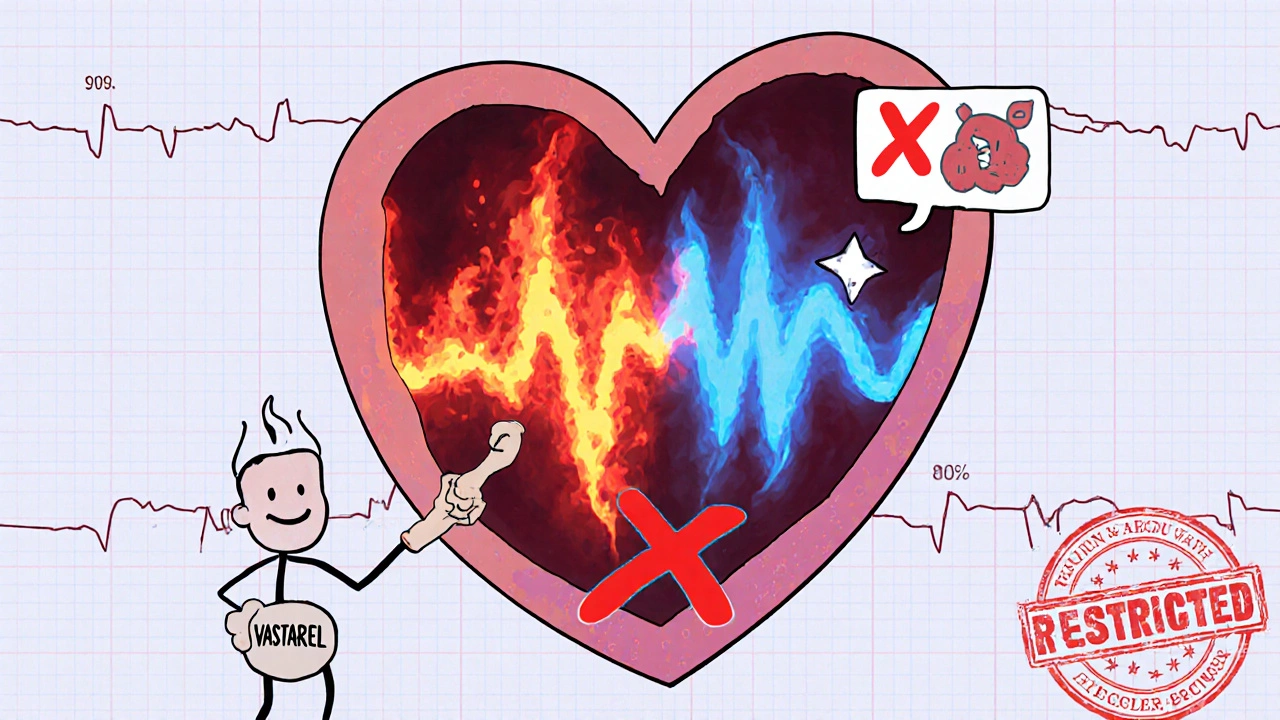
Compare Vastarel (trimetazidine) with safer, better-studied alternatives like ranolazine, beta-blockers, and nitroglycerin for managing angina. Learn what doctors recommend in 2025 and which options carry fewer risks.
read more