When grief doesn’t fade—it becomes prolonged grief disorder, a clinical condition where intense sorrow lasts months or years, blocking daily function and emotional healing. Also known as persistent complex bereavement disorder, it’s not just feeling sad after a loss. It’s being stuck in it—unable to return to work, losing interest in things you once loved, or avoiding reminders of the person who died. Unlike normal grief, which slowly softens over time, prolonged grief disorder keeps the pain sharp and constant, often worsening without support.
This condition doesn’t live in isolation. It interacts directly with depression, a mental health state that already lowers motivation and makes taking meds harder. If you’re on medication for high blood pressure, diabetes, or thyroid issues, prolonged grief can make you forget doses, skip refills, or stop taking pills altogether. That’s not laziness—it’s the brain’s response to overwhelming loss. Studies show people with prolonged grief are three times more likely to have poor medication adherence than those grieving normally. And when grief and depression team up, side effects feel worse, recovery slows, and even small health changes become overwhelming.
It also affects how you respond to treatment. grief therapy, a focused form of counseling designed to help people process loss without getting trapped in it, isn’t just talk. It’s a tool that can rebuild routines—like taking meds on time, eating regularly, or sleeping through the night. Many of the posts here cover similar ground: how depression breaks adherence, how sleep changes from antidepressants, how to pair meds with daily habits. These aren’t random topics—they’re all pieces of the same puzzle. Prolonged grief disorder doesn’t just hurt your heart. It messes with your schedule, your memory, your willpower. And if you’re on immunosuppressants, blood thinners, or insulin, missing doses isn’t just inconvenient—it’s dangerous.
You’re not alone if you’ve been grieving for over a year and still feel like you’re drowning. This isn’t weakness. It’s a recognized medical condition that needs attention, not just time. The posts below give you real strategies: how to spot when grief is turning into something worse, how to talk to your pharmacist about meds when you’re emotionally drained, how to use simple habits to stay on track even when everything feels heavy. You don’t need to fix everything at once. Just start with one pill. One breath. One day.
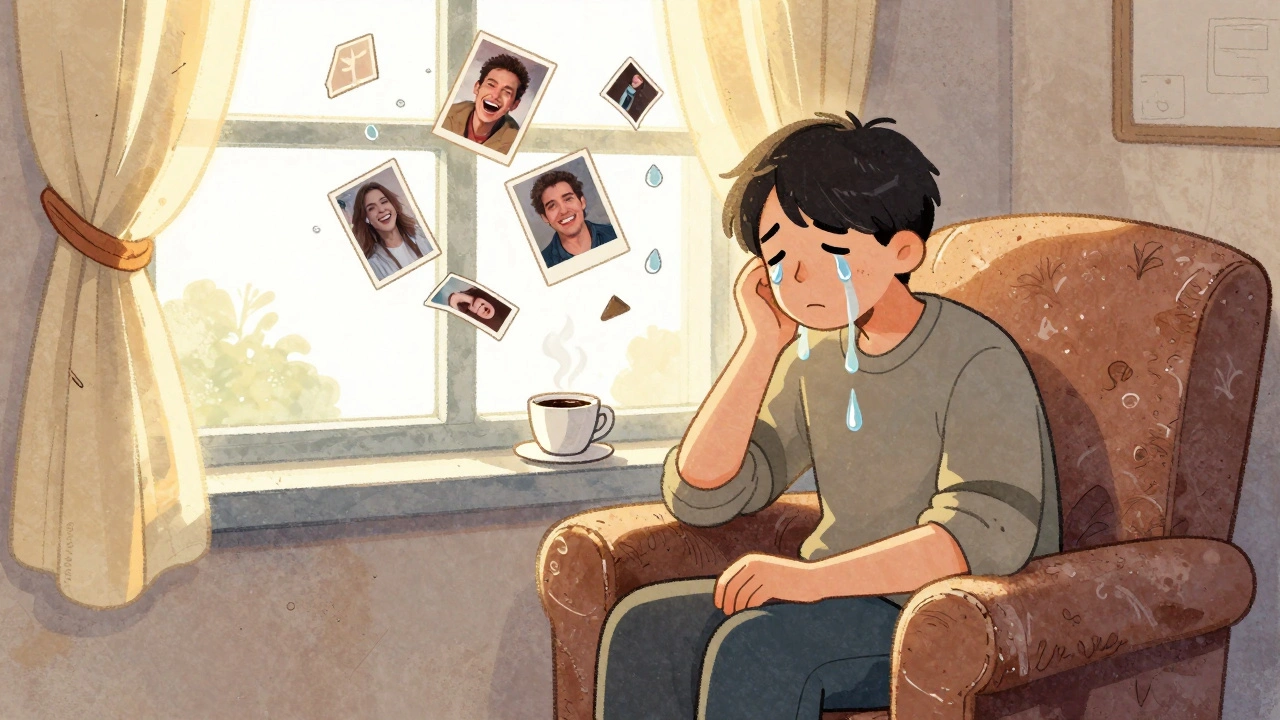
Learn how to tell the difference between grief and depression, what treatments actually work, and when to seek help. Grief is tied to loss; depression is a clinical condition. Knowing which is which saves lives.
read more