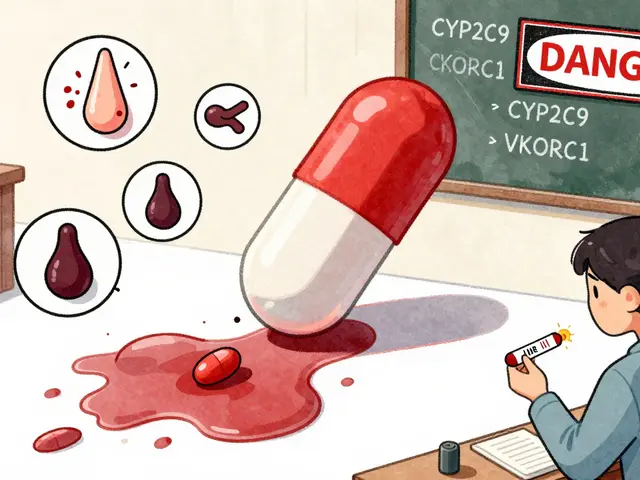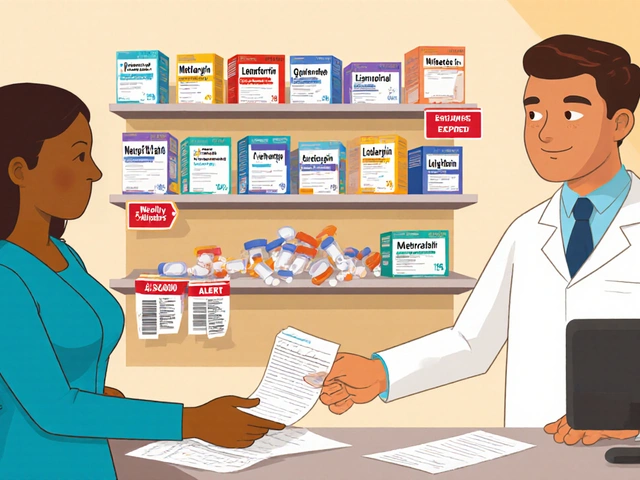
When you take a pill, you expect it to help—not hurt. That’s where pharmaceutical safety, the system of checks, rules, and monitoring designed to prevent harm from medications. Also known as drug safety, it’s the invisible guardrail between a medicine working as intended and something going dangerously wrong. It’s not just about avoiding side effects. It’s about knowing when a common cold medicine can spike your blood pressure, why your antidepressant might cause brain zaps if stopped too fast, or how a generic version of your brand-name drug is just as safe—but only if it’s approved correctly.
Drug interactions, when one medication changes how another works in your body are one of the biggest hidden dangers. Take pseudoephedrine in a nasal spray with your blood pressure pill—suddenly your heart races, your pressure climbs, and you’re at risk. Or consider how acid-reducing drugs like omeprazole can block your body from absorbing key antibiotics or bone meds. Even medication guides, the printed sheets pharmacists are legally required to hand out with certain drugs exist because someone once died from not knowing what to watch for. These aren’t paperwork—they’re lifelines.
And then there’s the rise of generics. The FDA generic approval, the process that lets cheaper versions of brand-name drugs enter the market saves billions—but only if the system works right. The 180-day exclusivity window under the Hatch-Waxman Act isn’t just a business tactic; it’s what drives prices down fast. But it also means more drugs hit shelves quickly, and safety monitoring has to keep up. That’s why monitoring digoxin levels, checking for QT prolongation from antibiotics, or watching for gene therapy side effects years later matters. Pharmaceutical safety isn’t a one-time check. It’s an ongoing conversation between you, your doctor, your pharmacist, and the system that approves these drugs.
You’ll find real examples here: how to talk to your doctor about generics, why certain heart meds need blood tests, what happens when you mix decongestants with hypertension drugs, and how a simple change in stomach pH can make your medication useless. These aren’t theory pieces—they’re the kind of info that stops a bad reaction before it starts. Whether you’re managing GERD, switching antidepressants, or just trying to avoid a dangerous combo, the posts below give you the exact details you need—no fluff, no jargon, just what works and what to watch out for.
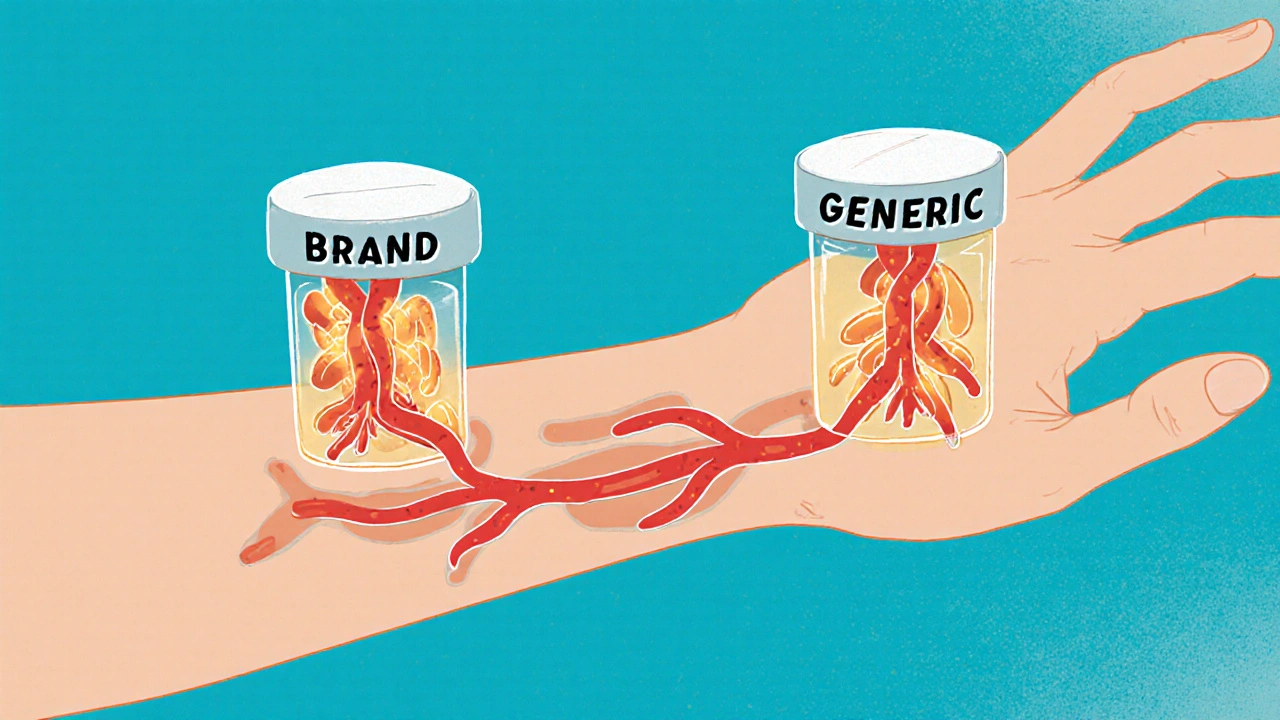
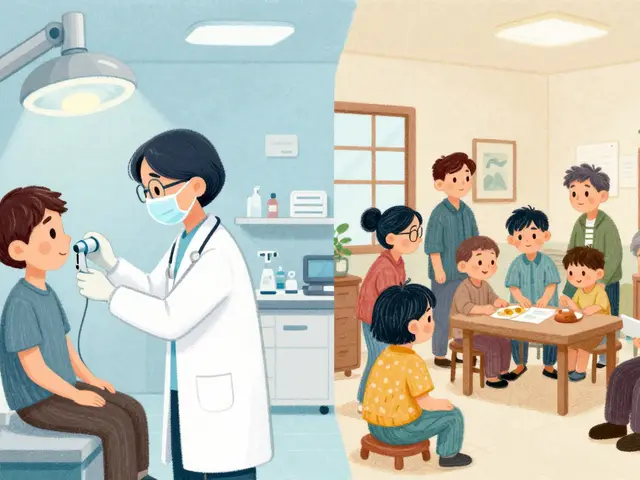
Bioequivalence testing ensures generic drugs work the same as brand-name versions. Learn why this science is critical for patient safety, how regulators enforce it, and what you should know when switching medications.
read more