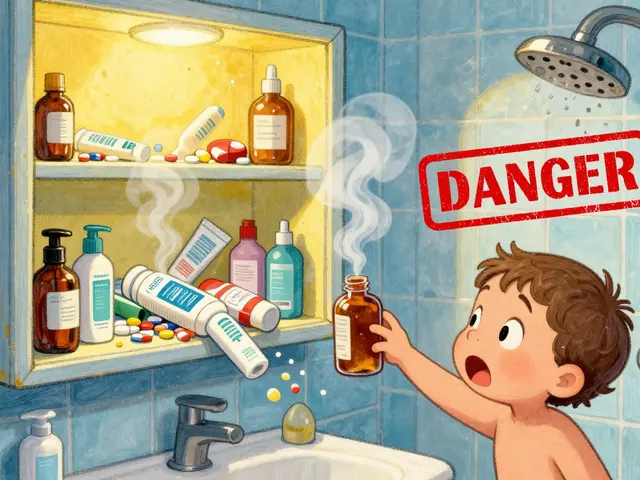
When a medication has a Narrow Therapeutic Index, a small range between the dose that works and the dose that causes harm. Also known as NTI drugs, these medications require careful dosing because even tiny changes can lead to toxicity or treatment failure. Think of it like walking a tightrope—go a little too far one way, and you risk serious side effects; go too little, and the drug doesn’t do its job. This isn’t theoretical—it’s life-or-death for people taking drugs like warfarin, digoxin, or phenytoin.
NTI drugs are common. You might not realize it, but if you’re on blood thinners, seizure meds, or heart drugs like digoxin, you’re likely taking one. These aren’t rare oddities—they’re standard treatments for chronic conditions. But unlike most meds where a 10% dose change is harmless, an NTI drug might need to be measured in milligrams, sometimes even micrograms. That’s why therapeutic drug monitoring, the practice of regularly testing blood levels to ensure the dose stays in the safe zone is non-negotiable. It’s not optional. Skipping a blood test for warfarin or digoxin isn’t just risky—it’s dangerous. And that’s why pharmacists and doctors pay close attention to interactions. A single antibiotic or supplement can throw off your levels, leading to clots, seizures, or heart rhythm problems.
These drugs also demand more from you. You can’t just take them and forget. You need to track symptoms, report changes in how you feel, and be upfront about everything else you’re taking—even over-the-counter stuff. That’s why posts here cover topics like digoxin monitoring, how to interpret blood levels and avoid toxicity, and how acid-reducing medications, like PPIs and H2 blockers can alter absorption of NTI drugs. It’s not just about the pill in your hand—it’s about your whole health picture. The posts below give you real, practical guidance on how to manage these meds safely: how to talk to your doctor about dose adjustments, what to watch for when switching generics, and why some NTI drugs demand stricter rules than others. You won’t find fluff here—just what you need to stay in the safe zone.
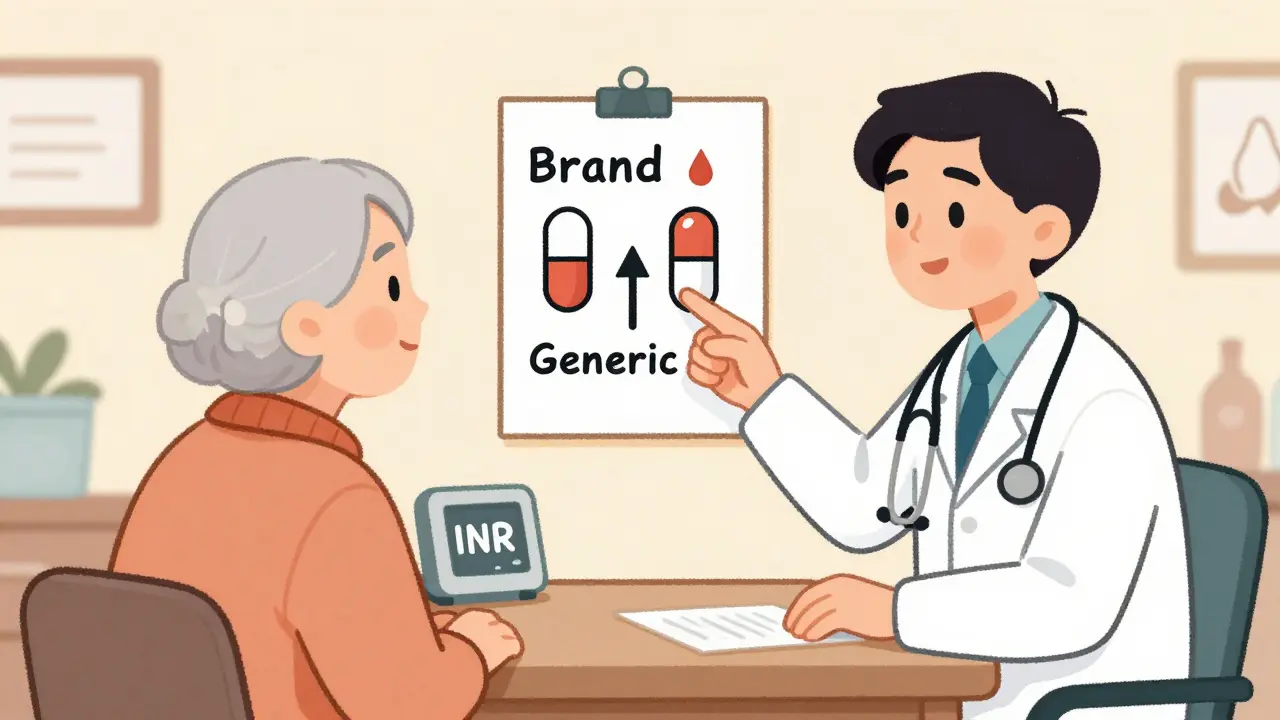
When switching patients to generic NTI drugs, clear communication and monitoring are critical to avoid dangerous side effects. Learn what to say, when to test, and how to comply with state laws.
read more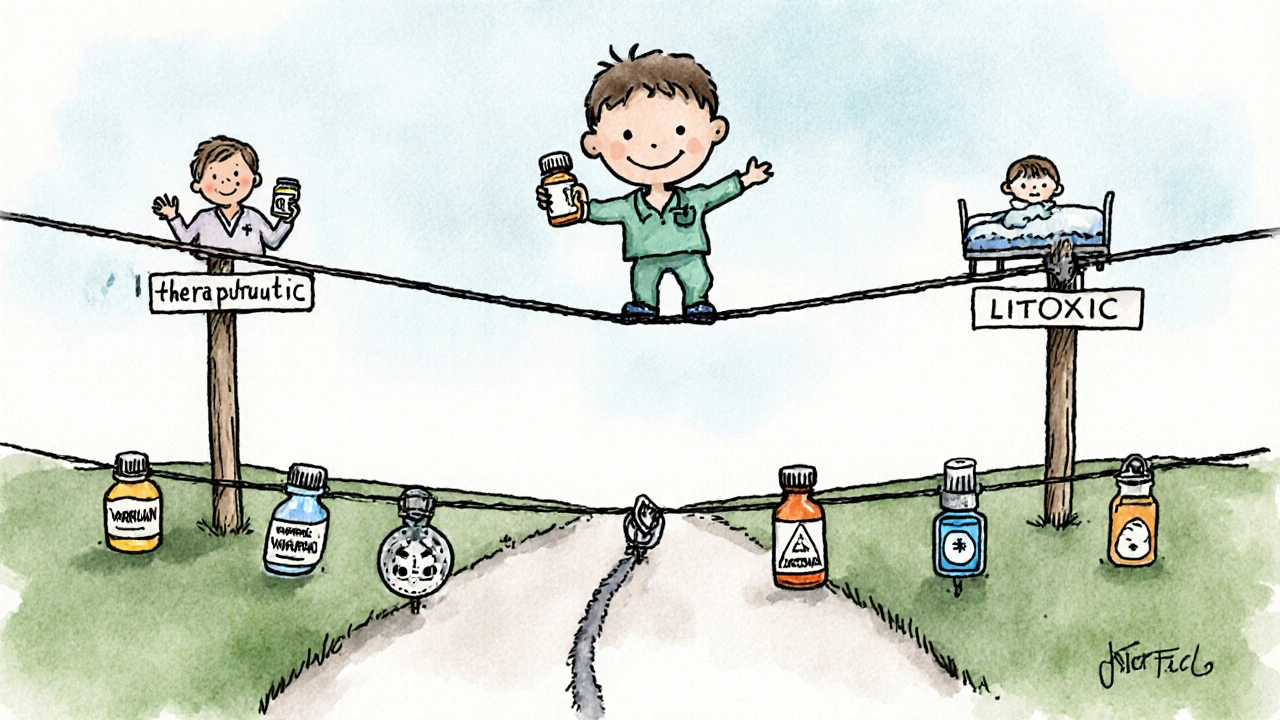
NTI drugs have a tiny margin between safe and toxic doses. Common examples include warfarin, lithium, digoxin, phenytoin, and tacrolimus. These require strict monitoring, careful dosing, and no brand switching without medical approval.
read more