When a drug has a narrow therapeutic index, a small range between the effective dose and the toxic dose. Also known as a narrow therapeutic window, it means even a slight mistake in dosage can lead to serious harm—or even death. This isn’t just a technical term for pharmacists. If you’re taking drugs like digoxin, warfarin, or phenytoin, your life depends on getting this right.
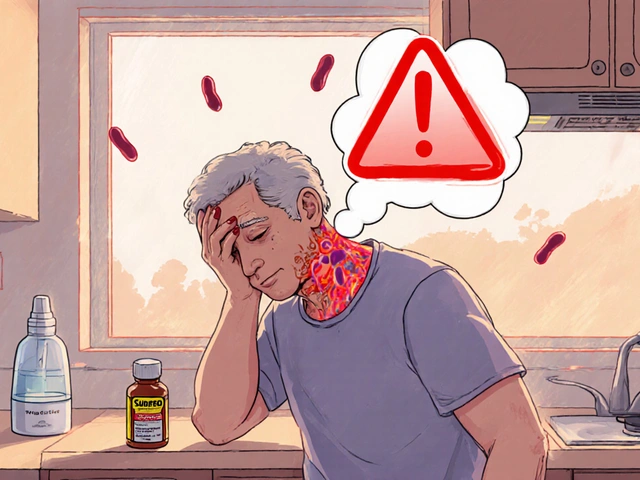
Drugs with a narrow therapeutic index don’t give you room for error. Take too little, and the medicine won’t work. Take just a bit too much, and you risk poisoning. For example, digoxin, a heart medication used for arrhythmias and heart failure, requires regular blood tests to make sure levels stay in the safe zone. Too high, and you can get nausea, vision changes, or dangerous heart rhythms. Too low, and your heart condition worsens. The same goes for warfarin, a blood thinner that prevents clots but can cause life-threatening bleeding if not monitored. Your INR level must be checked often—sometimes weekly—because foods, other meds, or even changes in your liver function can throw it off.
These aren’t rare cases. phenytoin, an older antiseizure drug, works the same way. Small changes in how your body processes it can turn a controlled seizure condition into a medical emergency. That’s why dose titration, therapeutic drug monitoring, and pharmacist involvement aren’t optional—they’re essential. You can’t rely on guesswork. Even switching from one generic brand to another can cause problems if bioequivalence isn’t tightly controlled.
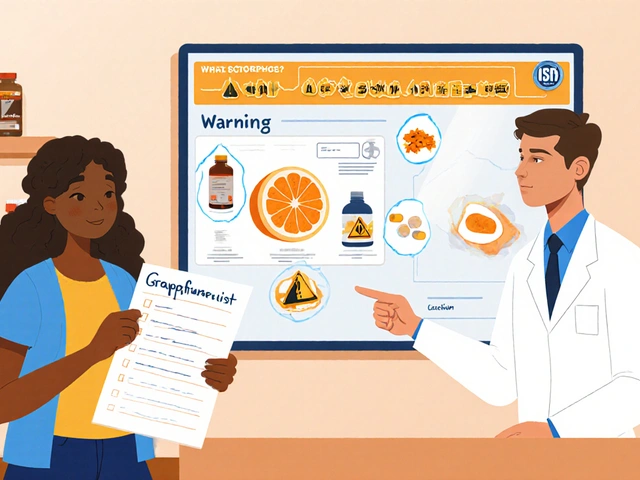
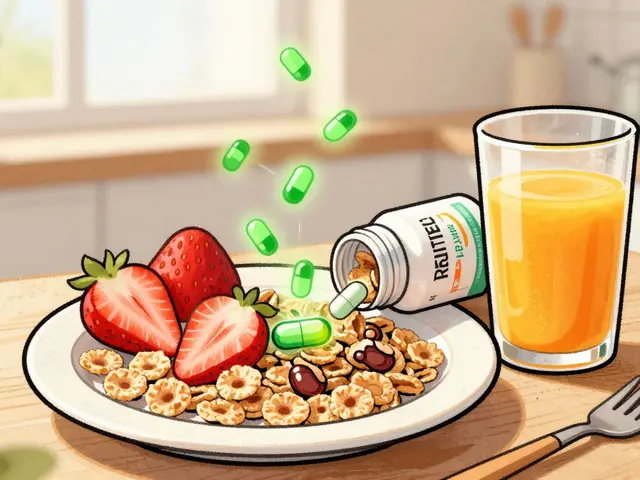
What makes this even trickier is that many of these drugs interact with other medications, supplements, or foods. A common cold medicine might raise your digoxin level. A change in vitamin K intake can make warfarin unpredictable. That’s why talking to your pharmacist about every new pill—even an over-the-counter one—isn’t just good advice, it’s a safety must.
You’ll find real-world guides here on how to manage these high-risk drugs safely: how to track levels, when to ask for alternatives, how to avoid dangerous interactions, and what to do if you miss a dose. These aren’t theory pages—they’re practical tools built from the experiences of patients and providers who’ve lived through the risks. Whether you’re on one of these drugs now, or care for someone who is, this collection gives you the clear, no-fluff facts you need to stay safe.
Explore essential professional guidelines on generic prescribing, covering exceptions for narrow therapeutic index drugs, biosimilars, and practical strategies for clinicians.
read more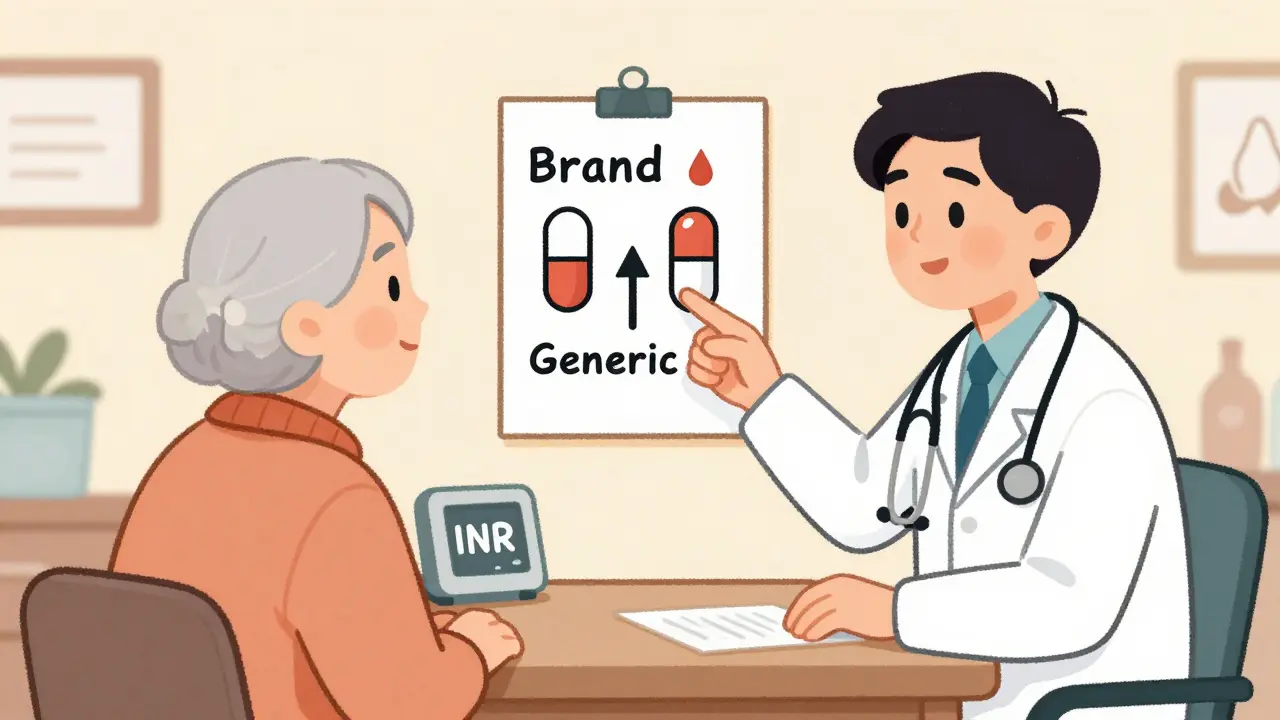
When switching patients to generic NTI drugs, clear communication and monitoring are critical to avoid dangerous side effects. Learn what to say, when to test, and how to comply with state laws.
read more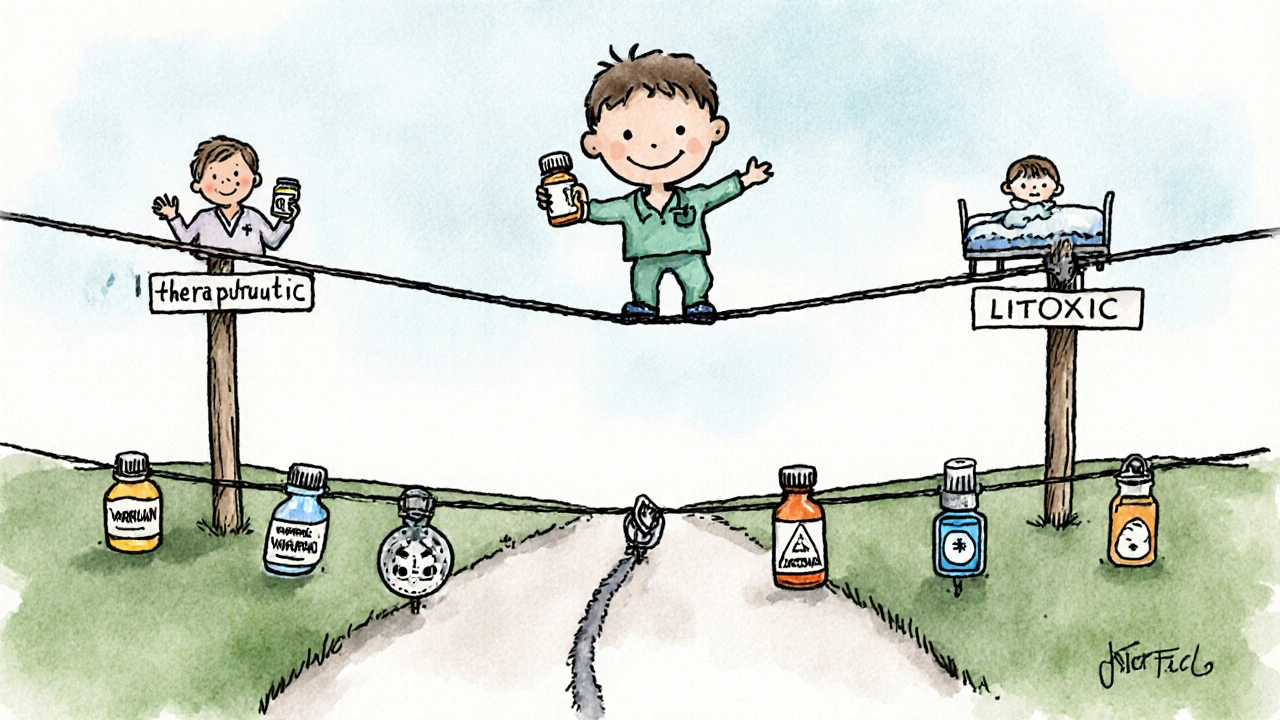
NTI drugs have a tiny margin between safe and toxic doses. Common examples include warfarin, lithium, digoxin, phenytoin, and tacrolimus. These require strict monitoring, careful dosing, and no brand switching without medical approval.
read more