When something goes wrong with a medication—whether it’s a rare heart rhythm problem, sudden liver damage, or a dangerous interaction—you can thank MedWatch, the FDA’s official system for collecting and acting on reports of serious adverse drug reactions and medical device failures. Also known as FDA MedWatch Program, it’s the backbone of post-market drug safety in the U.S. This isn’t just bureaucracy. It’s how the FDA finds out that a once-safe drug might be causing unexpected harm after thousands of people have used it. Every report submitted by doctors, pharmacists, or even patients adds to the puzzle. And when enough pieces fit together, the FDA acts—issuing warnings, updating labels, or pulling drugs off the market.
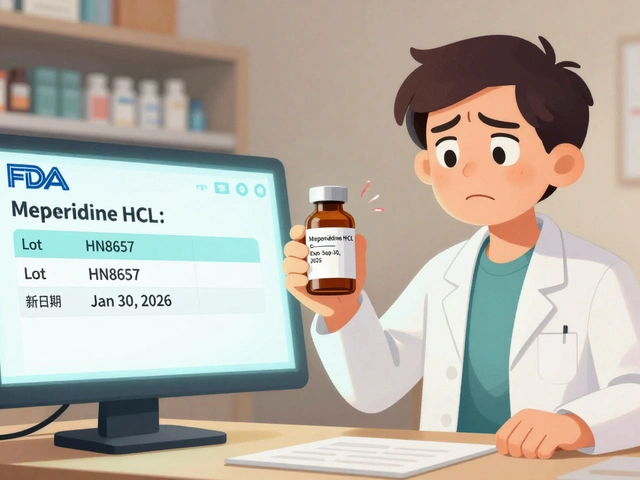
MedWatch doesn’t just react. It connects to real-world tools you already use. If you’ve checked the NDC Directory, a public database that lists every FDA-approved drug with its unique identifier to confirm your pill is real, you’re already using part of the same system. Or maybe you’ve read a Medication Guide, a handout required by the FDA for high-risk drugs like opioids, antipsychotics, or blood thinners that warns you about side effects—that guide was created because someone reported a problem through MedWatch. Even NTI drugs, medications with a razor-thin safety margin like warfarin or lithium, rely on MedWatch data to update dosing rules when new safety signals emerge. These aren’t separate systems. They’re layers of the same safety net.
What you’ll find below is a collection of articles built around this same mission: keeping you safe with accurate, up-to-date drug info. You’ll learn how to spot counterfeit drugs using FDA databases, how to report a bad reaction yourself, why some meds need extra monitoring in kidney disease, and how depression can make you skip pills even when you know they matter. These aren’t random posts. They’re all connected to the same goal—understanding how drugs behave in real life, not just in clinical trials. Whether you’re managing diabetes with CGMs, traveling with insulin, or wondering if your generic pill is really the same as the brand, you’re dealing with the same system that MedWatch helps police. The next time you hear about a drug recall or a safety alert, you’ll know exactly where it came from—and how you can help make it better.
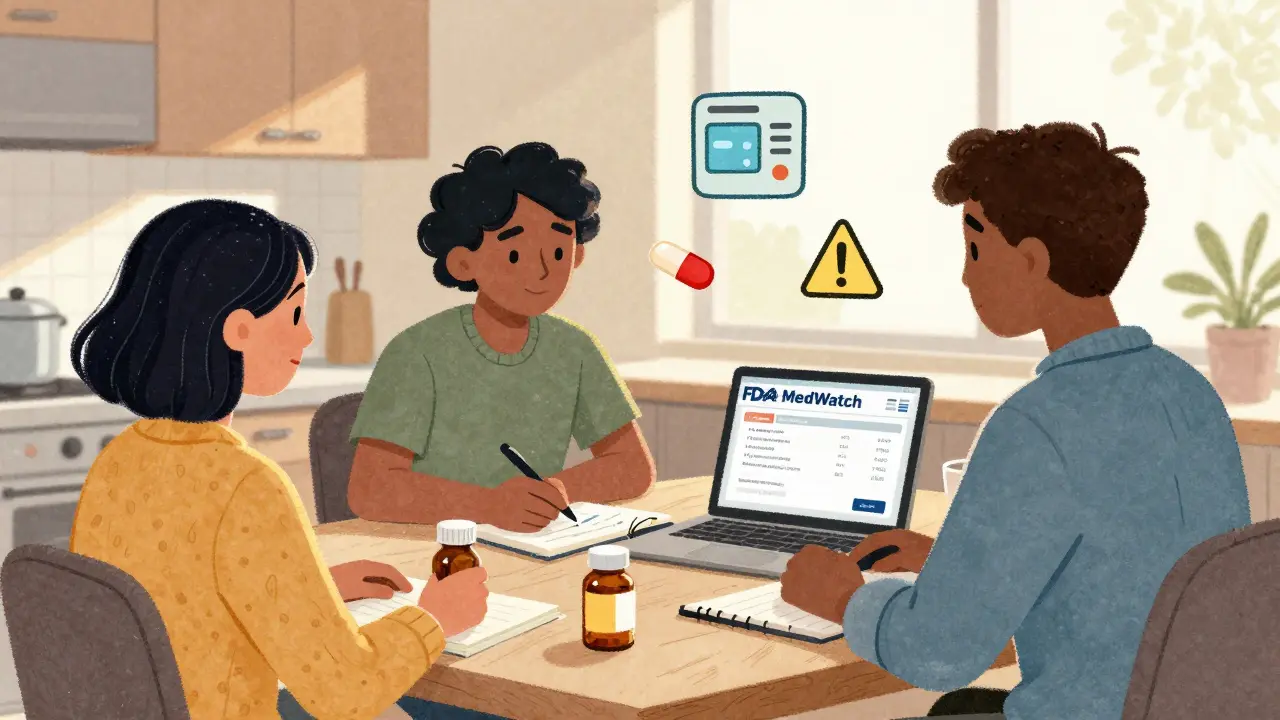
Learn how to file a direct complaint with the FDA about adverse reactions, product failures, or use errors with medications, devices, or supplements. Your report helps protect others.
read more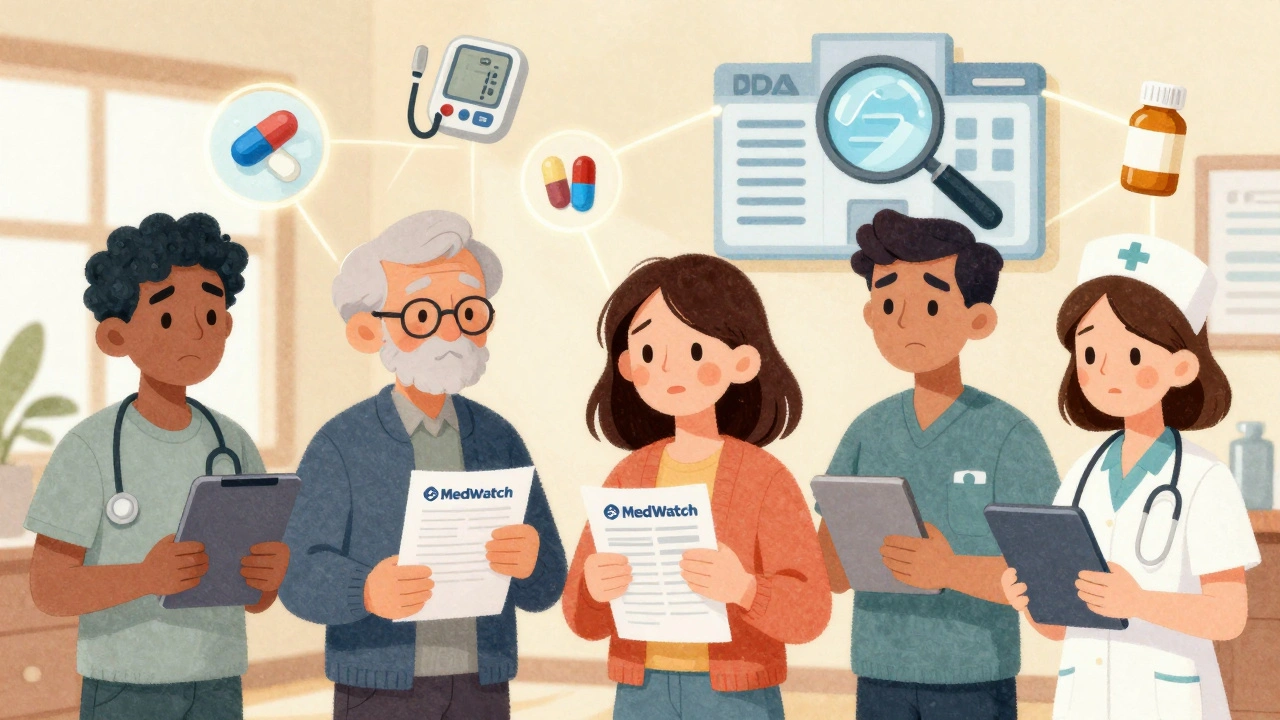
Learn how to report medication side effects and safety issues through MedWatch, the FDA's official system for tracking adverse events. Your report could help prevent harm to others.
read more