When you hear gene therapy, a medical technique that treats or prevents disease by modifying a person’s genes. Also known as gene editing, it’s not science fiction anymore—it’s happening in hospitals right now. Instead of just managing symptoms with pills or injections, gene therapy goes to the root: the DNA itself. It’s like fixing a typo in the instruction manual your body uses to build and run itself.
It works in a few ways. Sometimes, it replaces a broken gene with a healthy copy. Other times, it turns off a gene that’s causing trouble, or adds a new gene to help the body fight disease. This isn’t for every illness—but it’s making a huge difference for people with rare inherited conditions like spinal muscular atrophy, certain types of inherited blindness, and even some blood disorders like sickle cell disease. These aren’t theoretical cases. Real patients are getting better, some even cured, thanks to treatments approved in the last five years.
One of the biggest tools driving this progress is CRISPR, a precise and affordable gene-editing system that lets scientists cut and paste DNA like a word processor. Also called CRISPR-Cas9, it’s faster and cheaper than older methods, which made gene therapy too expensive for most people. Now, labs and clinics can target specific mutations with far less risk. That’s why you’re seeing breakthroughs in treating inherited forms of deafness, muscular dystrophy, and even some cancers.
But gene therapy isn’t just about fixing one gene in one person. It’s changing how we think about disease. If a condition runs in your family because of a faulty gene, gene therapy could one day stop it from passing to the next generation. It’s not yet used for that in humans—but the science is moving fast. Right now, most treatments are for serious, life-limiting diseases where other options have failed. And while side effects can happen—like immune reactions or unintended DNA changes—researchers are getting better at controlling them.
What you’ll find in the posts below isn’t a list of every gene therapy drug out there. It’s a practical look at how these treatments connect to real-world medicine. You’ll see how gene therapy relates to things like drug interactions, long-term monitoring, and even how it compares to traditional meds for similar conditions. Some posts dive into how gene therapies affect other treatments you might be on. Others explain why certain patients are better candidates than others. There’s no fluff—just clear, direct info on what’s working, what’s risky, and what’s still being tested.
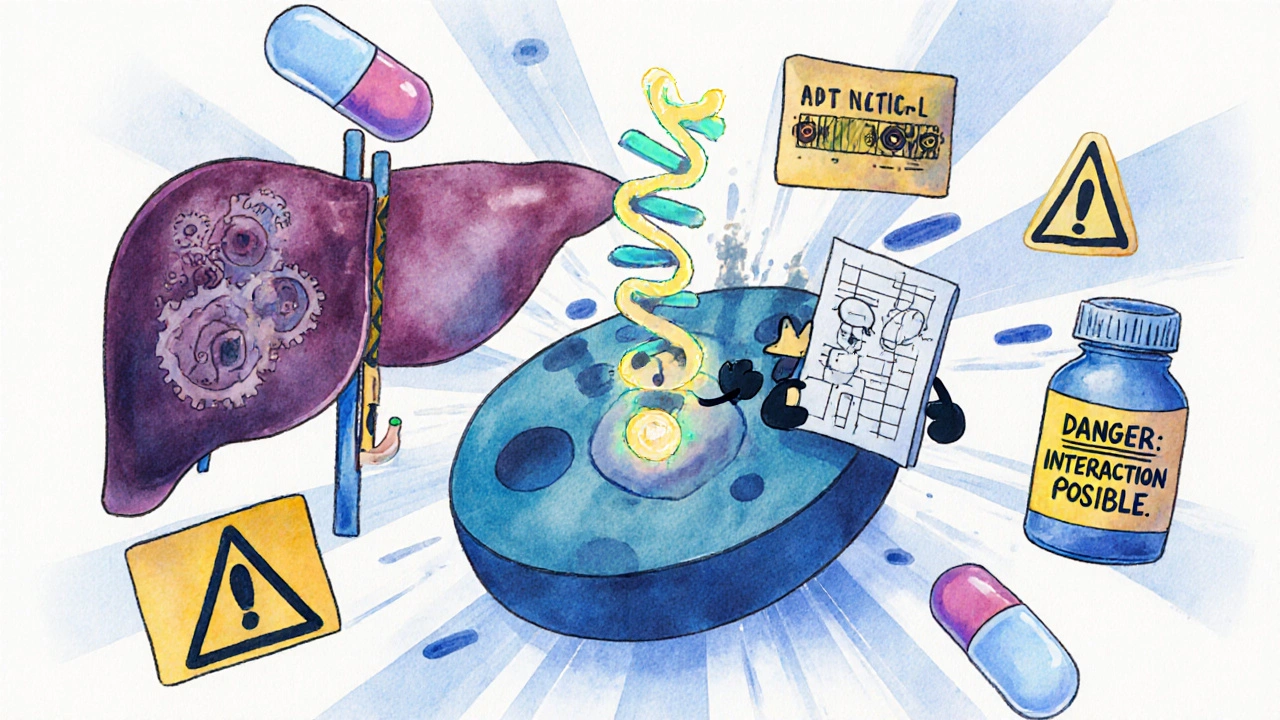
Gene therapy offers permanent fixes for genetic diseases but brings unique drug interaction risks that can emerge years later. Learn how viral vectors, immune responses, and off-target effects can alter how your body handles medications.
read more