When you hear FDA databases, official public records maintained by the U.S. Food and Drug Administration to track drug approvals, safety data, and regulatory decisions. Also known as FDA drug databases, they’re not just for regulators—they’re your hidden toolkit for understanding what’s in your medicine and why it’s approved. These systems don’t sit behind locked doors. They’re open, searchable, and packed with facts that can help you ask better questions, spot generic alternatives, or even understand why a drug got pulled.
Think of the First Generic Approval, a special 180-day exclusivity period granted to the first company to file a generic version of a brand-name drug under the Hatch-Waxman Act. That’s tracked in the FDA’s Orange Book, one of the most important databases for anyone comparing drug prices. Or the NTI Drug List, a catalog of medications with a narrow therapeutic index, meaning even small dosing changes can cause serious harm. These aren’t just lists—they’re safety nets. Drugs like warfarin, lithium, and digoxin are flagged here because they demand precision. If your doctor switches your brand to generic, you need to know if it’s on that list.
Then there’s the Drug Approval Database, the official record of every drug cleared for sale in the U.S., including dates, sponsors, and active ingredients. This is where you find out if a drug you’re taking is new or has been around for decades. It’s also where patent expirations are logged—so you can predict when prices will drop. If you’re watching for the blockbuster patent expirations coming in 2025 and beyond, this database tells you exactly which drugs are about to go generic. And if you’ve ever wondered why your pharmacist can’t just swap your insulin brand for another? That’s because of the FDA’s biologics and biosimilar rules, tracked separately in another database.
These systems don’t just track drugs—they track people. The FDA’s MedWatch system collects reports of side effects from patients and doctors. That’s how they spot problems like opioid-induced hyperalgesia or medication-induced palpitations. If enough people report the same issue, the FDA updates labels, issues warnings, or even pulls the drug. You don’t need to be a scientist to use this. You just need to know it exists.
And then there’s the Medication Guide distribution rules, the FDA’s requirement that pharmacists hand out printed safety sheets for certain high-risk drugs. These aren’t optional brochures—they’re legally mandated. The FDA database tells you exactly which drugs require them, so you can ask your pharmacist for the guide every time you fill a prescription.
What you’ll find below isn’t a random collection of articles. It’s a map of how these FDA databases shape real-world decisions: how generics get approved, why some drugs need extra monitoring, how travel with insulin is regulated, and how your pharmacist knows which drugs can interact dangerously. These aren’t abstract rules—they’re the invisible framework behind every pill you take. And now you know where to look when you want to understand why.
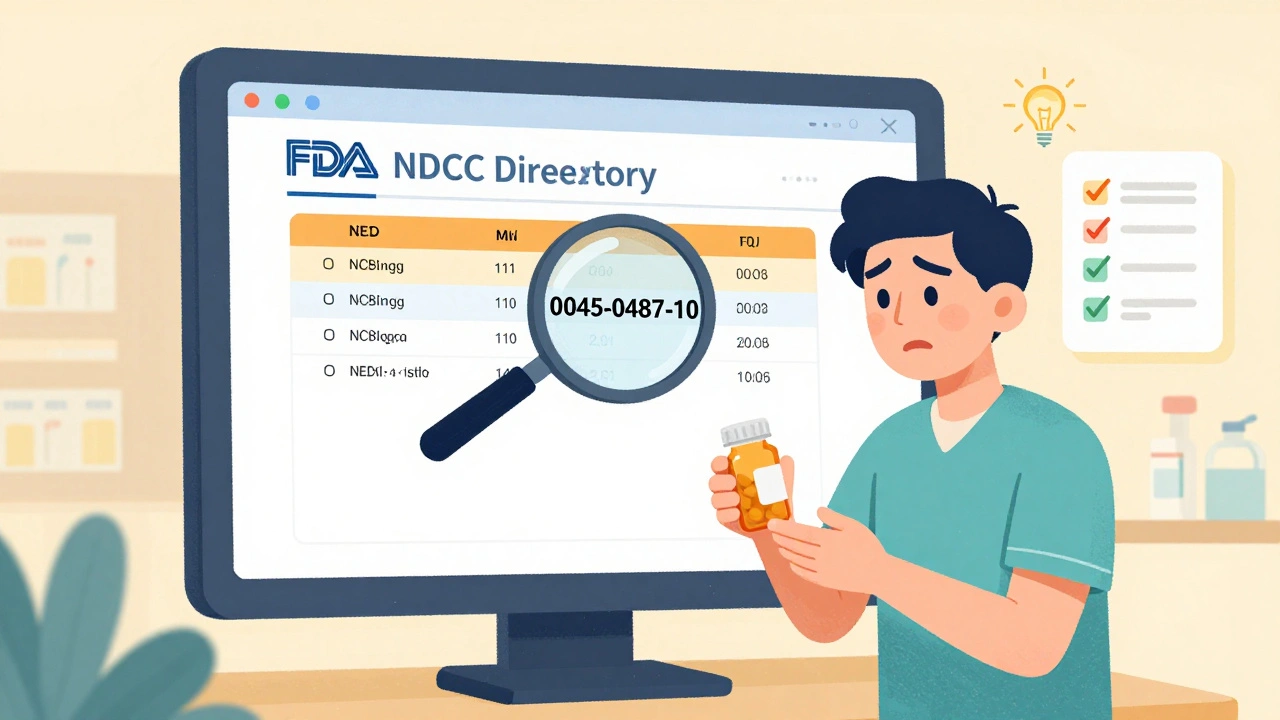
Learn how to use FDA databases like the NDC Directory and Drug Establishments site to verify if your medications are real and spot counterfeit drugs before they harm you.
read more