When you see an expiration date on a pill bottle, it’s not just a suggestion—it’s a promise. But what if that date isn’t the full story? Extended expiration dates, officially approved date extensions granted by regulators like the FDA after testing shows a drug remains stable beyond its original label date. Also known as post-manufacture expiration extensions, they’re not magic—they’re science. These aren’t random guesses. They come from real-world stability studies, often done by the military or large health systems, where drugs are stored under controlled conditions for years to see if they still work. The FDA has confirmed that many medications retain potency for years past their printed date—sometimes even a decade.
But here’s the catch: Drug storage, how you keep your pills at home—heat, moisture, light—has a bigger impact than the expiration date itself. A bottle of amoxicillin sitting in a steamy bathroom will degrade faster than one kept in a cool, dry drawer. That’s why the FDA doesn’t automatically extend all expiration dates for consumers. The original date is set for worst-case home conditions. If you’re storing your meds properly, they may last longer. But if you’re not? Don’t count on it. This is why medication safety, the practice of using drugs correctly and avoiding risks like ineffective treatment or toxic breakdown products. matters more than the date on the label.
Extended expiration dates are most common in government stockpiles—think flu vaccines, epinephrine auto-injectors, or antibiotics kept for emergencies. But they’re starting to show up in pharmacies too, especially for high-demand generics like metformin or lisinopril. The goal? Cut waste, lower costs, and keep essential drugs available. Still, no pharmacy will give you a new expiration date unless it’s been officially validated and documented. If your prescription label says "expires 10/2024," that’s your legal and safety cutoff unless your pharmacist tells you otherwise.
There’s a difference between a drug that’s still potent and one that’s still safe. Some medications, like nitroglycerin or insulin, break down quickly even under ideal conditions. Others, like tetracycline, can become toxic after expiration. That’s why you can’t just assume everything lasts longer. The FDA expiration guidelines, the official standards used to test and approve extended shelf life for pharmaceuticals. are strict, and they vary by drug type, formulation, and storage method. You won’t find them on the bottle—but your pharmacist might know if your drug has been tested for extension.
So what should you do? Don’t throw out meds the day after their date. Don’t keep them past five years either. Check with your pharmacist. Ask if your drug is on the FDA’s list of those proven to remain stable. Look at the pills—do they look, smell, or taste different? If they’re discolored, cracked, or powdery, toss them. And always store them right: cool, dry, dark. Extended expiration dates aren’t a free pass. They’re a reminder that medicine is science, not superstition. Below, you’ll find real-world guides on how to verify your drugs, store them safely, and understand when it’s okay—and when it’s not—to use a pill past its printed date.
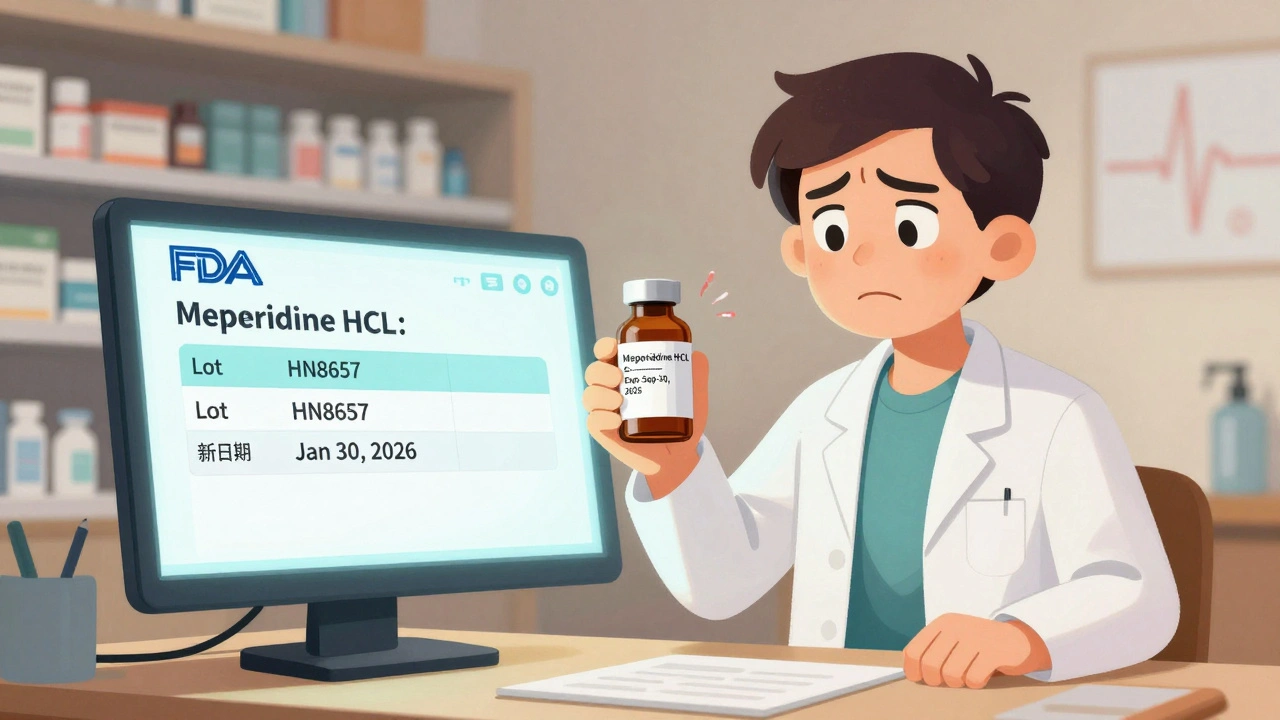
The FDA extends expiration dates for critical drugs during shortages to prevent life-threatening gaps in supply. Learn how it works, which drugs qualify, and what hospitals must do to stay compliant.
read more