When doctors need to fix a broken gene or teach a cell to fight cancer, they often turn to viral vectors, engineered viruses stripped of their ability to cause disease but kept for their talent at slipping genetic material into human cells. Also known as gene delivery vehicles, viral vectors are the silent workhorses behind today’s most promising gene therapies. Think of them as tiny, customized delivery trucks — instead of carrying packages, they carry DNA or RNA instructions to fix, replace, or silence faulty genes inside your body.
Not all viral vectors are the same. Some are built from adenoviruses, which are great at getting into cells fast but don’t stick around long. Others use adeno-associated viruses (AAVs), which are safer and can last for years — that’s why they’re used in treatments for inherited blindness and spinal muscular atrophy. Lentiviruses, another type, slip their genetic cargo right into the cell’s nucleus and become part of the cell’s permanent code, making them ideal for treating blood disorders like sickle cell disease. Each type has trade-offs: how big a gene it can carry, how long it lasts, and how likely it is to trigger an immune response. That’s why researchers pick the right vector like a mechanic picks the right tool — it depends on the job.
These tools aren’t just for rare diseases. Scientists are testing viral vectors in cancer immunotherapy, where they deliver genes that turn a patient’s own immune cells into tumor hunters. They’re also being used in vaccines — like some COVID-19 shots — where the vector carries instructions for making a harmless piece of the virus so your body learns to fight it. Even in neurology, viral vectors are being tested to slow down Parkinson’s or Alzheimer’s by delivering protective proteins directly to brain cells. The real breakthrough isn’t just the virus itself, but how precisely we can now control what it delivers and where it goes.
But it’s not all smooth sailing. Some people’s immune systems react strongly to these vectors, making repeat treatments risky. Others don’t respond at all because their bodies already have antibodies from past infections. That’s why researchers are constantly building new versions — tweaking the outer shell, hiding the virus from the immune system, or even combining viral vectors with CRISPR to edit genes right inside the body. The goal isn’t just to deliver genes — it’s to deliver them safely, reliably, and to the right place, every time.
What you’ll find in the posts below isn’t a list of technical papers — it’s real-world comparisons and practical insights from people who’ve seen these therapies in action. From how viral vectors influence drug absorption to how they’re reshaping treatment for chronic conditions, these articles connect the science to what matters: better outcomes, fewer side effects, and clearer choices.
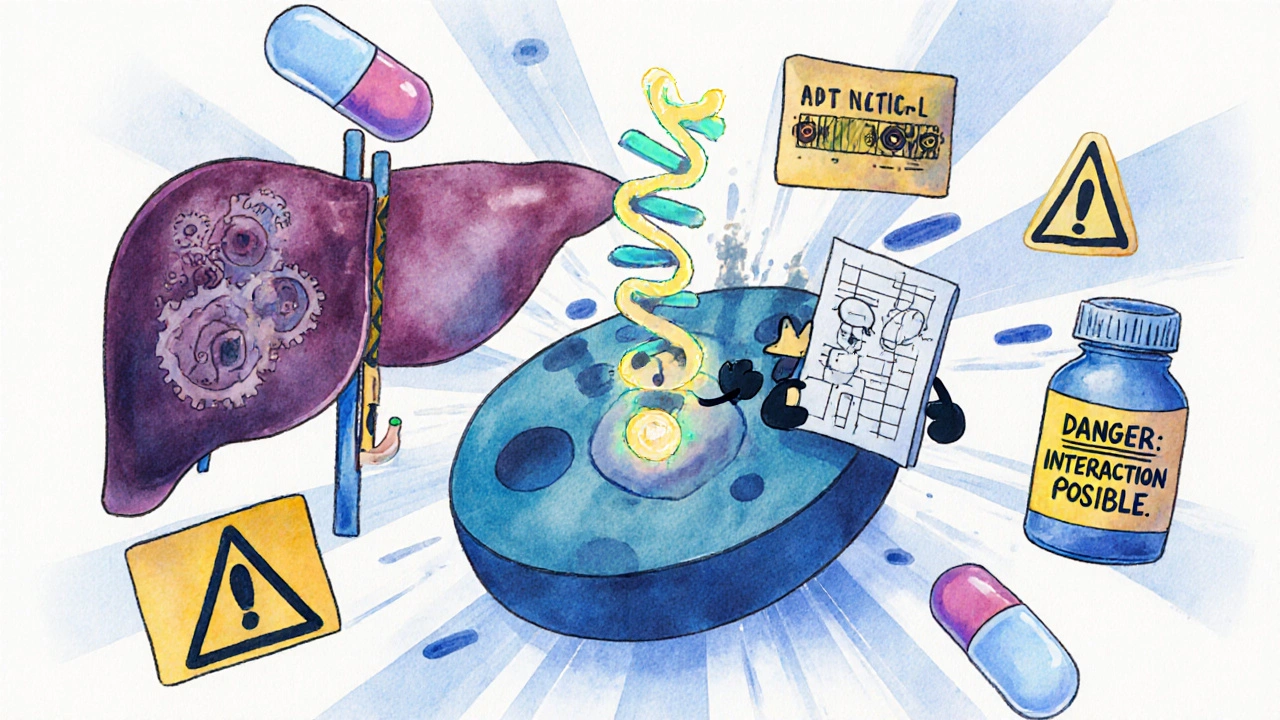
Gene therapy offers permanent fixes for genetic diseases but brings unique drug interaction risks that can emerge years later. Learn how viral vectors, immune responses, and off-target effects can alter how your body handles medications.
read more