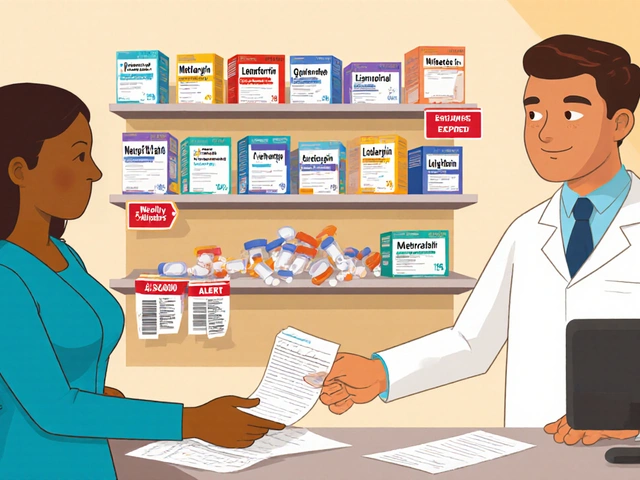
When you take a pill, use an inhaler, or start a new treatment, you’re trusting your health to a system that can still make costly mistakes. Patient safety, the practice of preventing harm during medical care. Also known as healthcare safety, it’s not just about hospitals—it’s about every pill you swallow, every label you read, and every question you forget to ask. Too many people assume their doctor or pharmacist has it all figured out. But the truth? Medication errors are one of the leading causes of preventable harm worldwide. And most of them happen because of simple gaps: a missed interaction, a misunderstood dose, or a symptom ignored because it seemed "normal."
Take drug interactions, when two or more medications change how each other works in your body. A common nasal decongestant like pseudoephedrine can spike your blood pressure if you’re on hypertension meds. Or think about digoxin monitoring, the regular blood tests needed to keep this heart drug from turning toxic. Without it, even a tiny dose buildup can cause irregular heartbeat or worse. Then there’s antidepressant discontinuation syndrome, the wave of brain zaps, dizziness, and anxiety that hits when people stop these drugs too fast. These aren’t rare edge cases—they’re everyday risks hiding in plain sight.
Patient safety isn’t just about what’s in the bottle. It’s about how you use it. Acid-reducing pills like PPIs can block your body from absorbing key meds, from antibiotics to bone drugs. Gene therapy might fix a genetic flaw—but it can also trigger unexpected reactions years later when you take a new drug. Even something as simple as switching from one brand of propranolol to another can throw off your rhythm if you don’t know the difference. And if you’re managing a chronic condition like GERD, eczema, or PTSD, your daily habits, diet, and stress levels are part of the safety equation too.
You don’t need to be a medical expert to protect yourself. You just need to know what to look for. The posts below break down real cases where safety failed—and how people fixed it. From spotting dangerous combos in your medicine cabinet to understanding why your heart races after a new antibiotic, you’ll find clear, no-fluff guides that put control back in your hands. This isn’t theory. It’s what happens when people stop assuming and start asking.
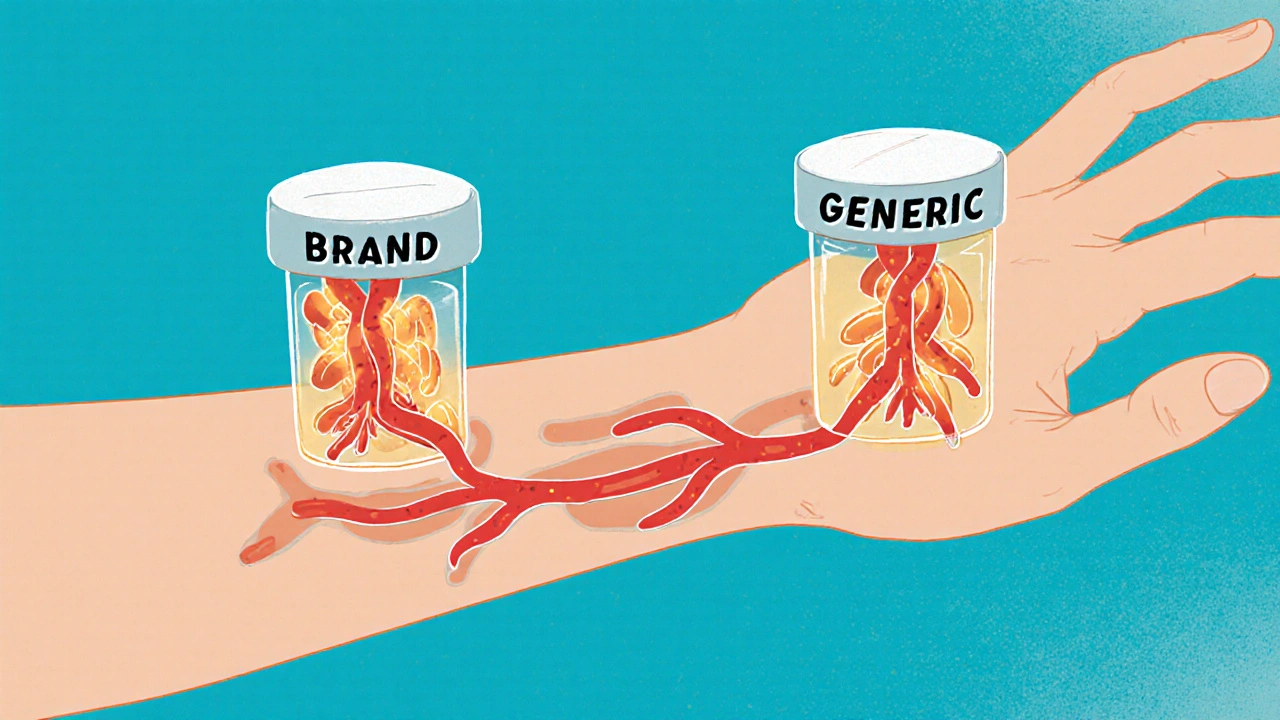
Bioequivalence testing ensures generic drugs work the same as brand-name versions. Learn why this science is critical for patient safety, how regulators enforce it, and what you should know when switching medications.
read more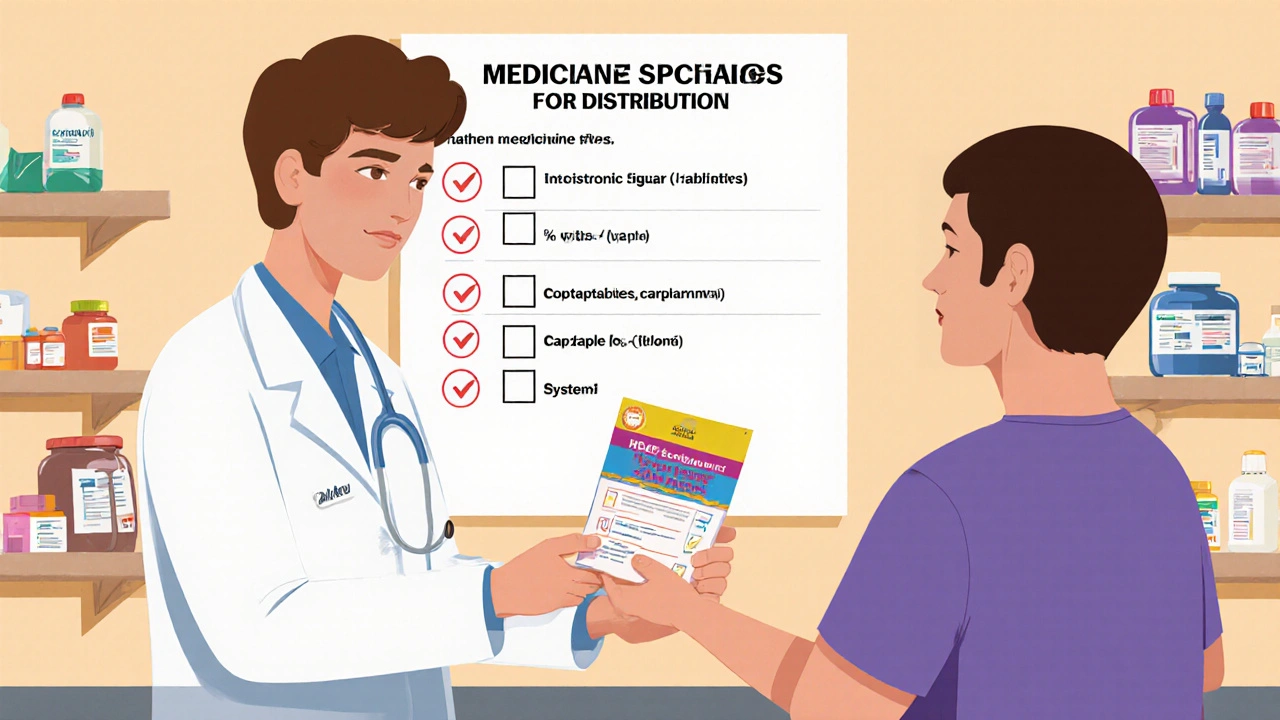
Learn the exact FDA rules for distributing Medication Guides as a pharmacist or provider. Know when you must hand them out, what settings apply, and how to avoid compliance errors that put patients at risk.
read more