When something goes wrong with a medication or medical device—like a sudden heart rhythm problem after taking a new pill, or a faulty insulin pump that stops working—MedWatch form, the U.S. Food and Drug Administration’s official system for reporting serious side effects and product problems. Also known as FDA MedWatch, it’s the primary way patients, doctors, and pharmacists flag dangers that weren’t caught during clinical trials. This isn’t bureaucracy. It’s a lifeline. Every report filed through the MedWatch form helps the FDA spot patterns, issue safety alerts, and sometimes pull dangerous products off the market before more people get hurt.
The adverse drug reactions, unexpected and harmful effects caused by medications reported through MedWatch include everything from rare allergic responses to life-threatening organ damage. These aren’t just minor complaints. Think of a patient who develops unexplained bleeding while on a new blood thinner, or someone who suffers a seizure after starting an antibiotic. These cases might seem isolated, but when dozens of others report the same issue, the FDA sees the signal through the noise. That’s how recalls for drugs like certain diabetes pills or blood pressure meds happen. The post-market surveillance, the ongoing monitoring of drugs after they’re approved and sold to the public system relies entirely on these reports. Without them, the FDA would be flying blind.
You don’t need to be a doctor to use the MedWatch form. If you or someone you know had a bad reaction to a prescription, over-the-counter medicine, supplement, vaccine, or even a medical device like a glucose monitor or hearing aid, you can file a report. Pharmacies and hospitals use it too—especially after events like the FDA’s recent extension of expiration dates during drug shortages, when patients might be switching to unfamiliar brands. The drug safety reporting, the process of submitting information about harmful side effects to regulatory agencies system is designed to be simple: fill out the form online or by mail, include what drug you took, what happened, when, and any other meds you were on. Even if you’re not sure it was the drug’s fault, report it anyway. The FDA’s analysts sort through thousands of reports each year to find the ones that matter.
The posts below cover real-world situations where MedWatch reports played a role—like when a new antidepressant started causing dangerous sleep changes, or when a popular blood pressure med unexpectedly raised heart risks. You’ll find guides on spotting hidden side effects, understanding FDA alerts, and knowing when to speak up. These aren’t theoretical scenarios. They’re stories from people who used the MedWatch form and helped protect others. If you’ve ever wondered whether your report matters, the answer is yes. It’s not just paperwork. It’s protection.
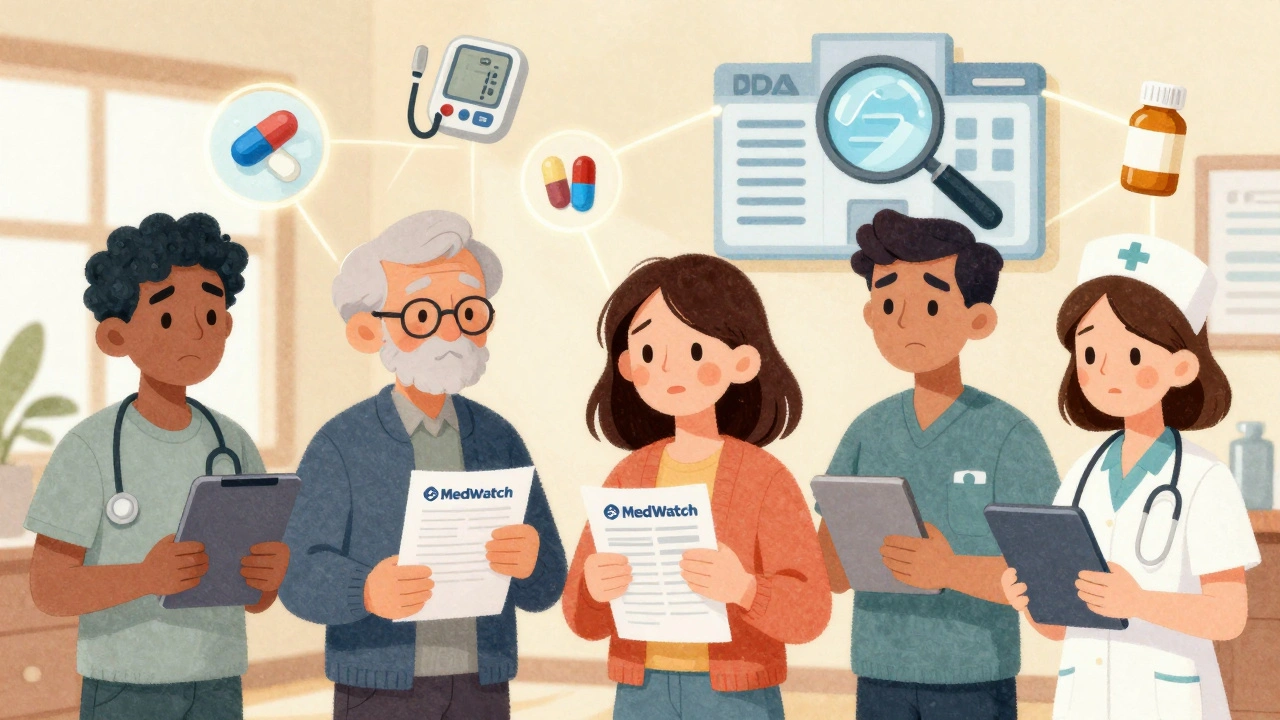
Learn how to report medication side effects and safety issues through MedWatch, the FDA's official system for tracking adverse events. Your report could help prevent harm to others.
read more