When you have increased pain sensitivity, a condition where the nervous system overreacts to stimuli that shouldn’t cause pain. Also known as allodynia, it’s not just feeling more pain—it’s feeling pain where there shouldn’t be any, like light touch hurting or a warm shower burning. This isn’t weakness or exaggeration. It’s a real change in how nerves and the brain process signals. Many people with diabetes, fibromyalgia, or long-term use of certain medications experience this without knowing why.
It often shows up after injury, illness, or prolonged use of drugs that affect the nervous system. For example, dose titration, the process of slowly adjusting medication strength to reduce side effects, is critical when treating chronic pain. Go too fast, and you might trigger or worsen sensitivity. Some medications—like certain antibiotics, antidepressants, or even opioids over time—can actually make your nerves more reactive. That’s why medication side effects, unexpected reactions that aren’t the main goal of the drug matter more than most people realize. A drug meant to help might be quietly making your pain worse.
It’s also linked to conditions like neuropathic pain, nerve damage that sends false pain signals, which can follow shingles, chemotherapy, or even long-term high blood sugar. If you’ve been told your pain is "all in your head," but your symptoms are real and getting worse, you’re not imagining it. The brain’s pain control system gets rewired, and it starts misfiring. That’s why simple things like wearing socks or lying on a bedsheet can become unbearable.
There’s no one-size-fits-all fix. But understanding the root cause changes everything. Sometimes it’s a medication you’ve been taking for years. Other times, it’s an undiagnosed condition like small fiber neuropathy or central sensitization. The good news? You’re not alone, and there are ways to reset your nervous system’s volume knob. The posts below show real strategies used by doctors and patients—how to spot when a drug is making things worse, how to adjust treatment safely, and what alternatives actually work when standard pain meds fail.

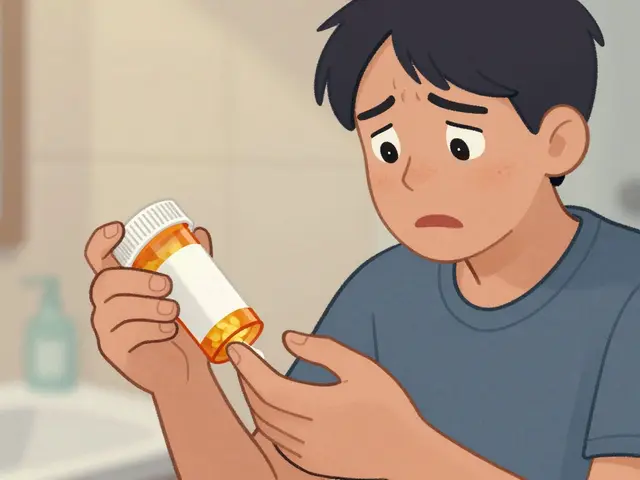
Opioid-induced hyperalgesia can make pain worse over time, even as doses increase. Learn how long-term opioid use rewires your nervous system and what actually works to reverse it.
read more