When you have GERD, gastroesophageal reflux disease, a chronic condition where stomach acid flows back into the esophagus. Also known as acid reflux, it’s not just about occasional heartburn—it’s about daily discomfort, disrupted sleep, and long-term damage if left unchecked. Many people reach for PPIs, proton pump inhibitors, drugs that reduce stomach acid production to feel better, but meds alone don’t fix the root cause. Your diet plays a bigger role than most realize.
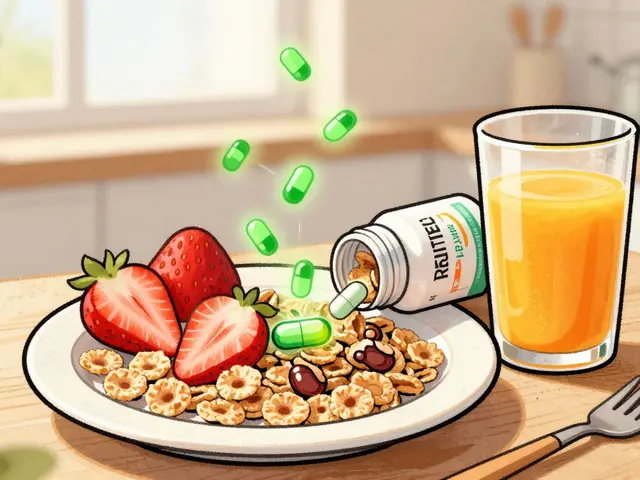
What you eat directly affects your stomach’s acidity, how fast food moves through your system, and whether your lower esophageal sphincter stays closed. Foods like chocolate, coffee, fried chicken, and citrus can relax that sphincter or irritate the lining, turning a quiet day into a burning one. On the flip side, oatmeal, bananas, ginger, and lean proteins can help calm things down. It’s not about being perfect—it’s about spotting your personal triggers. One person’s harmless avocado might be another’s nightmare. Keep a food journal. Track what you eat and how you feel an hour later. You’ll start seeing patterns no doctor’s checklist can give you.
And here’s the catch: stomach pH, the measure of acidity in your stomach isn’t just about what you eat—it’s also about what you take. PPIs lower acid, sure, but they also mess with how your body absorbs other meds and nutrients. Long-term use can lead to low magnesium, vitamin B12 deficiency, or even increased risk of infections. A smart GERD diet doesn’t just mask symptoms—it helps you reduce your dependence on drugs over time. It’s not a quick fix. It’s a lifestyle shift that gives you back control.
Below, you’ll find real posts that break down exactly which foods help or hurt, how acid-reducing meds interact with your meals, and what alternatives work when diet alone isn’t enough. No fluff. Just clear, practical info from people who’ve been there.

GERD management starts with diet and lifestyle changes, followed by medications like PPIs and newer options like vonoprazan. Surgery may be needed for persistent cases. Learn what triggers reflux and how to control it effectively.
read more