When you hear about gene therapy, a medical technique that replaces or fixes faulty genes to treat or prevent disease. Also known as genetic therapy, it’s being used today for inherited blindness, certain blood disorders, and even some cancers. It sounds like science fiction made real—but like any powerful treatment, it comes with real risks. The gene therapy side effects aren’t always mild, and they can show up weeks, months, or even years after treatment.
One of the biggest concerns is your immune system’s reaction. Your body might see the virus used to deliver the new gene as an invader, triggering inflammation, fever, or even organ damage. This happened in early trials and still occurs today, especially with high-dose treatments. Then there’s the risk of off-target effects, when the gene-editing tool accidentally alters the wrong part of your DNA. That could lead to cancer or other long-term problems. And while most therapies aim to fix a single gene, your genome is a web of connections—changing one piece can ripple through others in unpredictable ways.
Some patients report fatigue, nausea, or low blood cell counts after treatment, similar to chemotherapy. Others develop liver problems or neurological symptoms. These aren’t rare outliers—they’re documented in clinical studies. Even more troubling: we still don’t fully understand what happens over decades. Will the corrected gene keep working? Could it trigger an immune response later? These aren’t theoretical questions. They’re the daily concerns of doctors treating patients right now.
There’s also the issue of cost and access. Most gene therapies cost over a million dollars. That means only a small group of people can even try them, and long-term monitoring is often limited. If you’re considering gene therapy, you need to know not just the promise—but the real, documented downsides. Below, you’ll find real patient experiences, clinical data, and comparisons with traditional treatments that help put the risks into perspective.
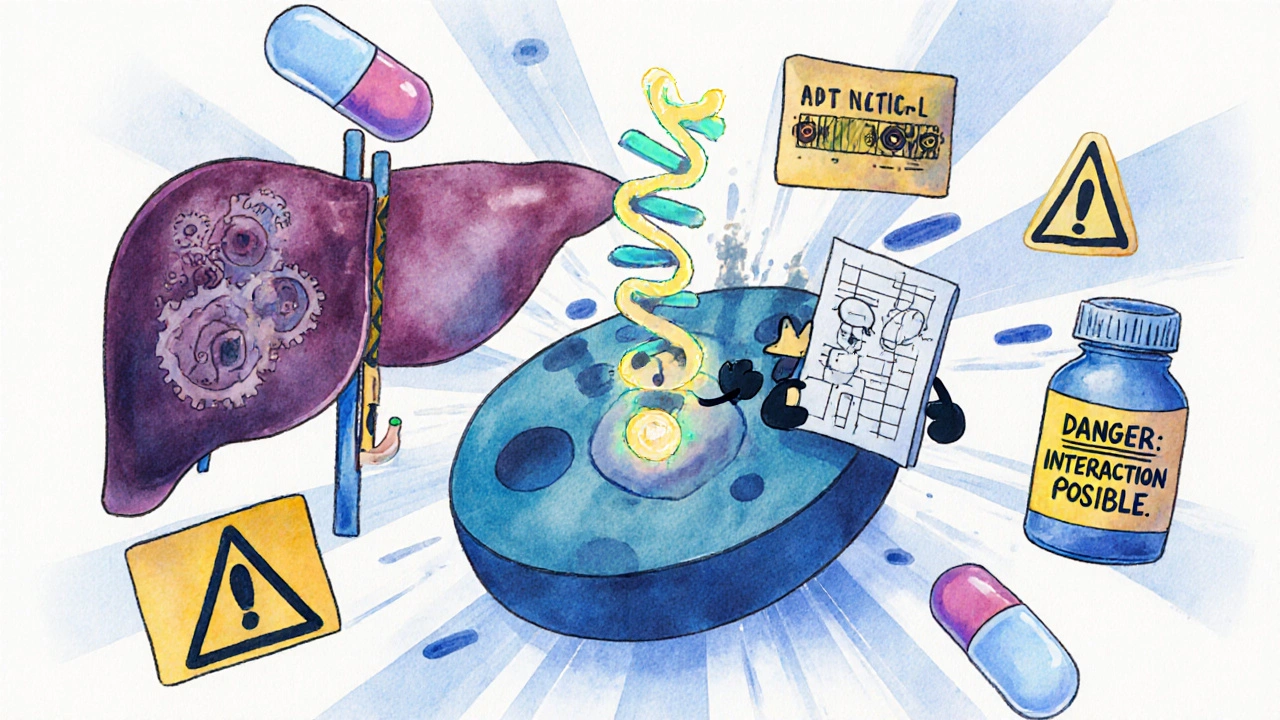
Gene therapy offers permanent fixes for genetic diseases but brings unique drug interaction risks that can emerge years later. Learn how viral vectors, immune responses, and off-target effects can alter how your body handles medications.
read more