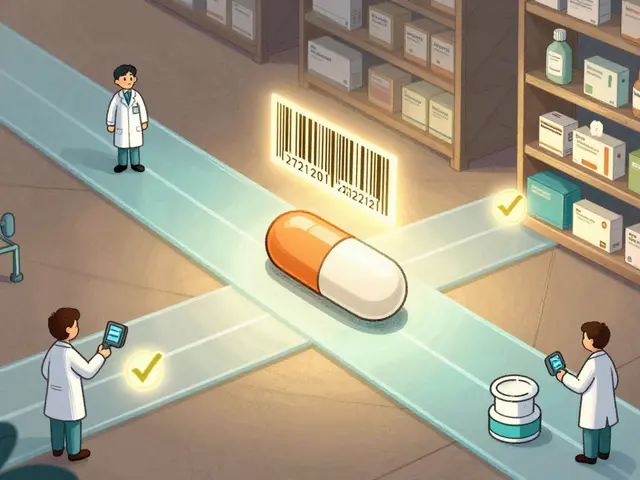
When you pick up a prescription, you expect it to work as intended—but what if it’s not even the real thing? Drug verification, the process of confirming a medication’s authenticity through packaging, labeling, and supply chain checks. Also known as pharmaceutical authenticity testing, it’s not just for hospitals or pharmacies—it’s something every patient should know how to do. Fake drugs are a global problem. The WHO estimates that 1 in 10 medical products in low- and middle-income countries are substandard or falsified. Even in places with strong regulations, counterfeit pills can slip through, especially when bought online or from unlicensed sellers. These fake medications might contain the wrong dose, toxic chemicals, or nothing at all. That’s not just risky—it’s life-threatening.
Drug verification isn’t just about checking a bottle. It’s about understanding the whole system behind your medicine. Counterfeit medications, fake versions of real drugs designed to look identical but lack proper ingredients or quality control often mimic brand-name pills like Viagra, Eliquis, or insulin. They might have the same color, shape, and logo—but the ink might smear, the packaging might feel flimsy, or the batch number might not match the manufacturer’s database. Medication safety, the practice of ensuring drugs are correctly prescribed, dispensed, and taken without harm starts before you even swallow a pill. That’s why pharmacists now use tamper-evident seals, serialized codes, and digital verification tools. But you don’t need high-tech gear to protect yourself. Simple steps—like comparing your pill to images on the FDA website, checking for a legitimate pharmacy license, or asking your pharmacist to confirm the source—can make all the difference.
It’s not just about avoiding scams. Pharmaceutical authenticity, the assurance that a drug is manufactured, distributed, and labeled according to legal and scientific standards affects how well your treatment works. If you’re on a narrow therapeutic index drug like warfarin or digoxin, even a tiny difference in potency can cause a clot or a bleed. If you’re using insulin or biologics, temperature abuse or fake ingredients can render them useless. And if you’re taking antidepressants or opioids, a counterfeit version could trigger withdrawal, worsen symptoms, or cause overdose. The posts below show you how to spot red flags, what to ask your pharmacist, how to verify online orders, and why some generics are safer than others. You’ll also find real examples of what fake drugs look like, how to report suspicious products, and what to do if you think your medicine isn’t right. This isn’t theory—it’s survival. And you don’t need a medical degree to do it.
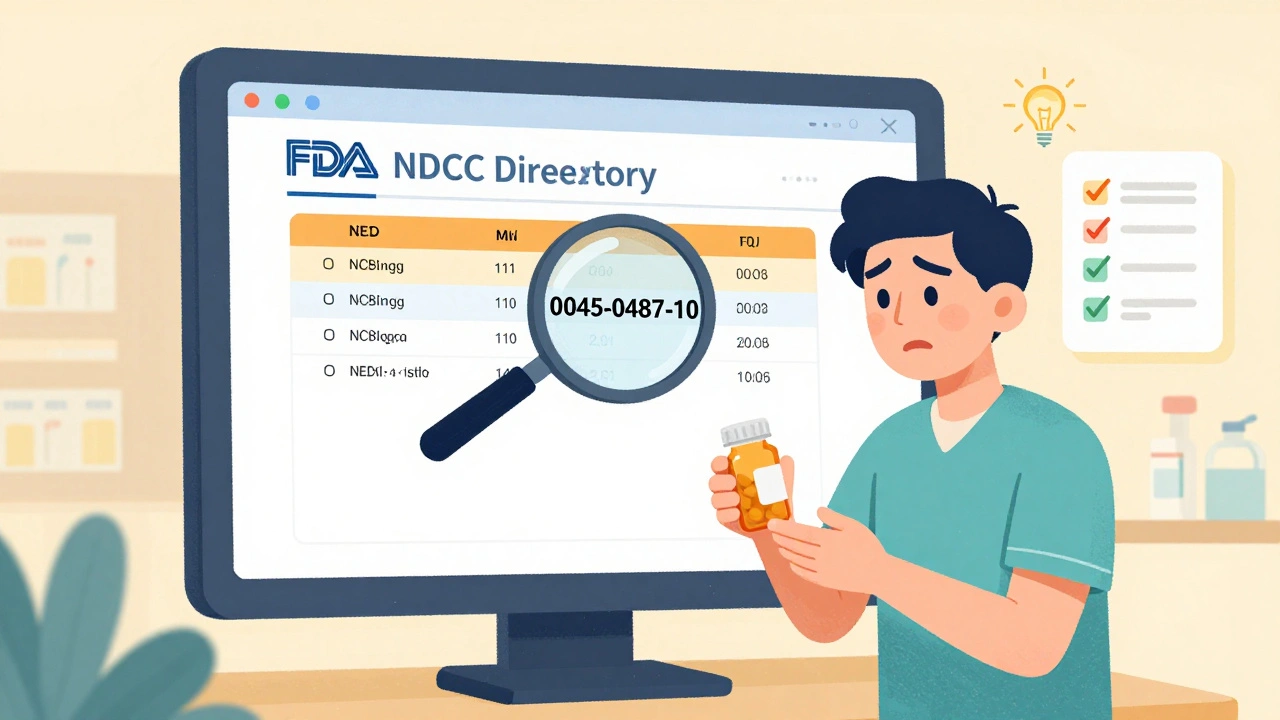
Learn how to use FDA databases like the NDC Directory and Drug Establishments site to verify if your medications are real and spot counterfeit drugs before they harm you.
read more