When you take a medication, you trust it will help—not hurt. But sometimes, drugs cause unexpected side effects that don’t show up in clinical trials. That’s where drug safety reporting, the process of collecting and analyzing reports of harmful reactions to medications. Also known as pharmacovigilance, it’s the early warning system that keeps millions of people safe. Every time someone reports a bad reaction—whether it’s a rash, dizziness, liver damage, or worse—it adds to a global database that regulators like the FDA use to spot patterns and act fast.
Drug safety reporting isn’t just for doctors. Patients, caregivers, and pharmacists all play a role. If you took a new pill and started having strange symptoms, that’s not just bad luck—it’s data. The FDA MedWatch, the official system the U.S. uses to collect reports of adverse drug reactions relies on real-world stories to find risks that labs missed. And it’s not just about new drugs. Even older medications like warfarin or lithium can become dangerous when mixed with other pills, or when used by people with kidney problems. That’s why reports from people with chronic conditions, like diabetes or heart disease, are so valuable. These aren’t abstract numbers—they’re real people noticing their blood sugar dropped too low after a new antibiotic, or their heart started racing after switching generic brands.
When enough reports pile up, the FDA can issue warnings, update labels, or even pull a drug off the market. But it only works if people speak up. Most side effects never get reported because folks think it’s "not a big deal" or assume someone else already told the doctor. That’s a dangerous assumption. One report might seem small, but ten thousand? That’s a signal. And the system works best when reports come quickly—before more people are harmed.
You don’t need a medical degree to report. You just need to notice something off, write it down, and submit it. The adverse drug reactions, harmful or unintended effects caused by medications at normal doses you report could save someone’s life next month. And if you’ve ever wondered why your pharmacist asks if you’ve had any new side effects, now you know—it’s not just small talk. It’s part of a larger safety net.
Below, you’ll find real-world examples of how drug safety reporting makes a difference—from how extended expiration dates are monitored during shortages, to why certain vaccines are risky for people on immunosuppressants, and how even something as simple as storing insulin correctly can prevent harm. These aren’t theoretical topics. They’re the direct result of reports made by people like you.
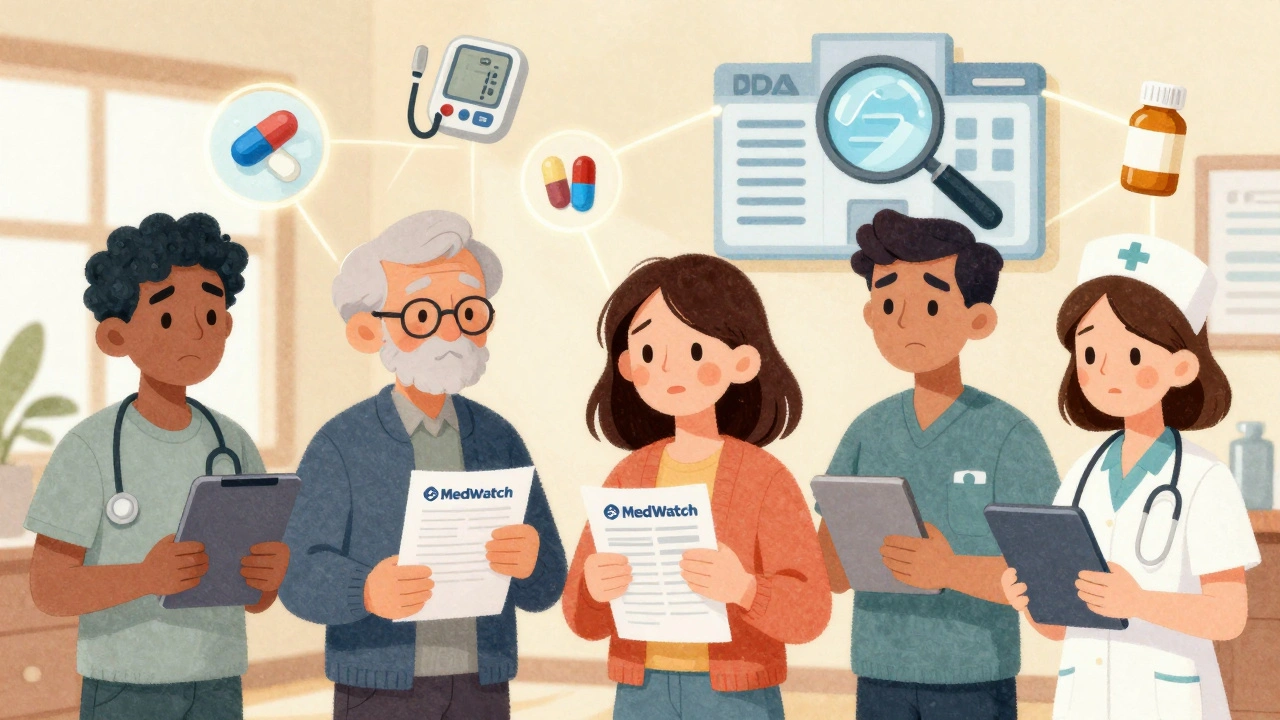
Learn how to report medication side effects and safety issues through MedWatch, the FDA's official system for tracking adverse events. Your report could help prevent harm to others.
read more