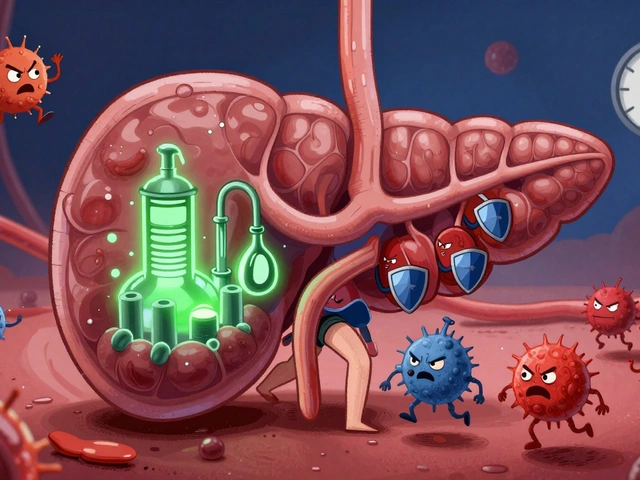
When your body makes C-peptide, a byproduct of insulin production that helps doctors measure how much natural insulin your pancreas is still making. Also known as connecting peptide, it’s a silent but powerful clue in understanding whether your diabetes is caused by your body stopping insulin production—or just not using it well. Unlike blood sugar readings, which show what’s happening right now, C-peptide reveals what your pancreas has been doing over time.
This matters because two people with the same high blood sugar could have completely different causes. One might have type 1 diabetes, an autoimmune condition where the immune system destroys insulin-making beta cells, leaving C-peptide levels near zero. The other might have type 2 diabetes, where the body resists insulin but still produces it, often at high levels, meaning C-peptide stays elevated. That difference changes everything—from what meds you need to whether you’ll ever need insulin shots.
Doctors use C-peptide tests when they’re unsure about the type of diabetes, especially in adults diagnosed later in life. It helps spot latent autoimmune diabetes in adults (LADA), a slow-forming version of type 1 that gets mistaken for type 2. It also tracks how well your beta cells are holding up after diagnosis—useful if you’re trying to preserve them with diet, weight loss, or new therapies. Even in people on insulin, checking C-peptide tells you if your body is still making any of its own, which can guide dose adjustments and predict long-term control.
You’ll find C-peptide linked to many of the posts below because it’s at the heart of how we understand insulin, glucose control, and the real biology behind diabetes. Whether you’re dealing with insulin resistance, wondering why your doctor ordered a test you didn’t understand, or trying to figure out if your condition is changing over time, the science of C-peptide gives you real answers—not just numbers on a screen. The articles here cover how it’s measured, what the results mean for your treatment, and how it connects to tools like CGMs, medication timing, and even how stress or sleep affects your pancreas. This isn’t theory—it’s what your doctor uses to make decisions that actually affect your daily life.
Type 1 diabetes is an autoimmune disease that destroys insulin-producing cells in the pancreas. Learn how it's diagnosed, managed with modern tech like CGM and closed-loop systems, and how new therapies like teplizumab are changing outcomes.
read more