

One in three adults will develop shingles, a painful rash caused by the reactivation of the chickenpox virus at some point in their lives. The risk spikes dramatically after age 50, turning what could be a manageable skin irritation into a debilitating medical event known as postherpetic neuralgia (PHN), which causes severe nerve pain lasting months or even years.
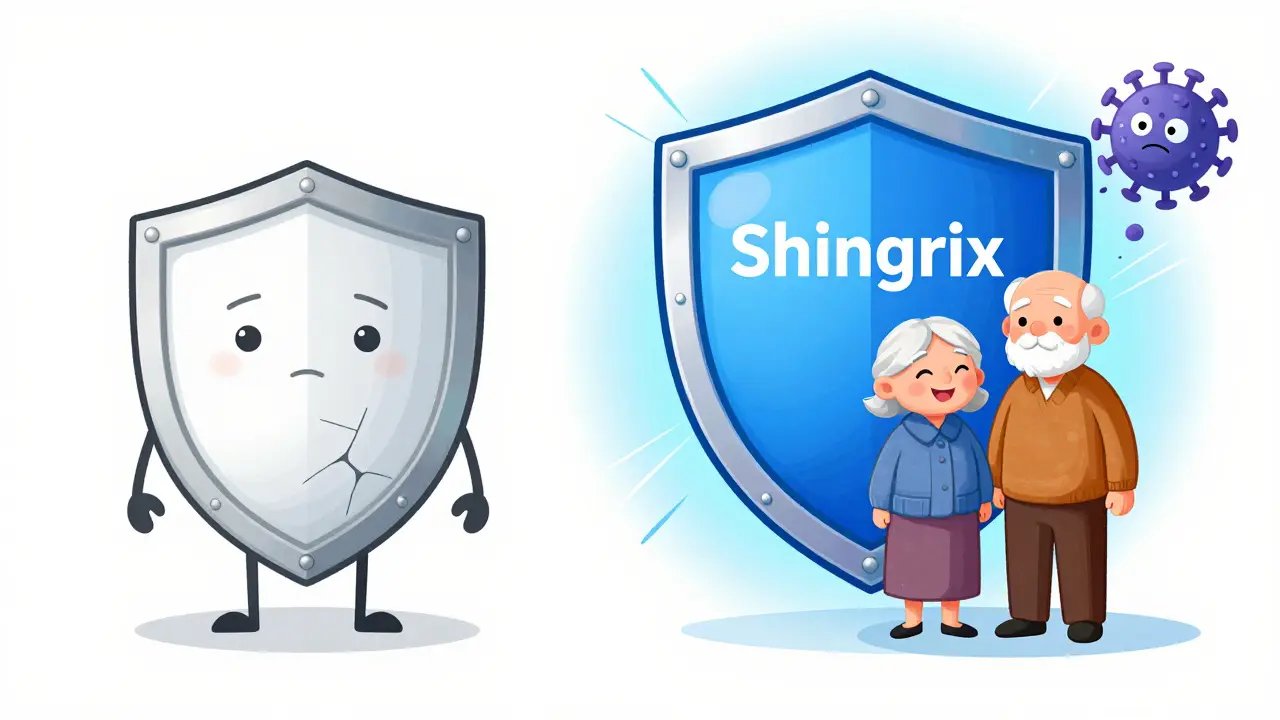
The good news is that you have powerful protection available. The Shingrix vaccine, developed by GlaxoSmithKline (GSK), is currently the only shingles vaccine available in the United States. It replaced the older Zostavax vaccine, which was discontinued in November 2020 because it was significantly less effective. Understanding who needs this vaccine, when to get it, and what to expect can save you from unnecessary pain later in life.
Who Should Get the Shingles Vaccine?
The Centers for Disease Control and Prevention (CDC) has clear guidelines on who qualifies for the recombinant zoster vaccine (RZV). The recommendation covers two main groups:
- Healthy adults aged 50 and older: You do not need to have had chickenpox recently or even remember having it as a child. Most adults over 50 carry the dormant virus. Even if you previously received the older Zostavax vaccine, you should still get Shingrix. The CDC recommends waiting at least one year after your last Zostavax dose before starting the Shingrix series.
- Immunocompromised adults aged 19 and older: This is a major shift from previous guidelines. If your immune system is weakened due to disease (like HIV or cancer) or therapy (such as chemotherapy or organ transplant medications), you are at higher risk for shingles. Unlike the old live-virus vaccine, Shingrix is non-live, making it safe for people with compromised immune systems.
If you fall into either of these categories, the benefits of vaccination far outweigh the risks. Dr. William Schaffner, an infectious disease expert at Vanderbilt University, notes that the incidence of shingles increases sharply after age 50, making early vaccination crucial for long-term health.
Why Shingrix Is the Only Choice Now
You might wonder why you can't just get any shingles vaccine. The short answer is efficacy. The discontinued Zostavax vaccine was only about 51% effective in preventing shingles in adults over 50. In contrast, clinical trials showed that Shingrix provides over 90% protection against herpes zoster across all age groups.
| Feature | Shingrix (Current) | Zostavax (Discontinued) |
|---|---|---|
| Efficacy (Age 50+) | Over 97% | Approximately 51% |
| Efficacy (Age 70+) | Over 91% | Approximately 38% |
| Vaccine Type | Non-live subunit | Live attenuated |
| Safe for Immunocompromised? | Yes | No |
| Doses Required | Two doses | One dose |
Because Shingrix does not contain the live virus, it cannot cause shingles. This makes it the superior choice for nearly everyone, including those with weaker immune systems. While Zostavax required only one shot, its low effectiveness made it obsolete. Shingrix requires two shots, but the protection it offers lasts for at least seven years, according to CDC data published in 2023.
When to Get Your Shots: Scheduling the Two-Dose Series
Getting the vaccine isn't a one-and-done deal. You need two doses to achieve full protection. Here is how the timing works based on your health status:
- For Healthy Adults (Age 50+): The second dose should be given 2 to 6 months after the first dose. This window allows your immune system to build strong, lasting antibodies. If you miss this window, you do not need to restart the series; just get the second dose as soon as possible.
- For Immunocompromised Adults (Age 19+): If you are undergoing treatment that suppresses your immune system, you may need to speed up the process. The minimum interval between doses is 1 to 2 months. The absolute shortest gap allowed is 4 weeks (28 days).
If the second dose is administered earlier than 4 weeks after the first, it does not count and must be repeated. This rule is strict to ensure your body has enough time to respond to the antigen.
A common mistake people make is forgetting the second dose. A 2024 study in JAMA Internal Medicine found that 34% of patients failed to return for their second shot within the recommended timeframe. To avoid this, set a reminder in your phone immediately after your first appointment. Some pharmacies offer automated text reminders to help boost completion rates.
What to Expect: Side Effects and Preparation
Let’s be honest: Shingrix is known for causing more noticeable side effects than many other vaccines. This is actually a sign that your immune system is reacting strongly to the vaccine components, particularly the AS01B adjuvant system that boosts the response. However, knowing what to expect can reduce anxiety.
According to clinical trial data, here are the most common reactions:
- Pain at the injection site: Experienced by about 78% of recipients. It can range from mild soreness to significant discomfort in the arm.
- Fatigue and Muscle Pain: About 45% report myalgia (muscle pain) and 38% experience fatigue.
- Headache and Fever: Approximately 34% have headaches, and some experience low-grade fevers or chills.
These symptoms usually start within 24 hours and last for 2 to 3 days. They are temporary but can be intense enough to interfere with daily activities. Many users on forums like Reddit and Drugs.com advise against scheduling important events, such as weddings or work presentations, within 48 hours of getting the shot.
To manage side effects, you can take over-the-counter pain relievers like acetaminophen or ibuprofen if needed. Staying hydrated and resting the vaccinated arm also helps. While these side effects sound daunting, most people find them worth enduring for the peace of mind that comes with >90% protection against shingles.

Cost and Insurance Coverage
Money shouldn’t be a barrier to getting protected. For most adults, the cost is covered by insurance:
- Medicare Part D: If you are 65 or older, Medicare Part D plans cover the shingles vaccine. Note that it is not covered under Medicare Part B. Your out-of-pocket cost depends on your specific plan’s deductible and copay structure. In 2024, average out-of-pocket costs were around $185 per dose, but many plans have lower copays.
- Private Insurance: Most private health insurance plans cover preventive vaccines, including Shingrix, with little to no cost-sharing. Check with your provider to confirm your coverage details.
- Uninsured Individuals: If you do not have insurance, the cost can be high, potentially exceeding $200 per dose. Look into local health department clinics or community health centers that may offer sliding-scale fees or assistance programs.
Pharmacists play a key role in administration. According to the American Pharmacists Association, 98% of pharmacists are trained to administer Shingrix safely. You don’t necessarily need to see a doctor; your local pharmacy is often the most convenient option.
Frequently Asked Questions
Can I get Shingrix if I already had shingles?
Yes. Having had shingles once does not mean you are immune forever. You can get the vaccine after your acute episode has resolved and the rash has crusted over. Vaccination can help prevent future recurrences.
Do I need the vaccine if I never had chickenpox?
If you are unsure whether you had chickenpox, you should still consider vaccination. Most adults who have been exposed to the virus carry it silently. However, if you know for certain you never had chickenpox and have not been vaccinated against it, talk to your doctor. Shingrix prevents shingles but does not protect against primary chickenpox infection.
How long does Shingrix protection last?
Studies show that Shingrix maintains high efficacy (over 85%) for at least 7 to 10 years after vaccination. As research continues, the CDC may update recommendations regarding booster doses, but currently, two doses are considered sufficient for long-term protection.
Is Shingrix safe during pregnancy?
Shingrix is not recommended for pregnant women. There is insufficient data on its safety during pregnancy. If you become pregnant after receiving the first dose, wait until after delivery to receive the second dose. Consult your healthcare provider for personalized advice.
What if I missed my second dose window?
You do not need to restart the series. Simply get the second dose as soon as you can. The vaccine remains effective even if the interval between doses is longer than six months. Consistency is ideal, but completing the series is what matters most.




Chandan Sharma
July 3, 2026 AT 01:48 AMIt is truly a marvel of modern pharmacology that we have finally discarded the pedestrian Zostavax for the superior Shingrix. The efficacy rates are nothing short of exquisite, providing a level of protection that one would expect from such a sophisticated adjuvant system. One must appreciate the scientific rigor behind these advancements.
Katie Dixon
July 4, 2026 AT 10:56 AMHey there! 🇺🇸 I just got my second shot and honestly? It’s like your body is fighting a war inside you but in a good way! Don’t let the side effects scare you off, friends! We need to stay strong and healthy for our great nation! 💪✨
Anna Bartle
July 4, 2026 AT 15:32 PMPlease note! You MUST get both doses! The first dose primes the immune response! The second dose solidifies it! Do not skip! Set reminders! Hydrate well! Rest adequately! It is crucial for long-term health! 😊
Chris Munton
July 4, 2026 AT 23:20 PMThe moral imperative here is clear; to ignore such a potent safeguard against postherpetic neuralgia is to invite unnecessary suffering upon oneself and potentially burden the healthcare infrastructure with preventable complications, which is ethically indefensible given the high efficacy rates demonstrated in clinical trials over the last decade.
Mohit Patil
July 6, 2026 AT 00:36 AMthey say its safe for immunocompromised people but who really knows what gsk is putting in those needles the adjuvants are basically experimental chemicals they want us to be lab rats without asking why do they need two doses if it was truly natural it would be one shot think about it
Amrithaa Thayaparan
July 7, 2026 AT 16:46 PMIts absolutely scandalous how many educated people still hesitate to get this vaccine when the data is so overwhelmingly in favor of shingrix. The pseudo-scientific nonsense circulating online is merely a distraction from the reality that prevention is better than cure. One shouldnt be too proud to accept medical help.
Paul Diamond
July 8, 2026 AT 01:57 AMThe transition from live-attenuated vaccines to subunit vaccines represents a profound shift in our understanding of immunological memory. It suggests that the body's response can be finely tuned without the risks associated with viral replication, a philosophical leap in biomedical ethics and practice.
Peter Sverla
July 9, 2026 AT 10:27 AMI've been reading up on the AS01B adjuvant system mentioned in the article. Does anyone know if there are any specific interactions with common blood pressure medications? I'm trying to gather all the information before my appointment next week.
Sydney Jarrett
July 10, 2026 AT 09:09 AMListen up, folks. The seroconversion rates for Shingrix are off the charts compared to the obsolete Zostavax. If you're not getting this, you're essentially gambling with your neurological health. The pharmacokinetics alone justify the two-dose regimen. Stop listening to fear-mongers and look at the peer-reviewed literature.
Lorena Suarez
July 11, 2026 AT 02:11 AMi totally get why people are scared of the side effects but ive heard its worth it. i plan to take ibuprofen beforehand just in case. hope everyone stays healthy out there no need to stress too much about it though
Isis Fleming
July 11, 2026 AT 20:37 PMIt is advisable to consult with your primary care physician regarding the optimal timing for your vaccination, particularly if you have underlying health conditions. The guidelines provided by the CDC are comprehensive, yet individual circumstances may necessitate a tailored approach to ensure maximum safety and efficacy.
Ben Murphy
July 12, 2026 AT 09:44 AMThe ethical landscape of preventive medicine demands that we prioritize interventions with high risk-benefit ratios. Shingrix exemplifies this principle. To overlook such a statistically significant reduction in herpes zoster incidence is to fail in our duty to preserve personal autonomy through informed health choices.
Fred Stone
July 13, 2026 AT 09:34 AMhey guys just a tip make sure u set a reminder for the 2nd shot cuz its easy to forget. i took some tylenol after mine and felt okay. dont worry too much about the arm pain it goes away fast. stay safe everyone!
Dawn Renee
July 14, 2026 AT 13:50 PMWhile the clinical data appears robust, one must remain vigilant regarding the long-term implications of novel adjuvant systems. The rapid discontinuation of Zostavax raises questions about industry influence on public health policy. Caution is warranted until further longitudinal studies are published.
Divya Prakash
July 14, 2026 AT 17:43 PMThe sheer arrogance of pharmaceutical companies in dictating our health narratives is palpable, yet one cannot deny the statistical superiority of Shingrix over its predecessor; however, the aggressive marketing tactics employed to promote this two-dose regimen suggest a profit motive that overshadows genuine concern for patient welfare, creating a complex ethical dilemma for the discerning individual.