
Your eyelids are more than just curtains for your eyes; they are complex muscular structures that protect your vision. When these muscles weaken or scar tissue forms, the lids can droop, turn inward, or flip outward. These conditions-known as ptosis, entropion, and ectropion-are not just cosmetic issues. Left untreated, they can scratch your cornea, cause chronic irritation, and even lead to permanent vision loss.
If you notice your upper lid is heavy, your lashes are rubbing against your eyeball, or your lower lid feels dry and exposed, you are likely dealing with an eyelid malposition. The good news is that modern oculoplastic surgery offers highly effective repairs. Understanding what causes these shifts and how they are fixed can help you decide when to see a specialist and what to expect from treatment.
Understanding Ptosis: The Drooping Eyelid
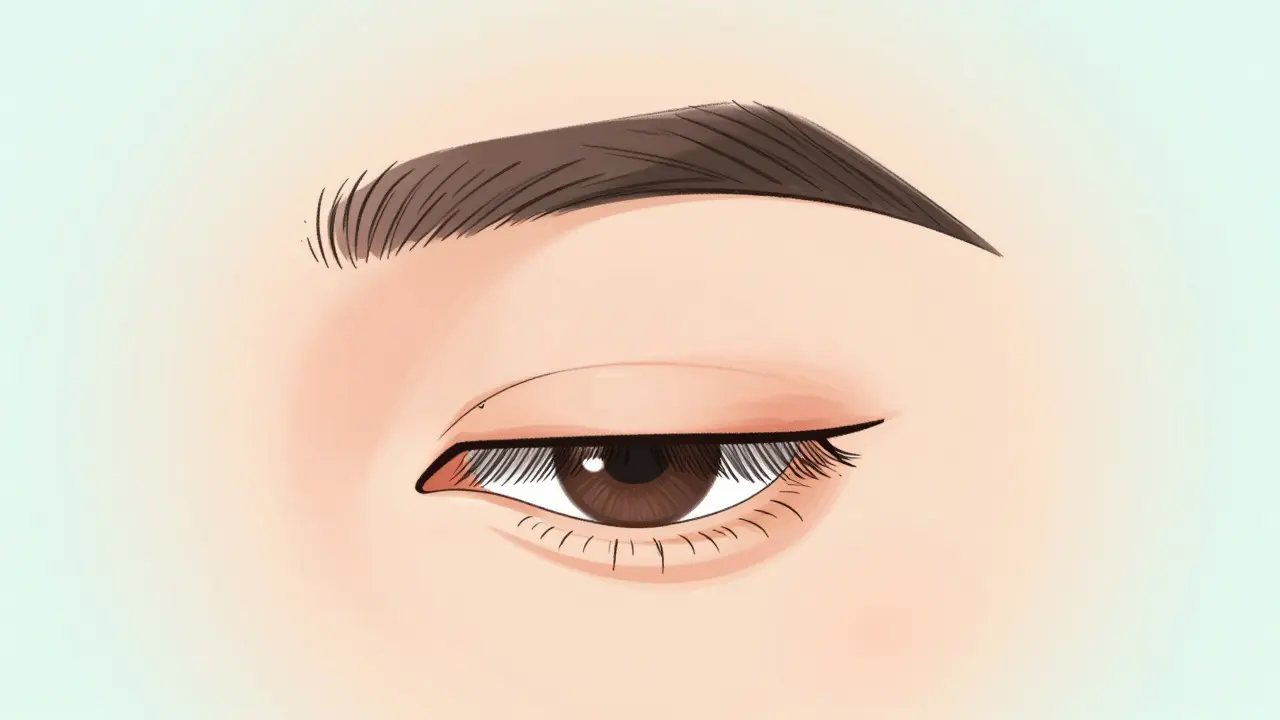
Ptosis is the medical term for a drooping upper eyelid that partially or fully covers the pupil. It can affect one eye (unilateral) or both (bilateral). While it might look like tiredness, true ptosis is a mechanical failure of the lifting mechanism.
The primary muscle responsible for lifting your eyelid is the levator palpebrae superioris. As we age, this muscle stretches and weakens, similar to how skin sags over time. This is called aponeurotic ptosis and is the most common form in adults. However, ptosis can also stem from nerve damage, such as in Horner’s syndrome or third nerve palsy, where the signal to lift the lid is interrupted.
You should suspect ptosis if:
- You have to raise your eyebrows constantly to see clearly.
- Your peripheral vision feels blocked at the top.
- You experience headaches or neck strain from tilting your head back to look up.
- One eye appears significantly smaller than the other.
Doctors measure ptosis using the Margin Reflex Distance (MRD). A normal MRD is between 4mm and 5mm. If the distance drops below 2mm, it is considered significant ptosis. Severe cases involve a droop greater than 3mm, often requiring surgical intervention rather than just observation.
Entropion: When Lashes Turn Inward
Entropion is a condition where the eyelid margin turns inward toward the eye, causing eyelashes and skin to rub directly against the cornea and conjunctiva.
This is primarily a problem of the lower eyelid. Imagine walking barefoot on a beach with sand sticking to your feet; that is essentially what your eye feels during entropion. The constant friction from lashes scraping the surface of the eye leads to redness, pain, and a persistent sensation that something is stuck in your eye.
The most common type is involutional entropion, which accounts for about 80% of cases in Western populations. It occurs because the horizontal retractors of the eyelid loosen with age, allowing the lid to roll in. Another serious form is cicatricial entropion, caused by scarring from conditions like ocular rosacea, trachoma, or previous surgeries. This scarring shortens the front layer of the eyelid, pulling it inward.
If ignored, entropion can cause corneal ulcers. These are open sores on the clear front part of the eye. Without treatment, these ulcers can scar permanently, leading to vision loss. Therefore, entropion is considered a sight-threatening condition that requires prompt evaluation.
Ectropion: The Outward-Turning Lid
While entropion turns the lid in, ectropion flips it outward. This exposes the inner pink lining of the eyelid (conjunctiva) to the air, causing it to become thick, red, and irritated. Because the tear drainage punctum (the tiny hole in the corner of your eye) is pulled away from the globe, tears cannot drain properly. This results in excessive watering, despite the eye feeling dry and gritty.
Like entropion, ectropion is largely age-related due to laxity in the eyelid tissues. However, it can also be caused by facial nerve paralysis (Bell’s palsy), severe skin cancer treatments, or allergic reactions. Chronic exposure can lead to exposure keratopathy, where the cornea dries out and becomes vulnerable to infection.

Diagnosis and Risk Factors
Diagnosing these conditions involves a physical exam and specific tests. For ptosis, doctors perform the phenylephrine test. They place drops containing phenylephrine in your eye to stimulate the Müller’s muscle. If the lid lifts significantly, you may be a candidate for a less invasive procedure known as Müller's muscle-conjunctival resection (MMCR). If there is little response, a levator resection is usually necessary.
Risk factors vary by condition but generally include:
- Age: Incidence of entropion rises from 0.5% in people aged 50-60 to 2.5% in those over 80.
- Contact Lens Wear: Long-term wear can stretch the eyelid tissues, increasing ptosis risk by approximately 30%.
- Previous Surgery: Prior eyelid surgery increases the risk of entropion recurrence by 40-60%.
- Inflammatory Conditions: Blepharitis and ocular rosacea contribute to scarring and malposition.
Surgical Repair Techniques
Conservative measures like taping the eyelid or using lubricating drops provide temporary relief but do not fix the underlying structural problem. Surgery remains the gold standard for long-term correction.
| Condition | Procedure Name | Best For | Success Rate |
|---|---|---|---|
| Ptosis | Levator Resection | Moderate to severe ptosis with good muscle function (>4mm) | 85-95% |
| Ptosis | Frontalis Sling | Severe ptosis with poor muscle function (<4mm) | High (but requires forehead movement) |
| Entropion | Tarsal Fracture | Involutional entropion | 90-95% |
| Entropion | Quickert Suture | Temporary correction or high-risk patients | 60-70% |
| Ectropion | Lateral Tarsal Strip | Cicatricial or involutional ectropion | High success rate |
For ptosis, the levator resection tightens the main lifting muscle. Newer techniques use adjustable sutures, introduced around 2018, which allow surgeons to fine-tune the lid height after swelling goes down. This has reduced revision surgery rates by about 25%. For mild cases, MMCR is performed through the inside of the eyelid, leaving no visible scars.
For entropion, the tarsal fracture procedure creates a new hinge point for the eyelid, forcing it to sit correctly against the eye. It boasts a 90-95% success rate for age-related cases. In cases of scarring (cicatricial entropion), surgeons may need to perform a tarsal wedge resection or use skin grafts to lengthen the shortened front lamella.
Recovery times have improved with minimally invasive approaches. Where recovery used to take 4-6 weeks, newer absorbable sutures and precise techniques now allow patients to return to normal activities in 1-2 weeks. High-resolution imaging before surgery has also improved planning accuracy by 30-40%, ensuring better aesthetic and functional outcomes.

Post-Operative Care and Complications
While success rates are high, complications can occur. Common issues after ptosis surgery include overcorrection (lid too high), undercorrection (still droopy), and dry eye symptoms, affecting 10-20% of patients. Asymmetry between the two eyes is another potential concern, occurring in 5-15% of cases.
After entropion or ectropion repair, recurrence is the main worry, happening in 5-15% of cases depending on the technique and severity of initial scarring. Infection rates are low (1-3%), but signs like increased redness, pus, or fever require immediate attention.
To ensure smooth healing:
- Apply antibiotic ointment as prescribed to prevent infection.
- Use artificial tears frequently to manage dryness.
- Avoid rubbing the eyes for at least two weeks.
- Keep the head elevated while sleeping to reduce swelling.
When to See a Specialist
You should consult an ophthalmologist or oculoplastic surgeon if you experience rapid onset of drooping, which could indicate a neurological emergency like a stroke or aneurysm. Even gradual changes warrant a visit if they obstruct your vision or cause discomfort. Early intervention prevents secondary damage to the cornea and preserves your quality of life.
The global demand for these procedures is growing, with the oculoplastic market projected to reach $2.7 billion by 2028. This growth reflects an aging population and improved access to specialized care. Whether you are dealing with the heaviness of ptosis or the grit of entropion, effective solutions exist. Don’t let eyelid disorders compromise your vision-seek professional evaluation to determine the best path to repair.
Is ptosis surgery painful?
Most patients report minimal pain after ptosis surgery. The procedure is typically done under local anesthesia with sedation. Post-operative discomfort is usually managed with over-the-counter pain relievers and feels more like soreness than sharp pain. Swelling and bruising are more common complaints than actual pain.
How long does entropion surgery last?
The surgery itself usually takes between 30 to 60 minutes. It is often performed as an outpatient procedure, meaning you go home the same day. Recovery involves keeping the eye clean and using ointments for about one to two weeks until stitches dissolve or are removed.
Can ptosis be treated without surgery?
Non-surgical options are limited. For mild ptosis, especially in children, observation is sometimes recommended. An FDA-approved device called the Ptosis Crutch can mechanically lift the lid. Additionally, phenylephrine eye drops can temporarily tighten the Müller’s muscle in select patients, but the effect wears off after a few hours. Surgery is the only permanent solution for significant ptosis.
What is the difference between entropion and trichiasis?
Entropion involves the entire eyelid margin turning inward, bringing all the lashes into contact with the eye. Trichiasis is when individual eyelashes grow in the wrong direction (inward) while the eyelid itself remains in the correct position. Both cause irritation, but entropion requires lid reconstruction, whereas trichiasis might be treated with electrolysis or laser ablation of specific lashes.
Does insurance cover eyelid surgery?
Insurance often covers functional eyelid surgery if it impairs vision. For ptosis, a visual field test must show obstruction. For entropion and ectropion, documentation of corneal abrasions or chronic irritation is usually required. Cosmetic blepharoplasty (removing excess skin for appearance only) is rarely covered unless it meets strict functional criteria.
How soon can I wear contacts after eyelid surgery?
It is generally recommended to wait at least 2 to 4 weeks before wearing contact lenses after eyelid surgery. This allows the incisions to heal and reduces the risk of infection or irritation from the lens edge rubbing against the surgical site. Always follow your surgeon's specific advice based on your healing progress.


Sean Luke
I specialize in pharmaceuticals and have a passion for writing about medications and supplements. My work involves staying updated on the latest in drug developments and therapeutic approaches. I enjoy educating others through engaging content, sharing insights into the complex world of pharmaceuticals. Writing allows me to explore and communicate intricate topics in an understandable manner.
view all posts