
Imagine popping a pill you’ve taken for years, only to feel burning in your eyes or notice the tablet dissolves instantly in water. That’s not just bad luck; it’s a red flag for counterfeit medicine. With counterfeit generics flooding online markets, many consumers face a silent threat where look-alike pills hide dangerous ingredients like fentanyl or no active drug at all. The World Health Organization estimates that about 10.5% of medicines in low- and middle-income countries are substandard or falsified, while in North America, the DEA seized over 134 million counterfeit pills between early 2023 and late 2024. You don’t need a lab coat to spot trouble, but you do need to know exactly what to look for before you click “buy.”
Why Counterfeit Generics Are Harder to Spot Than Ever
Counterfeiters have gotten smarter. They aren’t just printing blurry labels anymore; they’re using professional pill presses with custom punches and dies to replicate legitimate imprints perfectly. In fact, a recent DEA report noted that 7 out of 10 seized counterfeit pills contained a potentially lethal dose of fentanyl, hidden inside tablets that looked identical to brand-name opioids. This means visual inspection alone isn’t enough. If a pill looks right, feels right, and smells right, it could still be fake. The real danger lies in the chemical composition, which often contains crushed drywall, sugar, or toxic fillers instead of the promised active ingredient.
The rise of e-commerce has accelerated this problem. Online sales of counterfeit medicines have grown by 22% annually since 2020. Unlike brick-and-mortar pharmacies, online sellers operate across borders, making regulatory oversight difficult. For example, more than 50% of counterfeit malaria medicines in Asia contain no active ingredient whatsoever. These drugs don’t just fail to work; they can delay proper treatment, allowing diseases to worsen. Understanding that the problem is global and industrial-scale helps explain why vigilance is necessary, even if you live in a country with strong healthcare infrastructure.
Red Flags: What to Look for on the Package and Pill
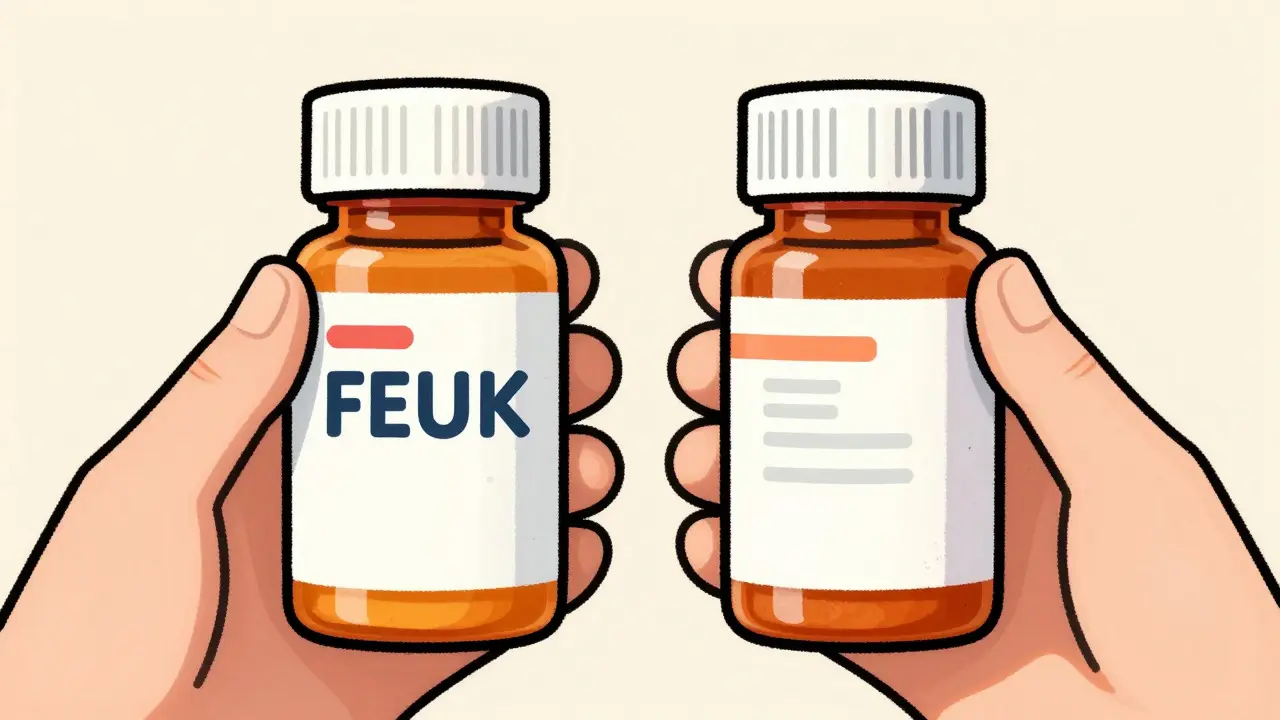
Your first line of defense is observation. While absence of signs doesn’t guarantee authenticity, their presence is a major warning sign. Start by comparing the new package side-by-side with a previous legitimate purchase. Check the font style, color consistency, spelling, and manufacturer name. Counterfeit packaging often has slight misalignments or different paper quality. If the box feels flimsy or the seal looks tampered with, pause.
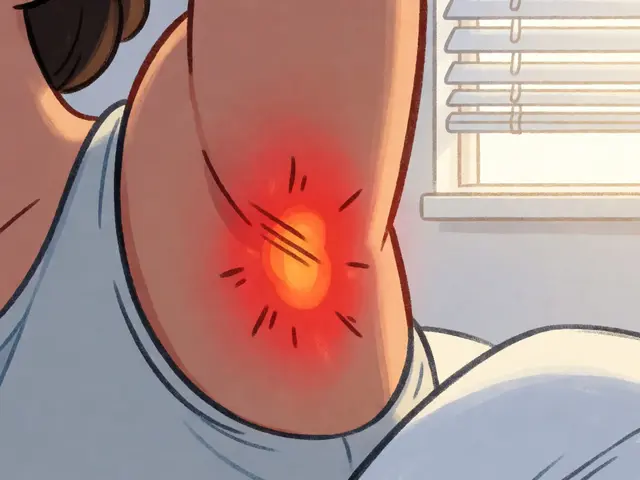
Next, examine the pill itself. Does it dissolve too quickly? A user on Reddit reported receiving erectile dysfunction medications from an unverified site where the pills dissolved instantly in water, unlike the real version which took over 20 minutes. This rapid dissolution suggests a lack of proper binding agents used in legitimate manufacturing. Also, check for unusual colors or sizes. Even trusted brands can change formulations, but sudden changes without notification from your doctor or pharmacist should raise eyebrows. Finally, watch for new side effects. If you experience irritation, burning, or reactions you’ve never had before, stop taking the medication and consult a healthcare provider immediately.
| Check Area | Legitimate Indicator | Counterfeit Warning Sign |
|---|---|---|
| Packaging | Crisp print, consistent colors, secure seals | Faded text, misspellings, loose flaps, different paper texture |
| Pill Appearance | Uniform size, color, and imprint | Irregular shapes, chipped edges, faint or missing imprints |
| Dissolution Test | Takes time to break down (varies by drug) | Dissolves instantly or leaves gritty residue |
| Physical Address | Verifiable local address with phone number | P.O. Box only, foreign address with no US contact info |
Online Pharmacy Scams: How to Verify Before You Buy
Buying medicine online is convenient, but it’s also where most scams happen. The National Association of Boards of Pharmacy (NABP) found that 96% of online pharmacy websites operate illegally. Most of these sites don’t require a valid prescription, which is a huge red flag. Legitimate pharmacies always verify your prescription with a healthcare professional before dispensing drugs. If a website lets you buy prescription meds without talking to a doctor, walk away.
The safest bet is to look for the ".pharmacy" domain. This top-level domain is reserved for online pharmacies that comply with all licensing laws and regulations. It’s part of the NABP’s Verified Websites Program. Not every .pharmacy site is perfect, but it’s a strong signal of legitimacy compared to random .com or .net sites. Additionally, check for a licensed pharmacist available for consultation. Reputable online pharmacies list their pharmacists’ names and offer ways to contact them. If you can’t find a physical address or a working phone number, assume it’s a scam.
Price is another clue. If a deal seems too good to be true-like 80% off a chronic medication-it probably is. Legitimate pharmacies rarely discount prescription drugs heavily because their margins are thin. Compare prices with your local pharmacy. If the online price is significantly lower, investigate further. Also, read reviews carefully. Verified .pharmacy sites average high ratings, but unverified sites often have complaints about mismatched packaging or ineffective pills.
Technical Verification: When to Call the Manufacturer
If you suspect your medication is fake, don’t just throw it away. Call the pharmaceutical company directly. They keep track of lot numbers and batch codes. By providing your specific lot number, the manufacturer can tell you if that batch was shipped to your pharmacy or if it’s associated with known counterfeit cases. Amy Callanan, Global Intelligence Lead at Pfizer, notes that companies accumulate data on counterfeits and can often identify issues based on these codes. This step is free and can provide definitive answers that visual checks cannot.
For those who want deeper assurance, some advanced technologies exist, though they aren’t typically available to consumers. Handheld Raman spectrometers can provide immediate “yes/no” results by analyzing the chemical structure of the pill without destroying it. Similarly, FT-NIR spectroscopy can fingerprint solid formulations. While you won’t be buying these devices for home use, knowing they exist highlights how sophisticated modern detection is. In the meantime, stick to the basics: verify the source, check the packaging, and trust your body’s signals.
What to Do If You Think You Have Fake Meds
If you suspect counterfeit medication, stop taking it immediately. Keep the original packaging and any remaining pills. Document everything: take photos of the label, the pill, and any side effects you experienced. Then, report it to the FDA through their MedWatch program or to your local health department. Reporting helps regulators track trends and issue alerts. For example, after consumers reported burning sensations with fake Muro 128 eye drops, the FDA issued a specific alert, helping others avoid the same product.
Don’t rely solely on social media reviews for verification, though they can be useful for spotting patterns. Instead, cross-reference information with official sources like the FDA or NABP. If you bought from an online pharmacy, check if they are listed on the NABP’s verified list. If not, consider filing a complaint with the Better Business Bureau or your state’s board of pharmacy. Your goal is to protect yourself and help catch the scammers before they harm someone else.
Frequently Asked Questions
Can I test my generic pills at home?
Not definitively. Home tests can show obvious issues like rapid dissolution or wrong color, but they can’t confirm the exact chemical composition. Only laboratory testing with tools like mass spectrometry or Raman spectroscopy can confirm 100% authenticity. However, simple observations combined with verifying the pharmacy source are effective first steps.
Are all generic drugs safer than brand-name drugs?
Legitimate generics are required by the FDA to have the same active ingredients, strength, and dosage form as brand-name drugs. They are not inherently less safe. The risk comes from counterfeits, which can masquerade as either generics or brand-name drugs. Always ensure your source is verified to mitigate this risk.
What does the .pharmacy domain mean?
The .pharmacy domain is a top-level web address reserved for online pharmacies that meet specific licensing and regulatory standards set by the NABP. It serves as a layer of security, indicating that the site has undergone verification. While not a guarantee against all issues, it is a much stronger indicator of legitimacy than standard .com domains.
Should I avoid buying antibiotics online?
Antibiotics are among the most commonly counterfeited drugs globally. Buying them online without a prescription increases the risk of getting fake versions with no active ingredient or wrong dosages. If you must buy online, use only NABP-verified pharmacies and ensure a valid prescription is on file.
How do I report a counterfeit drug?
Report suspected counterfeit drugs to the FDA via the MedWatch portal or by calling their hotline. You can also notify your state’s board of pharmacy. Include details like the lot number, pharmacy name, and any adverse effects. This data helps authorities track supply chain leaks and issue public alerts.


Garry Hedges
August 18, 2026 AT 10:37 AMthe system is rigged from the start
you think checking a box on a website saves you? nah. its all about control. the big pharma companies want you scared so you keep buying their expensive brands instead of trusting the generic supply chain which is actually pretty solid if you look at the data they hide from us. stop panicking and start thinking critically about who profits from your fear of fentanyl in a pill. its not the pill it is the narrative. wake up sheeple
Jamaal Johnson
August 20, 2026 AT 07:00 AMIt is truly alarming to consider that the very vessels of our health may be compromised by such sophisticated deception.
The article rightly highlights the industrial scale of this issue, yet one cannot help but feel a profound sense of vulnerability when contemplating that a simple tablet might contain nothing more than crushed drywall or toxic fillers.
One must remain vigilant, for the line between healing and harm is thinner than we dare admit.
Ankit Sinha
August 21, 2026 AT 04:36 AMlook i live in india and we deal with this daily. its not just an american problem. you guys get lucky because you have the dea. here we have local gangs making fake paracetamol that kills kids. the real issue is that westerners think they are above this because they pay in dollars. lol. also the .pharmacy domain thing is a joke half those sites are owned by the same shell companies. do your own research before you trust some random blog post. dont just take my word for it though check the nabe list yourself. its not hard. why are you all so lazy?
Jw George John Warren
August 21, 2026 AT 06:20 AMoh great another fear-mongering piece 🙄
bet the author gets paid per click on these scary headlines. meanwhile i buy my meds from a site that has been around for 10 years and never had an issue. probably because i know what i am doing unlike the sheep who follow every red flag guide. the real scam is the price markup at cvs and walgreens. stop crying about fake pills and start complaining about the 500% markup on lisinopril 😂
Rachel Robinson Interiors
August 22, 2026 AT 11:44 AMThis is such a helpful reminder to stay safe!
I always double-check the packaging now, especially since I order online for my chronic condition. It gives me peace of mind knowing there are specific signs to look for like the dissolution test. Thanks for sharing this practical info!
Jesse Barlau
August 23, 2026 AT 14:26 PMWhile the points raised regarding visual inspection are certainly valid and worth noting, it is important to remember that the most reliable method remains purchasing through licensed channels, as the human eye is often unreliable when it comes to detecting subtle chemical discrepancies in pharmaceutical products, which is why relying solely on appearance can be a risky strategy for long-term medication management, and therefore, integrating professional verification steps into one's routine is the most prudent approach for ensuring safety and efficacy over time.
olatunde oluranti
August 24, 2026 AT 12:36 PMthey tell you to check the lot number but the lot numbers are changed every week so how do you know which one is bad? its all a game to keep you confused. i bought antibiotics from a site in nigeria and they worked fine. maybe the problem is only in america where people are too sensitive. anyway the government hides the truth about what is in the water supply so why trust them with pills too. stay awake. the matrix is everywhere.
teresa baldini
August 25, 2026 AT 03:46 AMOh, how delightful; the notion that one should merely 'trust the body’s signals' is, frankly, a bit... naive, isn't it?
After all, if the body were capable of reliably distinguishing between active pharmaceutical ingredients and inert sugar cubes, we would hardly need pharmacists, let alone complex regulatory bodies! One simply cannot afford to be so casual with one's health, can one? It is all so terribly dramatic, really, but necessary for survival in this chaotic world of commerce.
Daniel Cook
August 25, 2026 AT 21:46 PMFair point. I usually stick to my local pharmacy but good to know the red flags just in case.