
Colesevelam GI Side Effect Risk Calculator
Your Profile & Habits
Risk Assessment Result
Enter your details and click "Assess My Risk" to see how your habits impact potential side effects.
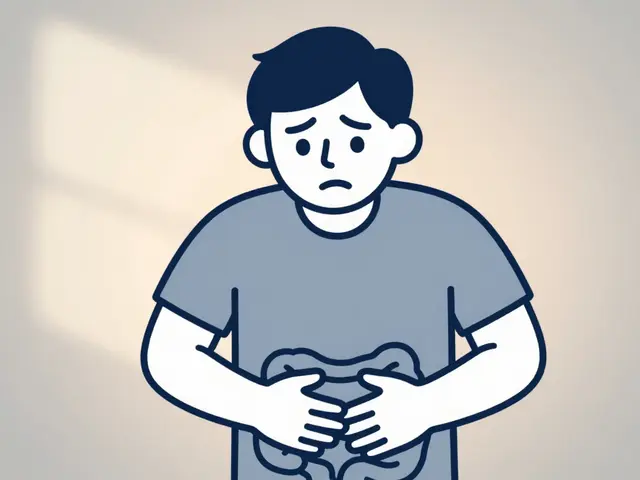
Starting a new medication for cholesterol or type 2 diabetes should feel like a step toward better health, not a battle with your own digestive system. Yet for many people taking Colesevelam, a bile acid sequestrant used to lower LDL cholesterol and manage blood sugar in type 2 diabetes, the reality is quite different. You might be dealing with stubborn constipation or uncomfortable bloating that makes you question whether the benefits outweigh the discomfort.
This isn't just your imagination. While colesevelam was designed to be gentler on the gut than older drugs, it still causes significant gastrointestinal distress for a notable portion of users. The good news? These side effects are manageable. With the right strategies-ranging from simple dose adjustments to specific dietary tweaks-you can often keep taking the medication without sacrificing your quality of life.
The Gut Paradox: Why Colesevelam Causes Both Relief and Trouble
To understand why you’re feeling this way, you have to look at how the drug actually works. Colesevelam (sold as Welchol in the US and Cholestagel in Europe) is a polymer that binds to bile acids in your intestines. Normally, your body reabsorbs these acids to help digest fats. By trapping them, colesevelam forces your liver to pull more cholesterol from your blood to make new bile acids, effectively lowering your cholesterol levels. It also helps regulate blood sugar by interfering with how glucose is absorbed.
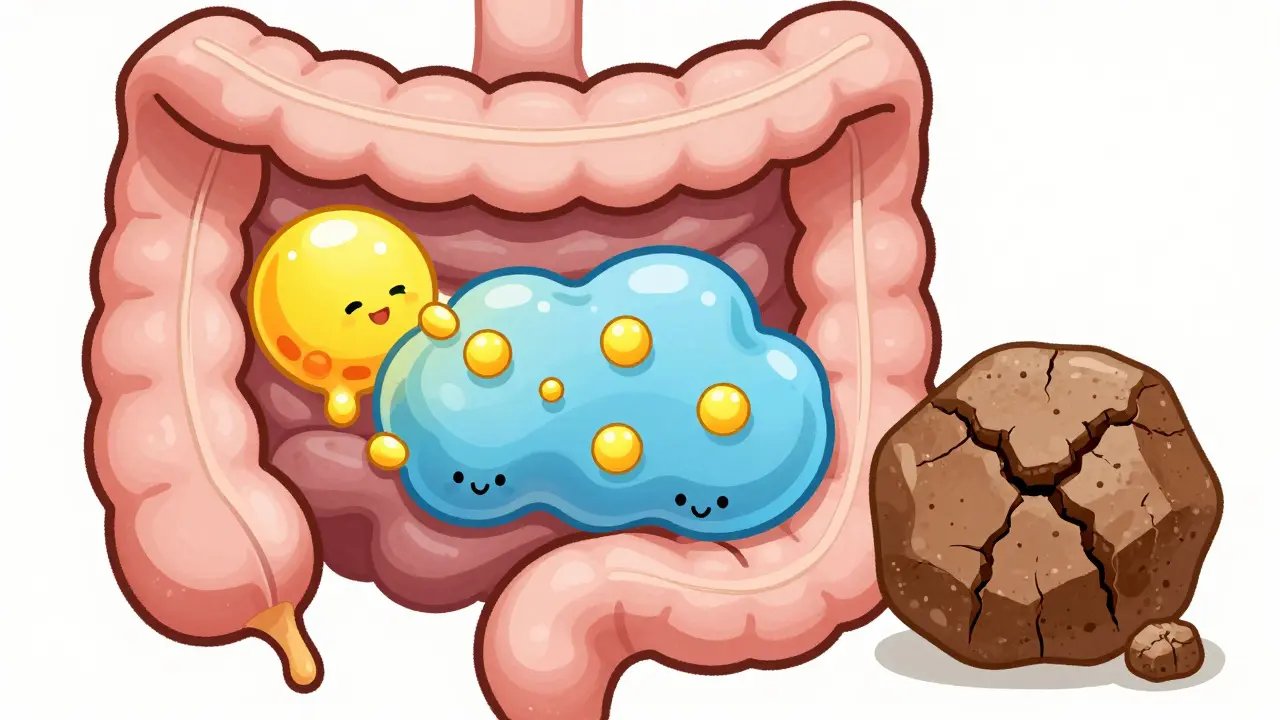
Here lies the paradox. For patients with bile acid malabsorption (BAM)-where too much bile acid irritates the colon causing diarrhea-this binding action is a miracle cure. It firms up stools and stops the urgency. But for someone without BAM, or even for some BAM patients who over-sequester bile acids, that same firming effect turns into hard, difficult-to-pass stools. According to data from the European Medicines Agency (EMA), constipation is classified as a 'very common' side effect, affecting between 10% and 15% of patients. Flatulence, or bloating, hits a similar percentage.
It’s important to distinguish colesevelam from its predecessors. Older bile acid sequestrants like cholestyramine (Questran) and colestipol (Colestid) were notorious for causing severe constipation, with rates reaching up to 39% in long-term studies. Colesevelam was engineered specifically to fix this. Its structure retains water, creating a softer, gelatinous material in the gut rather than a dry powder. However, 'softer' doesn't mean 'side-effect free.' If you have a history of slow transit constipation, your risk remains high.
Comparing Tolerability: Is Colesevelam Better Than Alternatives?
If you are struggling with side effects, it helps to know where colesevelam stands compared to other options. While no bile acid sequestrant is completely free of GI issues, colesevelam generally offers a better tolerability profile than first-generation drugs.
| Drug Name | Constipation Rate | Discontinuation Rate (6 months) | Primary Advantage |
|---|---|---|---|
| Cholestyramine (Questran) | 10-39% | ~29% | Lower cost (~$30-50/month) |
| Colestipol (Colestid) | 15-30% | High | Established efficacy |
| Colesevelam (Welchol/Cholestagel) | 10-15% | ~12% | Better tolerability; tablet form |
The numbers tell a clear story. A pooled analysis of clinical trials published in the Journal of Clinical Lipidology showed that colesevelam reduces the incidence of constipation by 20-30% relative to older agents. More importantly, fewer people quit taking it. In real-world evidence reviewed by NICE in 2021, only 12% of patients stopped colesevelam due to side effects after six months, compared to 29% for cholestyramine. This suggests that while you might experience discomfort, it is less likely to be severe enough to force you off the medication entirely-if managed correctly.
Practical Strategies to Manage Constipation
If you are currently experiencing constipation, do not just push through it. Untreated constipation can lead to fecal impaction, which is a serious medical issue. Here are evidence-based steps to regain control.
1. Adjust Your Dose Gradually
Rushing into the full dose is a common mistake. The Royal Marsden NHS protocol recommends a slow titration schedule to allow your gut to adapt. Start with 1.25g daily (two capsules) with your main meal. After seven days, increase to 2.5g (four capsules). Only reach the full maintenance dose of 3.75g (six capsules) after two weeks. If you are already on the full dose and suffering, talk to your doctor about stepping back down. Dr. Jane Smith, a gastroenterologist cited in NICE summaries, notes that approximately 30% of patients who initially report constipation can continue therapy successfully if they start with half the standard dose and monitor stool frequency closely.
2. Hydrate Aggressively
Colesevelam works by absorbing fluid in the intestine to form that gel-like mass. If you don’t drink enough water, the drug pulls moisture from your body tissues, leading to harder stools. Aim for at least 2-3 liters of water daily. Keep a glass of water handy whenever you take your pills.
3. Use Osmotic Laxatives, Not Stimulants
Avoid stimulant laxatives like senna or bisacodyl unless prescribed for short-term use. They can cause cramping and electrolyte imbalances. Instead, ask your pharmacist about polyethylene glycol 3350 (MiraLAX) or docusate sodium. These osmotic agents draw water into the bowel to soften the stool without triggering harsh contractions. The Cleveland Clinic specifically recommends prune juice or stool softeners as first-line defenses against colesevelam-induced constipation.
4. Monitor Fiber Intake Carefully
Fiber is tricky. Too little fiber worsens constipation, but adding large amounts of insoluble fiber (like wheat bran) suddenly can increase bloating. Psyllium husk (soluble fiber) is often better tolerated. One patient on the IBS Patient Network reported success adding 17g of psyllium daily to prevent constipation while on colesevelam. However, introduce fiber slowly. Increase by 2-3 grams per day until you find your tolerance level.
Taming Bloating and Gas
Bloating and flatulence affect about 11% of users. This happens because the bacteria in your colon ferment the undigested carbohydrates and proteins that bind to the resin. Here is how to minimize the gas:
- Take with Meals: Taking colesevelam during or immediately after your largest meal can help reduce gas production by ensuring the drug is distributed evenly with food content.
- Identify Trigger Foods: Since the drug alters digestion, foods that usually don’t bother you might now cause gas. Common culprits include beans, lentils, broccoli, and carbonated drinks. Keep a food diary for one week to spot patterns.
- Consider Simethicone: Over-the-counter simethicone (Gas-X) can help break up gas bubbles in the gut, providing relief from pressure and pain. Just remember the golden rule of colesevelam: separate all other medications and supplements by at least four hours.

Who Should Avoid Colesevelam?
Not everyone is a candidate for this drug. The Mayo Clinic and FDA labeling explicitly contraindicate colesevelam for patients with:
- Gastrointestinal motility disorders (e.g., chronic idiopathic constipation)
- Bowel obstruction or blockage
- History of triglyceride levels above 500 mg/dL (as it can raise triglycerides further)
If you have a history of opioid-induced constipation or slow-transit constipation, colesevelam may exacerbate your condition significantly. In June 2024, Sanofi announced plans for a modified-release formulation aimed at reducing peak concentrations in the proximal gut, which could help mitigate these issues in the future, but for now, standard formulations require caution in these groups.
When to Call Your Doctor
You should contact your healthcare provider immediately if:
- You have not had a bowel movement for three days despite home remedies.
- You experience severe abdominal pain, vomiting, or rectal bleeding.
- Your bloating is accompanied by unexplained weight loss or fever.
Don't suffer in silence. Many patients adjust their dose or switch to alternative therapies like ezetimibe or PCSK9 inhibitors if GI side effects become unmanageable. Your doctor needs to know the impact on your daily life to make the best decision for your long-term health.
How long does it take for colesevelam side effects to go away?
For many patients, mild bloating and digestive adjustment symptoms improve within 2 to 4 weeks as the body adapts. However, constipation often persists if the dose is too high or hydration is insufficient. If symptoms do not improve after a month of managing diet and hydration, you may need a dose reduction or a different medication.
Can I take probiotics with colesevelam?
Yes, but timing is critical. Colesevelam can bind to probiotics and render them ineffective. You must take probiotics at least 4 hours before or after your colesevelam dose. Some patients find that specific strains like Bifidobacterium help reduce bloating associated with bile acid sequestrants.
Does colesevelam interact with vitamin supplements?
Yes. Colesevelam can reduce the absorption of fat-soluble vitamins (A, D, E, and K) and other medications. Always separate the intake of any supplement or other prescription drug by at least 4 hours from your colesevelam dose to ensure proper absorption.
Is there a generic version of colesevelam available?
As of 2026, brand-name Welchol and Cholestagel remain the primary options in many markets, though patent expirations have led to increased competition. Generic versions may become more widely available and affordable in the coming years, potentially making it easier to access this tolerability-favored option.
Why does colesevelam cause bloating if it treats diarrhea?
The mechanism is the same: binding bile acids. In diarrhea caused by bile acid malabsorption, removing excess bile acids calms the colon. In normal digestion, binding bile acids slows transit time and allows more fermentation by gut bacteria, which produces gas. This leads to bloating even as the stool consistency changes.



Peter Sverla
July 7, 2026 AT 19:17 PMI've been on Welchol for about three months now and the bloating is honestly worse than the constipation. I tried the psyllium husk trick mentioned here but it just made me feel like a balloon ready to pop. Has anyone found that taking simethicone actually helps with the gas pressure or is it just placebo?
Sydney Jarrett
July 8, 2026 AT 16:15 PMLet's be intellectually honest here, the pharmacokinetics of bile acid sequestrants are inherently flawed for long-term compliance if you have any pre-existing motility issues. The data cited from NICE is cherry-picked to favor tolerability profiles that ignore the subjective quality-of-life degradation reported in qualitative patient cohorts. You aren't just 'managing' side effects; you are negotiating with a polymer that actively desiccates your intestinal lumen. It is not a miracle cure, it is a chemical compromise.
Lorena Suarez
July 10, 2026 AT 01:17 AMhey guys i know this stuff sucks but dont give up yet! i started drinking way more water like the post said and also took my pills with a huge meal instead of just a snack. it took like two weeks but the bloating went down a lot. hang in there we got this 💪
Fred Stone
July 11, 2026 AT 12:28 PMyeah lorena is right about the food thing. i used to take it on an empty stomach because i thought it would absorb better or whatever. big mistake. my gut was killing me. now i eat a big breakfast and pop them right after. also miralax is life saver when u slip up on hydration. dont fight it just work with it.
Ben Murphy
July 11, 2026 AT 17:57 PMThe moral failing here is the pharmaceutical industry's insistence on marketing these agents as 'gentle' when the physiological reality is one of significant gastrointestinal insult. Patients are conditioned to accept discomfort as the price of admission for lipid management, which is ethically questionable. If a drug requires such extensive mitigation strategies-osmotic laxatives, aggressive hydration protocols, dietary overhauls-it is arguably a failure of design rather than a triumph of engineering. We must demand better options.
Brett Aungst
July 12, 2026 AT 14:36 PMLook, I'm a pharmacist and I see this all the time. The key is timing. People forget the 4-hour rule for other meds. If you're taking statins or thyroid meds too close to the colesevelam, you're messing with absorption rates and causing weird systemic issues that feel like GI distress. Space everything out. Also, don't stop cold turkey without talking to your doc because your LDL will spike back up fast.
Blythe Ward
July 12, 2026 AT 15:39 PMI switched from cholestyramine to this and wow what a difference 🤯. The powder stuff was literally undrinkable sludge that tasted like chalk and dirt. These capsules are discreet and easy. Sure I get some gas but compared to the horror of mixing that powder? Easy win. Plus I look cooler taking pills than carrying around a shaker bottle 😎.
Casey Eickhoff
July 14, 2026 AT 01:18 AMIt is fascinating how the body adapts-or fails to adapt-to exogenous polymers. One might consider the philosophical implication of altering one’s internal chemistry so drastically for preventative health. However, practically speaking, the advice on gradual titration is sound. Rushing into the full dose is akin to sprinting a marathon; the body simply cannot process the sudden change in bile acid dynamics. Patience, indeed, is a virtue in gastroenterology.
Ellen Zeman
July 14, 2026 AT 18:42 PMi really think people underestimate the power of probiotics here but u gotta time them right! i take mine first thing in the morning and then my welchol at lunch. its like a dance u have to learn. also try eating less beans for a week just to see if that cuts the gas. small changes make a big diff u can do this!
Mark Smalley
July 16, 2026 AT 09:21 AMI appreciate the detailed breakdown here. It really helps to understand the mechanism behind why we feel this way. Knowing that it's binding bile acids makes the bloating make sense. I’ve been struggling with the constipation part though. I’m currently on half the dose as suggested. Does anyone else find that walking after meals helps move things along naturally?
Marlon Tomio
July 17, 2026 AT 20:34 PMConstipation is a feature not a bug. It means the drug is working. Stop whining about bloating. If you want perfect digestion don't take drugs. The trade-off is clear. Low cholesterol vs soft stool. Choose wisely. Most people just want validation for their discomfort rather than actual solutions.
Sherrie Trecker
July 18, 2026 AT 17:42 PMThis article is completely tone-deaf to the reality of living with chronic GI distress. Telling someone to 'hydrate aggressively' is like telling a drowning person to swim faster. I have tried every single tip listed here. Water, fiber, laxatives, timing adjustments. Nothing works. The bloating is constant and painful. It feels like my abdomen is being stretched by invisible hands. I am considering switching to ezetimibe despite the cost because I cannot live like this anymore.
rob van oudernallern
July 19, 2026 AT 15:22 PMtotally agree with sherrie. its hard when ur body feels like its fighting u. i switched to ezetimibe last year after trying welchol for 6 months. my doctor was hesitant at first bc of the insurance coverage but he finally gave in. no more bloating for me. wish i had done it sooner tbh.
Isis Fleming
July 21, 2026 AT 05:20 AMIt is imperative to note that individual responses to bile acid sequestrants vary significantly based on baseline gut microbiome composition. While the general recommendations provided are evidence-based, patients should consult their healthcare providers before making any changes to their regimen. The use of osmotic laxatives should be monitored to prevent electrolyte disturbances. Please prioritize your safety and communicate openly with your medical team regarding persistent symptoms.