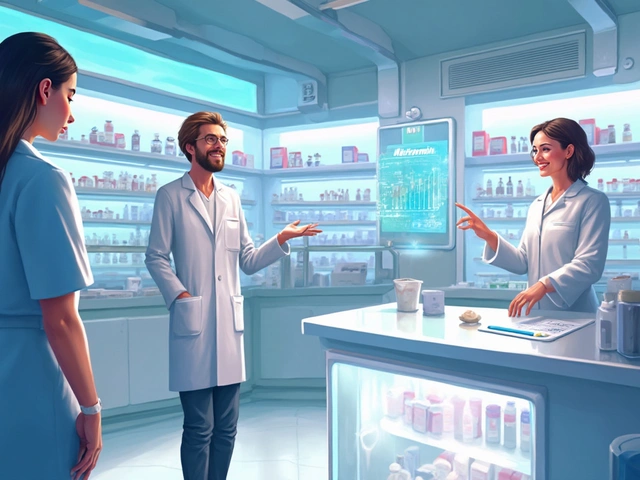
When you take a pill, you expect it to help—not hurt. But safety risks, unintended harm caused by medications when used as directed or in error. Also known as adverse drug events, these risks are more common than most people realize. Even common drugs like ibuprofen, PPIs, or antidepressants can cause serious problems if not managed right. It’s not just about overdosing—it’s about how drugs talk to each other, how your body changes over time, and what your doctor might not tell you because they’re rushing through appointments.
One major drug interaction, when two or more medications affect each other’s action in the body. Also known as pharmacological interaction, it can turn a safe dose into a dangerous one. For example, acid-reducing meds like PPIs can stop your body from absorbing key drugs like iron or antifungals. Or take digoxin: if your kidney function drops even slightly, the same dose that helped last month could now be toxic. Then there’s QT prolongation—something antibiotics or antipsychotics like Abilify can trigger, leading to irregular heartbeats that could be life-threatening. These aren’t rare edge cases. They show up in real clinics every day.
Some risks come from what you don’t see. Long-term use of steroids like fluticasone can silently weaken bones. Weight gain from antipsychotics isn’t just inconvenient—it raises diabetes risk. Withdrawal from antidepressants doesn’t always feel like depression returning—it can feel like brain zaps, dizziness, or flu-like symptoms that make people quit cold turkey, thinking their meds stopped working. And when people buy cheap generics online without knowing the source, they risk getting fake or contaminated pills. These aren’t hypotheticals. They’re documented in patient stories, clinical studies, and pharmacy error logs.
What ties all this together? therapeutic monitoring, the process of checking drug levels or patient response to prevent harm. Also known as drug level testing, it isn’t optional for drugs like amiodarone, cyclophosphamide, or isoniazid. It’s the difference between treatment and tragedy. But monitoring isn’t just blood tests—it’s also listening to your body, asking the right questions, and knowing when to push back if something feels off.
You don’t need to be a doctor to protect yourself. You just need to know what to watch for. The posts below cover real cases where safety risks turned serious—and how people got out of them. From how GERD meds interfere with absorption, to why some heart drugs need regular blood checks, to why switching from one antidepressant to another can backfire if done wrong—this isn’t theory. It’s what happens in real lives. You’ll find practical steps to reduce your own risk, spot warning signs early, and talk to your provider in a way that actually gets results.
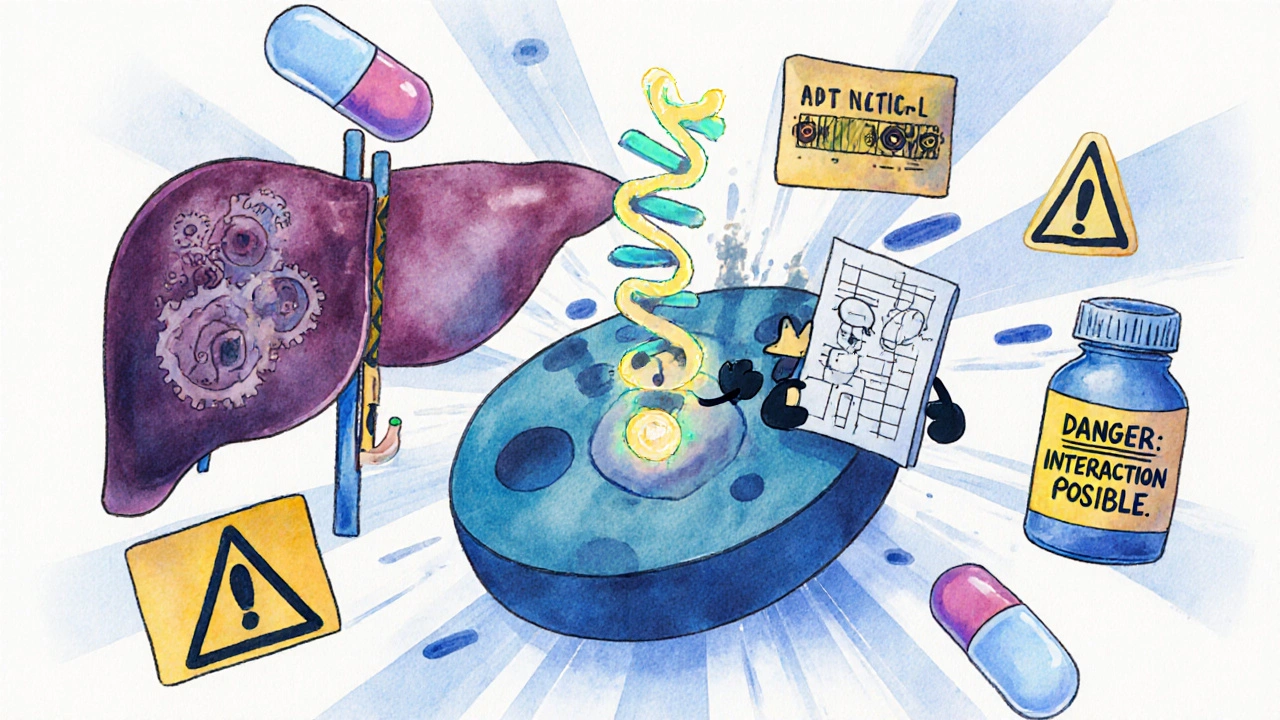
Gene therapy offers permanent fixes for genetic diseases but brings unique drug interaction risks that can emerge years later. Learn how viral vectors, immune responses, and off-target effects can alter how your body handles medications.
read more