When you feel that burning sensation rising from your chest, it’s not just discomfort—it’s your body signaling that something is off. Reflux triggers, the specific foods, habits, or conditions that cause stomach acid to flow back into the esophagus. Also known as GERD triggers, these are the hidden culprits behind daily heartburn for millions. This isn’t about occasional indigestion after a big meal. This is about patterns—what consistently sets off your symptoms, and how to break them.
Some food triggers, substances that relax the lower esophageal sphincter or increase stomach acid production are obvious: spicy food, coffee, chocolate. But others? They sneak in. Citrus juices, tomatoes, onions, garlic, mint, and even plain water can trigger reflux in some people. And it’s not just what you eat—it’s when and how. Lying down within three hours of eating? That’s a guaranteed way to turn a mild burp into a full-blown flare-up. Eating large portions? That puts pressure on your stomach, forcing acid upward. Even tight clothing around your waist can do the same thing.
Then there are the lifestyle factors, daily habits that influence stomach pressure and acid production. Smoking weakens the sphincter muscle. Alcohol doesn’t just relax it—it irritates the lining. Being overweight adds extra pressure on your abdomen. Stress? It doesn’t cause reflux, but it makes your stomach more sensitive and slows digestion, giving acid more time to cause trouble. And don’t forget medications. Some pain relievers, antidepressants, and even calcium channel blockers can worsen reflux. If you’re on any of these, talk to your doctor before stopping anything.
What makes this tricky is that triggers vary. One person can eat pizza without a problem, while another gets burned by a single slice. That’s why tracking matters. Write down what you eat, when you eat it, and how you feel afterward. Look for patterns. Did you have wine with dinner and then lie down? Did you snack on chips before bed? Did you skip breakfast and then overeat lunch? These aren’t random events—they’re clues.
And here’s the thing: avoiding reflux triggers doesn’t mean giving up everything you love. It’s about adjusting timing, portion size, and combinations. Eat smaller meals. Stay upright for at least three hours after eating. Sleep with your head slightly raised. Cut back on alcohol and caffeine—not eliminate, just reduce. Swap out trigger foods for gentler alternatives. Instead of tomato sauce, try roasted red pepper. Instead of coffee, try chamomile tea. Small changes, done consistently, add up.
Below, you’ll find real, practical guides on how medications like acid-reducing drugs affect your body, how certain drugs can make reflux worse, and how to spot the hidden links between what you take and how you feel. These aren’t theory pieces—they’re tools built from real experiences and clinical insights. Whether you’re trying to reduce your reliance on PPIs, understand why your heartburn flares after antibiotics, or figure out if your weight loss plan is helping or hurting, the articles here give you the facts without the fluff. No jargon. No guesswork. Just what works.
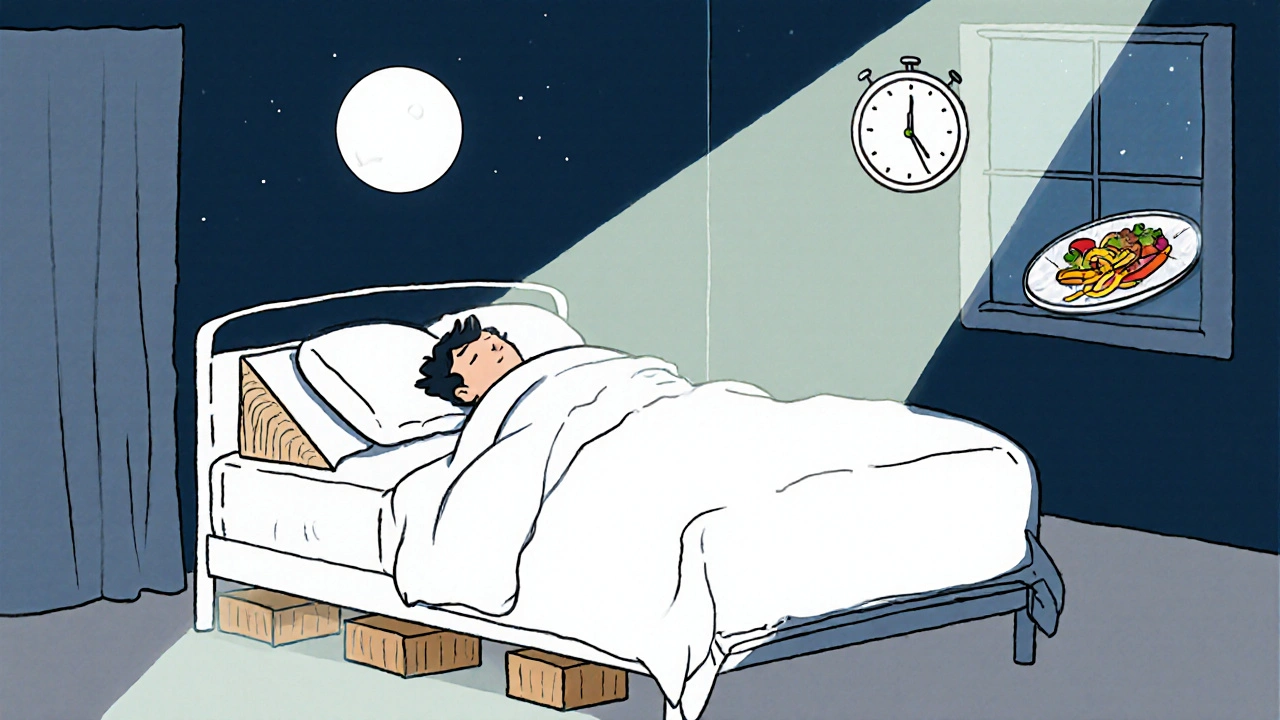
GERD management starts with diet and lifestyle changes, followed by medications like PPIs and newer options like vonoprazan. Surgery may be needed for persistent cases. Learn what triggers reflux and how to control it effectively.
read more