When you get a live vaccine, a vaccine made from a weakened version of a virus or bacteria that can still replicate but doesn’t cause serious illness. Also known as attenuated vaccines, these are designed to trick your immune system into thinking it’s under attack—so it learns how to fight the real thing later. Unlike dead or protein-based vaccines, live vaccines don’t just show your body a picture of the threat—they give it a low-stakes battle to win. That’s why they often give stronger, longer-lasting protection with just one or two doses.
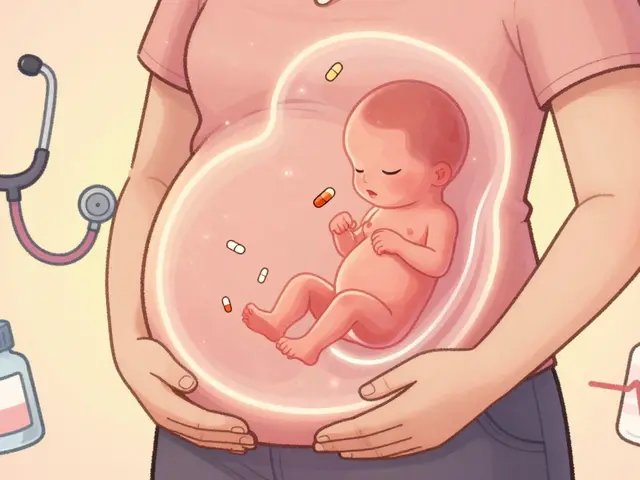
Common examples include the measles, mumps, and rubella (MMR) shot, the chickenpox vaccine, and the nasal spray flu vaccine. These work because the virus inside is still alive, but it’s been weakened in a lab so it can’t harm healthy people. But that same strength makes them risky for some: people with weakened immune systems—like those on chemotherapy, organ transplant recipients, or pregnant women—can’t get them. The virus might be too weak for you, but too strong for them. That’s why vaccine choices aren’t one-size-fits-all.
Live vaccines also interact with other medical treatments. If you’re taking steroids or biologics for autoimmune diseases, your doctor will check whether you can safely get one. And timing matters—if you’ve had a blood transfusion or immune globulin, you might need to wait months before getting a live vaccine. It’s not just about the shot itself, but what’s happening inside your body when you get it.
These vaccines are behind some of the biggest wins in public health. Before the MMR vaccine, hundreds of thousands of kids got measles every year in the U.S. Now, outbreaks are rare. But that success depends on enough people getting vaccinated. If too many skip live vaccines, the protection fades—and the diseases come back. That’s why understanding them isn’t just personal—it’s community-level science.
What you’ll find below are real, practical guides that connect live vaccines to everyday health concerns: how they fit into travel plans, what to do if you’re unsure about your vaccination history, how they interact with other meds, and why some people can’t get them even when others can. These aren’t theory pages—they’re tools for making smart choices with your doctor, pharmacist, or when planning a trip abroad.
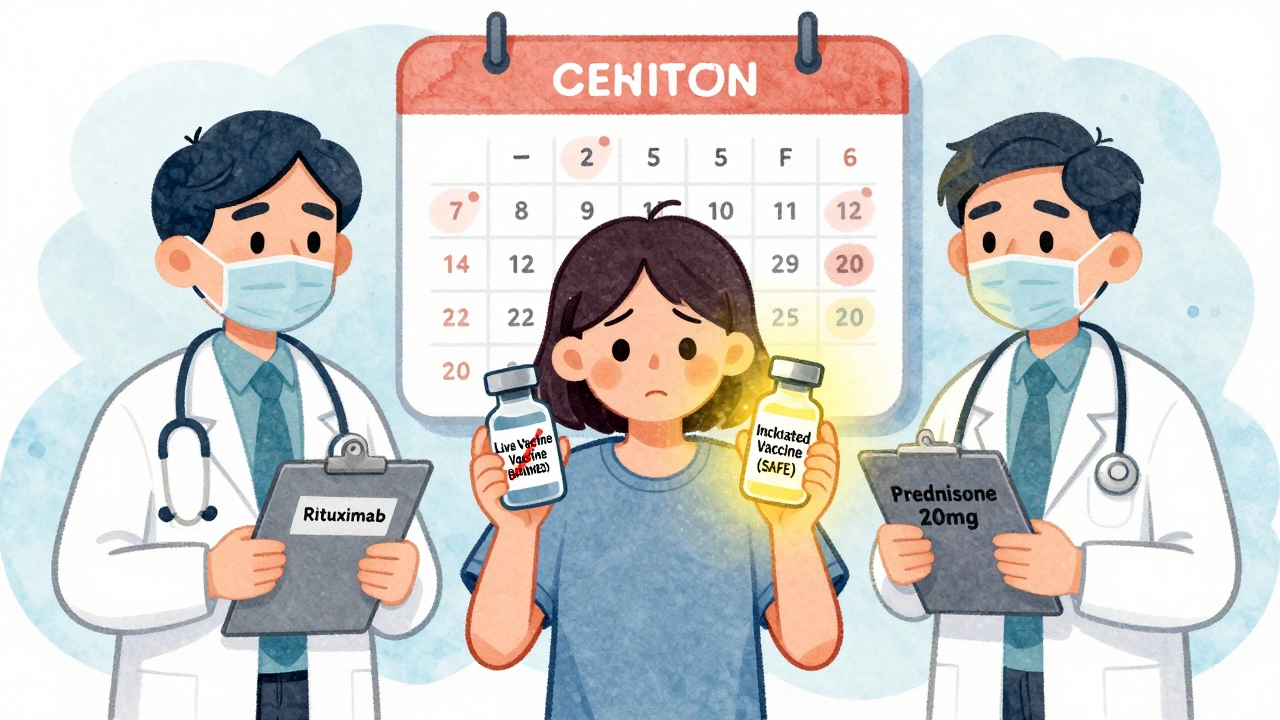
Vaccines for people on immunosuppressants require careful planning. Live vaccines are dangerous; inactivated vaccines are safe but need timing and extra doses. Learn the 2025 guidelines for flu, COVID-19, and more.
read more