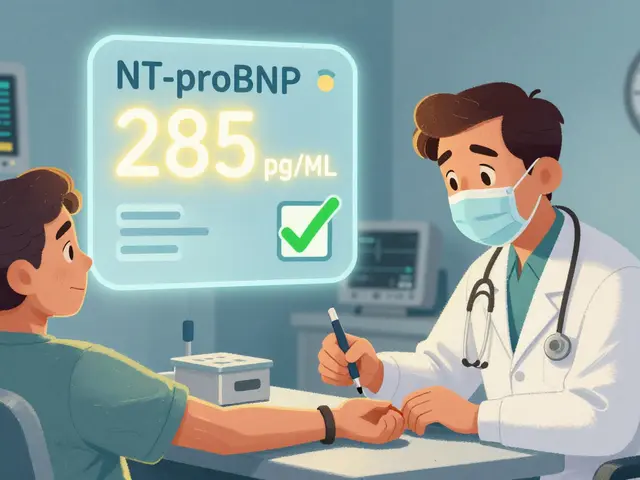
When we talk about kidney function, the process by which your kidneys filter waste, balance fluids, and regulate electrolytes in your blood. Also known as renal function, it’s not just about peeing — it’s the silent engine behind how your body handles every pill you swallow. If your kidneys aren’t working right, even a normal dose of a common drug can turn dangerous. That’s why doctors check kidney function before prescribing anything from antibiotics to blood pressure meds.
Drug metabolism, how your body breaks down and eliminates medications doesn’t happen only in the liver. Your kidneys are the main exit route for most drugs and their byproducts. If your kidneys slow down — because of age, diabetes, high blood pressure, or just being on too many meds — those drugs stick around longer than they should. That’s how you end up with side effects like dizziness, nausea, or worse. Renal clearance, the rate at which your kidneys remove substances from your bloodstream isn’t something you can guess. It’s measured through blood tests like creatinine and eGFR. If you’re on long-term meds, especially for heart disease, diabetes, or chronic pain, knowing your eGFR isn’t optional — it’s lifesaving.
Some drugs are especially hard on the kidneys. Medication safety, the practice of using drugs in a way that avoids harm means watching for interactions. NSAIDs like ibuprofen can reduce blood flow to the kidneys. Antibiotics like vancomycin? Risky if your kidneys aren’t clearing them fast enough. Even common OTC supplements like creatine or high-dose vitamin C can pile up. And here’s the thing: you don’t need to be sick to have reduced kidney function. About 1 in 7 adults in the U.S. has some level of kidney damage — often without knowing it.
That’s why so many posts here focus on how meds interact with your body’s systems. From digoxin monitoring to acid-reducing drugs changing absorption, it all ties back to how your kidneys process what you take. If you’re on multiple medications, especially as you get older, understanding kidney function isn’t just medical jargon — it’s your best tool to avoid hospital visits and long-term damage.
Below, you’ll find real-world guides on how to spot when a drug might be stressing your kidneys, how to talk to your pharmacist about risks, why dose titration matters for people with kidney issues, and which medications need extra caution. No fluff. Just what you need to stay safe.
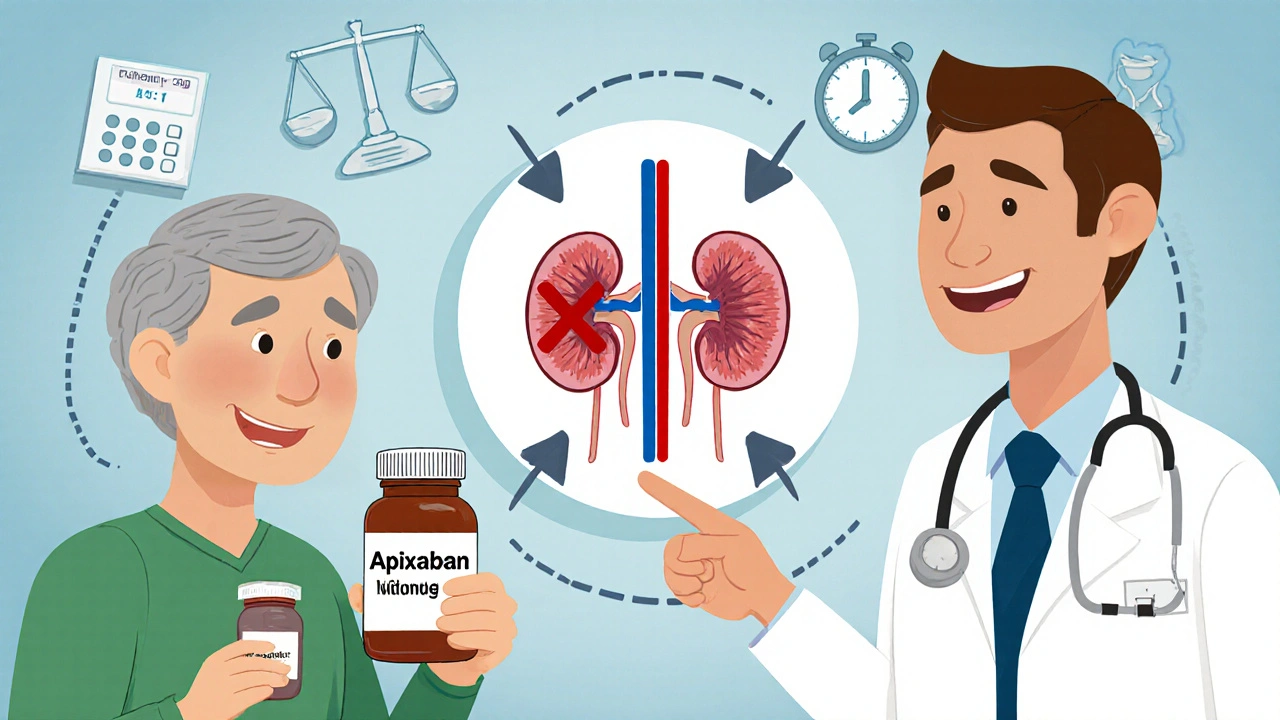
DOACs like apixaban and rivaroxaban require precise dosing in kidney disease to avoid bleeding or clots. Learn how to adjust doses using creatinine clearance and the ABCs rule, and why apixaban is often the safest choice.
read more