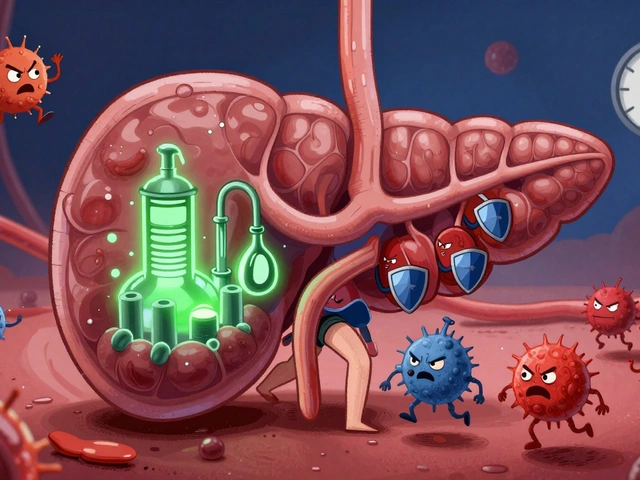
When you get a shot for inactivated vaccines, vaccines made from viruses or bacteria that have been killed so they can’t cause disease. Also known as killed vaccines, they train your immune system without risking infection. Unlike live vaccines, which use weakened forms of the germ, inactivated vaccines are stable, don’t need cold chains as strictly, and are safe for people with weak immune systems. That’s why they’re used for polio, hepatitis A, rabies, and the flu shot.
These vaccines work by showing your body a dead version of the pathogen. Your immune system learns to recognize its shape, proteins, and patterns. Then, if the real virus or bacteria shows up later, your body already knows how to fight it. But because the germ is dead, it doesn’t multiply or spread. That’s why you often need more than one dose — boosters help your body remember the threat over time. You’ll find this pattern in many of the vaccines you’ve had since childhood. For example, the injectable polio vaccine (IPV) is inactivated, while the oral version (OPV) is live. That’s why IPV is used in countries where polio is nearly gone — it eliminates the tiny risk of the vaccine causing the disease.
They’re not the only kind of vaccine, but they’re among the most widely used because of their safety profile. People with HIV, cancer patients on chemo, or those on immunosuppressants often can’t get live vaccines — but they can get inactivated ones. That’s a big deal. They’re also easier to store and transport, which matters in places with unreliable refrigeration. The downside? They usually don’t trigger as strong or long-lasting an immune response as live vaccines. That’s why you need boosters — sometimes every few years. Think of it like retraining your immune system every so often to keep it sharp.
These vaccines are tied to real-world decisions: who gets them, when, and why. If you’ve ever wondered why your child gets a flu shot every year instead of a one-time jab, it’s because flu viruses change fast — and the inactivated version is updated annually. If you’ve traveled abroad and got a hepatitis A shot before your trip, that’s an inactivated vaccine protecting you in places where the virus is common. And if you’ve ever had a rabies shot after a dog bite, you got a series of these because the disease is almost always fatal once symptoms start.
Behind every inactivated vaccine is science, regulation, and manufacturing precision. The pathogen is grown in labs, then killed with chemicals, heat, or radiation. Then it’s purified, tested for safety, and mixed with adjuvants — substances that help your body respond better. The FDA and other global agencies check every batch. That’s why you can trust these shots even when you’re nervous. They’re not perfect, but they’re reliable.
What you’ll find in the posts below aren’t just facts about vaccines — they’re practical guides on how to navigate real health decisions. From how to talk to your pharmacist about vaccine schedules, to understanding why some people need extra doses, to how regulatory systems like MedWatch track safety after shots go public — this collection connects the science to your daily life. You’ll see how vaccine safety reporting works, how storage matters even for something as simple as a flu shot, and how generic versions of vaccines are evaluated for quality. This isn’t theory. It’s what keeps you and your family protected.
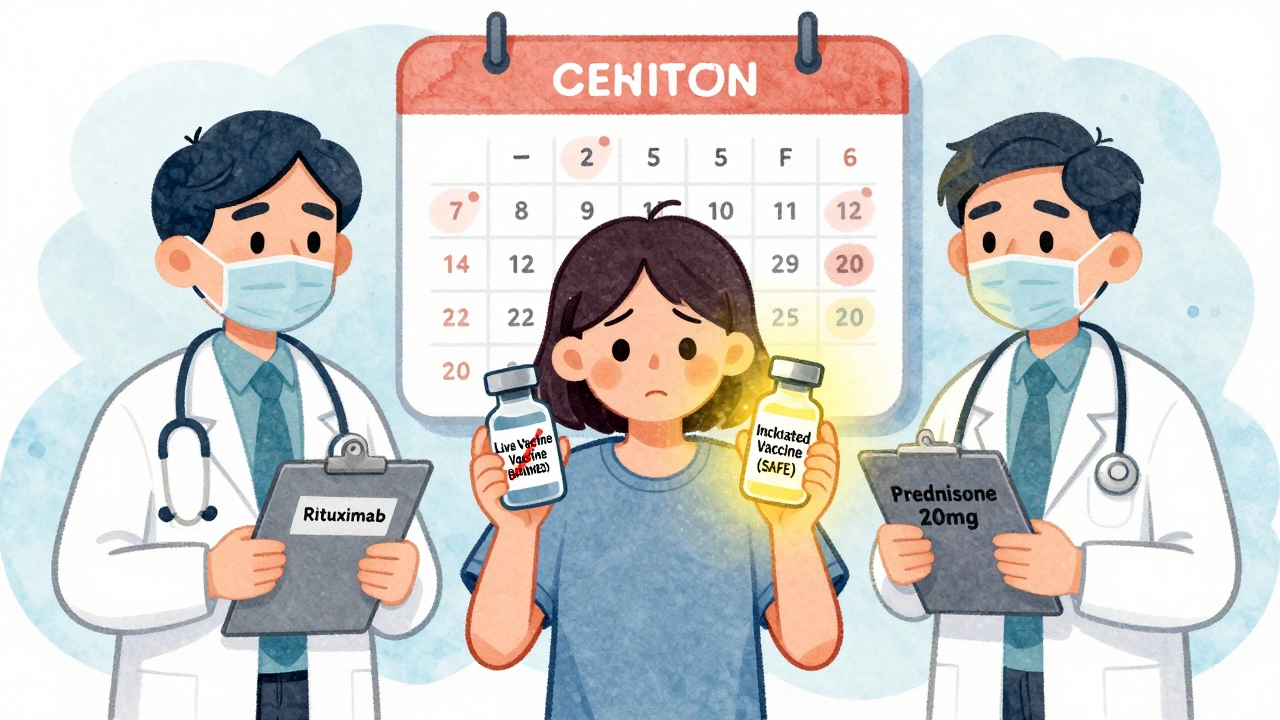
Vaccines for people on immunosuppressants require careful planning. Live vaccines are dangerous; inactivated vaccines are safe but need timing and extra doses. Learn the 2025 guidelines for flu, COVID-19, and more.
read more