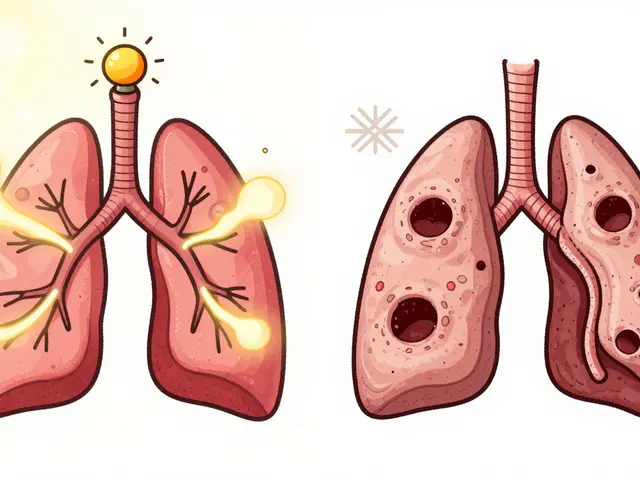
When your immune system goes too far, it can attack your own body or a transplanted organ. That’s where immunosuppressants, drugs that reduce the activity of the immune system to prevent damage. Also known as anti-rejection meds, they’re life-saving for people with organ transplants or autoimmune conditions like lupus, rheumatoid arthritis, or Crohn’s disease. These aren’t painkillers or antibiotics—they don’t fight infection directly. Instead, they dial down the body’s defense system so it doesn’t turn on itself or the new organ.
Not all immunosuppressants work the same way. tacrolimus, a calcineurin inhibitor commonly used after kidney or liver transplants blocks signals that activate T-cells, the immune system’s frontline fighters. corticosteroids, like prednisone, reduce inflammation and suppress immune cell production—they’re fast-acting but come with side effects like weight gain, bone loss, and high blood sugar. Then there’s mycophenolate, a drug that stops immune cells from multiplying, often paired with tacrolimus for better control. These drugs are rarely used alone; doctors combine them to lower doses and cut risks.
Using immunosuppressants isn’t just about taking a pill. It means living with a higher chance of infections, from colds to serious fungal or viral illnesses. It means regular blood tests to check drug levels and kidney function—because too much can be toxic, too little can trigger rejection. And it means knowing that even small changes, like starting a new supplement or switching brands, can throw your whole regimen off. That’s why so many posts here focus on drug safety, dosing precision, and how to avoid dangerous interactions. You’ll find guides on NTI drugs like tacrolimus, how to talk to your pharmacist about supplements that interfere, and how to manage side effects through careful titration.
These drugs don’t cure anything—they just keep the immune system in check. That’s why long-term use is common, and why people on them need to stay sharp about everything from travel prep to medication storage. If you’re on immunosuppressants, you’ve probably dealt with airport security for liquid meds, worried about counterfeit drugs, or wondered why your doctor keeps changing your dose. The posts below cover all of it: how to report side effects through MedWatch, how to handle drug shortages, and how to make sure your meds are real and working right. This isn’t just about pills—it’s about staying alive, healthy, and in control when your body’s natural defenses are turned down on purpose.
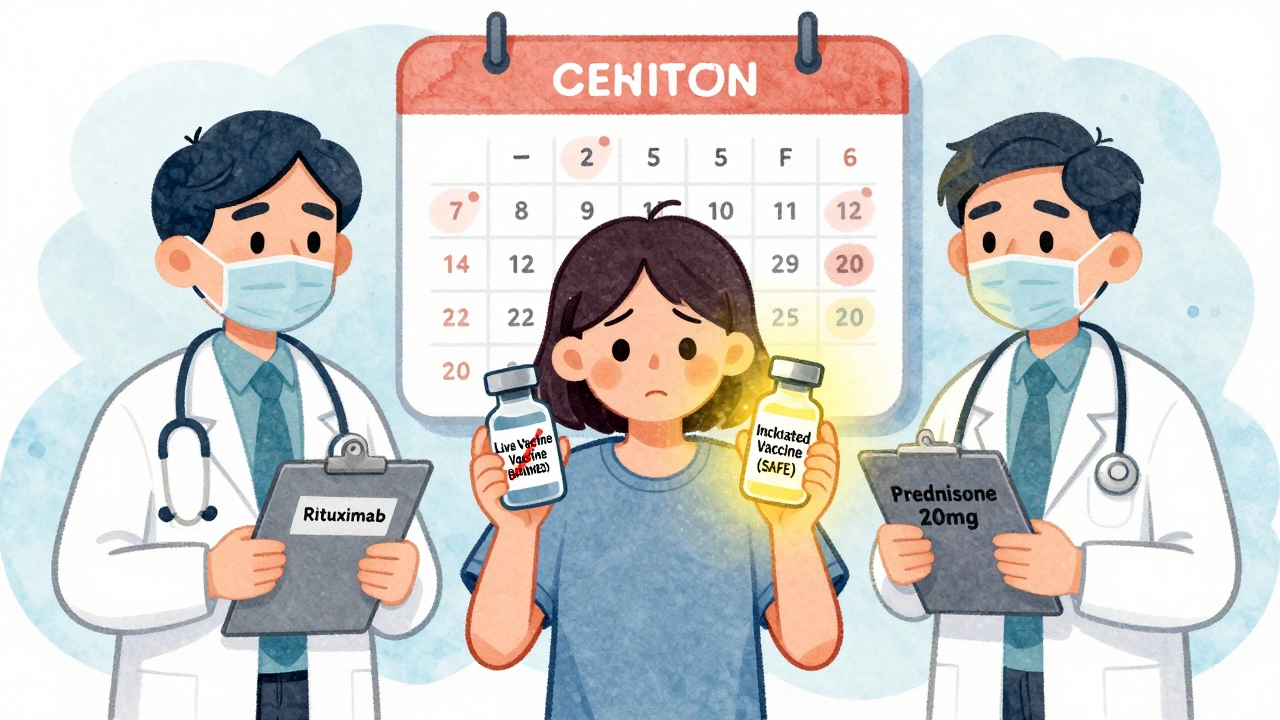
Vaccines for people on immunosuppressants require careful planning. Live vaccines are dangerous; inactivated vaccines are safe but need timing and extra doses. Learn the 2025 guidelines for flu, COVID-19, and more.
read more