
When you lose someone you love, your body and mind don’t just adjust—they rewrite themselves. Grief therapy, a structured approach to processing loss through guided emotional work. Also known as bereavement counseling, it’s not about moving on—it’s about learning how to carry the loss without being crushed by it. This isn’t talk for talk’s sake. Real grief therapy helps people rebuild routines, reconnect with joy, and find meaning again—even when the pain doesn’t go away.
It works differently for everyone. Some need help with coping with loss, the daily struggle of doing ordinary things without the person who made them feel normal. Others need to untangle guilt, anger, or numbness that stuck after the funeral. Emotional healing, the gradual return of feeling safe in your own skin after deep loss, doesn’t follow a timeline. But it does follow patterns. Studies show people who engage in grief therapy are less likely to develop long-term depression or physical health problems linked to chronic stress. It’s not magic. It’s practice: naming feelings, sharing stories, and slowly rebuilding a life that still holds space for the person who’s gone.
What you’ll find in these posts isn’t a list of platitudes. It’s real, practical work. You’ll see how mourning process, the personal, often messy way individuals adapt to loss over time connects to medication adherence in people with chronic illness—because depression after loss makes you forget to take your pills. You’ll find how sleep changes after grief mirror those caused by antidepressants, and how the same tools that help with insomnia can also help you rest again. There’s no single right way to grieve, but there are proven ways to move through it without getting stuck. These articles give you the tools—not to fix grief, but to live with it better.
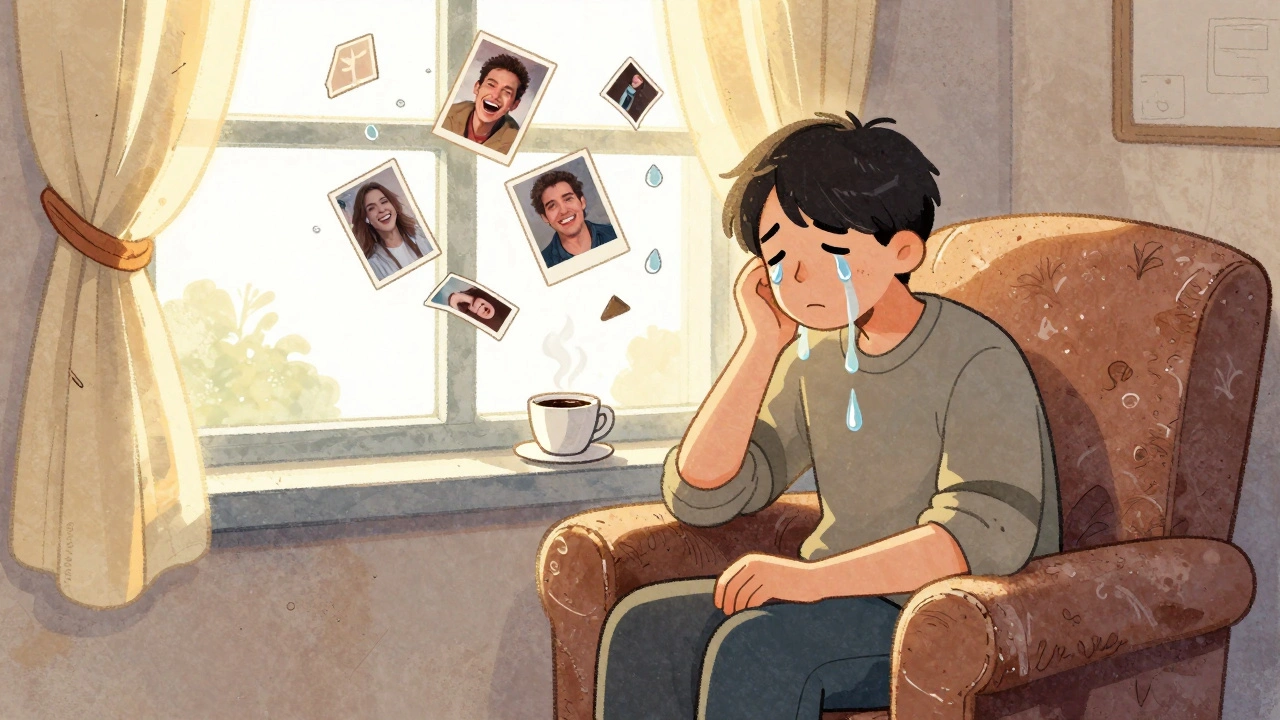
Learn how to tell the difference between grief and depression, what treatments actually work, and when to seek help. Grief is tied to loss; depression is a clinical condition. Knowing which is which saves lives.
read more