When your immune system mistakenly attacks the insulin-producing cells in your pancreas, you develop autoimmune diabetes, a chronic condition where the body can no longer make insulin, leading to high blood sugar. Also known as type 1 diabetes, it’s not caused by diet or lifestyle—it’s an internal malfunction that can strike at any age. Unlike type 2 diabetes, where the body resists insulin, autoimmune diabetes means your body stops making it entirely. That’s why insulin injections or an insulin pump aren’t optional—they’re life-saving.
This condition is linked to islet cell antibodies, proteins that mark the pancreas for destruction by the immune system. These antibodies often show up years before symptoms appear, which is why some people get tested after a family member is diagnosed. It’s also connected to other autoimmune disorders like celiac disease or thyroid problems, meaning if you have one, you’re more likely to develop another. The exact trigger? Still unclear. Viruses, genetics, and environmental factors all play a role, but no single cause has been pinned down.
Managing autoimmune diabetes isn’t just about checking blood sugar—it’s about understanding how food, stress, exercise, and even sleep affect your levels. That’s why tools like continuous glucose monitors (CGMs) and time-in-range metrics are now standard. People with this condition also need to be extra careful with vaccines, since their immune systems are already overactive, and some medications can interfere with insulin action. You can’t just take a pill to fix it. You need a daily routine that accounts for every variable, from altitude changes on a flight to a late-night snack.
What you’ll find below are real, practical guides written by people who live with this daily. From how to store insulin during travel, to recognizing when depression makes you skip doses, to understanding how kidney function changes your insulin needs—these aren’t theory pages. They’re the tools that help people stay stable, avoid emergencies, and live full lives despite the daily demands of autoimmune diabetes.
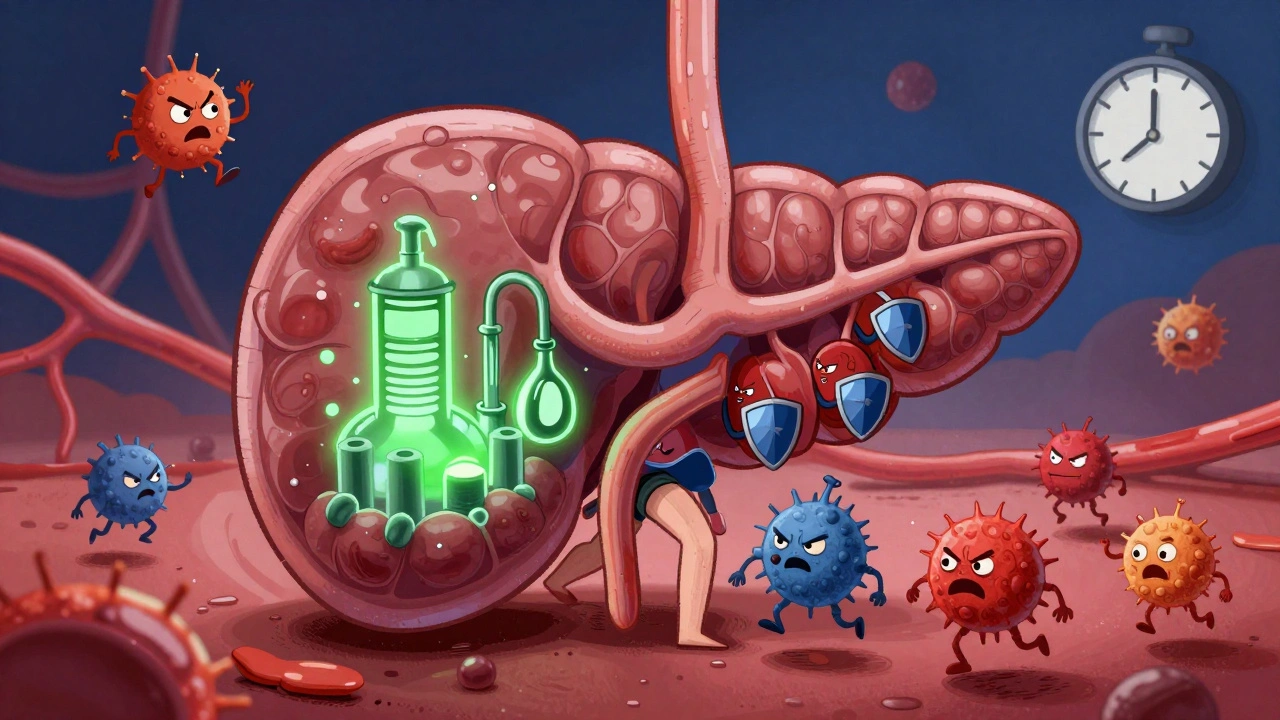
Type 1 diabetes is an autoimmune disease that destroys insulin-producing cells in the pancreas. Learn how it's diagnosed, managed with modern tech like CGM and closed-loop systems, and how new therapies like teplizumab are changing outcomes.
read more