

You grab your bottle, scan the bottom, and see "Ref: 0." Panic sets in. You think you have zero pills left, only to realize you actually have half the bottle remaining but zero chances to get more without visiting your doctor again. This mix-up happens constantly. Understanding the specific details printed on your medication bottle isn't just helpful; it prevents running out of life-saving treatments. Prescription Label Refill Information is a standardized section on medication packaging that specifies how many times a patient may request a replacement fill without needing a new doctor's order. According to data from the U.S. Pharmacopeial Convention, this info is vital but placed lower on labels to keep safety warnings visible.
Most people assume they know how prescriptions work, but the fine print hides complex rules about timing, insurance limits, and legal restrictions. If you miss a single line, you could face a gap in treatment or surprise out-of-pocket costs. We are going to break down exactly where to look, what the codes mean, and how to stay ahead of the schedule so your medicine never runs out unexpectedly.
Decoding the Refill Notation
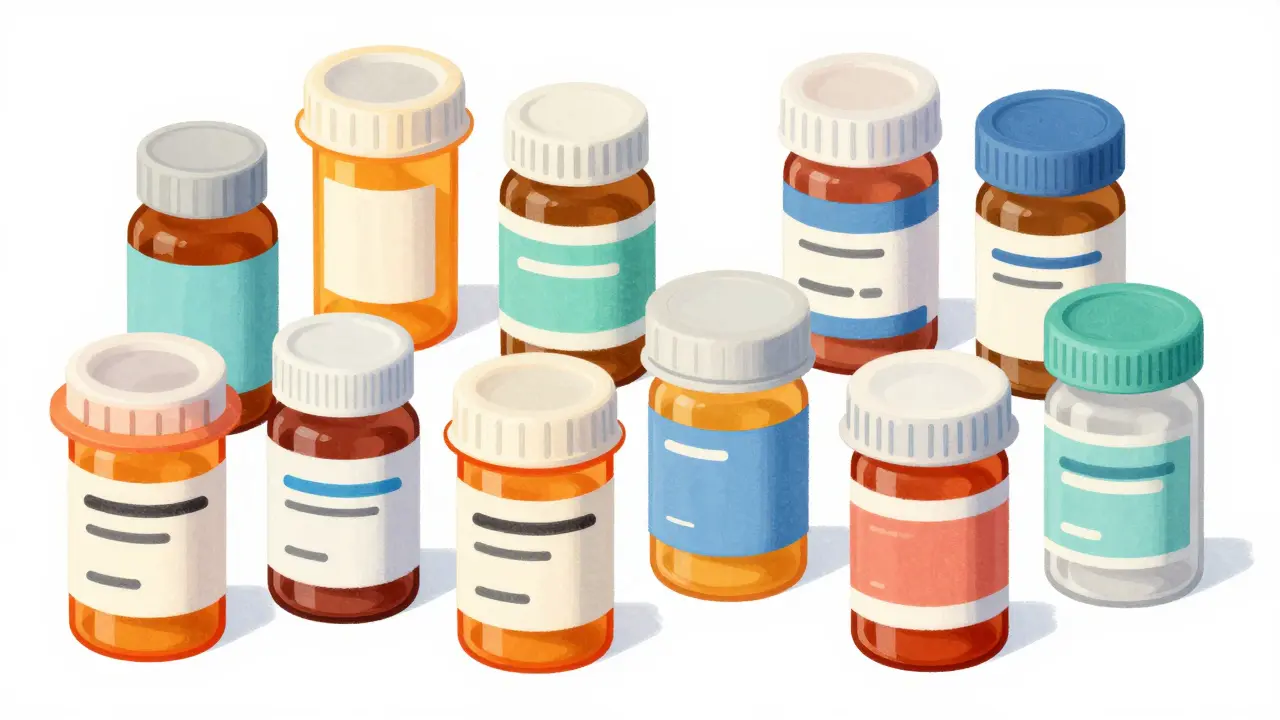
The core of the problem usually comes down to simple math you have to do in your head while holding a pill bottle. When a pharmacist prints the label, they include a specific count. You will see something like Refill Notation which looks like "Ref: 5" or "Refills: 0." That number represents the total authorized refills remaining. It does not tell you how many pills are inside the container right now.
This distinction creates a dangerous misunderstanding. A study in the Journal of the American Pharmacists Association found that unclear refill instructions lead to a 23% higher rate of medication abandonment. Dr. Sarah Thompson notes that when patients misunderstand this notation, they delay contacting their provider until after they've completely missed doses. Some states, like Texas, require labels to show both the total authorized refills and the remaining amount side-by-side, but California simply mandates a statement if there are no refills available. Knowing which system your local pharmacy uses helps you interpret the text correctly.
- Ref: X = The number of times you can pick up this exact prescription again.
- Ref: 0 = No more refills authorized. You need a new script.
- Use By = The date after which the remaining refills expire, regardless of whether you used them.
If the label says "Ref: 0," do not panic if you still have pills in your pocket. It just means once this bottle is empty, the contract with your doctor is finished.
Anatomy of a Modern Prescription Label
You might notice that different drugstores print their bottles differently. A bottle from CVS looks distinct from one at a small neighborhood pharmacy. This variation exists because while federal agencies provide guidance, individual states regulate the specific formatting. The U.S. Pharmacopeial Convention (USP) advises that refill info be grouped away from immediate dosing instructions to prevent distraction from how to take the drug.
This strategic placement ensures that critical alerts-like "take on an empty stomach" or "avoid sunlight"-remain at the top where eyes go first. Refill info typically lives in the lower section of the label. In a survey by the Pharmacy Quality Alliance, 92% of community pharmacies put this data in a standardized spot, usually near the barcode or the quantity listing. Recent label redesigns, worth millions in industry investment, have moved refill data into larger fonts to make it easier to read for older adults.
Independent pharmacies often follow guidelines similar to the Pharmacy Association of Nova Scotia, displaying "the number of refills or remaining tablets" as a paired metric. Big chains like CVS use a color-coded system on their middle sections. They combine the prescription number, fill date, and refill count together. If you switch from a chain store to an independent pharmacy, don't be thrown off by the layout change. Look for the "Ref" keyword rather than trying to find a specific dot of ink.
| Pharmacy Type | Typical Location | Format Example |
|---|---|---|
| National Chain (e.g., CVS) | Middle/Mixed Section | Refills: 3 | RX# 12345 |
| Independent Pharmacy | Lower Right Corner | Remaining Refills: 2 |
| Mail Order (e.g., Express Scripts) | Paper Insert + Online Profile | Next Fill Date: Mar 30 |
Insurance Rules and Early Refill Limits
Knowing you have refills doesn't guarantee you can get them today. Your health plan dictates the timeline just as much as your doctor does. Many patients call the pharmacy too early, only to be told their insurance blocked the transaction. This isn't a pharmacy error; it's an insurance rule. For example, standard commercial insurers usually allow refills when you have hit 80% of the usage period. If you have a 30-day supply, you can refill on day 24. If you try on day 20, the system rejects it.
Medicare Part D plans operate slightly differently. They typically lock refills starting 23 days after the previous fill date for monthly supplies. This strict window prevents abuse but makes budgeting crucial. The data shows that patients who track these windows specifically are 37% less likely to experience a medication interruption. One major pitfall involves "early refill" requests. While urgent needs happen, processing controlled substances can take 72 hours due to additional verification layers.
Timing also applies to the expiration of the refill rights themselves. Even if you have five refills left, those refills expire one year from the initial prescription date in most cases. The FDA's labeling resources clarify that states vary here, but the one-year limit is the baseline standard nationwide. If you get a new bottle but haven't used your remaining refills before the date stamp, you lose the ability to use them without calling your doctor again.
Digital Tools and Accessibility Features
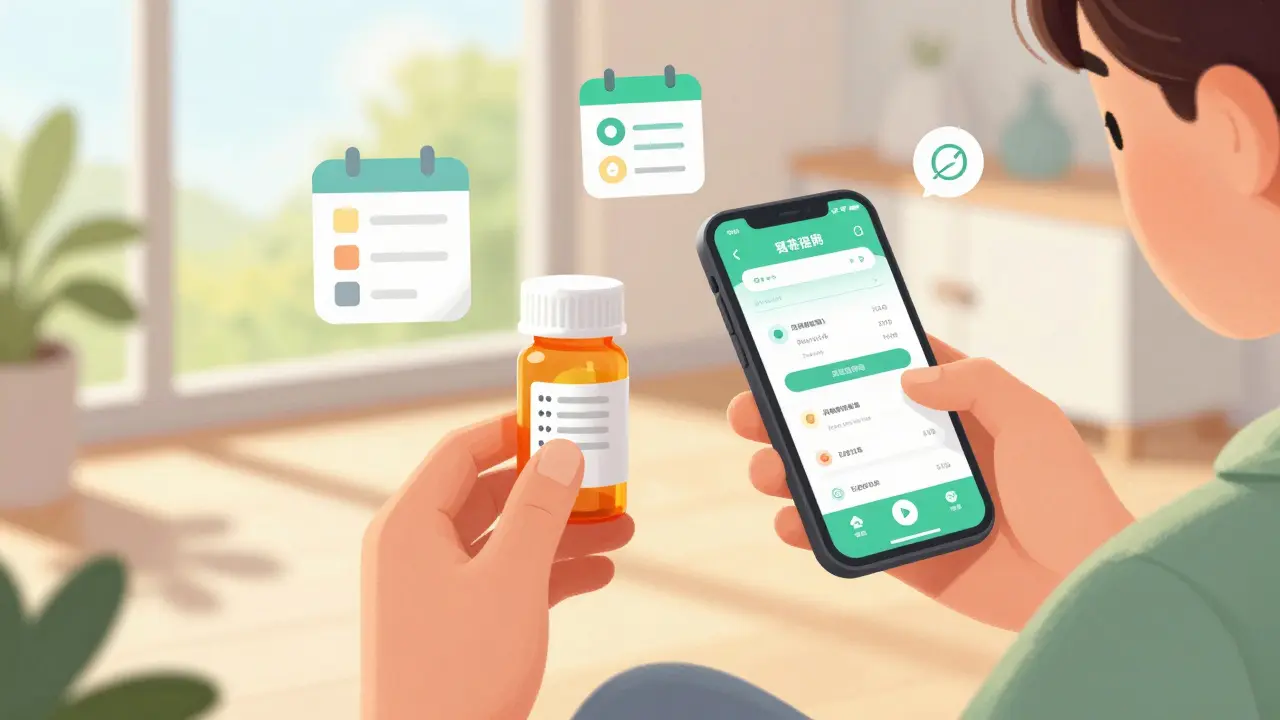
Printed labels are fading into the past for some users, replaced by app notifications. Industry projections suggest that by late 2025, the majority of pharmacies will push refill reminders via SMS or apps. Services like CVS Spoken Rx utilize QR scanning to read the label aloud. This technology helps patients who struggle with vision issues confirm exactly how many refills remain without squinting at small print.
These apps often link directly to the pharmacy profile, showing your history automatically. If the app says "Refills Available," trust the digital copy over the paper insert if there is a conflict, as the app pulls real-time data from the inventory. However, always verify against the physical bottle before traveling, because internet access isn't guaranteed everywhere. The American Pharmacists Association is testing a universal icon system to replace text-heavy descriptions. Early pilot studies showed a 41% drop in confusion when using visual symbols alongside numbers.
Managing Your Schedule Effectively
To stop the anxiety of potential gaps, adopt a weekly review habit. The MSKCC patient education guide recommends checking your meds and their counts once a week during routine organization. This proactive approach catches the "Ref: 0" status weeks before you run out. When you spot a low refill count, call three to five days prior to running dry. This buffer allows time for insurance approval and pharmacist verification.
If you rely on automatic refills, remember they aren't magic. Systems can fail if your payment method declines or your address changes. Verify your auto-refill settings during open enrollment periods each year. Keeping a calendar alert aligned with your last known dose date is a fail-safe backup. Patients who implement a dedicated tracking method report significantly higher adherence rates compared to those who wait until the bottle feels empty.
Frequently Asked Questions
What does Ref 0 on my label mean?
It means you have zero remaining authorized refills on the current prescription. You still have medication in the bottle, but once it empties, you must contact your doctor for a new prescription.
Can I refill my meds early?
Usually, you can refill within the last few days of your supply (often around day 22-24 of a 30-day supply). Calling earlier often results in a rejection by insurance systems designed to prevent overuse.
Do refills expire even if I haven't used them?
Yes. Most states mandate that refills expire one year from the original date of issue. After that date, the authorization is void regardless of how many were remaining.
Why does the pharmacy location differ from the chain store?
Label formats vary by state law and pharmacy policy. Chains use proprietary software layouts, while independents often follow regional association guidelines. The data remains the same, just visually positioned differently.
Does the refill number decrease immediately after pickup?
Yes. Once a pharmacy processes a refill, the counter updates immediately in their system. The physical label you hold from the last visit won't update, but the next printed label will show the new lower number.



Brian Yap
March 30, 2026 AT 00:52 AMI never knew the little print mattered so much until I ran dry last month.
Michael Kinkoph
March 30, 2026 AT 06:51 AMIt is astonishing how the general populace fails to comprehend the nuances of regulatory compliance regarding pharmaceutical dispensing protocols! One would think basic literacy was a prerequisite for healthcare management!! Why must we constantly relearn these elementary facts about our own survival mechanisms!!?
emma ruth rodriguez
March 31, 2026 AT 03:49 AMIndeed! Mr. Kinkoph! Clarity is essential for patient safety! However! Your dismissal of the layperson's struggle is somewhat unproductive given the systemic complexity inherent in modern pharmacy labeling standards!!! We must strive for education rather than censure in these vital public health dialogues!!!! The goal is prevention! Not judgment!
Katie Riston
March 31, 2026 AT 09:42 AMIt truly changes the way one perceives their relationship with their own physical vessel when considering the mechanics of replenishment.
We often view medicine as a guarantee of continuity without acknowledging the fragility of the supply chain involved.
The anxiety described in the original post mirrors a broader societal fear of being abandoned by systems designed to protect us.
When the number zero appears before our eyes! it signifies more than just a lack of resources available for future consumption.
It becomes a symbol of the end of a chapter written by another person in our life narrative.
Doctors write scripts that extend beyond their immediate presence while hoping the patient navigates the interim correctly.
Pharmacists become the gatekeepers of access through their precise adherence to regulatory frameworks and state laws.
Insurance companies add another layer of temporal restriction that rarely aligns perfectly with human biological rhythms.
Understanding these distinctions is not merely administrative work but an act of self preservation in a complex environment.
Many people navigate this daily landscape without ever questioning the numbers printed in black ink on white paper labels.
They rely on instinct which often fails when faced with the rigid logic of automated processing systems designed for efficiency.
The gap between human error and digital precision creates tension that we feel physically when we realize we have missed a deadline.
Education bridges this divide by providing the vocabulary needed to interpret the silent warnings hidden in plain sight.
We must accept that responsibility for our own health maintenance requires vigilance beyond just taking the pills prescribed.
This awareness transforms passive receipt of treatment into active participation in the ongoing process of healing and stability.
Jonathan Sanders
April 1, 2026 AT 21:38 PMWow! Such deep existential dread over a pill bottle!
I suppose we are all just waiting for the void to claim us when the refill count hits zero anyway.
Maybe the best cure for anxiety is just buying more plastic containers to worry about instead!
sanatan kaushik
April 2, 2026 AT 02:35 AMJust call the doc if you run out.
Do not wait.
Insurance does not care about your feelings.
Pay attention to the date.
Stay safe.
Charles Rogers
April 3, 2026 AT 20:08 PMWhile your advice is direct! it lacks the necessary compassion for those overwhelmed by the system's labyrinthine structures.
True wisdom lies in understanding the root cause of avoidance rather than merely demanding action from those who are already paralyzed by medical anxiety.
People need support! Not just commands shouted from the sidelines of life!
Jonathan Alexander
April 4, 2026 AT 04:52 AMMy heart skipped a beat reading this section about expiration dates.
It feels like holding a ticking clock against my own mortality without knowing how to stop the hands of time itself.
Every label is a countdown timer waiting to go off.