
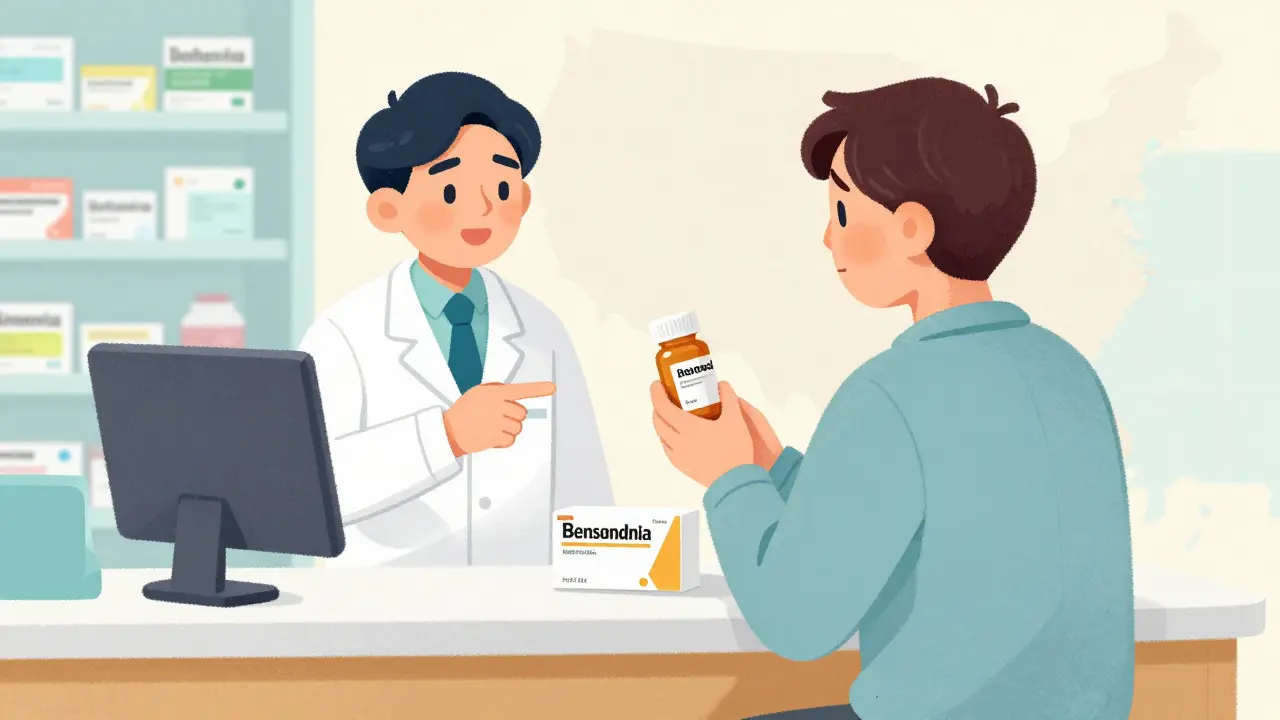
Picture this: you pick up your prescription, but the box looks different. The color is off, maybe even the shape of the pill has changed. You hand it back and ask, "Why isn't this the brand I was prescribed?" The pharmacist explains that they substituted a generic version because state law allows-or even requires-it. This scenario plays out millions of times across the United States. But here is the catch: the rules governing what happens at that counter change depending on which side of the state line you stand on.
Navigating pharmacy substitution laws can feel like trying to read a map that keeps redrawing itself. These regulations, formally known as drug product selection laws, dictate when a pharmacist can swap a brand-name medication for a cheaper generic or biosimilar alternative. While every state has its own set of rules, understanding the core mechanics helps you protect your health and your wallet. Let’s break down how these laws work, where the differences lie, and what you need to know to stay in control of your prescriptions.
Why Do Substitution Laws Exist?
The story starts in the 1970s. Back then, most states had strict anti-substitution laws that banned pharmacists from swapping drugs without explicit permission. As concerns about skyrocketing healthcare costs grew, states began repealing those bans. The goal was simple: lower prices by encouraging the use of generic drugs, which are chemically identical to their brand-name counterparts but cost significantly less.
According to data from the Food and Drug Administration (FDA), generic drugs typically cost 80% to 85% less than brand-name equivalents. For patients paying out-of-pocket and insurers covering billions in claims, that savings is massive. The Congressional Budget Office estimates that generic substitution alone saves the U.S. healthcare system around $158 billion annually. However, saving money shouldn’t come at the expense of safety. That’s why substitution laws exist-to balance cost efficiency with patient care, ensuring that only therapeutically equivalent drugs are swapped.
Mandatory vs. Permissive: What Does Your State Allow?
Not all states treat substitution the same way. Research published in JAMA Internal Medicine highlights a major split in how these laws are written. States generally fall into two camps: mandatory or permissive.
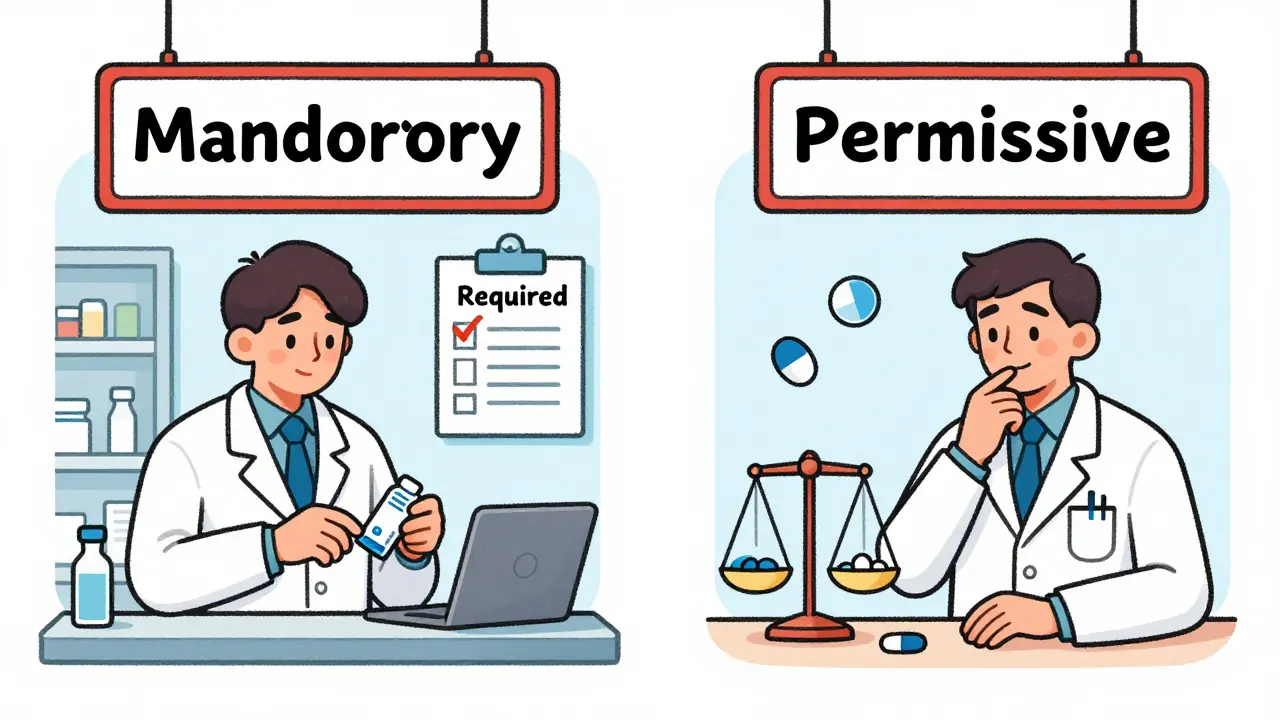
- Mandatory Substitution: In 19 states (about 38%), the law uses "shall" language. This means if a generic is available, the pharmacist must substitute it unless the prescriber explicitly forbids it. States like California, New York, and Texas operate under this model. These areas tend to have higher rates of generic usage.
- Permissive Substitution: In the remaining 31 states plus Washington, DC, the law uses "may" language. Pharmacists are allowed to substitute generics, but they aren’t forced to do so. They might choose based on formulary restrictions, insurance requirements, or personal preference.
This distinction matters because it affects predictability. If you live in a mandatory state, you can almost always expect a generic unless told otherwise. In a permissive state, there’s more variability, which can lead to confusion if you travel or move.
The Role of Patient Consent and Notification
One of the biggest points of contention in pharmacy law is whether patients should be asked before a switch happens. Currently, only seven states plus DC require explicit patient consent before a pharmacist substitutes a drug. In most other jurisdictions, the pharmacist simply notifies you after the fact, often via a label sticker or a quick conversation at the counter.
Critics argue that lack of prior consent undermines informed decision-making, especially for patients managing complex conditions. Supporters counter that mandatory consent creates administrative bottlenecks and drives up costs unnecessarily. Regardless of where you stand, it’s worth knowing your rights. In all 50 states, you have the right to refuse a substitution. If you prefer the brand name, speak up-but be prepared to pay the difference, as insurance plans often cover generics more generously.
| Feature | Mandatory States (e.g., CA, NY) | Permissive States (e.g., FL, TX*) |
|---|---|---|
| Substitution Requirement | Pharmacist must substitute if generic exists | Pharmacist may substitute at discretion |
| Patient Consent | Rarely required upfront | Varies; often notification only |
| Generic Utilization Rate | Higher (up to 90%) | Moderate to High |
| Prescriber Override | "Dispense as Written" blocks sub | "Dispense as Written" blocks sub |
*Note: Texas is listed as permissive in some contexts but has strong formulary incentives driving high generic use.
Biosimilars: The New Frontier in Substitution
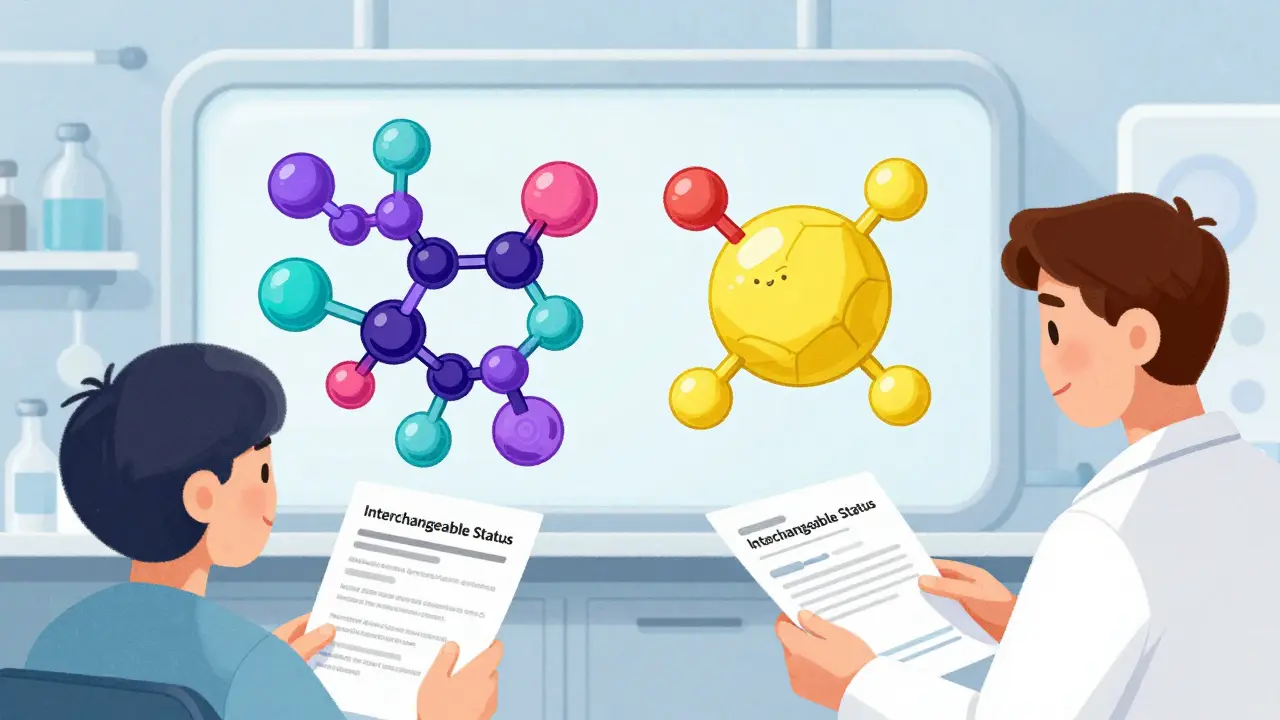
If small-molecule generics are the old guard, biosimilars are the new players entering the arena. Unlike traditional generics, which are exact chemical copies, biosimilars are biological products similar to an already approved reference biologic. Because biologics are large, complex molecules made in living cells, they cannot be perfectly copied-only closely mimicked.
The FDA introduced a special designation called "interchangeable" for biosimilars that meet stricter standards for switching between brands without additional monitoring. As of late 2023, only 10 biosimilars had earned this status, despite dozens being approved overall. This limited pool makes substitution tricky.
State laws regarding biosimilar substitution are notably stricter than those for generics. Forty-five states impose additional hurdles, such as requiring physicians to be notified within a specific timeframe-often 24 to 72 hours-after a substitution occurs. Some states, like Florida and Illinois, mandate dual notification to both the patient and the prescriber. Others, like Alabama, have minimal documentation requirements beyond basic record-keeping.
A critical nuance here is cost. Fifteen states prohibit substituting a biosimilar if it costs more than the reference product, even if insurance covers it differently. This rule aims to prevent unexpected bills for patients but can complicate pharmacy workflows.
When Can Prescribers Block Substitution?
You’ve probably seen it on your prescription bottle: "Dispense as Written." This notation tells the pharmacist not to substitute the prescribed drug. All 50 states allow prescribers to block substitution using this phrase. However, not all states treat this restriction equally.
In 28 states, prescribers must provide a justification for blocking substitution. Common reasons include medical necessity, previous adverse reactions to generics, or narrow therapeutic index concerns. Requiring justification adds a layer of accountability but also increases administrative burden for doctors’ offices.
Narrow Therapeutic Index (NTI) drugs are particularly sensitive. These medications, such as warfarin (a blood thinner) or phenytoin (an antiseizure drug), have a very small margin between effective dose and toxic dose. Even slight variations in formulation can impact efficacy. Many states maintain negative formularies-lists of drugs that cannot be substituted-to mitigate risks. Studies suggest that states with NTI restrictions see fewer adverse events related to these high-risk medications.
Practical Steps for Patients and Providers
Navigating these laws doesn’t require a law degree, but it does require awareness. Here’s how you can take control:
- Know Your State’s Category: Check if your state mandates or permits substitution. Resources like the Cardinal Health interactive map offer state-specific guidance on biosimilar rules.
- Communicate Clearly: If you prefer a specific brand, tell your doctor. Ask them to write "Dispense as Written" if necessary. Conversely, if cost is a concern, request a generic option.
- Review Your Medication: When picking up a new prescription, check the label. If you notice a change, ask questions. Pharmacists are trained to explain substitutions and can clarify any concerns.
- Understand Biosimilar Nuances: If you’re on a biologic therapy, discuss interchangeability with your specialist. Not all biosimilars are created equal, and switching mid-treatment may require close monitoring.
- Document Preferences: Keep a personal log of which brands work best for you. Share this history with new providers to avoid unnecessary switches.
For pharmacists operating across state lines, the complexity is real. Independent pharmacists report that nearly two-thirds cite substitution law variability as a significant operational challenge. Chain pharmacies invest heavily in compliance software to track these rules, but smaller clinics may struggle. Staying updated through professional associations like the National Community Pharmacists Association (NCPA) or local boards of pharmacy is essential.
Future Trends: Toward Standardization?
The landscape is shifting. With more biosimilars gaining interchangeable status, pressure is mounting to streamline regulations. The National Association of Boards of Pharmacy (NABP) has developed model legislation aimed at harmonizing notification timelines and documentation standards. Twenty-two states have partially adopted these models since 2020.
Projections indicate that biosimilars could capture 70% of the $119 billion U.S. biologics market by 2030-if substitution laws become less fragmented. Recent developments, such as California’s AB1881 strengthening patient notifications and New York’s S4472 expanding pharmacist authority, signal a trend toward greater transparency and flexibility.
Ultimately, the goal is a system that delivers affordable, safe care without sacrificing patient autonomy. Whether you’re a patient, provider, or policymaker, staying informed ensures you’re part of the solution-not caught in the crossfire of conflicting regulations.
What is the difference between a generic drug and a biosimilar?
A generic drug is a precise chemical copy of a brand-name small-molecule medication, approved after the original patent expires. It must demonstrate bioequivalence, meaning it works the same way in the body. A biosimilar, on the other hand, is a biologic product highly similar to an existing reference biologic. Because biologics are complex molecules produced in living organisms, they cannot be identical copies. Biosimilars undergo rigorous testing to ensure comparable safety, purity, and potency, but minor structural differences may exist.
Can my pharmacist substitute a generic without asking me?
In most states, yes. Only seven states plus Washington, DC require explicit patient consent before substitution. In the majority of jurisdictions, pharmacists are permitted to substitute generics automatically, provided they notify you afterward-usually via a label sticker or verbal confirmation. You always have the right to refuse a substitution, but you may incur higher out-of-pocket costs if you insist on the brand name.
What does "Dispense as Written" mean on my prescription?
"Dispense as Written" (DAW) is a notation used by prescribers to instruct pharmacists not to substitute the prescribed medication with a generic or biosimilar alternative. This directive is recognized in all 50 states. However, in 28 states, prescribers must provide a clinical justification for using DAW, such as prior adverse reactions to generics or medical necessity for a specific brand.
Are biosimilars safe to substitute?
Biosimilars designated as "interchangeable" by the FDA have met stringent standards for switching between brands without additional monitoring. These products are considered safe for substitution under state laws. However, not all biosimilars hold interchangeable status, and some states require physician notification or prior authorization before substituting non-interchangeable biosimilars. Always consult your healthcare provider if you’re concerned about switching biologic therapies.
How do state substitution laws affect drug costs?
States with mandatory substitution laws tend to achieve higher generic utilization rates, leading to significant cost savings. Generic drugs account for 90% of prescriptions dispensed but only 23% of total drug spending, saving approximately $313 billion annually. Permissive states may see slightly lower generic adoption due to variability in pharmacist practices. For biologics, streamlined substitution laws could unlock additional savings, as biosimilars offer potential discounts of up to 35% compared to reference products.



Sean Luke
I specialize in pharmaceuticals and have a passion for writing about medications and supplements. My work involves staying updated on the latest in drug developments and therapeutic approaches. I enjoy educating others through engaging content, sharing insights into the complex world of pharmaceuticals. Writing allows me to explore and communicate intricate topics in an understandable manner.
view all posts