
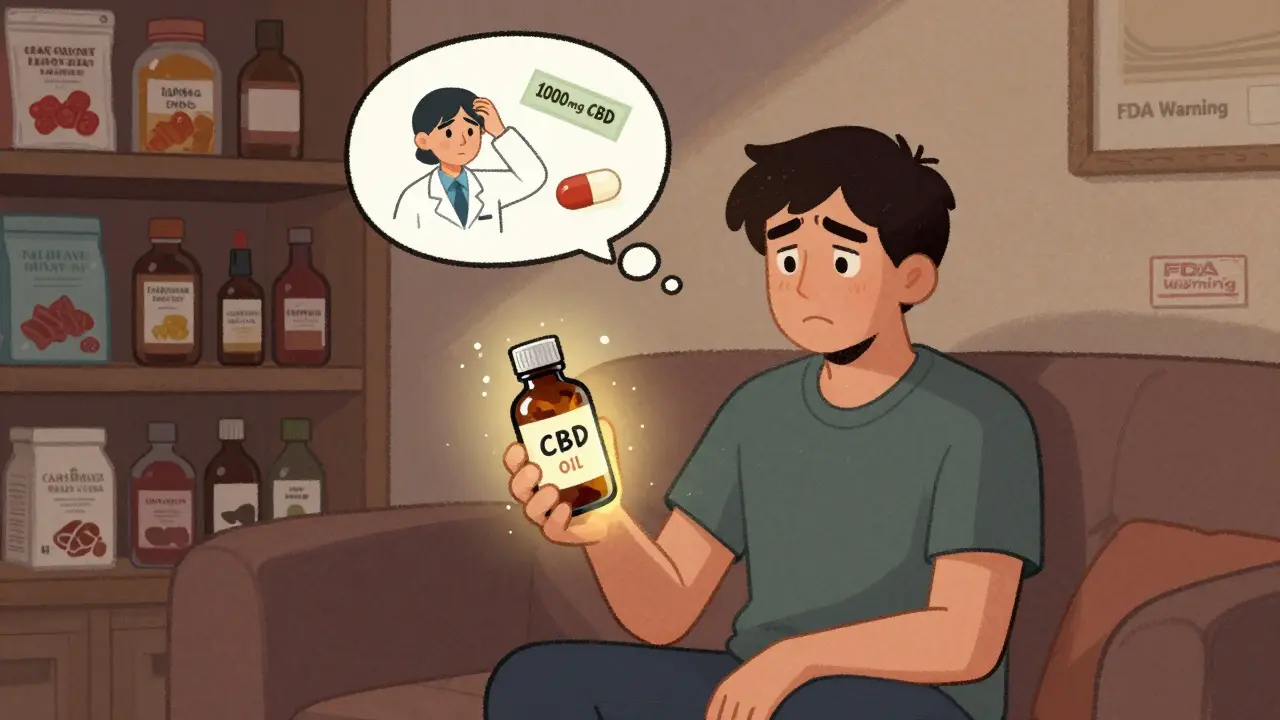
When you're living with chronic pain, every new treatment option feels like a lifeline. You’ve tried NSAIDs, physical therapy, maybe even opioids-and now you’ve heard about cannabinoids. CBD oil. THC tinctures. Hemp gummies. Ads promise relief without the high, without the addiction. But what does the science actually say? Is there real evidence that cannabinoids help with pain, or is this just another wellness trend selling hope?
What Are Cannabinoids, Really?
Cannabinoids are chemicals found in the cannabis plant. The most well-known are THC (tetrahydrocannabinol) and CBD (cannabidiol). But there are dozens more, like CBG (cannabigerol) and CBN (cannabinol). These compounds interact with your body’s endocannabinoid system-a network of receptors that helps regulate pain, mood, sleep, and inflammation.
Unlike opioids that block pain signals in the brain, cannabinoids work differently. They don’t shut down pain completely. Instead, they seem to modulate how your nervous system responds to it. This is why they’re being explored as alternatives for conditions like neuropathic pain, fibromyalgia, and arthritis-where traditional drugs often fall short.
Does CBD Actually Work for Pain?
The short answer? It’s complicated.
There’s a flood of CBD products on the market. You can buy them online, in gas stations, even in grocery stores. But the science doesn’t match the hype. A major University of Bath study published in late 2023 analyzed 16 high-quality trials of pharmaceutical-grade CBD. Fifteen of them found no benefit over placebo for pain relief. That’s not a small sample-it’s a solid body of evidence.
Even more troubling: independent lab tests show that up to 70% of consumer CBD products contain either way less CBD than labeled-or sometimes none at all. Some even have hidden THC, which can cause psychoactive effects or trigger a failed drug test. The FDA has issued over 140 warning letters to companies making illegal pain claims about CBD.
Meanwhile, patients report wildly different experiences. On Reddit’s r/ChronicPain, one user said CBD oil cut their fibromyalgia pain by 30%. Another spent $400 on gummies and felt nothing. Trustpilot reviews for top CBD brands show an average rating of 3.2 out of 5. The most common complaint? “No pain relief.”
THC and Combination Products Show More Promise
If CBD alone doesn’t work, what about THC? Or THC + CBD together?
Here, the evidence is stronger. A JAMA review from 2015 found moderate-quality evidence supporting cannabinoids for chronic pain-especially when the product contained THC. Health Canada approved a 1:1 THC:CBD spray called Sativex specifically for nerve pain in multiple sclerosis and cancer patients who didn’t respond to opioids.
A patient testimonial from Leafly in 2023 described switching from 120mg of oxycodone daily to a 1:1 THC:CBD tincture. They kept the same level of pain control but cut their opioid dose by 75% and had fewer side effects. That’s not anecdotal fluff-it’s a real clinical outcome.
Why the difference? THC activates CB1 receptors in the brain and spinal cord, which directly dampens pain signals. CBD doesn’t do that. It may reduce inflammation or calm anxiety around pain, but it doesn’t block pain the way THC does. That’s why studies using pure CBD often fail-while trials with THC-containing products show measurable benefit.
What About CBG? The New Contender
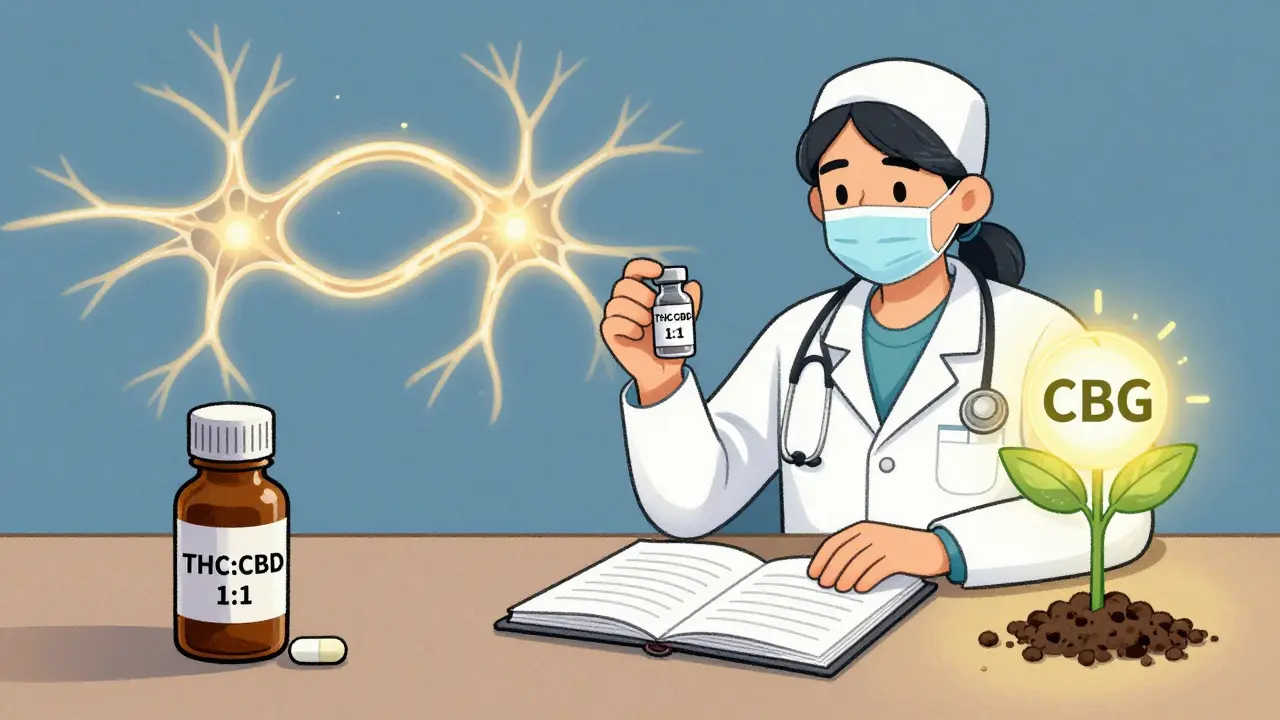
In January 2025, a study from Yale School of Medicine made headlines. Researchers found that CBG-a lesser-known cannabinoid-was more effective than CBD or even THC at reducing activity in a key pain-signaling protein in the peripheral nervous system. CBG showed the strongest effect in lab tests, and crucially, it doesn’t cause intoxication.
This is exciting. If CBG can deliver pain relief without the high, it could be the ideal candidate for long-term use. But here’s the catch: this was an in vitro study. It was done in a lab, not in humans. We don’t yet know what dose works, how it’s absorbed, or whether it’s safe over time. Clinical trials are still pending. So while CBG is promising, it’s not a treatment you can use today.
Dosing: No Rules, Just Guesswork
There’s no FDA-approved dosing protocol for cannabinoids in pain management. That’s a problem. Without standards, patients are flying blind.
Most pain clinics recommend starting low:
- THC: 2.5-5 mg, taken once or twice daily
- CBD: 10-20 mg daily, especially if avoiding psychoactive effects
- THC:CBD (1:1): 2.5-5 mg of each, gradually increasing as tolerated
Some people need 50-100 mg of CBD daily to feel anything. Others feel effects from 5 mg of THC. It varies wildly based on body weight, metabolism, and the type of pain. A 2023 review in PubMed found that even when patients took the same dose, outcomes differed dramatically.
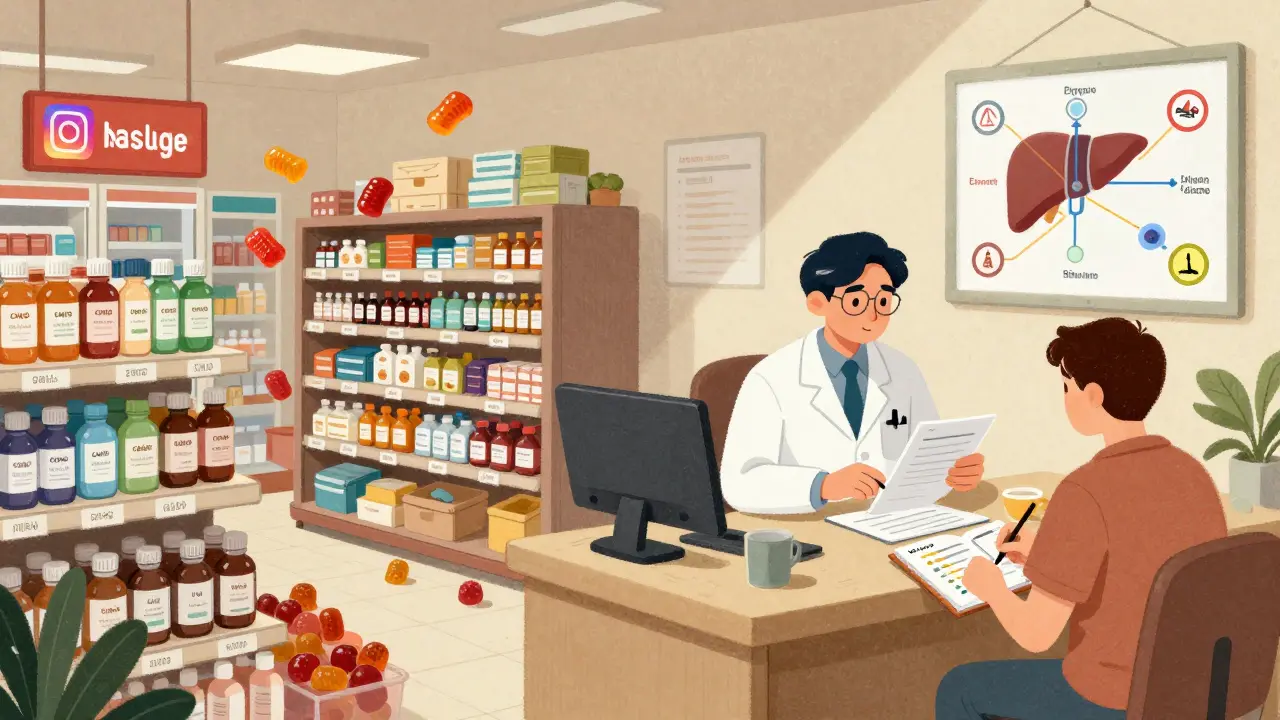
One big warning: don’t self-prescribe. If you’re on blood thinners, antidepressants, or seizure meds, cannabinoids can interfere. They’re metabolized by the same liver enzymes (CYP450) as many common drugs. A single drop of CBD oil could spike your warfarin levels-or make your antidepressant stop working.
Safety: It’s Not Just About the High
People assume cannabinoids are safe because they’re “natural.” That’s dangerous thinking.
The CDC acknowledges limited evidence for pain relief but warns of real risks:
- Dizziness (9.2% of users vs. 5.6% on placebo)
- dry mouth (6.6% vs. 2.5%)
- nausea (5.4% vs. 4.0%)
- possible liver toxicity at high CBD doses
And then there’s the quality issue. Consumer products aren’t regulated like pharmaceuticals. A 2023 analysis found some CBD oils contained heavy metals, pesticides, or synthetic cannabinoids like K2 or Spice-substances linked to hospitalizations.
Long-term safety? Unknown. We don’t have data on what happens after 5-10 years of daily use. The University of Bath researchers called it “a market built on hope, not science.”
Where Does This Leave You?
If you’re considering cannabinoids for pain:
- Avoid pure CBD products for pain. The evidence doesn’t support them.
- If you’re in a state with medical cannabis, talk to a doctor about THC:CBD combinations. They’re the only products with consistent clinical backing.
- Never replace opioids without medical supervision. Withdrawal can be severe.
- Start with the lowest possible dose. Increase slowly.
- Get products from licensed dispensaries-not Amazon, gas stations, or Instagram sellers.
- Track your pain levels, sleep, and side effects in a journal. Your experience matters more than any study.
The opioid crisis pushed us to seek alternatives. But we shouldn’t swap one unproven solution for another. The science is still unfolding. CBG might be the next breakthrough. Sativex already is. But for now, the only reliable path is one guided by evidence-not marketing.
What’s Next?
Multiple phase III trials are underway. GW Pharmaceuticals is testing a THC:CBD combo for cancer pain. Columbia University is studying CBD for chronic back pain. Results are expected by 2025. If these studies pan out, we could see FDA-approved cannabinoid pain medications by 2027.
Until then, patience and caution matter more than ever. Pain is real. So is the need for effective treatment. But the answer won’t come from a bottle labeled “1000mg CBD.” It’ll come from science, regulation, and time.
Can CBD oil help with nerve pain?
Pure CBD oil has little to no proven benefit for nerve pain based on high-quality studies. However, a 1:1 combination of THC and CBD-like the prescription medication Sativex-has shown consistent results in clinical trials for neuropathic pain from multiple sclerosis and cancer. If you’re considering this, consult a pain specialist.
Is THC safer than opioids for chronic pain?
THC is not without risks, but it carries a far lower risk of fatal overdose than opioids. In 2023, over 80,000 Americans died from opioid overdoses. There has never been a documented fatal overdose from cannabis alone. THC can still cause dizziness, impaired coordination, and dependency with long-term use. It’s not a “safe” alternative-but for some patients, the risk profile is more favorable than opioids.
Why do some people say CBD helped them if studies say it doesn’t?
Placebo effect is powerful in chronic pain. If someone believes a treatment will help, their brain can release natural pain-relieving chemicals. Many users report improved sleep or reduced anxiety from CBD-real benefits that can indirectly make pain feel more manageable. But that’s not the same as reducing the actual physical sensation of pain. Also, many CBD products contain trace THC, which could be doing the work.
Can I use cannabinoids with my other pain meds?
Maybe-but only under medical supervision. Cannabinoids interact with the liver’s CYP450 enzyme system, which processes many medications, including blood thinners, antidepressants, seizure drugs, and some heart medications. Mixing them can cause dangerous side effects or reduce the effectiveness of your current treatment. Always tell your doctor what you’re using.
Are there any legal, safe ways to access cannabinoid pain treatments?
Yes. In states with medical cannabis programs, licensed dispensaries sell regulated products with verified potency. In Canada and parts of Europe, pharmaceutical-grade THC:CBD combinations like Sativex are available by prescription. Avoid over-the-counter CBD products unless they’re third-party tested and come from a reputable source. The safest route is through a clinician who can guide dosage and monitor interactions.

peter vencken
March 22, 2026 AT 14:19 PMI tried CBD for my back pain and felt nothing. Then I switched to a 1:1 THC:CBD tincture from my dispensary and it's been a game changer. No more 120mg of oxycodone. Just 5mg of each, twice a day. My doc said I'm lucky to have access to regulated stuff. Don't waste your cash on Amazon gummies.
Natasha Rodríguez Lara
March 23, 2026 AT 17:23 PMI get why people swear by CBD. I have fibromyalgia and honestly? It helped my sleep and anxiety more than the pain. But I didn't realize until reading this that maybe it wasn't the CBD doing the work-it was the tiny bit of THC in the product. Still, if it helps me function, I'm not mad. Science can catch up later.
Rama Rish
March 24, 2026 AT 09:35 AMIn India we've used cannabis for pain for centuries. But now with all these fake CBD oils? People are getting scammed. I tell my patients: if it's not from a licensed pharmacy, don't trust it. Even if it says 'organic' or 'lab tested'-most of the time it's not.
Darlene Gomez
March 24, 2026 AT 18:03 PMI love how this post breaks it down. So many people think 'natural' = safe. But we're talking about chemicals that interact with your liver enzymes. I'm a nurse, and I see patients come in with weird reactions because they mixed CBD with their blood thinner. Please, just talk to your doctor before you pop that gummy.
Chris Farley
March 26, 2026 AT 01:15 AMSo you're telling me CBD doesn't work but THC does? That's not science-that's corporate bias. Big Pharma doesn't want you to have a cheap, plant-based alternative. They want you hooked on pills they patent. The fact that Sativex exists proves they can make it work. Why aren't we pushing for full legalization instead of playing this 'moderate THC' game?
Donna Fogelsong
March 26, 2026 AT 04:27 AMThey don't want you to know this but CBD is being suppressed by the FDA because it's too cheap and effective. The real painkillers are the ones they control. Look at the history-every time someone finds a natural cure, the government shuts it down. They're scared of losing control. You think they care about your liver? They care about profit.
Chris Crosson
March 27, 2026 AT 18:00 PMI'm not a scientist but I've been on 3 different cannabinoid regimens over 5 years. Pure CBD? Zero. THC-only? Too zoned out. 1:1? Perfect. My chronic knee pain went from 8/10 to 3/10. And I'm not high. Just calm. I think the industry is just bad at labeling. Most people don't know what they're even taking.
Katie Putbrese
March 27, 2026 AT 21:16 PMI can't believe we're even having this conversation. You're telling people to use drugs from a plant that's been illegal for 80 years? And now you're saying it's okay if it's 'regulated'? That's not safety-that's just the government giving you permission to do what they used to criminalize. Wake up. This is still a gateway. And don't even get me started on the kids using it for 'anxiety'.
Danielle Arnold
March 29, 2026 AT 08:14 AMSo let me get this straight. You spent 2000 words saying CBD doesn't work... but then you recommend THC? That's like saying 'vodka doesn't cure depression but whiskey might'.
Linda Foster
March 30, 2026 AT 17:05 PMThank you for this comprehensive, evidence-based analysis. The distinction between pharmaceutical-grade cannabinoids and unregulated consumer products is critical. I will be sharing this with my patients who are seeking alternatives to opioid therapy. The data on CYP450 interactions is particularly vital for those on polypharmacy regimens.
Jesse Hall
March 31, 2026 AT 10:39 AMI had sciatica for 3 years. Tried everything. Then my cousin got me a 1:1 tincture from a licensed dispensary. First night? I slept through the pain for the first time in years. Not cured. But finally able to live. I'm not saying it's magic. But it's real for me. And I'm grateful.
Jacob Hessler
April 1, 2026 AT 19:11 PMCBD is a scam. I bought 3 jars. One had 2mg. Another had 0. The third had THC and I failed a drug test. My boss fired me. Now I'm unemployed and broke. Don't let them take your money. Stick to your pills. At least you know what you're getting.
Sean Bechtelheimer
April 2, 2026 AT 22:22 PMThey're hiding the truth. The government has been suppressing cannabinoid research since the 60s. CBG? They know it works. But why? Because it can't be patented. That's why they're pushing Sativex-it's a branded product. They want you to pay $1000 a month for a plant they could give away for free. Wake up. This is all about control.
Amber Gray
April 3, 2026 AT 23:28 PMI'm 24 and have fibro. CBD gummies helped me chill out. Not the pain. But I sleep better. And if I'm not anxious, the pain feels... less. 🤷♀️✨ Also I got mine from a local shop that shows lab reports. Not Amazon. 🙌