
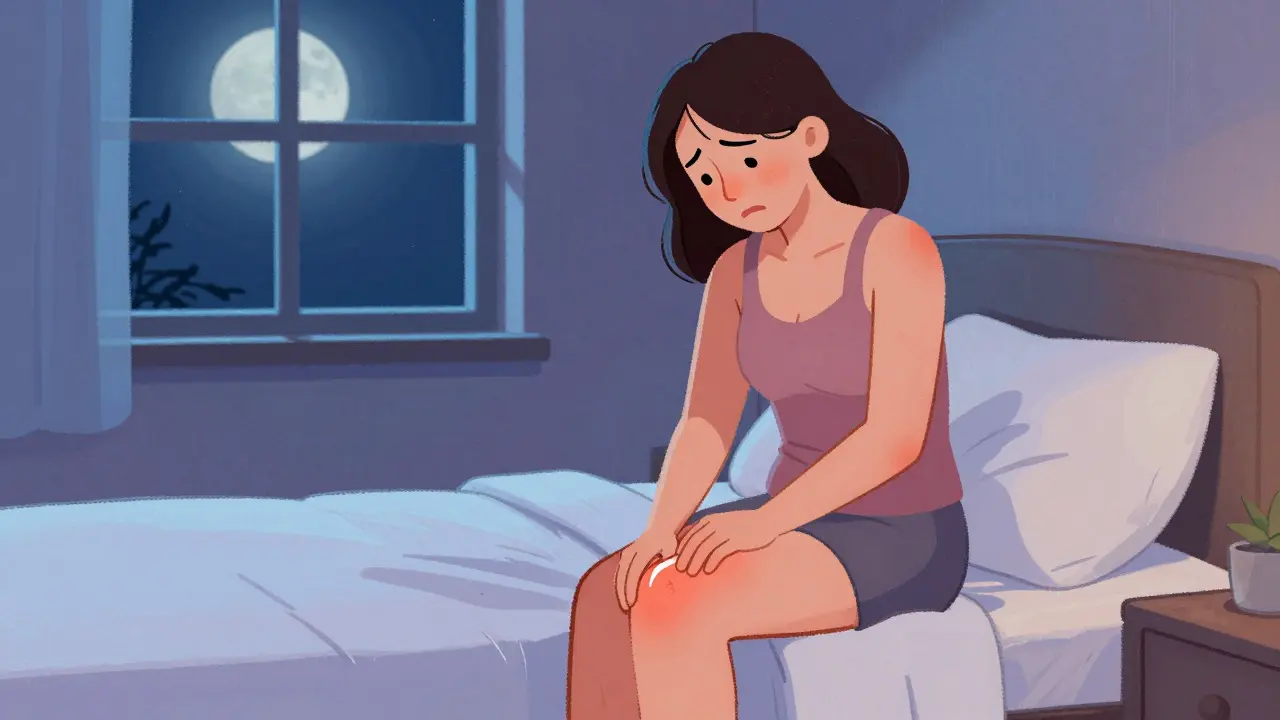
That sudden, intense itch that keeps you awake at night is more than just annoying-it’s a signal. For millions of women, it marks the start of Candida vaginitis, also known as vulvovaginal candidiasis (VVC). It is a common fungal infection caused by the overgrowth of Candida species in the vaginal area. While often dismissed as a minor nuisance, this condition affects about 75% of women of reproductive age at least once in their lives. The good news? You don’t always need a doctor’s visit to fix it. With the right knowledge and the correct over-the-counter (OTC) products, you can manage uncomplicated cases effectively from home.
But here is the catch: not every itch is a yeast infection. Misdiagnosis happens in up to 70% of self-treated cases. Using the wrong treatment can delay healing and make things worse. This guide breaks down exactly what to look for, which OTC options actually work, and when you absolutely must see a professional.
Identifying the Real Signs of a Yeast Infection
Before you rush to the pharmacy, you need to be sure. Vulvovaginal candidiasis presents with a specific set of symptoms that distinguish it from bacterial vaginosis or other infections. According to diagnostic criteria from the Centers for Disease Control and Prevention (CDC), the hallmark signs are distinct.
- Intense itching (Pruritus): Reported in 97% of cases, this is usually the most bothersome symptom, affecting the vulva and vagina.
- Thick, white discharge: Often described as looking like cottage cheese. It is typically odorless, unlike the fishy smell associated with bacterial vaginosis.
- Redness and swelling: About 85% of patients experience vulvar erythema (redness), and 60% have edema (swelling).
- Pain during sex or urination: Dyspareunia (painful intercourse) occurs in 45% of cases, while external dysuria (burning when urine hits irritated skin) affects 25%.
If your discharge is thin, gray, or has a strong odor, it is likely not a yeast infection. If you are experiencing these classic symptoms for the first time, skip the OTC aisle and see a doctor. Self-treatment should only happen if you have been diagnosed with a yeast infection before and recognize the pattern immediately.
Why Did This Happen? Understanding the Triggers
You might wonder why your body suddenly decided to host a fungal party. The truth is, Candida albicans is the primary fungus responsible for 80-90% of vaginal yeast infections. It lives harmlessly in the vaginas of 10-20% of healthy women. Problems arise when the natural balance of bacteria-specifically Lactobacillus-is disrupted.
Several factors can tip this balance:
- Antibiotic use: This is the biggest culprit, contributing to 30-50% of cases. Antibiotics kill the good bacteria that keep yeast in check.
- Pregnancy: Elevated estrogen levels create a favorable environment for yeast growth, affecting 20-30% of pregnant women.
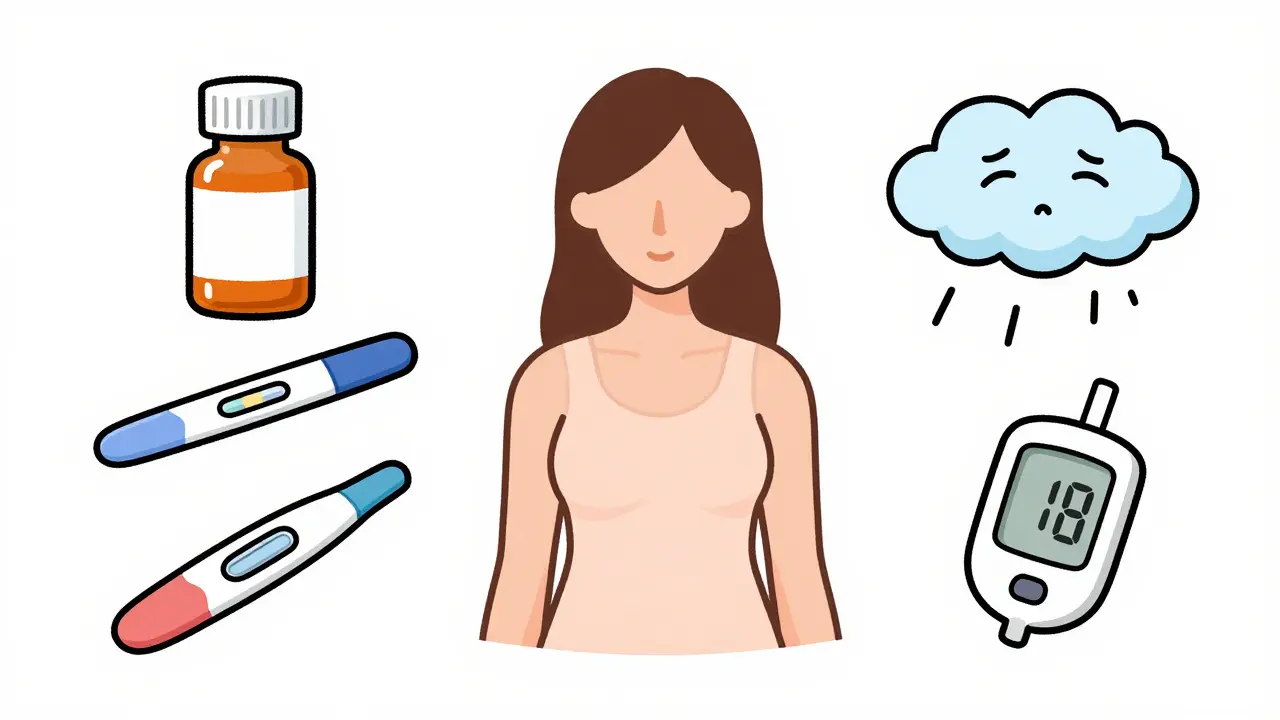
- Uncontrolled diabetes: High blood sugar feeds yeast. Women with an HbA1c above 7% face a 2.3-fold higher risk.
- Hormonal changes: Birth control pills or hormone therapy can alter vaginal pH.
- Weakened immune system: Conditions like HIV or stress can reduce your body's ability to control fungal growth.
Understanding your trigger helps prevent future outbreaks. If you recently finished antibiotics, for instance, you know to watch for symptoms closely.
Over-the-Counter Treatment Options Compared
For uncomplicated cases, OTC antifungal medications are highly effective, offering cure rates between 80-90%. The active ingredients are azoles, which stop the fungus from growing. Here is how the main options stack up.
| Active Ingredient | Formulation | Duration | Cure Rate | Best For |
|---|---|---|---|---|
| Clotrimazole | 1% Cream | 7-14 days (twice daily) | 90% | Severe itching; needs longer course |
| Clotrimazole | 2% Cream or Tablet | 3 days (once daily) | 85% | Convenience; moderate symptoms |
| Miconazole | 2% Cream or Suppository | 7 days (once daily) | 85-90% | Standard treatment; widely available |
| Tioconazole | 6.5% Ointment | Single dose | 80-85% | Quick relief; single application |
Research from the American Academy of Family Physicians shows no significant difference in cure rates between single-dose oral prescriptions and multi-day topical OTCs for uncomplicated cases. However, patient preference plays a huge role. Many women prefer the 7-day cream because it provides continuous relief, even though it requires more effort.
How to Use OTC Medications Correctly
Buying the right box is only half the battle. Improper application leads to 35% of treatment failures. Follow these steps for the best results:
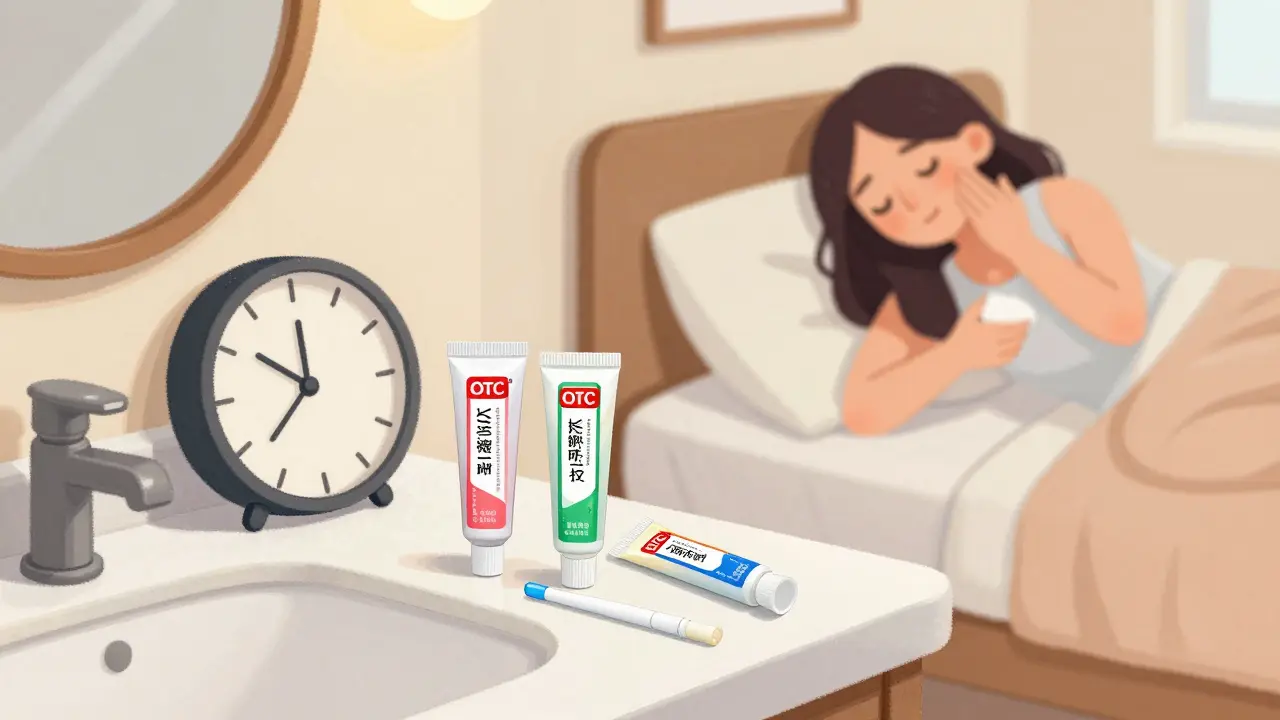
- Apply at bedtime: This allows the medication to stay in place while you sleep. Studies show 85% of successful users apply their treatment before bed.
- Complete the full course: Even if the itching stops after day two, finish all doses. Stopping early leaves surviving yeast that can bounce back stronger.
- Use protection: Avoid sexual intercourse during treatment. Friction irritates inflamed tissue, and latex condoms can degrade when exposed to oil-based creams, reducing efficacy by 30%.
- Insert properly: If using suppositories or tablets, insert them deeply into the vagina. A University of Michigan study found 40% of first-time users apply products incorrectly, leading to leakage and reduced effectiveness.
Expect some messiness. Most creams require protective underwear or pads to catch leakage. Don't let this deter you-it’s a small price for relief.
When OTC Isn't Enough: Red Flags
Self-treatment is convenient, but it isn't safe for everyone. The CDC explicitly advises against OTC use in certain scenarios. See a healthcare provider if:
- This is your first time: You need a confirmed diagnosis to rule out STIs or bacterial vaginosis.
- You are pregnant: Oral fluconazole is unsafe during pregnancy. Only topical azoles are recommended, and a doctor should confirm the type of yeast.
- Symptoms persist beyond 7 days: If proper OTC use doesn’t help within a week, you may have a resistant strain or a different condition.
- You have recurrent infections: Four or more episodes a year classify as recurrent VVC, requiring prescription maintenance therapy.
- You have severe symptoms: Extensive redness, swelling, or fissures indicate a complicated case needing stronger medication.
Also, be aware of emerging resistance. Non-albicans species like Candida glabrata account for 5-10% of cases and respond poorly to standard OTC azoles (only 50-60% cure rate). If you keep getting "yeast infections" that don’t go away, ask your doctor for a culture test to identify the specific species.
Prevention Tips for Long-Term Relief
Once you’ve cleared the infection, focus on keeping it away. Simple lifestyle adjustments can significantly reduce recurrence:
- Wear breathable cotton underwear: Synthetic fabrics trap moisture, creating a breeding ground for yeast.
- Avoid douches and scented products: These disrupt the natural pH balance of the vagina. Warm water is sufficient for external cleaning.
- Manage blood sugar: If you have diabetes, keeping your levels under control is one of the most effective prevention strategies.
- Change out of wet clothes quickly: After swimming or exercising, switch to dry underwear to reduce moisture buildup.
While probiotics are popular, evidence for their effectiveness in preventing yeast infections remains mixed. Focus on the basics: hygiene, breathability, and hormonal balance.
How long does it take for OTC yeast infection medication to work?
Most women notice symptom relief within 24 to 72 hours of starting treatment. However, complete resolution may take up to 7 days, depending on the formulation used. If symptoms do not improve after 3 days of proper use, consult a healthcare provider.
Can I use Monistat or Gyne-Lotrimin if I am pregnant?
Topical azole treatments like clotrimazole and miconazole are generally considered safe during pregnancy. However, you should always consult your obstetrician before using any medication. Oral fluconazole is not recommended during pregnancy due to potential risks to the fetus.
What is the difference between a yeast infection and bacterial vaginosis?
Yeast infections cause thick, white, odorless discharge and intense itching. Bacterial vaginosis (BV) typically causes thin, gray or white discharge with a strong, fishy odor, especially after sex. BV requires antibiotic treatment, while yeast infections require antifungals. Misdiagnosing BV as a yeast infection will not resolve the issue.
Why do I keep getting yeast infections?
Recurrent yeast infections (four or more per year) can be caused by underlying conditions like uncontrolled diabetes, hormonal imbalances, or a weakened immune system. It may also indicate a non-albicans Candida species that is resistant to standard OTC treatments. A doctor can perform a culture to identify the specific cause and prescribe maintenance therapy.
Does diet affect yeast infections?
While high-sugar diets can theoretically feed yeast, scientific evidence linking specific foods directly to vaginal yeast infections is limited. The strongest dietary link is with uncontrolled diabetes, where high blood glucose levels increase infection risk. Maintaining a balanced diet and managing blood sugar is more effective than avoiding specific foods like yogurt or garlic.



Sean Luke
I specialize in pharmaceuticals and have a passion for writing about medications and supplements. My work involves staying updated on the latest in drug developments and therapeutic approaches. I enjoy educating others through engaging content, sharing insights into the complex world of pharmaceuticals. Writing allows me to explore and communicate intricate topics in an understandable manner.
view all posts