
Imagine waking up with a hacking cough that just won't quit. You're tired, your chest feels tight, and you're convinced you need a strong dose of antibiotics to clear it up. But here is the striking truth: for about 95% of people with Acute Bronchitis is an acute inflammatory condition of the bronchial tubes typically caused by viral infections, antibiotics do absolutely nothing to speed up recovery. In fact, a comprehensive Cochrane review of over 5,000 patients found that antibiotics only reduced cough duration by a measly 0.6 days. That's barely a few hours of difference for a lot of potential side effects.
Quick Summary of Care
- Causes: Mostly viral (rhinovirus, coronavirus, influenza).
- Duration: Expect the cough to last about 18 days on average.
- Treatment: Focus on hydration, rest, and symptom relief.
- Antibiotics: Generally ineffective and not recommended.
What is actually happening in your lungs?
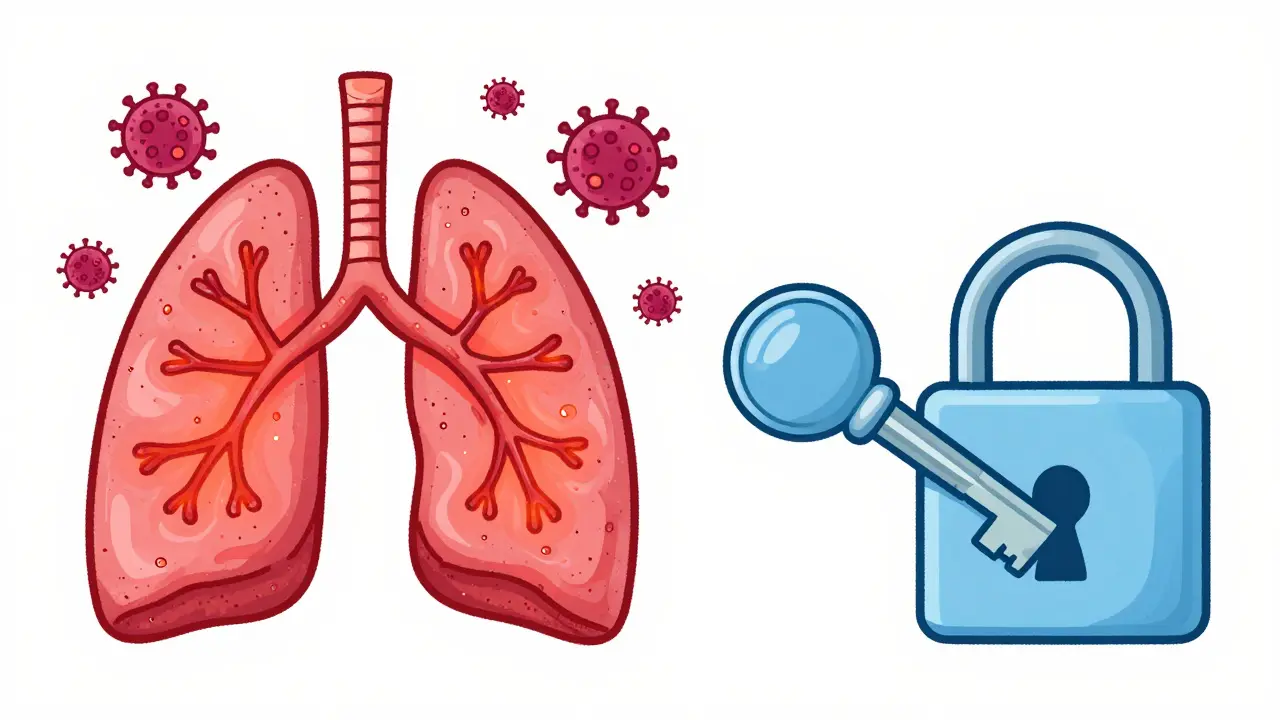
When you have acute bronchitis, your bronchial tubes-the airways that carry air to your lungs-become inflamed. This irritation triggers a cough, sometimes bringing up mucus (sputum). It is different from Pneumonia, which is a deeper infection of the lung tissue. Doctors usually tell it apart by checking if you have a high fever (above 38°C), a very fast heart rate, or specific sounds in your lungs during a physical exam.
Most of the time, the culprit is a virus. The most common ones include Rhinovirus (the common cold), Coronavirus, and Influenza. Because these are viruses, Antibiotics-which only kill bacteria-are essentially useless. Taking them won't make the virus go away and could actually cause harm, such as stomach upset or an allergic reaction.
The Timeline: Why your cough lasts so long
One of the most frustrating parts of acute bronchitis is how long it lingers. Many people feel they aren't getting better because the cough persists for weeks. However, the data shows this is completely normal. A study in the Journal of the American Board of Family Medicine found the average cough lasts about 17.8 days.
To give you a better idea of what to expect, look at the typical recovery curve: about 50% of people are still coughing after 10 days, and about 26% are still dealing with it at the two-week mark. Only about 11% still have a cough after 21 days. If you're on day 12 and still hacking, you aren't necessarily "sickly"-you're just following the standard biological timeline of the illness.
Effective ways to soothe the cough
Since you can't "cure" a virus with a pill, the goal is to manage the symptoms while your immune system does the heavy lifting. Here is what actually works based on clinical evidence.
| Remedy | How it works | Evidence Level | Best for... |
|---|---|---|---|
| Honey | Coats the throat, reduces irritation | Moderate (B) | Children (over 1 year) and adults |
| Dextromethorphan | Suppresses the cough reflex | Moderate (B) | Dry, hacking coughs that prevent sleep |
| Guaifenesin | Thins the mucus (expectorant) | Low/Inconsistent | Chest congestion (mixed results) |
| Beta2-agonists | Opens airways (bronchodilators) | High (for wheezing) | Patients with active wheezing |
For those who can't sleep because of a dry cough, Dextromethorphan can help. Common doses are 15-30 mg every 6-8 hours. For a more natural approach, honey is surprisingly effective. In a study of 355 children, honey performed as well as dextromethorphan. Just a critical warning: never give honey to a baby under 1 year old due to the risk of infant botulism.
Home care and recovery habits
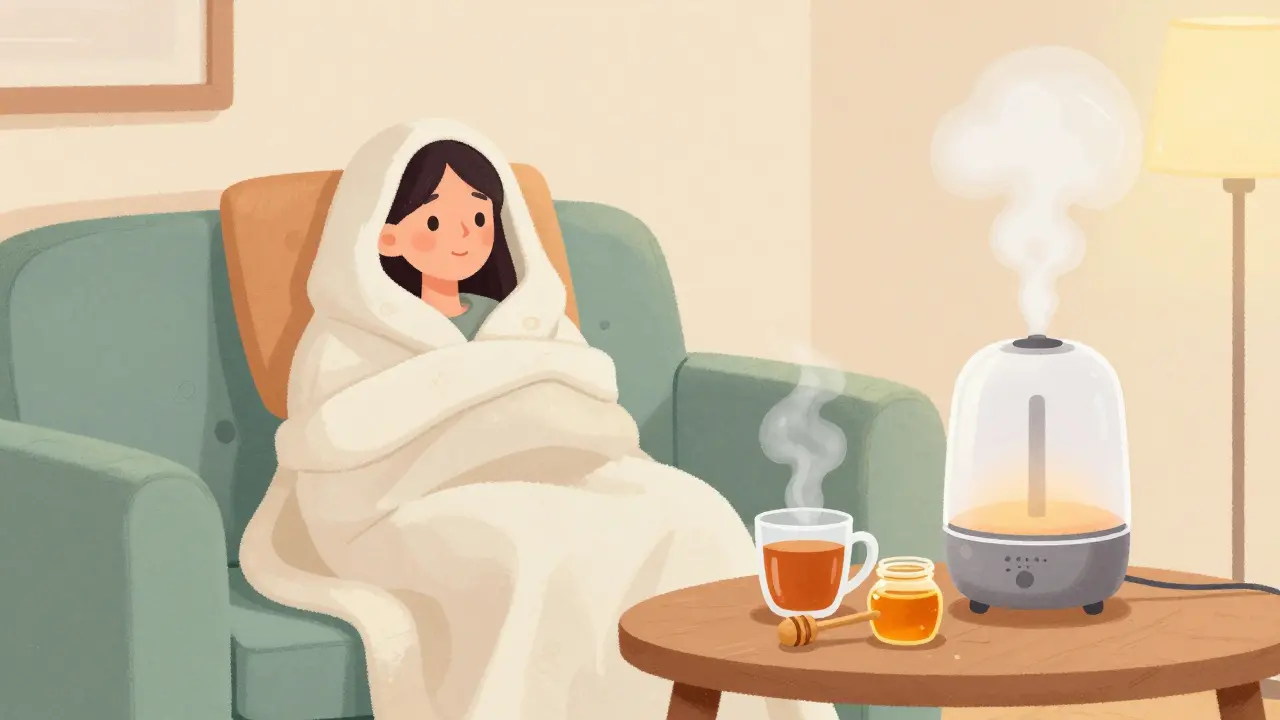
Your daily routine can significantly impact how you feel. The CDC recommends a few simple but effective strategies to keep your airways clear and your body strong:
- Hydrate: Drink 8-10 glasses of water a day. This keeps the mucus in your lungs thin and easier to cough up.
- Control the Air: Use a cool-mist humidifier. If you don't have one, breathing steam from a bowl of hot water (be careful not to burn yourself) can provide temporary relief.
- Manage Pain: If you have a mild fever or chest soreness from coughing, ibuprofen (Advil) or acetaminophen (Tylenel) are your best bets. Just stick to the package directions-don't exceed 3,000 mg of acetaminophen in 24 hours.
- Rest: Your body needs energy to fight the virus. Pushing through a workout while you have bronchitis usually just prolongs the illness.
The danger of the "just in case" antibiotic
You might be tempted to ask your doctor for antibiotics "just in case" it's bacterial. However, this contributes to a massive global health crisis: Antibiotic Resistance. When we use antibiotics when they aren't needed, bacteria learn how to survive the drugs. This makes future infections much harder to treat.
The risks aren't just global; they are personal. For every 14 people who take an antibiotic for acute bronchitis, one person will suffer a significant adverse effect. When you consider that the benefit is less than a day of reduced coughing, the math simply doesn't add up. Many doctors now use a "delayed prescription" strategy-they give you a script but ask you to wait 48 to 72 hours to see if you actually need it.
When should you actually worry?
While most bronchitis is self-limiting, you should know when the situation has changed from a simple viral cough to something more serious. Seek medical attention if you notice these red flags:
- High Fever: A fever that stays above 102°F (39°C) or doesn't respond to medication.
- Difficulty Breathing: If you are struggling to catch your breath or your breathing is very rapid (tachypnea).
- Blood in Sputum: Coughing up blood or pink-tinged mucus.
- Duration: A cough that lasts longer than three weeks without any sign of improvement.
- Underlying Conditions: If you have severe asthma or a compromised immune system, you may need closer monitoring.
Why did my doctor give me antibiotics if they don't work?
Unfortunately, despite clear guidelines, about 50% of patients with acute bronchitis still receive antibiotics. This is often due to patient pressure or a misunderstanding of the illness. Some doctors may also suspect a secondary bacterial infection if your symptoms suddenly worsen after a week of feeling better.
Can I use a cough suppressant if I'm coughing up mucus?
It depends. If your cough is productive (meaning you're coughing up a lot of gunk), you generally want to get that mucus out of your lungs. Using a strong suppressant might keep the mucus trapped. Use suppressants like dextromethorphan primarily at night so you can get some sleep.
Is it safe to take OTC cold medicines for kids?
Be very careful. The FDA has issued warnings against using over-the-counter cough and cold medications in children under 4 years old. Additionally, codeine-containing medications are contraindicated for children under 12 due to safety risks.
Will a nebulizer or inhaler help my bronchitis?
Only if you are wheezing. For the 30-40% of people who experience wheezing during a bronchitis episode, inhaled beta2-agonists can provide significant relief. If you aren't wheezing, these medications generally offer no benefit and can cause side effects like a racing heart.
How do I know if I have bronchitis or pneumonia?
The main difference is where the infection is. Bronchitis is in the tubes; pneumonia is in the air sacs. Doctors look for "focal lung findings" (specific areas of the lung that sound wrong) and high fever. If you have no abnormal vital signs and no high fever, the chance that you have pneumonia is very low (about 4%).
Next Steps for Recovery
If you're currently in the middle of a cough flare-up, start by focusing on your environment. Swap out dry air for humidified air and double your water intake. If your cough is preventing you from sleeping, try a spoonful of honey or a measured dose of a suppressant before bed. If you are feeling anxious about the length of your illness, remember the "two-week rule": 26% of people are still coughing after 14 days. Be patient with your body; it's doing the work of clearing out the virus. If you hit the 21-day mark and aren't seeing progress, that's the time to head back to your healthcare provider for a follow-up.


Srikanth Makineni
April 5, 2026 AT 15:19 PMclassic big pharma scam
dwight koyner
April 6, 2026 AT 17:17 PMIt is truly important to emphasize the distinction between viral and bacterial infections. Many patients feel frustrated when a physician declines to prescribe antibiotics, but understanding the biological timeline of a viral cough can alleviate that anxiety and prevent the unnecessary risk of adverse drug reactions.
Brady Davis
April 8, 2026 AT 16:19 PMOh sure, because waiting 18 days while coughing up a lung is just a delightful way to spend a month. I love how we're just supposed to "be patient" while our chests feel like they're being shredded by a cheese grater. Absolute paradise.
Rauf Ronald
April 9, 2026 AT 04:12 AMKeep your head up everyone! Just remember that hydration is your best friend here. I've seen so many people bounce back faster just by cranking up the water and using a humidifier. You've got this, just give your body the time it needs to win the fight!
Ethan Davis
April 9, 2026 AT 19:14 PMThink about why they're suddenly pushing "delayed prescriptions" and "viral timelines." It's all about controlling the supply and making us trust the system more while they experiment with new ways to keep us sick. They don't want you to actually get well, they just want you to stop asking for the pills that actually work for some people.
Danielle Kelley
April 11, 2026 AT 13:35 PMThis is exactly what they want us to believe so they can push these "natural" remedies that probably have trackers or chemicals we don't know about. Why the sudden shift in guidelines? It's clearly a coordinated effort to hide the real cause of these outbreaks and keep the population docile and coughing!
Darius Prorok
April 11, 2026 AT 19:19 PMEveryone knows honey is better than the chemical stuff. I told my whole family this years ago. It's just basic common sense and you don't need a fancy study to tell you that a spoonful of honey helps a sore throat.
Benjamin cusden
April 13, 2026 AT 18:23 PMThe banal nature of this discourse is exhausting. It is a rudimentary biological fact that antibiotics are ineffective against viral pathogens. To be surprised by this suggests a profound lack of basic scientific literacy in the general population.
Windy Phillips
April 14, 2026 AT 11:28 AMIt is simply tragic... truly tragic... that people cannot discipline their own bodies to heal without relying on the crude intervention of pharmaceuticals!!! One must simply align their spirit with the rhythm of recovery, though I suspect most of you are too distracted by your gadgets to even try...
Kathleen Painter
April 15, 2026 AT 17:52 PMI think it's really wonderful that we have this kind of information accessible to everyone now, because it allows us to be more compassionate toward ourselves and our children when we're feeling unwell. Sometimes we just need to slow down, listen to what our bodies are telling us, and embrace the slow process of healing without feeling the pressure to be "productive" while we're fighting off a virus, which is something I think a lot of us struggle with in today's fast-paced world.
Dhriti Chhabra
April 15, 2026 AT 17:54 PMIt would be most beneficial for all parties involved to maintain a respectful dialogue regarding the efficacy of medical treatments. While perspectives may vary, adhering to professional medical guidelines is generally the most prudent course of action for public health.
Jamar Taylor
April 16, 2026 AT 04:05 AMYou can do it! Just keep pushing through the rough days with plenty of water and rest. The finish line is coming, and you'll feel so much stronger once those lungs clear up. Stay positive and keep fighting!